Bugloss ( Lycopsis Arvensis)

Bugloss (Lycopsis arvensis): A Comprehensive Guide for Cultivation, Uses, and More

Bugloss, scientifically known as Lycopsis arvensis, is a fascinating and versatile plant that has garnered attention for its cultural, ecological, and medicinal significance. Also recognized by various other names such as “common bugloss,” “field forget-me-not,” and “blue houndstongue,” this herbaceous plant belongs to the Boraginaceae family, which is renowned for its diverse and unique plant species. Through the centuries, Bugloss has served numerous purposes, ranging from traditional medicinal uses to ecological conservation efforts. In this comprehensive guide, we will explore the various facets of Bugloss, from its cultivation and care tips to its ecological importance and traditional uses.

What is Bugloss (Lycopsis arvensis)?

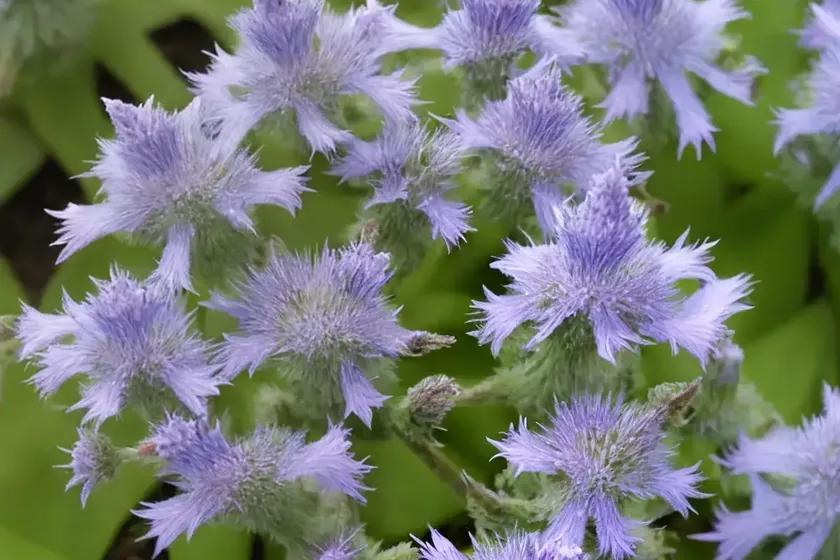
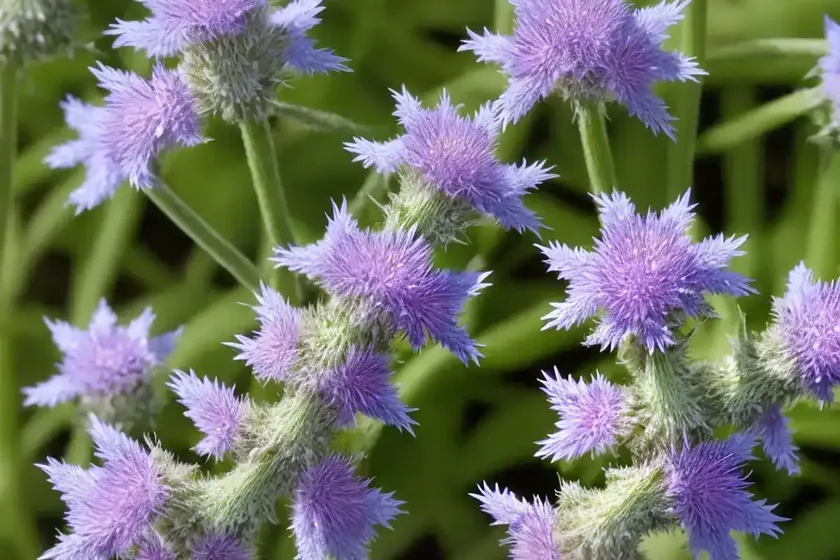
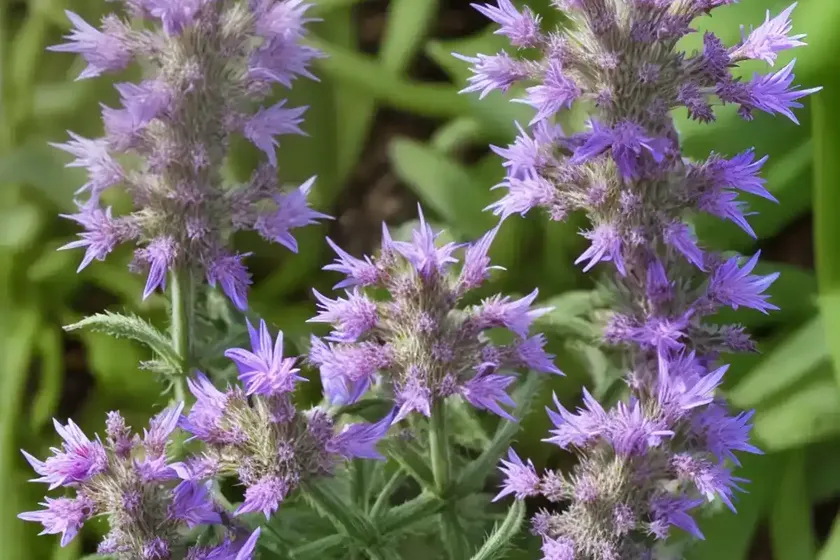
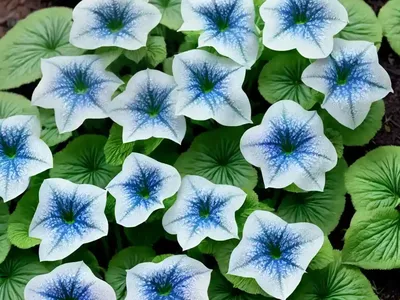
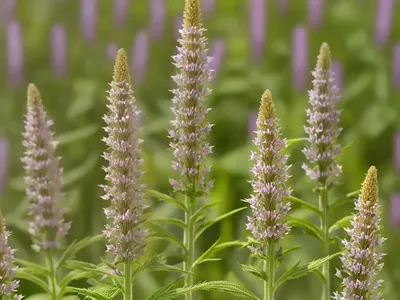
Bugloss, specifically Lycopsis arvensis, is an herbaceous plant that is native to Europe and Western Asia. It is characterized by its vibrant blue flowers and hairy foliage, which contributes to its unique aesthetic and appeal. The plant typically grows in open grasslands, meadows, and along roadsides and ditches, thriving in well-drained soils and under ample sunlight. Bugloss is an annual or biennial plant, and its striking appearance has made it a popular choice for gardeners and enthusiasts alike.

Key Takeaways – Bugloss (Lycopsis arvensis)

Before delving deeper into the various aspects of Bugloss, let’s take a look at the key takeaways associated with this plant:

  • Bugloss, also known as Lycopsis arvensis, is a striking herbaceous plant with vibrant blue flowers.
  • It is recognized by several alternative names, such as “common bugloss,” “field forget-me-not,” and “blue houndstongue.”
  • Bugloss is valued for its cultural, medicinal, and ecological significance, and it has a rich history of traditional uses.
  • Understanding its cultivation requirements, traditional uses, and ecological importance is essential for appreciating Bugloss’s multifaceted nature.

Cultivation

Cultivating Bugloss can be a rewarding endeavor, whether you are a seasoned gardener or just starting with your green thumb. Understanding the plant’s specific requirements and growth habits is crucial for ensuring its healthy development and vibrant blooms.

Water

Bugloss thrives in well-drained soils and prefers moderate watering. Over-watering should be avoided, as it can lead to water-logging and subsequent rotting of the roots. During the growing season, regular watering to keep the soil evenly moist is recommended. However, it is essential to allow the soil to dry out slightly between waterings to prevent water-related issues.

Sunlight

As a sun-loving plant, Bugloss thrives in full sunlight. It is essential to provide the plant with at least six to eight hours of direct sunlight each day for optimal growth and flowering. Insufficient sunlight may lead to leggy growth and decreased flower production.

Fertilizer

Bugloss generally thrives in moderately fertile soil and does not have excessive fertilizer requirements. A balanced, all-purpose fertilizer can be applied during the growing season to support the plant’s growth. It is crucial to follow the recommended application rates and avoid excessive fertilization, which can lead to an imbalance in the soil’s nutrient levels.

Soil

Bugloss prefers well-drained, sandy loam soils with a slightly acidic to neutral pH. It is essential to amend heavy clay soils with organic matter to improve drainage and create a suitable growing environment for Bugloss. Additionally, ensuring good soil aeration and structure is beneficial for the plant’s root development and overall health.

Pruning

Pruning Bugloss is relatively minimal, mainly focusing on deadheading spent flowers to encourage continuous blooming. Additionally, removing any yellowing or damaged foliage helps maintain the plant’s overall appearance and health. Regular deadheading can prolong the flowering period and prevent the plant from self-seeding excessively.

Propagation

Bugloss can be propagated through both seeds and division, offering options for expanding your plant collection or sharing Bugloss with other gardening enthusiasts.

  • Propagation from Seeds: Collect ripe seeds from the plant and sow them directly into the desired growing area. It is important to provide adequate moisture and warmth for successful germination, which typically occurs within a few weeks under optimal conditions.

  • Division: Established Bugloss plants can be divided in the early spring or fall, with the divided segments replanted in suitable growing sites. Dividing the plant helps rejuvenate older clumps and promotes vigorous growth.

Container Popularity

Bugloss’s vibrant flowers and easy-going nature make it a popular choice for container gardening. Its compact size and striking blooms add visual interest to outdoor spaces, making it a valuable addition to container gardens, balconies, and patios. When selecting containers for Bugloss, ensure they provide adequate drainage and are appropriately sized to accommodate the plant’s root system.

Container Common Diseases

While Bugloss is generally resistant to common plant diseases, certain issues may arise, particularly in container-grown specimens. Keeping an eye out for signs of root rot, powdery mildew, or foliar diseases is important to address any potential concerns promptly.

Disease Diagnosis

  • Root Rot: Over-watering and poor drainage can lead to root rot in container-grown Bugloss. Symptoms include wilting, yellowing foliage, and a foul odor emanating from the soil. Addressing the issue involves adjusting the watering frequency and enhancing soil drainage.

  • Powdery Mildew: Fungal growth on the plant’s foliage, characterized by a powdery white appearance, indicates the presence of powdery mildew. Increasing air circulation and utilizing natural fungicidal remedies can help manage this issue.

Common Pests

Bugloss is relatively resistant to pest infestations, but occasional encounters with aphids, spider mites, or caterpillars may occur. Vigilance and prompt intervention, such as the application of natural insecticidal soaps or horticultural oils, can effectively manage pest populations without compromising the plant’s well-being.

Botanist’s Tips

Drawing insights from botanists and horticultural experts can provide valuable guidance for cultivating and appreciating Bugloss. Incorporating their tips and recommendations into your gardening practices can enhance your overall experience with this captivating plant.

  • Soil Preparation: Prior to planting Bugloss, ensure the soil is well-drained and amended with organic matter to promote healthy growth and development.

  • Adequate Sunlight: Providing Bugloss with ample sunlight is crucial for promoting robust flowering and overall plant vigor.

  • Moderate Watering: Avoid over-watering Bugloss, as it can lead to root issues and reduced plant health. Instead, aim for consistent, moderate moisture levels in the soil.

  • Pruning for Maintenance: Regular deadheading and pruning of damaged foliage can help maintain Bugloss’s appearance and encourage continuous blooming.

Fun Facts

Exploring the lesser-known aspects of Bugloss can reveal intriguing facts and historical significance associated with this remarkable plant.

  • Symbolism: Bugloss has been historically associated with courage and protection, with its vibrant blue flowers symbolizing strength and resilience in various cultural contexts.

  • Traditional Uses: Bugloss has a rich history of traditional uses, including herbal remedies, dye production, and cultural symbolism in different societies.

  • Ecological Importance: Bugloss serves as an important nectar source for pollinators, contributing to the diversity and resilience of local ecosystems.

Links to External Resources

For those seeking further information and in-depth insights into Bugloss (Lycopsis arvensis) and its diverse aspects, the following external resources can provide valuable knowledge and perspectives:

In conclusion, Bugloss (Lycopsis arvensis) stands as a captivating plant with a rich tapestry of traditional uses, medicinal significance, and ecological contributions. Understanding its cultivation requirements, traditional uses, and cultural significance provides a deeper appreciation for this remarkable plant and its multifaceted nature. Whether adorning garden landscapes or serving as a valuable resource for pollinators, Bugloss continues to intrigue and inspire enthusiasts and researchers alike.