Brunnera Macrophylla ‘Looking Glass’ (Siberian Bugloss)
Plants are an essential part of our ecosystem, providing food, oxygen, and a habitat for countless organisms. In addition to their ecological importance.
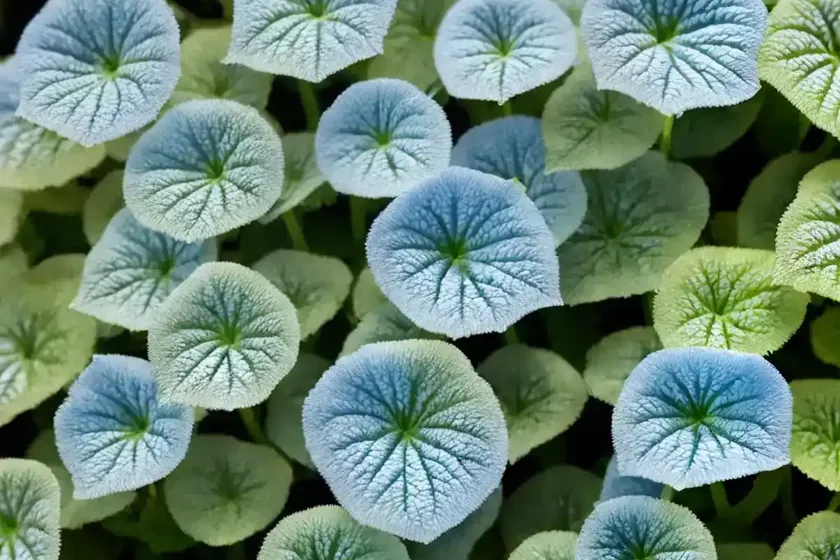
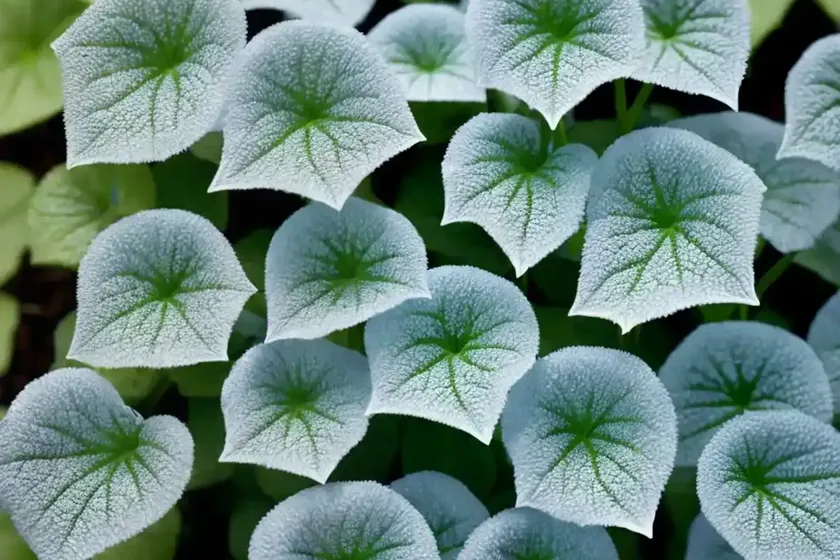
Plants are an essential part of our ecosystem, providing food, oxygen, and a habitat for countless organisms. In addition to their ecological importance, plants also enrich our lives with their beauty and diversity. The Brunnera macrophylla ‘Looking Glass’, commonly known as Siberian Bugloss, is a stunning perennial plant that has gained popularity among gardeners for its exquisite foliage and adaptability to various growing conditions. In this comprehensive guide, we will delve into the intricacies of caring for Brunnera macrophylla ‘Looking Glass’, exploring its culture, uses, maintenance, and more.
Key Takeaways – Brunnera macrophylla ‘Looking Glass’ (Siberian Bugloss)
Before diving into the specifics of cultivating Brunnera macrophylla ‘Looking Glass’, let’s take a quick look at the key takeaways associated with this delightful plant.
- Common Name: Siberian Bugloss ‘Looking Glass’
- Botanical Name: Brunnera macrophylla ‘Looking Glass’
- Plant Type: Herbaceous perennial
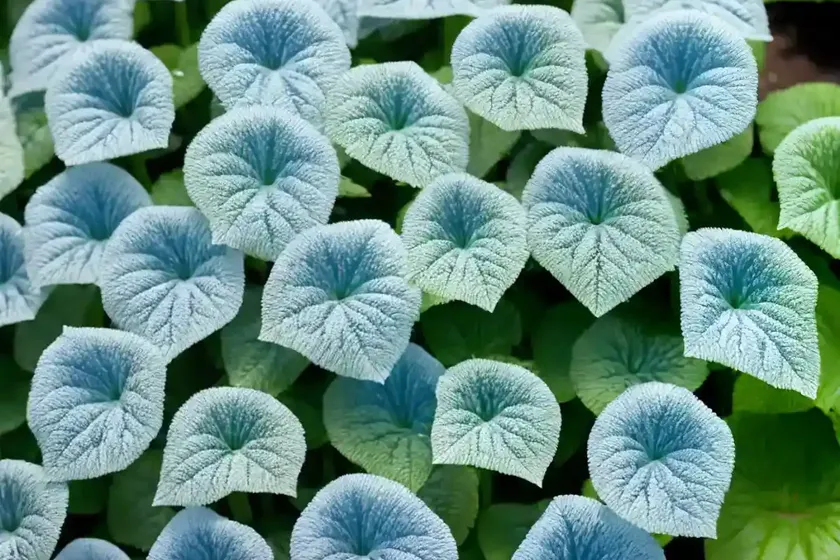
- Foliage: Heart-shaped, silver leaves with prominent dark green veins
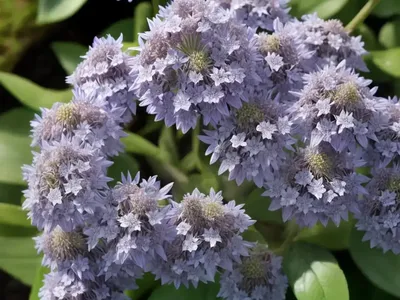
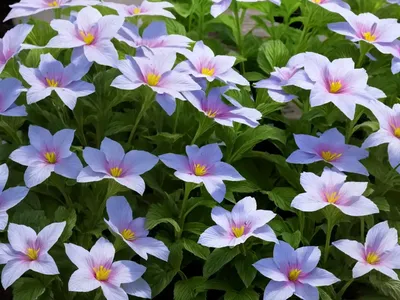
- Flowers: Clusters of small, delicate, blue flowers in spring
- Growth Habit: Clump-forming, reaching a height of about 12-18 inches
- Attributes: Shade tolerant, low maintenance, deer resistant
- Uses: Ideal for woodland gardens, shaded borders, and container plantings
With these key points in mind, let’s explore the specifics of caring for Brunnera macrophylla ‘Looking Glass’ to ensure its optimal growth and flourishing in your garden.
Culture
Understanding the cultural requirements of Brunnera macrophylla ‘Looking Glass’ is vital for creating a suitable environment for this charming plant to thrive. From soil conditions to watering practices, each aspect plays a crucial role in its overall well-being.
Water
The water needs of Brunnera macrophylla ‘Looking Glass’ revolve around maintaining consistent moisture without waterlogging the soil. As a general guideline, it is advisable to water the plant deeply whenever the top inch of the soil feels dry to the touch. However, it is equally important to ensure proper drainage to prevent waterlogged conditions, which can be detrimental to the plant’s health.
Sunlight
One of the appealing traits of Brunnera macrophylla ‘Looking Glass’ is its ability to thrive in shaded conditions, making it a valuable addition to gardens with limited direct sunlight. Partial to full shade is optimal for this plant, although it can tolerate some morning sun in cooler climates. When planting in regions with intense afternoon sun, providing dappled shade or filtered light can help prevent scorching of the delicate foliage.
Fertilizer
When it comes to fertilizing Brunnera macrophylla ‘Looking Glass’, a moderate approach is recommended. Applying a balanced, slow-release fertilizer in early spring can provide the necessary nutrients to support healthy growth and the development of vibrant foliage. It is crucial to follow the application instructions to prevent over-fertilization, which can lead to excessive foliage growth at the expense of flower production.
Soil
The soil preferences of Brunnera macrophylla ‘Looking Glass’ align with humus-rich, well-draining soil with a slightly acidic to neutral pH. Amending the soil with organic matter such as compost or peat moss can enhance its moisture retention and fertility, creating an ideal substrate for the plant’s roots to establish and flourish.
Pruning
Pruning plays a role in managing the appearance and vitality of Brunnera macrophylla ‘Looking Glass’. While deadheading the spent flowers can encourage further blooms and prevent the plant from self-seeding, the main focus of pruning revolves around maintaining the plant’s attractive foliage.
Removing any damaged, discolored, or diseased leaves helps preserve the visual appeal of the plant and reduces the risk of pests and diseases. Additionally, trimming back the foliage in late winter or early spring can rejuvenate the plant and encourage the emergence of fresh, healthy leaves.
Propagation
Brunnera macrophylla ‘Looking Glass’ can be propagated through division or seed, with each method offering its own set of advantages and considerations.
Division
Dividing mature clumps of Brunnera macrophylla ‘Looking Glass’ every 3-4 years can rejuvenate the plant and prevent overcrowding. The ideal time for division is in early spring when the new growth is just beginning to emerge. Carefully dig up the clump, ensuring that each division has both roots and foliage, and replant them at the desired locations.
Seed
While Brunnera macrophylla ‘Looking Glass’ can produce seeds after flowering, it is important to note that the resulting seedlings may not retain the exact characteristics of the parent plant. To propagate through seeds, collect the mature seeds and sow them in a prepared seedbed, ensuring consistent moisture and mild temperatures to facilitate germination.
Container Popularity
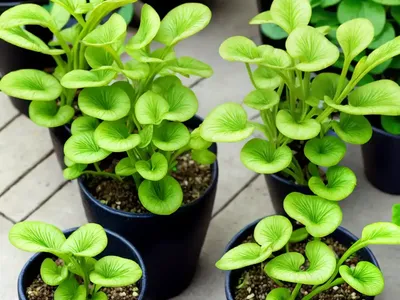
The adaptability of Brunnera macrophylla ‘Looking Glass’ to container cultivation has contributed to its popularity among gardeners seeking to adorn their patios, balconies, or shaded outdoor spaces with this exquisite plant. When selecting a container for Siberian Bugloss, opt for a spacious and well-draining pot to accommodate its root system and prevent waterlogging. Additionally, using a high-quality, peat-based potting mix can provide the necessary nutrients and aeration for optimal growth.
Common Diseases
While Brunnera macrophylla ‘Looking Glass’ exhibits resilience to many common pests and diseases, there are several issues that gardeners should be vigilant about to maintain the plant’s health and vigor.
Disease Diagnosis
The presence of foliar diseases such as powdery mildew and leaf spots can compromise the visual appeal and vitality of the plant. Regularly inspecting the foliage for any signs of discoloration, distortion, or unusual markings can facilitate early detection and prompt treatment of these diseases.
Common Pests
Siberian Bugloss ‘Looking Glass’ demonstrates commendable resistance to most pests, with deer being less inclined to browse on its foliage. However, slug and snail infestations can pose a threat to the plant, especially in humid and shaded environments. Implementing preventive measures such as applying organic slug baits and maintaining a clean garden can help minimize the risk of pest infestations.
Botanist’s Tips
Incorporate these expert tips to enhance the growth and visual appeal of Brunnera macrophylla ‘Looking Glass’:
- Mulching around the base of the plant with organic matter can aid in moisture retention and regulate soil temperature.
- Interplanting Siberian Bugloss with early spring bulbs such as daffodils or snowdrops can create a captivating display and maximize the use of space in the garden.
- Regularly inspect the undersides of the leaves for signs of pest activity or disease development, as early intervention is crucial for effective management.
Fun Facts
- The intricate silver foliage of Brunnera macrophylla ‘Looking Glass’ is reminiscent of the enchanting patterns found in traditional Venetian glass, inspiring its fitting common name, “Looking Glass.”
- Siberian Bugloss ‘Looking Glass’ is a member of the Boraginaceae family, which includes several other ornamental and medicinal plants such as borage and forget-me-nots.
With its remarkable attributes and versatility, Brunnera macrophylla ‘Looking Glass’ has established itself as a valuable addition to shaded gardens, wooded landscapes, and container plantings. Its low maintenance requirements and captivating foliage make it an appealing choice for both novice and seasoned gardeners alike.
Links to External Resources
For further information on Brunnera macrophylla ‘Looking Glass’ and related topics, explore the following resources:
- Royal Horticultural Society – Brunnera macrophylla
- Missouri Botanical Garden – Siberian Bugloss
- University of Maryland Extension – Shade Gardening
Now that we have delved into the intricate world of Brunnera macrophylla ‘Looking Glass’, you are equipped with the knowledge to cultivate and appreciate the beauty of this charming plant in your own garden. Whether it’s nestled among the dappled shade of a woodland retreat or gracing a decorative container, Siberian Bugloss ‘Looking Glass’ is sure to captivate with its enduring allure and graceful presence.