Brunnera Macrophylla ‘Jack Frost’ (Siberian Bugloss)
As a plant scientist, I am excited to delve into the fascinating world of Brunnera macrophylla ‘Jack Frost’, commonly known as Siberian Bugloss. This.
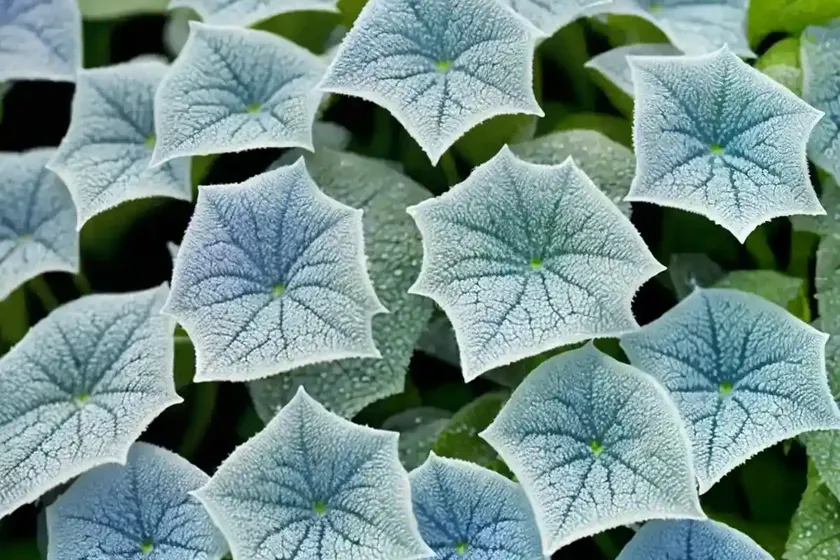
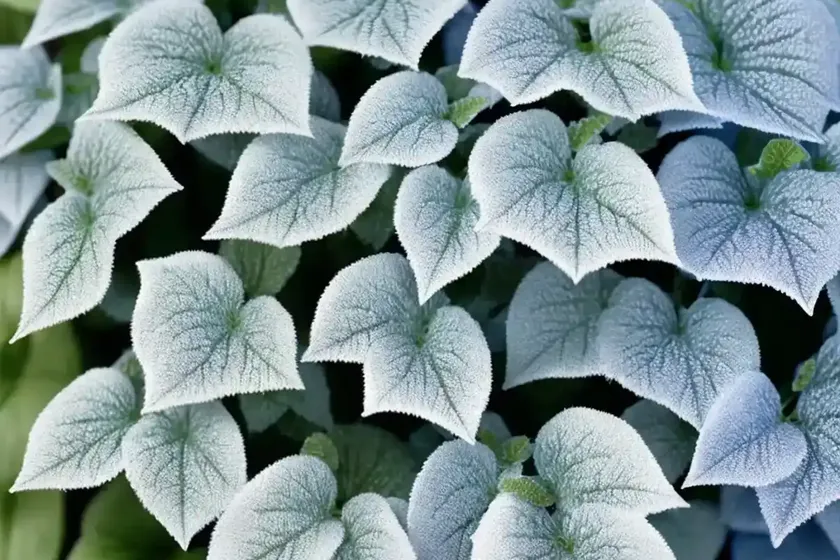
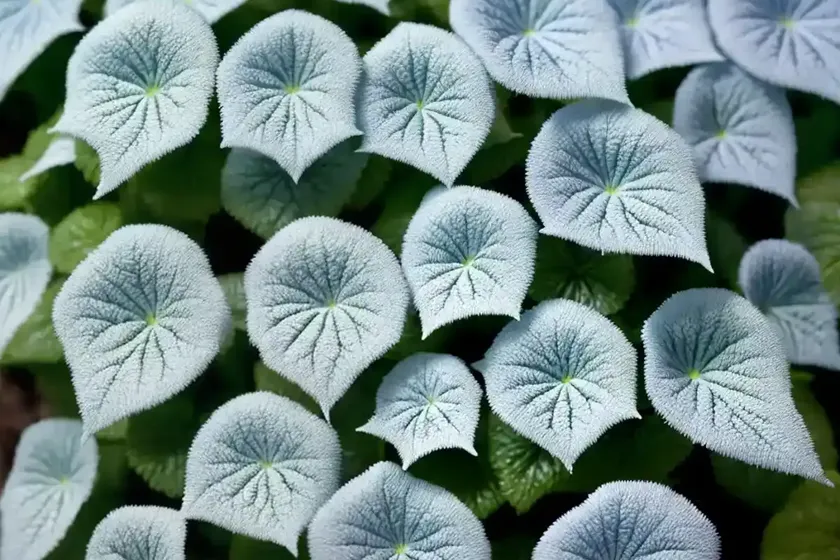
As a plant scientist, I am excited to delve into the fascinating world of Brunnera macrophylla ‘Jack Frost’, commonly known as Siberian Bugloss. This beautiful plant belongs to the family Boraginaceae and is prized for its stunning silver leaves and delicate blue blooms. Through this comprehensive guide, I aim to provide valuable insights into the cultivation, care, and various aspects of this captivating plant.
What is Brunnera macrophylla ‘Jack Frost’?
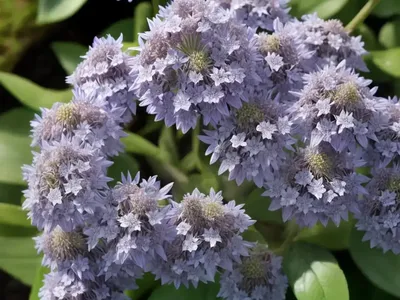
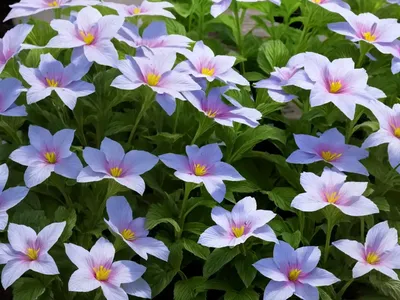
Brunnera macrophylla ‘Jack Frost’, also known as Siberian Bugloss, is a herbaceous perennial plant that is native to the woodlands of Eastern Europe. It is characterized by its heart-shaped, silver-patterned leaves and small, dainty, blue flowers that resemble forget-me-nots. This plant is a popular choice for gardeners due to its low maintenance nature and outstanding ornamental features.
Key Takeaways – Brunnera macrophylla ‘Jack Frost’ (Siberian Bugloss)
Before we delve deeper into the specific aspects of Siberian Bugloss, let’s highlight some key takeaways that will be covered in this guide:
- Plant Name: Brunnera macrophylla ‘Jack Frost’ (Siberian Bugloss)
- Common Name: Siberian Bugloss
- Family: Boraginaceae
- Plant Type: Herbaceous Perennial
- Foliage: Silver-patterned leaves
- Flowers: Blue, forget-me-not-like blooms
- Cultural Requirements: Water, Sunlight, Fertilizer, Soil, Pruning, Propagation, Container
- Popularity: Growing popularity in gardens and landscapes
- Common Diseases: Disease diagnosis, prevention, and management
- Common Pests: Identification and control measures
- Botanist’s Tips: Professional insights and recommendations
- Fun Facts: Intriguing and lesser-known facts about Siberian Bugloss
Now, let’s explore each of these aspects in detail to gain a comprehensive understanding of this captivating plant.
Culture
1. Uses
Siberian Bugloss, with its striking foliage and delicate flowers, serves various purposes in the garden and landscape settings. Some common uses of Brunnera macrophylla ‘Jack Frost’ include:
- Ornamental Feature: The silver-patterned leaves and charming blue flowers make it a visually appealing addition to gardens and landscapes.
- Groundcover: Its spreading nature and low-growing habit make it suitable for groundcover in shaded areas.
- Understory Plant: Siberian Bugloss thrives as an understory plant in woodland gardens due to its preference for partial to full shade.
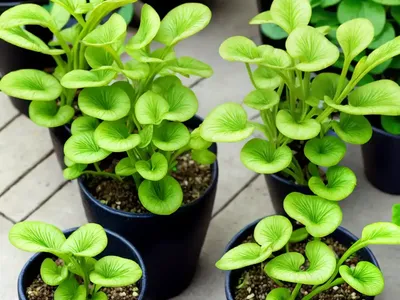
- Container Planting: Its compact growth habit makes it an excellent choice for containers and mixed planters.
2. Water
Proper watering is essential for the health and vigor of Brunnera macrophylla ‘Jack Frost’. Here are some key points to consider regarding watering:
- Moist, Well-drained Soil: Siberian Bugloss prefers consistently moist soil, especially during the growing season. However, it is important to ensure that the soil is well-drained to prevent waterlogging, which can lead to root rot.
- Regular Watering: In the absence of regular rainfall, supplemental watering may be necessary, particularly during dry spells. Deep but infrequent watering is preferable to frequent shallow watering to encourage deep root growth.
3. Sunlight
Siberian Bugloss thrives in shaded to partially shaded locations and is not tolerant of intense sunlight. Here are some sunlight-related considerations for cultivating Brunnera macrophylla ‘Jack Frost’:
- Partial to Full Shade: It is ideally suited for areas with dappled shade or filtered light. Direct afternoon sun, especially in hot climates, should be avoided.
- Morning Sun: In cooler climates, it can tolerate some morning sun, but protection from harsh midday and afternoon sun is crucial for its overall health and appearance.
4. Fertilizer
Appropriate fertilization contributes to the overall growth and vitality of Siberian Bugloss. Consider the following when fertilizing Brunnera macrophylla ‘Jack Frost’:
- Organic Matter: Amending the soil with organic matter such as compost or well-rotted manure during planting can provide essential nutrients and promote long-term soil health.
- Balanced Fertilizer: A balanced, slow-release fertilizer applied in spring can support healthy foliage and flower production. However, avoid excessive doses of nitrogen to prevent lush growth that may be more susceptible to pest and disease issues.
5. Soil
Understanding the soil preferences of Siberian Bugloss is vital for successful cultivation. Here are important soil-related considerations:
- Moisture Retention: Well-drained, humus-rich soil with good moisture retention is ideal for Brunnera macrophylla ‘Jack Frost’. It should not dry out excessively between waterings.
- pH Level: Siberian Bugloss thrives in slightly acidic to neutral soil with a pH range of 6.0 to 7.5. Conducting a soil test can help in determining and adjusting the pH if necessary.
Pruning
Pruning plays a significant role in maintaining the form and vitality of Brunnera macrophylla ‘Jack Frost’. Here are some essential pruning tips:
- Deadheading: Removing spent flowers can prolong the blooming period and prevent self-seeding, especially if naturalizing is not desired.
- Spring Cleanup: In late winter to early spring, remove any dead or damaged foliage to encourage new growth and maintain a tidy appearance.
- Division: Siberian Bugloss benefits from division every 3-4 years to rejuvenate overgrown clumps and promote healthy growth.
Propagation
Brunnera macrophylla ‘Jack Frost’ can be propagated through several methods, allowing gardeners to expand their plantings. Here are some common propagation techniques:
- Division: Dividing established clumps in early spring is an effective way to propagate Siberian Bugloss while rejuvenating the parent plant.
- Seed Propagation: Collecting and sowing seeds in a prepared seedbed in late summer to early fall can yield new plants, although the resulting seedlings may not come true to the parent plant.
Container Popularity
Siberian Bugloss’s suitability for container planting makes it a popular choice for various gardening applications. Here are some reasons for its popularity in container gardening:
- Compact Growth: The relatively compact size of Brunnera macrophylla ‘Jack Frost’ allows it to thrive in containers without overwhelming the space.
- Shade Tolerance: Its preference for shaded conditions makes it an excellent choice for adding interest to shaded patios, balconies, or other outdoor areas without full sun exposure.
Common Diseases
While Siberian Bugloss is relatively resilient, it can be susceptible to certain diseases. Understanding common diseases and their management is crucial for maintaining plant health:
- Powdery Mildew: This fungal disease can affect the foliage, leading to a powdery white coating. Ensuring good air circulation and avoiding overhead watering can help prevent powdery mildew.
- Leaf Spot: Proper sanitation, such as removing and disposing of infected plant debris, can help prevent the spread of leaf spot diseases.
Disease Diagnosis
Accurately diagnosing plant diseases is essential for implementing effective control measures. Some key steps in disease diagnosis include:
- Symptom Identification: Identifying specific symptoms, such as spots, wilting, or discoloration, can provide clues about the potential disease.
- Pathogen Identification: Understanding the causative agents, whether fungal, bacterial, or viral, is crucial for selecting appropriate management strategies.
Common Pests
Like many plants, Brunnera macrophylla ‘Jack Frost’ can face challenges from various pests. Here are some common pests that may affect Siberian Bugloss:
- Slugs and Snails: These pests can cause damage to the foliage, particularly in humid and moist conditions. Strategies such as mulching with crushed eggshells or copper tape can help deter them.
- Spider Mites: These tiny pests can cause stippling or webbing on the foliage. Regularly hosing down the foliage can help mitigate spider mite infestations.
Botanist’s Tips
Drawing from professional insights and experience, here are some valuable tips for cultivating and caring for Brunnera macrophylla ‘Jack Frost’:
- Mulching: Applying a layer of organic mulch around the base of the plant can help maintain soil moisture and suppress weeds.
- Companion Planting: Pairing Siberian Bugloss with other shade-loving plants such as hostas, ferns, and coral bells can create visually appealing and diverse woodland plantings.
- Seasonal Maintenance: Regularly monitor the plant for any signs of disease, pest infestations, or nutrient deficiencies, and take appropriate action as needed to maintain its health and vigor.
Fun Facts
As a plant scientist, I’ve gathered some captivating and lesser-known facts about Siberian Bugloss to enrich your knowledge and appreciation of this remarkable plant:
- Name Origin: The genus name Brunnera is in honor of the Swiss botanist Samuel Brunner, while the species name macrophylla is derived from the Greek words “makros” (large) and “phyllon” (leaf), referencing its substantial foliage.
- Pollinator Attraction: The delicate blue flowers of Siberian Bugloss attract pollinators such as bees and butterflies, contributing to the overall biodiversity of the garden.
- Foliage Variation: While Brunnera macrophylla ‘Jack Frost’ is celebrated for its silver-patterned leaves, there are other cultivars with distinct foliage variations, such as ‘Looking Glass’ with silver leaves and ‘Hadspen Cream’ with creamy-white variegation.
Links to External Resources
To further enrich your understanding of Brunnera macrophylla ‘Jack Frost’ (Siberian Bugloss) and its cultivation, here are some valuable external resources:
- Royal Horticultural Society – Brunnera macrophylla
- Missouri Botanical Garden – Brunnera macrophylla
- University of Vermont Extension – Growing Perennials: Siberian Bugloss
As I conclude this comprehensive guide, I hope that you’ve gained valuable insights into the captivating world of Brunnera macrophylla ‘Jack Frost’ (Siberian Bugloss). Whether you’re a seasoned gardener or a beginner enthusiast, I encourage you to consider integrating this resilient and visually striking plant into your garden or landscape, and embrace the elegance it brings to shaded settings. Cheers to the enchanting allure of Siberian Bugloss!