Brunnera Macrophylla ‘Diane’s Gold’ (Siberian Bugloss)
As a plant scientist, I have had the pleasure of studying a wide variety of plant species, each with its own unique characteristics and growing.
Introduction
As a plant scientist, I have had the pleasure of studying a wide variety of plant species, each with its own unique characteristics and growing requirements. In this guide, I will delve into the world of Brunnera macrophylla ‘Diane’s Gold’, also known as Siberian Bugloss. This perennial plant is beloved for its stunning foliage and delicate flowers, making it a popular choice for gardeners looking to add a touch of elegance to their landscapes.
Key Takeaways – Brunnera Macrophylla ‘Diane’s Gold’ (Siberian Bugloss)
Before we dive into the nitty-gritty details of caring for Siberian Bugloss, let’s take a moment to highlight some key takeaways about this beautiful plant.
- Brunnera macrophylla ‘Diane’s Gold’ is a cultivar of the Siberian Bugloss plant, known for its striking golden foliage.
- This perennial is valued for its versatility and can be used in various gardening scenarios, from container gardening to woodland gardens.
- When properly cared for, Siberian Bugloss can thrive in shaded areas and serve as an excellent ground cover option.
Now, let’s explore the specific aspects of caring for Brunnera macrophylla ‘Diane’s Gold’ in more detail.
What is Plant: Brunnera Macrophylla ‘Diane’s Gold’ (Siberian Bugloss)?
Brunnera Macrophylla ‘Diane’s Gold’: An Overview
Brunnera macrophylla ‘Diane’s Gold’ is a cultivar of the Brunnera macrophylla species, known for its distinctive golden foliage. This perennial plant is native to the woodlands of Eastern Europe and Western Asia, where it thrives in moist, shaded environments.
Siberian Bugloss: Characteristics and Growth
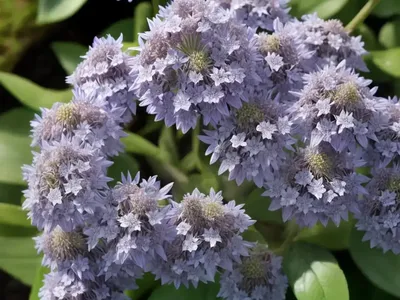
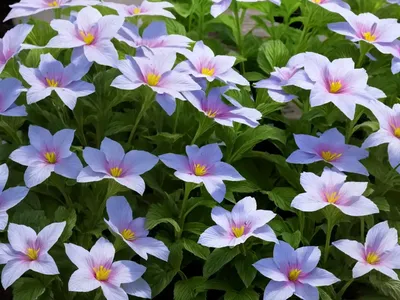
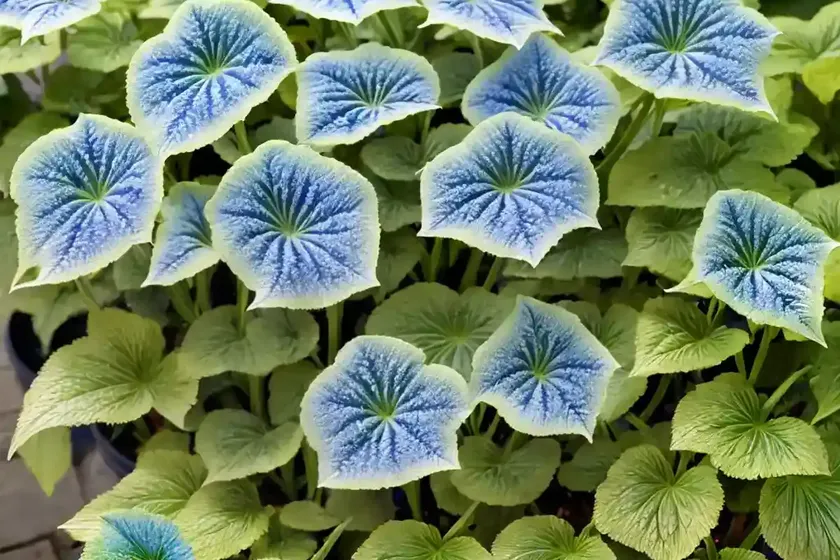
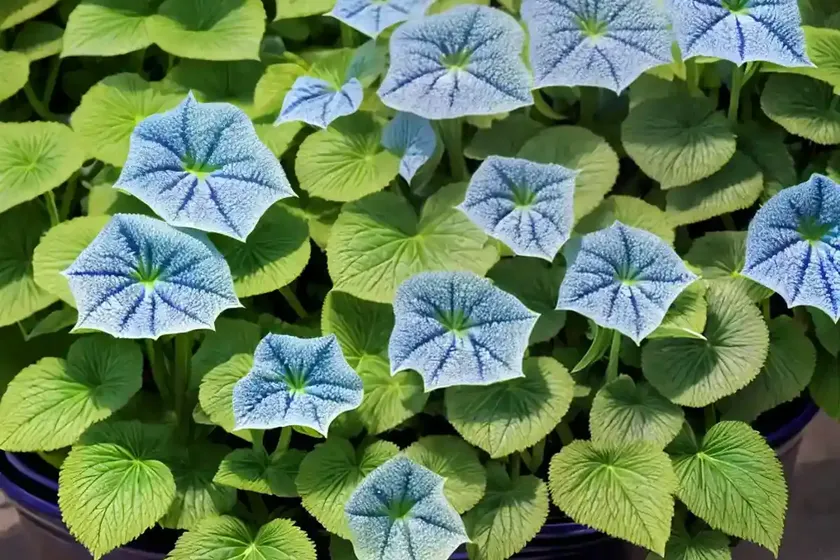
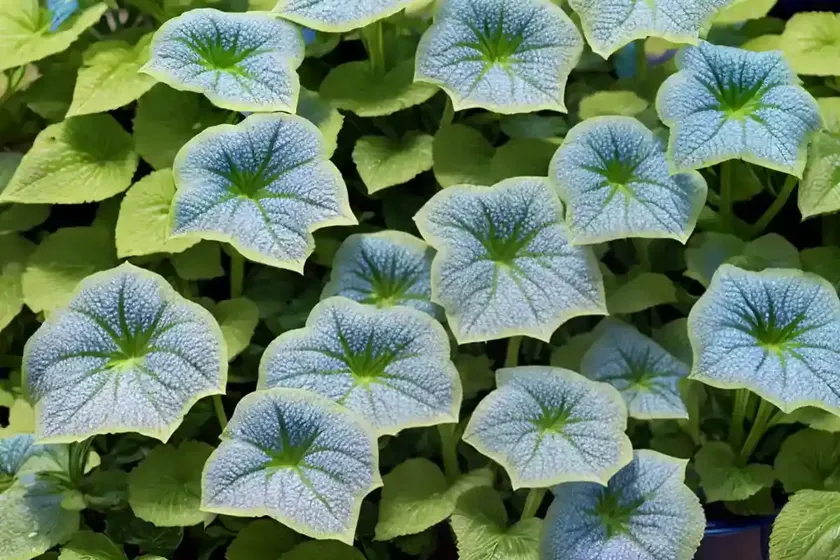
Siberian Bugloss is characterized by its heart-shaped leaves that emerge as bright golden-yellow in the spring. As the season progresses, the foliage may transition to a lighter green color, offering a dynamic display in the garden. In addition to its foliage, Siberian Bugloss produces delicate clusters of blue flowers in the spring, adding a touch of charm to its overall appearance.
Brunnera Macrophylla Cultivar: ‘Diane’s Gold’
The ‘Diane’s Gold’ cultivar is highly regarded for its vibrant and robust foliage, making it a standout choice for gardeners seeking to introduce bold colors into their landscapes. The unique golden hue of this cultivar sets it apart from other varieties of Brunnera macrophylla, making it a coveted addition to gardens and landscapes.
With this brief introduction to Brunnera macrophylla ‘Diane’s Gold’ (Siberian Bugloss), let’s now delve into the specific aspects of caring for and utilizing this plant in various gardening settings.
Culture
Siberian Bugloss: Cultivation Considerations
Cultivating Brunnera macrophylla ‘Diane’s Gold’ requires a nuanced understanding of its cultural requirements. Here are some key factors to consider when integrating this plant into your garden or landscape:
Water
- Moderate Moisture: Siberian Bugloss thrives in moist, well-drained soil. While it is essential to ensure adequate moisture, it’s equally important to avoid waterlogged conditions that can lead to root rot.
Sunlight
- Shade Tolerant: Siberian Bugloss is well-suited to shaded or partially shaded areas. In fact, it prefers to be shielded from direct sunlight, particularly during the hottest parts of the day.
Soil
- Rich and Loamy: This perennial plant flourishes in rich, loamy soil with good drainage. Incorporating organic matter into the soil can further enhance its growing conditions.
Uses of Siberian Bugloss
Landscape Design
- Brunnera macrophylla ‘Diane’s Gold’ is prized for its ornamental value, making it an excellent choice for adding visual interest to shaded garden beds and woodland landscapes.
- Its vibrant foliage and delicate blue flowers create a captivating display that can complement a wide range of companion plants.
Ground Cover
- Given its spreading habit and lush foliage, Siberian Bugloss serves as an effective ground cover, filling in bare areas with its attractive leaves.
Container Gardening
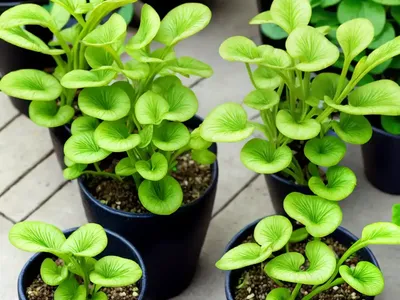
- The compact nature of Brunnera macrophylla ‘Diane’s Gold’ makes it well-suited for container gardening, allowing individuals with limited garden space to enjoy its beauty on patios or balconies.
Fertilizer
When it comes to fertilizing Siberian Bugloss, a balanced, slow-release fertilizer can be applied in the early spring to support healthy growth and vibrant foliage. It’s essential to follow manufacturer recommendations for application rates and timing.
Pruning
Maintenance Pruning
- As the foliage of Siberian Bugloss may experience some browning or damage over the growing season, periodic grooming can help maintain its visual appeal.
- Any damaged or discolored leaves can be gently trimmed to encourage healthy growth.
Flowering Stems
- Once the flowering period has ended, spent flower stems can be removed to promote the plant’s energy allocation towards foliage development.
Propagation
Siberian Bugloss can be propagated through division or from seeds. Let’s look at the different methods briefly.
Division
- In the early spring, established clumps of Siberian Bugloss can be carefully divided, ensuring that each division has ample roots and foliage to support its growth.
Seed Propagation
- Collecting and sowing seeds from mature Brunnera macrophylla ‘Diane’s Gold’ plants can also be a viable method of propagation, with the potential to yield new specimens for your garden.
Container Popularity
Compact Growth
- The modest size and compact growth habit of Brunnera macrophylla ‘Diane’s Gold’ make it a popular choice for container gardening.
- It offers an attractive solution for individuals seeking to introduce ornamental plants to their outdoor spaces, particularly in areas with limited garden beds.
Versatility
- Siberian Bugloss’ adaptability to shaded conditions further enhances its appeal for container gardening, as it can thrive in areas that receive filtered light or limited direct sunlight.
Disease Diagnosis
Powdery Mildew
- Siberian Bugloss may be susceptible to powdery mildew, a fungal disease that manifests as powdery, white patches on the leaves.
- To identify this issue, closely inspect the foliage for any signs of white powdery residue, particularly during periods of high humidity.
Leaf Spot
- Leaf spot diseases can also affect the foliage of Brunnera macrophylla ‘Diane’s Gold’ and may present as dark, irregular spots on the leaves.
- Regular monitoring can help detect these symptoms and prompt appropriate measures to mitigate the spread of the disease.
Common Pests
Snails and Slugs
- These garden pests are attracted to the lush foliage of Siberian Bugloss and may cause damage by feeding on the leaves.
- Implementing control measures such as physical barriers or organic repellents can help deter these pests from targeting the plant.
Caterpillars
- Certain caterpillar species may also pose a threat to Brunnera macrophylla ‘Diane’s Gold’ by consuming its foliage.
- Careful inspection of the plant and the surrounding area can aid in identifying and addressing potential caterpillar infestations.
As a dedicated botanist, it brings me immense joy to share the intricacies of caring for Brunnera macrophylla ‘Diane’s Gold’ (Siberian Bugloss) with fellow plant enthusiasts. This guide aims to provide comprehensive insights into the cultivation, uses, and maintenance of this remarkable perennial plant. With the information presented here, I hope to empower individuals to cultivate and appreciate the beauty of Siberian Bugloss in their own gardening endeavors.
Botanist’s Tips
Vigilant Monitoring
Regularly inspecting the foliage of Brunnera macrophylla ‘Diane’s Gold’ can help in early detection of any potential pest infestations or disease issues, allowing for prompt intervention and mitigation.
Adequate Moisture
Maintaining consistent moisture levels, particularly during dry spells, is crucial for supporting the health and vitality of Siberian Bugloss. Consider incorporating mulch around the base of the plant to help retain moisture and suppress weed growth.
Fun Facts
Ecological Significance
Siberian Bugloss serves as a valuable resource for pollinators, attracting bees and other beneficial insects with its delicate blue flowers.
The nectar and pollen provided by the plant contribute to the ecological diversity of garden landscapes, supporting local pollinator populations.
Temperature Tolerance
While Siberian Bugloss excels in cooler, shaded environments, it also exhibits commendable cold hardiness, withstanding frost and chilly temperatures with resilience.
Links to External Resources
To broaden the understanding of Brunnera macrophylla ‘Diane’s Gold’ (Siberian Bugloss) and its cultivation, the following resources offer valuable insights and perspectives:
- Royal Horticultural Society – Brunnera macrophylla ‘Diane’s Gold’
- Missouri Botanical Garden – Siberian Bugloss
- University of Maryland Extension – Growing Perennials in Containers
In closing, the allure of Brunnera macrophylla ‘Diane’s Gold’ (Siberian Bugloss) lies not only in its striking appearance but also in its adaptability and resilience as a garden plant. Embracing the cultural nuances and horticultural considerations outlined in this guide can pave the way for a flourishing display of this remarkable perennial in gardens and landscapes. As we continue to explore the world of botanical marvels, may Siberian Bugloss stand as a testament to the enduring splendor of nature’s creations.
Please note that the information presented here is based on horticultural knowledge and practices. It is advisable to consult regional gardening resources and professionals for guidance tailored to specific climatic and environmental conditions.
Let the golden foliage and delicate allure of Brunnera macrophylla ‘Diane’s Gold’ inspire a world of horticultural creativity and appreciation.