Broccoli (Brassica Oleracea Var. Italica)
As a plant scientist with a passion for horticulture and a keen interest in the growing popularity of Brassica oleracea var. italica, commonly known as.
All You Need to Know About Broccoli (Brassica oleracea var. italica)
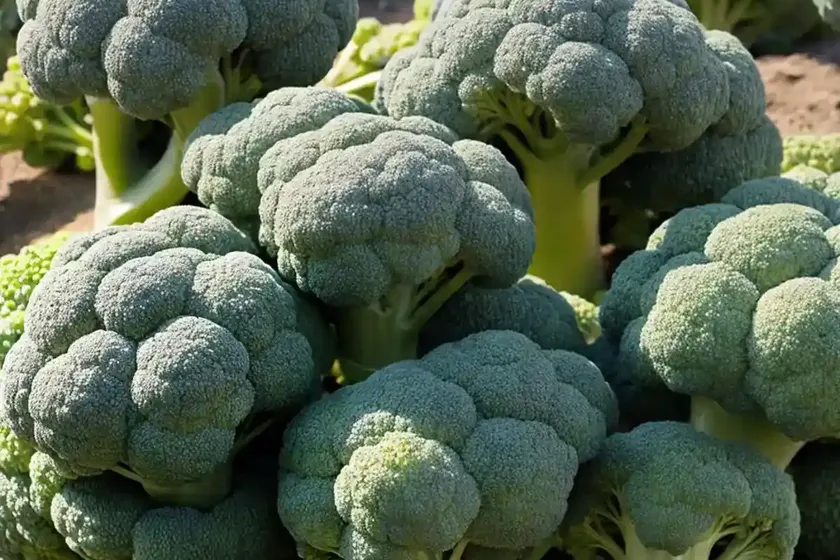
As a plant scientist with a passion for horticulture and a keen interest in the growing popularity of Brassica oleracea var. italica, commonly known as broccoli, I’m excited to share with you the comprehensive guide to this nutritious and versatile vegetable. In this extensive guide, I will cover everything from its cultivation and care to its health benefits, culinary uses, and much more.
What is Broccoli?
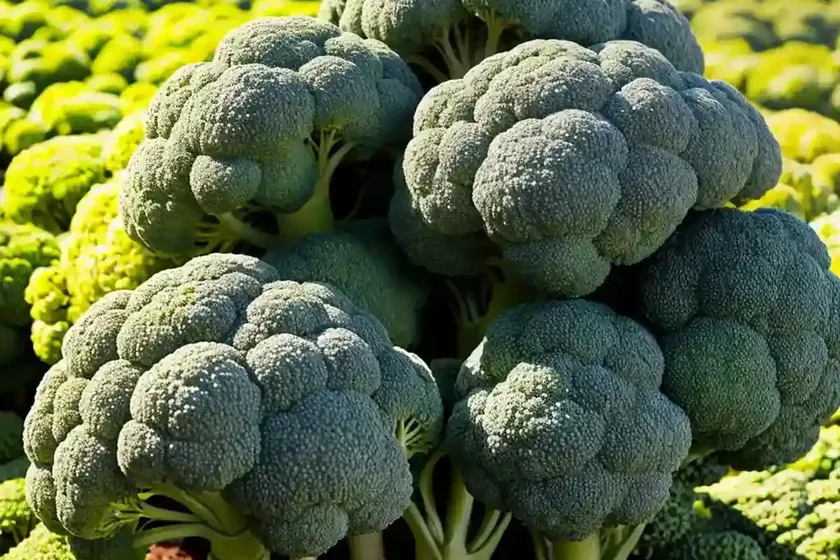
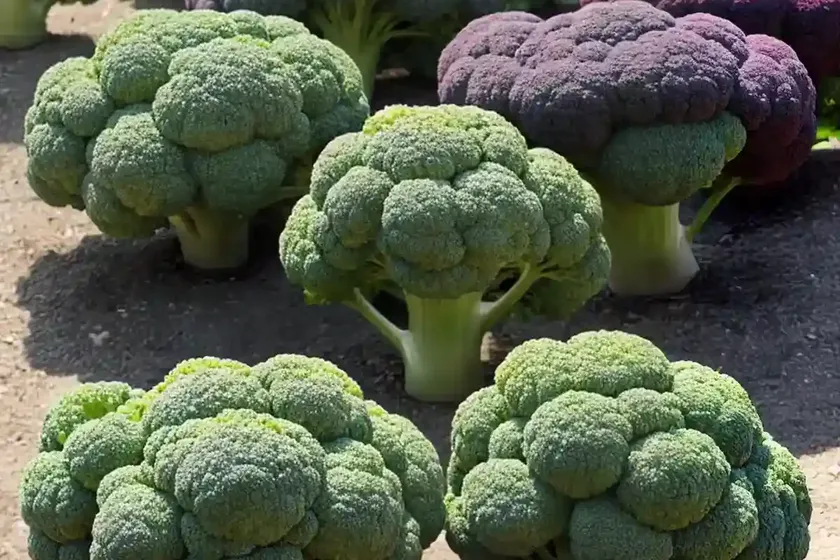
Broccoli, scientifically known as Brassica oleracea var. italica, is a member of the cabbage family Brassicaceae. It is a cool-season vegetable that is prized for its tender, edible flower heads and stalk. Native to the Mediterranean region, broccoli is cultivated for its densely clustered florets, which are rich in essential vitamins, minerals, and antioxidants. This nutritious vegetable has gained popularity not only for its health benefits but also for its culinary versatility, making it a staple in many households.
Key Takeaways – Broccoli (Brassica oleracea var. italica)
Before we delve into the details of cultivating and caring for broccoli, let’s take a closer look at the key takeaways of this remarkable plant.
Health Benefits of Broccoli
- Broccoli is a powerhouse of nutrients, including vitamin C, vitamin K, folate, and fiber, which contribute to overall health and well-being.
- The phytochemicals and antioxidants in broccoli are linked to various health benefits, such as cancer prevention, heart health, and improved digestion.
Growing Broccoli in Your Garden
- Broccoli requires a cool climate and thrives in well-drained, fertile soil with a slightly acidic pH.
- It is best grown from transplants or seeds, and regular watering is essential for its growth and development.
Nutritional Value of Broccoli
- Broccoli is a low-calorie, nutrient-dense vegetable that provides an array of vitamins, minerals, and antioxidants.
- Incorporating broccoli into your diet can support weight management and promote overall health.
Growing Italian Broccoli
- Italian broccoli, also known as ‘Spigariello,’ is a leafy, heirloom variety that is prized for its tender leaves and shoots.
- It is an excellent addition to salads, stir-fries, and soups, offering a unique flavor and texture to culinary creations.
Now that we have an overview of the key highlights, let’s explore the detailed aspects of cultivating, caring for, and harnessing the full potential of broccoli.
Culture
Uses
Broccoli is a versatile vegetable that can be used in various culinary applications. Some common uses of broccoli include:
- Steaming or boiling as a side dish
- Incorporating into stir-fries and pasta dishes
- Roasting with olive oil and seasoning for a flavorful side or snack
- Adding to soups, salads, and casseroles
The uses of broccoli extend beyond the kitchen, as it is also valued for its health-promoting properties and potential medicinal applications.
Water
Water is essential for the successful cultivation of broccoli. Adequate and consistent moisture is crucial for the development of tender florets and lush foliage. Broccoli plants should be watered deeply, ensuring that the soil remains consistently moist but not waterlogged.
One inch of water per week is generally recommended for broccoli plants, although this may vary based on environmental conditions and soil moisture retention.
Sunlight
Broccoli thrives in full sunlight, requiring at least 6 to 8 hours of direct sunlight daily for optimal growth and development. Adequate sunlight exposure promotes sturdy stalks, vibrant foliage, and the formation of compact, flavorful florets.
Fertilizer
Fertilization is key to supporting the growth and productivity of broccoli plants. A balanced fertilizer with a higher nitrogen content is beneficial for promoting vigorous vegetative growth.
Before planting, it is advisable to incorporate a slow-release fertilizer or well-rotted compost into the soil to provide a steady supply of nutrients throughout the growing season. Side-dressing with additional fertilizer during the growing period can further support the plants’ nutrient requirements.
Soil
Well-drained, fertile soil with a slightly acidic pH ranging from 6.0 to 6.8 is ideal for cultivating broccoli. The soil should be rich in organic matter and have good moisture retention capabilities.
Additionally, a soil test can provide valuable insights into the nutrient levels and composition of the soil, allowing for targeted amendments to optimize growing conditions for broccoli.
Pruning
Pruning is not typically necessary for broccoli plants, as the focus is primarily on encouraging robust vegetative growth and the development of large, compact flower heads. However, the removal of yellowing or damaged leaves can help improve air circulation and reduce the risk of disease.
Propagation
Broccoli is propagated through both seeds and transplants. When starting from seeds, it is advisable to begin the indoor sowing process around 6 to 8 weeks before the last expected frost date. Once the seedlings have developed several true leaves, they can be transplanted into the garden where they will continue to mature and produce florets.
Transplants are also a popular propagation method for broccoli, providing a head start on the growing season and ensuring a higher success rate for establishing healthy plants.
Container Popularity
Broccoli can be successfully grown in containers, making it an excellent choice for gardeners with limited space or those looking to incorporate vegetables into their patio or balcony gardens. Containers should have adequate drainage and sufficient depth to accommodate the extensive root system of the broccoli plant.
Container Common Diseases
Container-grown broccoli is susceptible to certain diseases that can impact its overall health and productivity. Common diseases that may affect container-grown broccoli include:
- Clubroot: A soil-borne disease caused by the Plasmodiophora brassicae pathogen, which leads to the swelling and deformation of the roots, negatively impacting nutrient uptake and plant growth.
- Fungal Diseases: Various fungal pathogens, such as downy mildew and powdery mildew, can affect broccoli plants, causing leaf spots, wilting, and reduced vigor.
Disease Diagnosis
Diagnosing diseases in container-grown broccoli involves careful observation of the plants for symptoms such as yellowing foliage, stunted growth, or the presence of powdery or moldy growth on the leaves. Proper diagnosis is essential for implementing targeted disease management strategies to mitigate the impact on the plants.
Common Pests
Broccoli plants are susceptible to the attack of various pests, including caterpillars, aphids, and flea beetles, which can feed on the foliage and compromise the overall health of the plants. Integrated pest management (IPM) strategies, such as the use of beneficial insects, natural predators, and physical barriers, can help mitigate pest pressures while minimizing the reliance on chemical interventions.
Botanist’s Tips
To ensure successful cultivation and care of broccoli plants, consider the following botanist’s tips:
- Choose disease-resistant varieties to minimize the risk of pathogen infestations.
- Implement crop rotation practices to reduce the buildup of soil-borne diseases and pests.
- Monitor the plants regularly for signs of stress, disease, or pest activity, addressing issues promptly to prevent escalation.
Fun Facts
- Broccoli is a part of the Brassicaceae family, which also includes other nutritious vegetables such as kale, Brussels sprouts, and cauliflower.
- The name “broccoli” is derived from the Italian word “broccolo,” which means the flowering crest of a cabbage.
After covering the essential aspects of broccoli cultivation and care, the next section will delve deeper into the health benefits, nutritional value, and culinary uses of this remarkable vegetable.
Links to External Resources
- Broccoli Gardening Guide
- Broccoli Nutrition and Health Benefits
- Broccoli Recipes and Cooking Tips
- Broccoli Varieties and Cultivars
- Broccoli Companion Plants
- Broccoli Seeds and Propagation Methods
Conclusion
In conclusion, the cultivation and care of broccoli (Brassica oleracea var. italica) present an exciting opportunity to harness the full potential of this nutritious and versatile vegetable. From its health benefits and nutritional value to its culinary uses and propagation methods, broccoli continues to captivate the interest of gardeners, nutrition enthusiasts, and culinary aficionados alike.
By understanding the cultural requirements, pest and disease management strategies, and the myriad uses of broccoli, individuals can unlock the inherent potential of this remarkable plant, enhancing their gardens, their health, and their culinary experiences.
As I conclude this extensive guide, I hope that you have gained valuable insights into the world of broccoli, inspiring you to explore the possibilities it holds and embrace its role as a cornerstone of healthy living and vibrant cuisine. Happy gardening and bon appétit!