Bridelia (Bridelia Micrantha)
Plants are the heartbeat of our planet, playing an irreplaceable role in sustaining life on Earth. From tiny mosses to towering redwoods, each plant has.
Plants are the heartbeat of our planet, playing an irreplaceable role in sustaining life on Earth. From tiny mosses to towering redwoods, each plant has its own story to tell, and one such fascinating tale belongs to the Bridelia micrantha, commonly known as Bridelia. This remarkable plant is known for its rich cultural significance, ecological importance, and medicinal properties. In this comprehensive guide, we will delve into the various aspects of this intriguing plant, from its growth conditions and ethnobotanical uses to its conservation status and ecological impact.
What is Bridelia micrantha?
Bridelia micrantha is a species belonging to the Bridelia genus, which falls under the Phyllanthaceae family. This evergreen tree is native to the African continent, particularly found in countries such as Nigeria, Cameroon, and Uganda. It is a woody perennial plant that can grow to a considerable height, often reaching up to 20 meters tall.
Bridelia Common Names
The common names for Bridelia micrantha include:
- Mitzeeri (Ghana)
- Mti Mwitu (Swahili)
- Mukalama (Luganda)
- Muveekwa (Luganda)
Bridelia Characteristics
Bridelia micrantha is characterized by several distinct features, including:
- Leaves: The leaves are simple, alternate, and glossy green, adding a lush charm to the tree.
- Flowers: Bridelia produces small, greenish-white flowers arranged in clusters, which give way to its fruit.
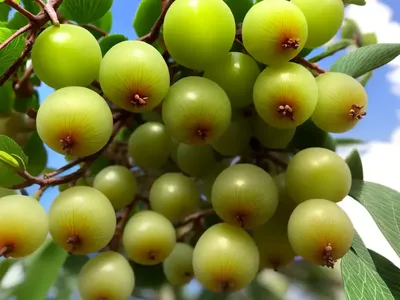
- Fruit: The fruit of Bridelia is a small, round, and fleshy drupe, often turning reddish when ripe.
Bridelia Micrantha Description
The description of Bridelia micrantha encompasses its physical attributes, growth habits, and ecological niche. Understanding its description is crucial in comprehending its role in the natural ecosystem and its potential uses.
Physical Features: Bridelia micrantha is a tall tree with a straight trunk, dense foliage, and a spreading crown. Its leaves are typically oval-shaped and smooth-textured, exuding a glossy appearance. The flowers are unassuming but give rise to attractive fruits, which are an important food source for various wildlife species.
Growth Habits: This species thrives in tropical and subtropical climates, preferring well-drained soils and ample sunlight. Its growth rate is moderate, making it an ideal tree for reforestation and afforestation efforts.
Ecological Niche: Bridelia micrantha plays an integral role in the ecosystem, providing food and shelter to numerous animal species. Its fruits are eagerly consumed by birds and mammals, aiding in seed dispersal and contributing to the regeneration of forests.
Bridelia Micrantha Taxonomy
Bridelia micrantha is classified under the following taxonomical hierarchy:
- Kingdom: Plantae
- Phylum: Angiosperms
- Class: Eudicots
- Order: Malpighiales
- Family: Phyllanthaceae
- Genus: Bridelia
- Species: Bridelia micrantha
Understanding the taxonomical placement of Bridelia micrantha allows us to explore its evolutionary relationships and genetic traits, aiding in conservation efforts and scientific research.
Bridelia Micrantha Medicinal Properties
The medicinal properties of Bridelia micrantha have been cherished by traditional healers and modern herbal medicine practitioners alike. This valuable plant offers a range of bioactive compounds and therapeutic potential, making it an important resource for healthcare and wellness.
Traditional Medicine Uses
In traditional medicine practices across Africa, various parts of Bridelia micrantha have been utilized for their medicinal benefits. The bark, leaves, and roots contain compounds with antimalarial, antimicrobial, and anti-inflammatory properties, making them instrumental in addressing a myriad of health concerns.
Phytochemical Components
Bridelia micrantha is rich in phytochemicals such as alkaloids, flavonoids, tannins, and saponins, which contribute to its pharmacological activities. These bioactive constituents have garnered interest from researchers and pharmaceutical professionals, spurring investigations into their potential applications in modern medicine.
Ethnobotanical Knowledge
The ethnobotanical knowledge surrounding Bridelia micrantha is a testament to the deep-rooted connection between humans and plants. Through generations, indigenous communities have passed down their wisdom regarding the uses of Bridelia in treating fevers, wounds, and gastrointestinal ailments, showcasing its enduring cultural significance.
Bridelia Micrantha Uses
The uses of Bridelia micrantha extend beyond its medicinal properties, encompassing ecological, cultural, and landscaping applications. This plant serves as a versatile resource, offering benefits to both wildlife and human populations.
Ecological Importance
Bridelia micrantha contributes to the biodiversity of its habitat, attracting a plethora of fauna that rely on its fruits and shelter. Its role in stabilizing soil and preventing erosion further underscores its ecological significance, making it a valuable component of natural ecosystems.
Ethnobotanical Uses
In addition to its medicinal uses, Bridelia micrantha holds cultural and ethnobotanical significance within indigenous societies. Rituals, ceremonies, and traditional practices often incorporate various parts of the plant, highlighting its symbolic value and historical relevance.
Landscaping and Ornamental Value
Gardeners and landscape enthusiasts prize Bridelia micrantha for its ornamental attributes, using it to create visually appealing green spaces. Its dense foliage, elegant form, and attractive fruits make it a desirable addition to gardens and parks, enhancing the aesthetic appeal of outdoor environments.
Bridelia Micrantha Habitat
The natural habitat of Bridelia micrantha encompasses diverse ecosystems within the African continent, where it thrives in specific climatic and environmental conditions. Understanding its habitat requirements is crucial for its conservation and sustainable utilization.
Distribution
Bridelia micrantha exhibits a wide distribution across sub-Saharan Africa, with populations occurring in countries such as Nigeria, Ghana, Cameroon, and Uganda. Its adaptability to varying habitats has contributed to its prevalence in different regions, from dense forests to savannas.
Habitat Preferences
This species displays a preference for tropical and subtropical climates, where it can access abundant sunlight, well-drained soils, and consistent moisture. It is commonly found in woodland areas, riverine forests, and transitional zones between forest and grassland.
Wildlife Interaction
As an essential component of the ecosystem, Bridelia micrantha interacts with a diverse array of wildlife species. Birds, primates, and small mammals are known to feed on its fruits, with several insects and pollinators engaging with its flowers, illustrating its role in supporting biodiversity.
Bridelia Micrantha Growth Conditions
To facilitate the optimal growth of Bridelia micrantha, it is essential to provide favorable conditions that align with its natural preferences. By understanding its growth requirements, individuals and conservation initiatives can ensure its vitality and longevity.
Sunlight Needs
Bridelia micrantha thrives in full sunlight, utilizing this vital energy source for photosynthesis and overall development. When cultivated in areas with limited sunlight, its growth and fruit production may be compromised, emphasizing the importance of ensuring adequate light exposure.
Water Requirements
Moderate to ample water availability is conducive to the healthy growth of Bridelia micrantha. While it can tolerate short periods of drought, consistent moisture levels are beneficial, particularly during its establishment phase and in arid climates.
Soil Preferences
Well-drained, loamy soils are ideal for Bridelia micrantha, allowing for proper root development and nutrient uptake. It demonstrates a degree of adaptability to different soil types but thrives best in soils with good drainage properties.
Fertilization
Supplemental fertilization can enhance the growth and vigor of Bridelia micrantha, particularly in nutrient-deficient soils or when cultivated in urban environments. A balanced, slow-release fertilizer applied in the early growing season can provide the necessary nutrients for optimal performance.
Bridelia Micrantha Care Tips
Caring for Bridelia micrantha involves a combination of attentive practices aimed at promoting its health, resilience, and overall well-being. By adhering to specific care guidelines, individuals can contribute to the success of this remarkable plant.
Pruning
Pruning serves as a beneficial maintenance practice for Bridelia micrantha, enabling the removal of dead or diseased branches, shaping its canopy, and promoting proper air circulation. Regular pruning can help maintain its form and structure while reducing the risk of pest infestations.
Bridelia Micrantha Propagation Methods
The propagation of Bridelia micrantha can be achieved through various methods, each offering unique advantages and considerations. By understanding these propagation techniques, individuals can expand its presence and contribute to conservation efforts.
Seed Propagation
Collecting and sowing seeds is a common method of propagating Bridelia micrantha. The seeds should be sourced from healthy, mature fruits, and sown in well-prepared seed beds or containers to facilitate germination. Seed propagation allows for the production of genetically diverse individuals and supports reforestation initiatives.
Vegetative Propagation
Vegetative propagation techniques, such as stem cuttings and air layering, can be employed to propagate Bridelia micrantha. These methods enable the replication of desirable traits and the rapid multiplication of selected genotypes, making them valuable for horticultural and agroforestry purposes.
Bridelia Micrantha Benefits
The benefits of Bridelia micrantha are multifaceted, encompassing ecological, medicinal, and cultural dimensions. Its diverse array of contributions underscores its value as a resource and highlights the significance of its conservation.
Ecological Benefits
Bridelia micrantha contributes to ecosystem functioning by providing food and habitat for wildlife, supporting soil stability, and participating in nutrient cycling. Its presence enhances the resilience of ecosystems and promotes overall biodiversity.
Medicinal Benefits
The medicinal benefits of Bridelia micrantha play a pivotal role in healthcare and traditional healing systems. Its ability to address various ailments and provide therapeutic relief underscores its importance as a source of natural medicine.
Cultural Significance
Embedded within the traditions and beliefs of indigenous communities, Bridelia micrantha holds cultural significance and is deeply intertwined with rituals, folklore, and traditional practices. Its cultural value adds a layer of symbolic and historical importance to its existence.
Bridelia Micrantha Properties
The properties of Bridelia micrantha encompass its physical, chemical, and ecological attributes, offering a comprehensive understanding of its character and potential uses.
Physical Properties
Bridelia micrantha boasts a tall, evergreen stature with glossy leaves, greenish-white flowers, and small, fleshy fruits. Its physical properties contribute to its ornamental appeal and ecological functionality.
Chemical Properties
The chemical properties of Bridelia micrantha are manifested through its bioactive compounds, secondary metabolites, and phytochemical constituents. These properties underpin its medicinal, antimicrobial, and antioxidant activities, offering a reservoir of natural products.
Ecological Properties
Ecologically, Bridelia micrantha supports diverse plant and animal communities, influencing soil health, hydrological processes, and ecosystem dynamics. Its properties contribute to the resilience and sustainability of natural landscapes.
Bridelia Micrantha Ethnobotany
Ethnobotanical knowledge surrounding Bridelia micrantha is rooted in centuries-old traditions, encompassing its uses, beliefs, and practices within human cultures. Exploring its ethnobotanical context unveils the intricate relationship between people and plants.
Traditional Uses
Throughout history, Bridelia micrantha has been utilized in diverse traditional practices, including medicinal treatments, ritualistic ceremonies, and symbolic associations. These traditional uses form an integral part of the ethnobotanical heritage of various communities.
Folklore and Cultural Significance
Folklore and cultural significance are woven into the narratives surrounding Bridelia micrantha, reflecting its mythological, spiritual, and practical roles within societal frameworks. Its presence in folklore enriches the cultural tapestry of regions where it is found.
Ethnobotanical Conservation
Conservation efforts intertwined with ethnobotany aim to preserve not only the plant species but also the cultural wisdom and knowledge associated with it. Bridelia micrantha serves as a focal point for such endeavors, embodying the intersection of ecology and human heritage.
Bridelia Micrantha Endangered Status
The status of Bridelia micrantha in terms of conservation is an important consideration, especially in light of potential threats and challenges that it may face in its natural environment. Evaluating its conservation status allows for targeted efforts to safeguard its future.
Conservation Assessment
Bridelia micrantha is under scrutiny from conservation organizations and researchers to determine its vulnerability to factors such as habitat loss, overexploitation, and climate change. These assessments inform conservation strategies and prioritize actions to mitigate risks.
Conservation Efforts
Organizations and initiatives are actively engaged in conservation efforts focused on preserving Bridelia micrantha and its associated habitats. These efforts encompass habitat restoration, community engagement, and policy advocacy to ensure the sustained existence of the species.
Endangered Considerations
While Bridelia micrantha may not currently be classified as endangered, its susceptibility to external pressures requires proactive measures to prevent future endangerment. By recognizing its ecological importance and cultural value, conservation stakeholders can work towards its long-term protection.
Bridelia Micrantha Ecology
The ecological role of Bridelia micrantha spans various dimensions within natural ecosystems, influencing biodiversity, ecosystem dynamics, and environmental stability. Understanding its ecological interactions provides insight into its broader significance.
Wildlife Habitat
The dense foliage and abundant fruits of Bridelia micrantha create a valuable habitat for a range of wildlife species, including birds, mammals, and insects. Its presence contributes to the ecological network within its environment, facilitating species interactions and ecological connectivity.
Soil Stabilization
As a woody perennial, Bridelia micrantha participates in soil stabilization through its root system and organic inputs. Its presence helps prevent soil erosion and contributes to the maintenance of soil structure, supporting the overall health of terrestrial ecosystems.
Nutrient Cycling
Bridelia micrantha plays a role in nutrient cycling, releasing organic matter and facilitating the decomposition process within forest and woodland habitats. Its ecological contribution extends to nutrient availability and cycling, influencing the productivity of surrounding ecosystems.
Bridelia Micrantha Distribution
The distribution of Bridelia micrantha encompasses specific regions and habitats within the African continent, reflecting its adaptability and ecological niche. Understanding its distribution provides insights into its potential range and occurrence.
Geographic Range
Bridelia micrantha is distributed across sub-Saharan Africa, where it is found in countries such as Nigeria, Cameroon, Ghana, and Uganda. Its range extends across varied climatic zones, from humid forests to savannas, demonstrating its ecological versatility.
Habitat Range
Within its geographic distribution, Bridelia micrantha occupies diverse habitats, including riverine forests, gallery forests, and transitional zones between forest and grassland. Its adaptability to different habitat types contributes to its prevalence in specific ecological niches.
Range Dynamics
The dynamics of Bridelia micrantha’s range are influenced by ecological factors, climatic fluctuations, and anthropogenic activities. Mapping its range dynamics provides valuable information for conservation planning and understanding its response to environmental changes.
Bridelia Micrantha Natural Habitat
The natural habitat of Bridelia micrantha encompasses a range of ecologically distinct environments characterized by specific climatic, edaphic, and vegetative features. Exploring its natural habitat offers a glimpse into its evolutionary context and ecological associations.
Forest Environments
Bridelia micrantha thrives in forested landscapes, particularly exhibiting an affinity for riverine forests and moist woodland areas. These habitats provide the necessary conditions for its growth, reproduction, and ecological interactions.
Gallery Forests
Within its natural habitat, Bridelia micrantha occurs in gallery forests lining watercourses and riparian areas. These transitional zones between forest and open terrain offer a unique microclimate and support diverse plant and animal communities.
Savanna and Woodland Zones
In addition to forests, Bridelia micrantha is also found in savanna and woodland zones, where it contributes to the structural and functional diversity of these ecosystems. Its presence in open habitats showcases its ecological adaptability and broad habitat range.
Bridelia Micrantha Growth Rate
The growth rate of Bridelia micrantha influences its development, canopy formation, and reproductive cycles, shaping its ecological role in natural environments. Understanding its growth rate aids in predicting its phenological patterns and population dynamics.
Moderate Growth
Bridelia micrantha exhibits a moderate growth rate, characterized by steady vegetative expansion and incremental increases in height and canopy size. Its growth rate aligns with the typical patterns observed in long-lived woody species.
Phenological Transitions
Throughout its growth cycle, Bridelia micrantha undergoes phenological transitions marked by leaf flush, flowering, fruiting, and periods of dormancy. These transitions are influenced by seasonal cues and environmental stimuli, reflecting its adaptation to local conditions.
Reproductive Maturity
Reproductive maturity in Bridelia micrantha is reached after several years, at which point it begins producing flowers and fruits. This stage marks a significant milestone in its life cycle, contributing to seed dispersal and regeneration within its habitat.
Bridelia Micrantha Flowering Season
The flowering season of Bridelia micrantha signifies a period of reproductive activity and biological interactions within its ecological community. Exploring its flowering season provides insights into its phenology and pollination dynamics.
Seasonal Flowering
Bridelia micrantha typically exhibits seasonal flowering, with specific periods characterized by the emergence of inflorescences and floral abundance. The timing of its flowering season is influenced by environmental cues and climatic variations.
Floral Morphology
The flowers of Bridelia micrantha are small, greenish-white, and arranged in clusters, imparting a subtle yet attractive display. Their morphology reflects adaptations for insect pollination and the production of viable seeds.
Pollinator Interactions
During its flowering season, Bridelia micrantha engages with a diversity of pollinators, including insects such as bees, butterflies, and flies. These interactions contribute to its reproductive success and genetic diversity, emphasizing the importance of pollinator conservation.
Bridelia Micrantha Fruit Characteristics
The fruit characteristics of Bridelia micrantha are notable for their role in dispersal, wildlife interactions, and ecological connectivity. Understanding its fruit traits sheds light on its reproductive strategy and ecosystem contributions.
Fruit Type
Bridelia micrantha produces small, rounded fruits known as drupes, which are fleshy and often turn reddish when ripe. The drupes encapsulate seeds that are valuable for wildlife and contribute to the plant’s regeneration.
Seed Dispersal
The fruits of Bridelia micrantha are consumed by various animal species, serving as a food source and aiding in seed dispersal. Birds, mammals, and even reptiles participate in the dispersal of its seeds, contributing to its spatial distribution.
Nutritional Value
The nutritional value of Bridelia micrantha fruits extends to their composition of sugars, lipids, and essential nutrients. These nutritive components attract wildlife that rely on them for sustenance, creating mutualistic relationships within the ecosystem.
Bridelia Micrantha Leaf Morphology
The leaf morphology of Bridelia micrantha encompasses its physical attributes, functional adaptations, and ecological roles within its habitat. Exploring its leaf characteristics unveils its photosynthetic capabilities and environmental interactions.
Leaf Shape and Size
The leaves of Bridelia micrantha are typically oval-shaped, with smooth margins and a glossy, dark-green appearance. Their size and shape contribute to its overall canopy structure and the efficiency of light capture for photosynthesis.
Photosynthetic Function
As the primary sites for photosynthesis, the leaves of Bridelia