Brazilian Red-cloak (Megaskepasma Erythrochlamys)
The world is abundant in colorful, diverse flora, and the Brazilian Red-cloak (Megaskepasma Erythrochlamys) is a striking example. Its vibrant red bracts.
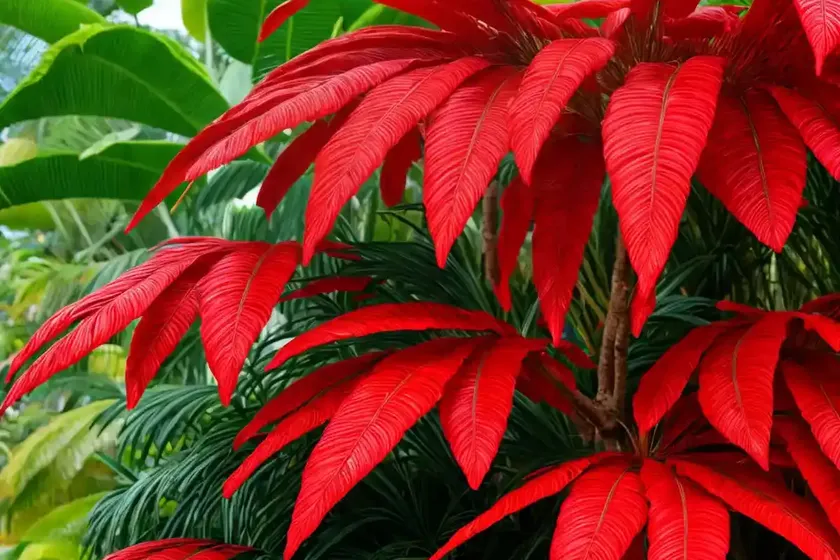
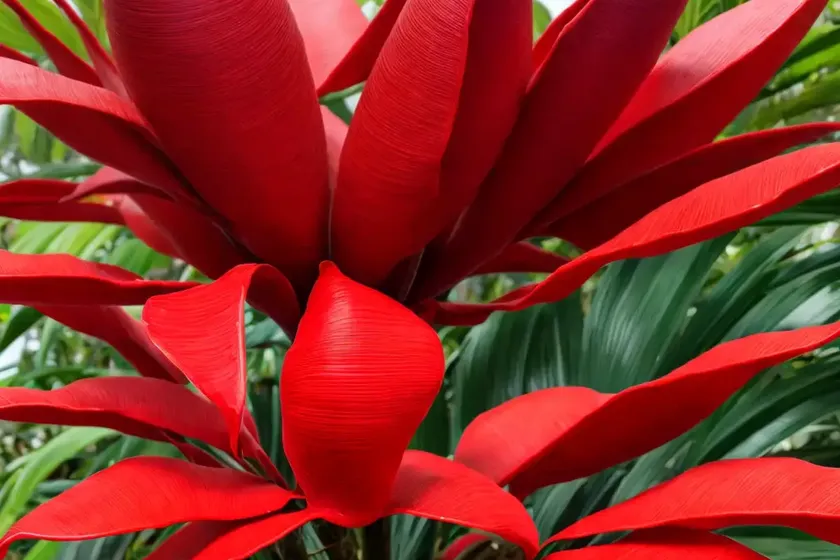
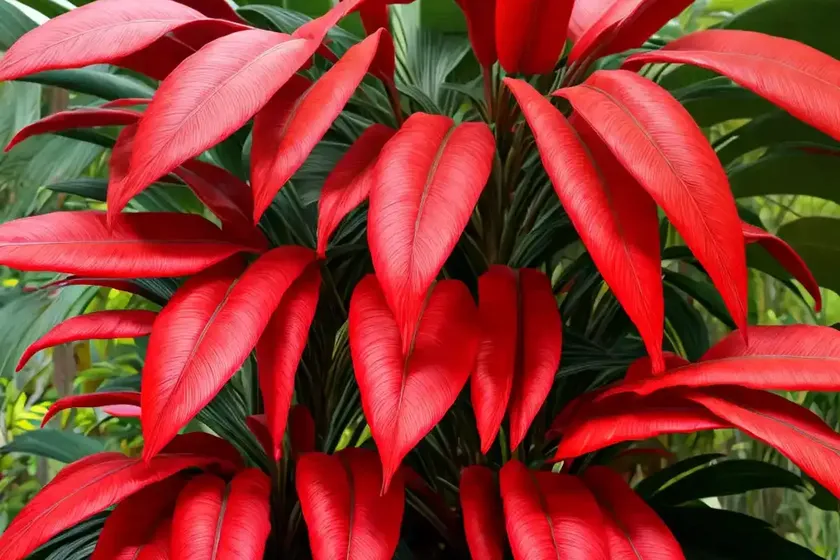
The world is abundant in colorful, diverse flora, and the Brazilian Red-cloak (Megaskepasma Erythrochlamys) is a striking example. Its vibrant red bracts, lush green foliage, and tropical origin make it a desirable addition to gardens and landscapes worldwide. In this comprehensive guide, we’ll explore the intricacies of the Brazilian Red-cloak, from its cultural significance to its ecological role and care requirements.
What is the Brazilian Red-cloak Plant?
The Brazilian Red-cloak, scientifically known as Megaskepasma Erythrochlamys, is a tropical evergreen shrub that belongs to the Acanthaceae family. It is native to the lush rainforests of Brazil and is renowned for its vibrant and eye-catching flowers. The plant is characterized by its large, striking red bracts that resemble flowers, with the actual flowers being small and white nestled within the bracts.
Key Takeaways:
Let’s delve into some of the key takeaways about the Brazilian Red-cloak:
- The Brazilian Red-cloak, or Megaskepasma Erythrochlamys, is a tropical evergreen shrub native to the Brazilian rainforests.
- Its most striking feature is its large, red bracts that resemble flowers, making it a popular ornamental plant.
- The plant holds cultural significance and is used in traditional medicine and folklore in Brazil.
- In cultivation, it requires well-draining soil, ample sunlight, and regular watering to thrive.
- Brazilian Red-cloak is susceptible to certain diseases and pests, and proper care and maintenance are essential for its health.
Now that we have an overview, let’s dive into the various aspects of Brazilian Red-cloak cultivation, uses, and care.
Culture of the Brazilian Red-cloak
Uses
The Brazilian Red-cloak holds significant cultural and traditional importance in Brazil. Beyond its ornamental value, it has been utilized in traditional medicine and folklore. The leaves and sometimes the bracts of the plant are used in herbal remedies to treat various ailments. Its striking appearance has also led to its inclusion in floral arrangements and ornamental displays.
Water
As a tropical plant, the Brazilian Red-cloak thrives in moist, well-draining soil. While it is important to keep the soil consistently moist, it is equally crucial to prevent waterlogging, which can lead to root rot. During the growing season, regular watering is essential, and the plant may require more frequent watering in hot and dry conditions. In winter or drier climates, it is advisable to reduce the frequency of watering to prevent waterlogged soil.
Sunlight
Ample sunlight is vital for the optimal growth and blooming of the Brazilian Red-cloak. It thrives in bright, indirect light or partial shade. When grown indoors, it should be placed in a location that receives plenty of natural light. Outdoors, it can be planted in areas with partial shade, especially during the hottest parts of the day.
Fertilizer
Fertilizing the Brazilian Red-cloak can enhance its growth and flowering. During the active growing season, which typically spans from spring to early fall, a balanced, water-soluble fertilizer can be applied every four to six weeks. It is essential to avoid over-fertilization, as this can lead to excessive vegetative growth at the expense of flowering.
Soil
The ideal soil for Brazilian Red-cloak cultivation is rich, well-draining, and slightly acidic. A mix of peat moss, perlite, and organic compost can create a favorable growing medium. It is crucial to ensure proper drainage to prevent waterlogging, which can be detrimental to the plant’s health.
Pruning
Pruning plays a significant role in maintaining the Brazilian Red-cloak’s appearance and health. Regular pruning helps to shape the plant, remove any dead or diseased growth, and encourage new growth and flowering. Pruning can be conducted after the flowering season to maintain the plant’s form and size, and any leggy or overgrown branches can be trimmed to promote a bushier, more compact growth habit.
Propagation
The Brazilian Red-cloak can be propagated through stem cuttings, which should be taken from healthy, actively growing plants. The cuttings should be placed in a well-draining potting mix and kept in a warm, humid environment until they develop roots. Once rooted, they can be transplanted into individual containers or outdoor locations.
Container Popularity
Due to its ornamental value and manageable size, the Brazilian Red-cloak is popular for container gardening. It can thrive in containers placed on patios, balconies, or indoor spaces, bringing a touch of tropical elegance to any setting.
Common Diseases and Pests
Disease Diagnosis
While the Brazilian Red-cloak is relatively resilient, it can be susceptible to certain diseases such as leaf spots, powdery mildew, and root rot. To diagnose and address these issues, it is essential to monitor the plant closely for any signs of discoloration, wilting, or abnormal growth. Proper air circulation and adequate watering practices can help prevent many common diseases.
Common Pests
Aphids, scale insects, and spider mites are among the common pests that can affect the Brazilian Red-cloak. Regular inspection of the plant can help detect pest infestations early, allowing for appropriate measures to be taken, such as using insecticidal soaps or horticultural oils to control and prevent further infestations.
Botanist’s Tips
As a plant scientist, I’ve encountered various tropical plants in my research and fieldwork, and the Brazilian Red-cloak stands out for its remarkable beauty and versatility. Here are a few expert tips for nurturing this tropical marvel:
-
Humidity Control: Brazilian Red-cloak thrives in high humidity, making it a perfect candidate for terrariums or indoor spaces with controlled humidity levels. Regular misting or placing a humidifier nearby can help create an ideal environment for the plant.
-
Protect from Drafts: While the plant requires good air circulation, it is essential to shield it from direct drafts, as exposure to strong, cold drafts can lead to stress and potential damage.
-
Regular Inspection: Monitoring the plant for any signs of diseases or pests is crucial. Early detection allows for timely intervention and prevents issues from escalating.
-
Balanced Fertilization: Avoid excessive application of fertilizers, especially those high in nitrogen, as this can lead to lush vegetative growth at the expense of flowering.
Fun Facts
- The Brazilian Red-cloak’s vibrant red bracts make it a favorite among hummingbirds and butterflies, attracting them to the garden or landscape.
- In its native habitats, the plant is often utilized for its medicinal properties by indigenous communities, showcasing the diverse traditional uses of tropical flora.
- The striking appearance of the plant has contributed to its inclusion in Brazilian folklore and traditions, where it is often associated with vitality and energy.
Links to External Resources
If you’re interested in delving deeper into the world of the Brazilian Red-cloak, the following resources provide valuable insights and information:
-
Brazilian Red-cloak: A Tropical Gem in the Garden – Gardening With Tropical Plants
-
Brazilian Flora and Fauna Conservation – World Wildlife Fund
By exploring these resources, you can gain a deeper understanding of the Brazilian Red-cloak’s ecological significance, traditional uses, and cultivation techniques.
In conclusion, the Brazilian Red-cloak (Megaskepasma Erythrochlamys) exemplifies the captivating beauty and cultural significance of Brazilian flora. From its vibrant red bracts to its traditional uses and ecological role, this tropical plant offers a rich tapestry of attributes to explore and appreciate. Whether it graces a garden, balcony, or indoor space, the Brazilian Red-cloak stands as a testament to the lush biodiversity and natural splendor of Brazil’s rainforests. With proper care and appreciation for its cultural heritage, this tropical marvel continues to enchant plant enthusiasts and conservationists alike.