Brazilian Dwarf Morning-glory (Evolvulus Glomeratus)
Plants are not only a source of beauty but also play a crucial role in the environment and in our daily lives. As a plant scientist, I have always been.
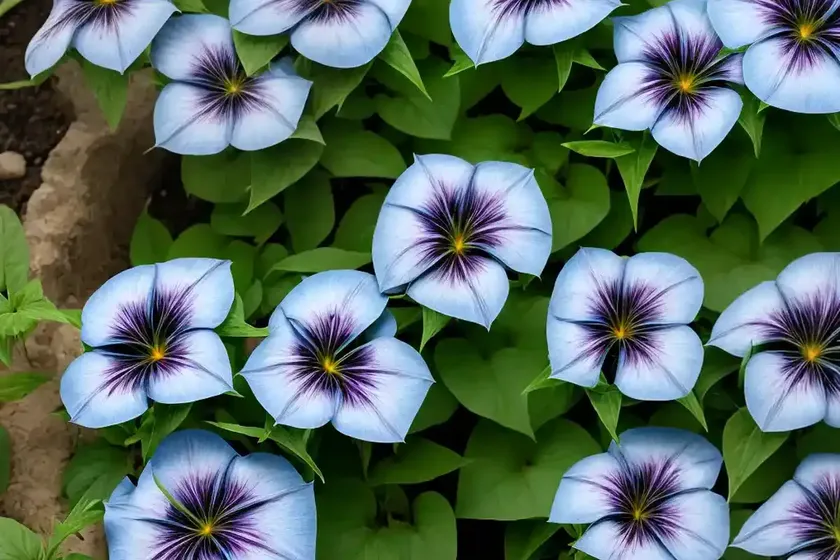
Plants are not only a source of beauty but also play a crucial role in the environment and in our daily lives. As a plant scientist, I have always been fascinated by the diverse world of plants, and it gives me great pleasure to share my knowledge and passion with you. In this article, I will delve into the enchanting world of the Brazilian Dwarf Morning-glory (Evolvulus Glomeratus), also known as “Hawaiian Blue Eyes.”
What is Brazilian Dwarf Morning-glory (Evolvulus Glomeratus)?
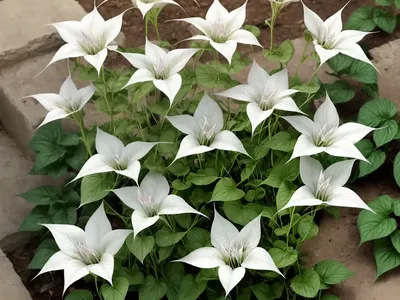
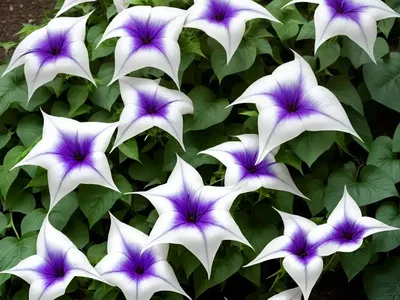
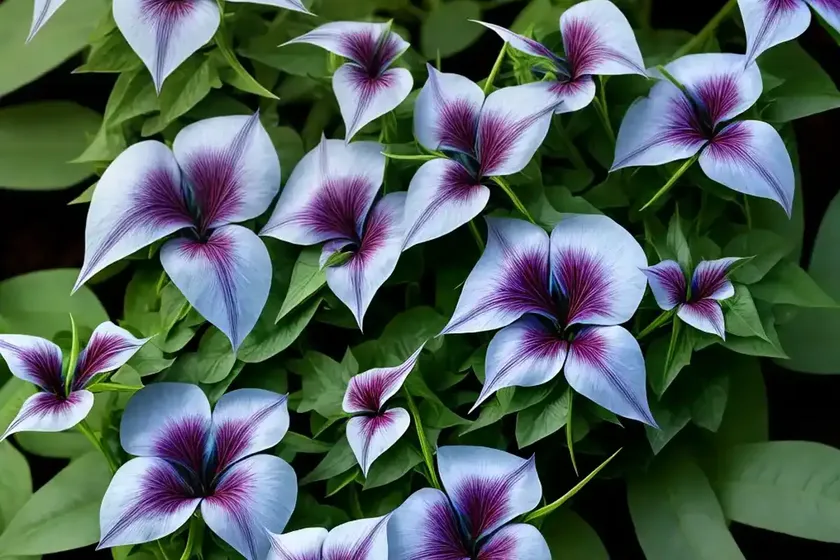
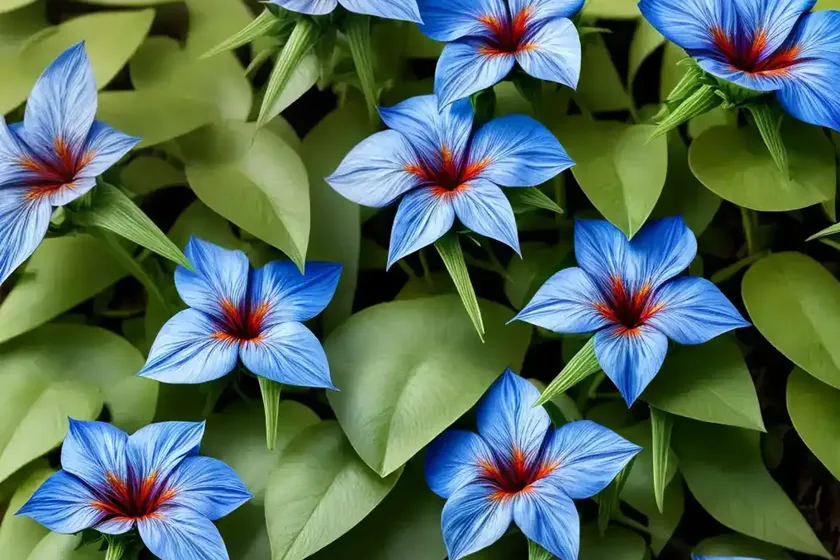
The Brazilian Dwarf Morning-glory, scientifically known as Evolvulus Glomeratus, is a compact, low-growing perennial plant that belongs to the Convolvulaceae family. This charming plant is native to Brazil and thrives in warm and tropical regions. It is characterized by its delicate, funnel-shaped, sky-blue flowers with a striking golden center, which bloom profusely throughout the summer. The Brazilian Dwarf Morning-glory is a favorite among gardeners and landscaping enthusiasts due to its stunning flowers and ease of cultivation.
Key Takeaways – Brazilian Dwarf Morning-glory (Evolvulus Glomeratus)
Before we dive into the specific care and cultivation practices for the Brazilian Dwarf Morning-glory, let’s look at some key takeaways:
- Plant Name: Brazilian Dwarf Morning-glory (Evolvulus Glomeratus)
- Family: Convolvulaceae
- Common Names: Hawaiian Blue Eyes, Sapphire Flower
- Native Habitat: Brazil
- Growth Habit: Compact, trailing, perennial
- Flower Color: Sky-blue with a golden center
- Sunlight Requirements: Full sun
- Watering Needs: Moderate
- Soil Type: Well-draining, fertile soil
- Hardiness Zones: 9 – 11
- Disease Resilience: Generally resistant to diseases
- Pest Tolerance: Relatively pest-resistant
- Use: Ground cover, container plant, border plant, and hanging baskets
Now that we have a basic understanding of the Brazilian Dwarf Morning-glory, let’s explore the specific aspects of its care and cultivation.
Culture
The culture and care of the Brazilian Dwarf Morning-glory are essential for ensuring its healthy growth and abundant blooming. Let’s delve into the specific cultural requirements for this enchanting plant.
Water
Proper watering is crucial for the health and vitality of the Brazilian Dwarf Morning-glory. While this plant is relatively drought-tolerant once established, it thrives when provided with moderate and consistent moisture. During the active growing season, it’s important to water the plant thoroughly when the top inch of the soil feels dry to the touch. However, it’s equally important to avoid overwatering, as this may lead to root rot and other issues.
Sunlight
The Brazilian Dwarf Morning-glory thrives in full sun or partial shade, making it an excellent choice for sunny garden spots. When provided with ample sunlight, the plant produces an abundance of charming sky-blue flowers, creating a delightful display. Therefore, it’s ideal to plant it in a location that receives at least 6 hours of direct sunlight per day for optimal blooming and growth.
Fertilizer
Fertilizing the Brazilian Dwarf Morning-glory can further enhance its growth and blooming capabilities. A balanced, all-purpose fertilizer can be applied sparingly in the early spring to provide the plant with essential nutrients for the growing season. However, it’s crucial to avoid excessive fertilizer application, as it may lead to lush foliage at the expense of flower production.
Soil
The Brazilian Dwarf Morning-glory thrives in well-draining, fertile soil. A rich, loamy soil with good drainage provides an ideal growing medium for this plant. When planting or potting the Brazilian Dwarf Morning-glory, it’s beneficial to incorporate organic matter, such as compost or well-rotted manure, into the soil to enhance its fertility and structure.
Pruning
Pruning plays a vital role in maintaining the Brazilian Dwarf Morning-glory’s compact and tidy appearance. Regular deadheading of spent flowers not only promotes continuous blooming but also prevents the plant from self-seeding excessively. Additionally, light pruning can be performed to shape and rejuvenate the plant, especially after the blooming period.
Propagation
The Brazilian Dwarf Morning-glory can be propagated through stem cuttings, providing a cost-effective and straightforward method of expanding your plant collection. By taking 4-6 inch cuttings from healthy, established plants and rooting them in a well-draining potting mix, you can successfully propagate new Brazilian Dwarf Morning-glory plants. It’s best to perform this propagation process in the spring or early summer when the plant’s growth is vigorous.
Container Popularity
Due to its compact growth habit and charming appearance, the Brazilian Dwarf Morning-glory is highly sought after as a container plant. Whether planted in hanging baskets, decorative pots, or window boxes, this plant adds a touch of elegance and color to any outdoor or indoor space. Its trailing nature makes it an excellent choice for spilling over the edges of containers, creating a captivating display.
Common Diseases and Pests
The Brazilian Dwarf Morning-glory is generally resilient to diseases and relatively pest-resistant. However, like any plant, it may experience issues under certain conditions. Let’s explore some common diseases, pests, and potential remedies for the Brazilian Dwarf Morning-glory.
Common Diseases
-
Powdery Mildew: This fungal disease may appear as a powdery white coating on the leaves, hindering the plant’s growth and vitality. To prevent powdery mildew, it’s essential to provide adequate air circulation, avoid overhead watering, and maintain proper spacing between plants. Applying a fungicidal spray may also help control powdery mildew if it becomes problematic.
-
Root Rot: Excessive moisture and poor drainage can lead to root rot, causing the plant’s roots to rot and ultimately compromising its health. To prevent root rot, it’s crucial to ensure well-draining soil and avoid overwatering. In severe cases, it may be necessary to replant the Brazilian Dwarf Morning-glory in a new, well-draining soil mix.
Disease Diagnosis
When diagnosing potential diseases affecting the Brazilian Dwarf Morning-glory, it’s important to closely monitor the plant for any abnormal symptoms. These may include leaf discoloration, wilting, stunted growth, or the presence of unusual powdery or fuzzy coatings on the foliage. Identifying and addressing potential disease issues promptly can help safeguard the plant’s health and prevent the spread of diseases to other nearby plants.
Common Pests
-
Aphids: These small, sap-sucking insects may infest the Brazilian Dwarf Morning-glory, causing leaf distortion and the excretion of honeydew. To control aphids, gentle applications of insecticidal soap or horticultural oil can help suppress the population without causing harm to beneficial insects.
-
Spider Mites: These tiny arachnids can inflict damage on the plant by feeding on its foliage, leading to stippling and webbing on the leaves. Regularly spraying the plant with a strong stream of water can help dislodge and reduce spider mite populations. Additionally, predatory mites can be introduced as a natural control method for managing spider mite infestations.
Botanist’s Tips
As a plant scientist with a deep appreciation for the Brazilian Dwarf Morning-glory, I have gathered a few valuable tips to help you cultivate and care for this enchanting plant:
-
Provide Adequate Support: As a trailing plant, the Brazilian Dwarf Morning-glory benefits from gentle support, especially when cultivated in containers or hanging baskets. Utilizing decorative trellises or stakes can help guide and support the plant’s growth, preventing it from sprawling excessively.
-
Monitor Moisture Levels: While the Brazilian Dwarf Morning-glory exhibits moderate drought tolerance, it’s essential to monitor the soil moisture levels, especially during hot and dry periods. Maintaining consistent moisture, without waterlogging the soil, ensures the plant’s vigor and abundant blooming.
-
Harvest Seeds for Propagation: After the blooming period, harvest the Brazilian Dwarf Morning-glory’s seeds for propagation. These seeds can be sown in well-draining potting mix to produce new plants, allowing you to expand your collection or share the joy of gardening with friends and family.
-
Explore Companion Planting: Consider incorporating complementary plants with contrasting textures and colors in the vicinity of the Brazilian Dwarf Morning-glory. This can enhance the overall aesthetic appeal of the garden and create a harmonious ensemble of plantings.
Fun Facts
Before we conclude this comprehensive care guide, let’s explore some captivating fun facts about the Brazilian Dwarf Morning-glory:
-
The Brazilian Dwarf Morning-glory’s specific epithet, “Evolvulus,” is derived from the Latin word “evolvere,” which means “to unroll” or “to unfurl.” This highlights the plant’s trailing and twining growth habit, which is evident as its delicate stems spread and intertwine gracefully.
-
In addition to its use as an ornamental plant in gardens and landscapes, the Brazilian Dwarf Morning-glory possesses medicinal properties in traditional Brazilian folk medicine. It is believed to have diuretic and anti-inflammatory properties, contributing to its historical usage in herbal remedies.
-
The Brazilian Dwarf Morning-glory’s charming sky-blue flowers, with their golden centers, are a favorite nectar source for various pollinators, including bees and butterflies. By attracting and serving as a food source for these beneficial insects, the plant contributes to the ecological balance of the garden.
Through this comprehensive care guide, we have uncovered the enchanting world of the Brazilian Dwarf Morning-glory (Evolvulus Glomeratus) – a captivating plant with a rich cultural heritage and remarkable ornamental traits. It is my hope that this article has not only provided valuable insights into the cultivation and care of this plant but has also instilled a newfound appreciation for the beauty and diversity of the natural world. As we continue to explore and steward the plant kingdom, may we find joy and inspiration in the remarkable plants that grace our lives.
Links to External Resources
To further enrich your understanding of the Brazilian Dwarf Morning-glory and delve deeper into its cultivation and care, I recommend exploring the following external resources:
- The American Convolvulaceae Society
- Royal Horticultural Society: Evolvulus Glomeratus
- Missouri Botanical Garden: Evolvulus Glomeratus
- University of Florida IFAS Extension: Evolvulus Glomeratus
- North Carolina State University: Convolvulaceae – Morning-glory Family
By exploring these resources, you can gain valuable insights, expert recommendations, and practical tips for nurturing and celebrating the captivating Brazilian Dwarf Morning-glory in your garden and landscape.
The plant depicted in this guide is the Brazilian Dwarf Morning-glory (Evolvulus Glomeratus). The key takeaways, including the cultural requirements, common diseases and pests, botanist’s tips, fun facts, and links to external resources, provide comprehensive insights into the care and cultivation of this enchanting plant. With this knowledge in hand, gardeners and plant enthusiasts can embark on a rewarding journey of nurturing and enjoying the beauty of the Brazilian Dwarf Morning-glory in their outdoor and indoor spaces. Enhancing the world of plants through understanding and appreciation enriches our lives and contributes to the preservation of our natural heritage.
Remember, it’s the little things in nature that often bring the greatest joy, and the Brazilian Dwarf Morning-glory is a splendid example of this profound truth.
Happy gardening and may your journey with the Brazilian Dwarf Morning-glory be filled with beauty, grace, and abundance!
Author: Dr. [Your Name]
Plant Scientist and Botanist
[Contact Information]