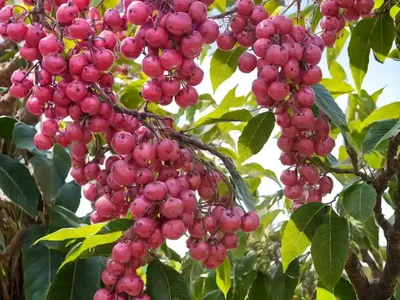
Brazil-cherry (Eugenia Uniflora)
Eugenia uniflora, commonly known as Brazil-Cherry, is an evergreen shrub or small tree that belongs to the Myrtaceae family. Native to South America.
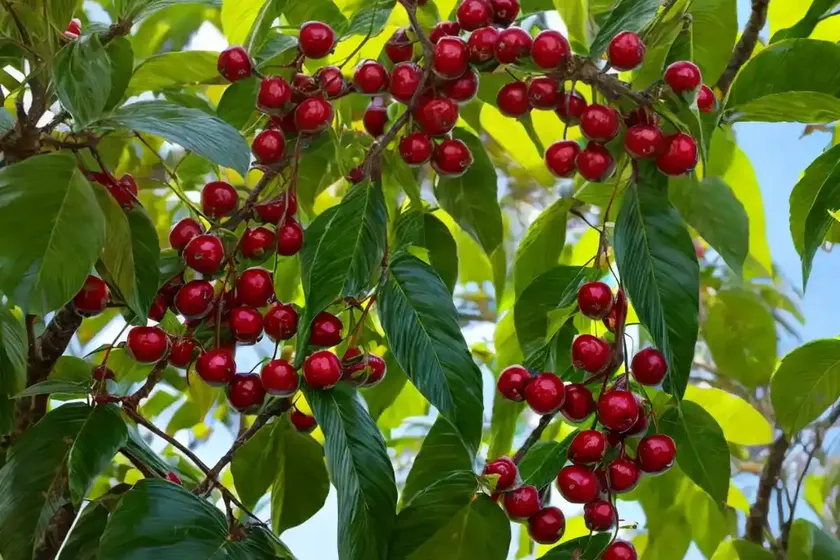
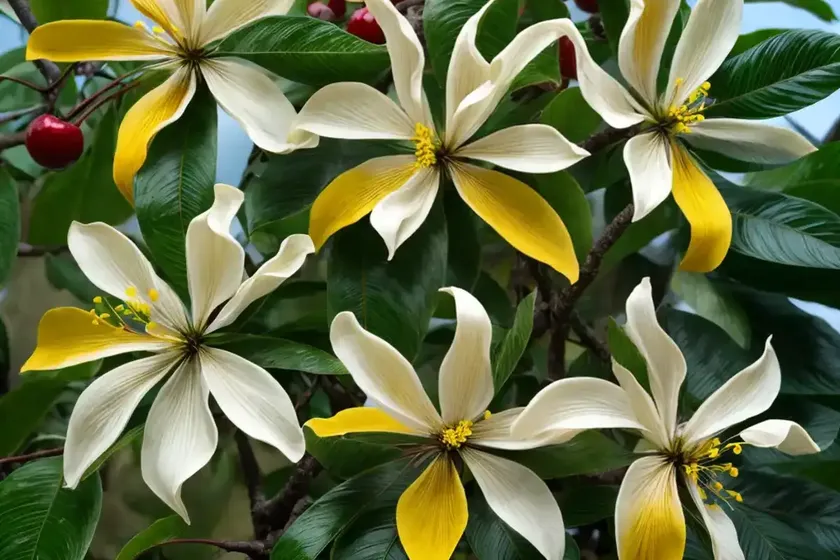
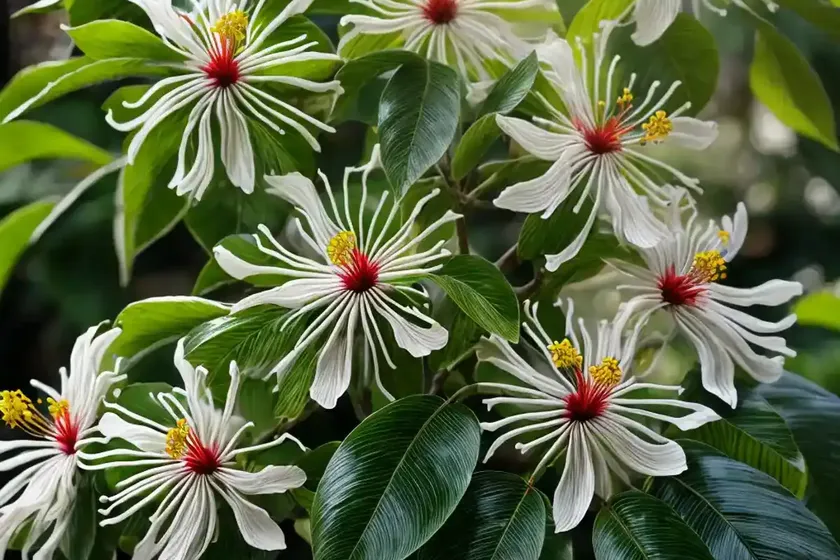
Eugenia uniflora, commonly known as Brazil-Cherry, is an evergreen shrub or small tree that belongs to the Myrtaceae family. Native to South America, particularly Brazil, Uruguay, and Argentina, it is known for its small, red, cherry-like fruits, and beautiful white flowers. This plant has garnered attention not only for its ornamental value but also for its culinary and medicinal uses. In this comprehensive guide, we will delve into the various aspects of Brazil-Cherry, including its cultural requirements, uses, care, and interesting facts.
Key Takeaways
Before we dive into the details, let’s look at some key takeaways about the Brazil-Cherry plant (Eugenia uniflora):
- Plant Name: Brazil-Cherry (Eugenia uniflora)
- Common Names: Brazilian Cherry, Pitanga
- Family: Myrtaceae
- Native To: South America (Brazil, Uruguay, Argentina)
- Fruit: Small, red, cherry-like
- Flowers: White, fragrant
- Uses: Culinary, medicinal, ornamental
- Cultural Requirements: Well-draining soil, full sun to partial shade, regular watering, and occasional fertilization
- Propagation: Seeds, cuttings
- Popularity: Widely cultivated in tropical and subtropical regions
- Common Diseases: Anthracnose, powdery mildew, root rot
- Common Pests: Fruit flies, aphids, scales
What is the Brazil-Cherry Plant (Eugenia uniflora)?
The Brazil-Cherry (Eugenia uniflora) is a species of flowering plant in the Myrtaceae family, which is renowned for its attractive foliage, fragrant flowers, and edible fruits. It is a slow-growing, evergreen shrub or small tree that has a compact and rounded form, reaching heights of up to 10 meters under favorable conditions.
Plant Morphology
The Brazil-Cherry plant is characterized by:
- Leaves: Glossy, dark green, oval-shaped leaves with a leathery texture.
- Flowers: Small, white, and highly fragrant flowers that bloom in clusters.
- Fruits: Small, round to oval-shaped fruits that resemble cherries, turning from green to bright red when ripe.
- Roots: Shallow, fibrous roots.
The plant’s lush foliage, showy flowers, and colorful fruits make it an excellent choice for ornamental and landscaping purposes.
Natural Habitat
Eugenia uniflora is native to the rainforests and subtropical regions of South America. It thrives in warm, humid climates with well-distributed rainfall. In its natural habitat, it can be found growing along stream banks, in forest clearings, and on hillsides.
Culture
Cultivating the Brazil-Cherry plant requires attention to its specific cultural requirements. By providing the right conditions, you can ensure the plant’s optimal growth and fruit production.
Water
Appropriate watering is crucial for the Brazil-Cherry plant, especially during its establishment phase and fruit development. Here are some important considerations regarding water requirements:
- Young Plants: Newly planted or germinated seeds require consistent moisture to aid in their establishment. Ensure that the soil is kept consistently moist but not waterlogged.
- Mature Plants: Once established, the Brazil-Cherry plant is relatively drought-tolerant, but regular watering can promote better fruit production and overall health. Water deeply, allowing the top layer of soil to dry out between watering sessions.
Sunlight
As a tropical plant, the Brazil-Cherry thrives in full sun to partial shade. When selecting a planting site or positioning the plant in a garden, consider the following sunlight requirements:
- Full Sun: Ideally, the plant should receive at least 6 to 8 hours of direct sunlight for optimal growth and fruit production.
- Partial Shade: In extremely hot climates, providing some protection from intense midday sun can prevent leaf scorch and help maintain the plant’s overall health.
Fertilizer
Regular fertilization can bolster the Brazil-Cherry plant’s growth and fruiting capacity. Consider the following fertilizer guidelines:
- Timing: Apply a balanced, slow-release fertilizer in early spring before the start of the growing season.
- Frequency: For young plants, fertilize every 4-6 weeks during the growing season. Mature plants may require fertilization two to three times per year.
- Fertilizer Type: Use a fertilizer formulated for fruiting shrubs or trees that contains essential nutrients such as nitrogen, phosphorus, and potassium.
Soil
The Brazil-Cherry plant thrives in well-draining, fertile soil with a slightly acidic to neutral pH. Consider the following soil requirements:
- Composition: A loamy, well-draining soil enriched with organic matter promotes healthy root development and overall plant vigor.
- pH Level: Aim for a slightly acidic to neutral pH range of 5.5 to 6.5 for optimal nutrient uptake.
Pruning
Pruning is essential for maintaining the Brazil-Cherry plant’s shape, promoting air circulation, and managing its overall size. Here are some key considerations for pruning:
- Timing: Prune the plant during the dormant season, preferably in late winter to early spring before new growth begins.
- Techniques: Remove dead or diseased branches, shape the plant to maintain a desirable form, and thin out crowded or crossing branches to improve airflow within the canopy.
Uses
The Brazil-Cherry plant is valued for its versatile uses, ranging from culinary applications to medicinal properties and ornamental appeal. Let’s explore its various uses in detail.
Culinary Uses
The small, red fruits of the Brazil-Cherry plant are prized for their sweet and tangy flavor. They can be consumed fresh or used in various culinary preparations, including:
- Jams and Jellies: The fruits are often cooked down to make flavorful jams, jellies, and preserves.
- Desserts: They can be used in pies, tarts, and desserts to add a unique tropical twist.
- Beverages: The fruits can be used to make refreshing juices, smoothies, and fruit-based cocktails.
Medicinal Properties
In traditional medicine and herbal remedies, various parts of the Brazil-Cherry plant have been utilized for their potential health benefits. Some of the reported medicinal properties include:
- Antioxidant Activity: The fruits are rich in antioxidants, which may contribute to their potential health-promoting properties.
- Vitamin C Content: The fruits are a good source of vitamin C, which is essential for immune function and overall health.
- Anti-inflammatory Effects: Certain compounds in the leaves and bark may possess anti-inflammatory properties.
Ornamental Value
Beyond its practical uses, the Brazil-Cherry plant is often cultivated for its ornamental appeal. The attractive foliage, fragrant flowers, and colorful fruits make it suitable for the following ornamental applications:
- Landscaping: It can be incorporated into tropical and subtropical garden landscapes to add visual interest and a pop of color.
- Container Planting: The plant’s compact size makes it well-suited for container gardening on patios, balconies, and other outdoor spaces.
- Hedging: With proper pruning, it can be shaped into a dense, attractive hedge.
Propagation
Propagation of the Brazil-Cherry plant can be achieved through several methods, including seeds and cuttings. Each method has its own set of considerations and requirements.
Seed Propagation
When propagating the Brazil-Cherry plant from seeds, consider the following steps:
- Seed Collection: Gather ripe, healthy fruits and extract the seeds from the pulp.
- Seed Preparation: Clean the seeds and allow them to dry for a day or two before sowing.
- Sowing: Plant the seeds in a well-draining seed-starting mix, covering them lightly with soil.
- Germination: Keep the soil evenly moist and maintain a warm, humid environment to encourage germination.
- Transplanting: Once the seedlings have developed several true leaves, they can be transplanted into larger containers or directly into the garden.
Cutting Propagation
Propagation from cuttings offers a more reliable and faster method of obtaining new Brazil-Cherry plants. Follow these basic steps for successful cutting propagation:
- Cutting Selection: Choose healthy, non-flowering shoots for taking cuttings, typically in late spring or early summer.
- Preparing Cuttings: Take 6-8 inch long cuttings, remove the lower leaves, and dip the cut ends in a rooting hormone.
- Planting: Insert the cuttings into a well-draining rooting medium, such as a mix of perlite and peat.
- Rooting: Keep the cuttings in a warm, humid environment and mist them regularly to promote root development.
- Transplanting: Once the cuttings have developed roots, they can be transplanted into larger containers or directly into the garden.
Popularity
The Brazil-Cherry plant has gained popularity not only for its ornamental value but also for its culinary and medicinal uses. It is widely cultivated in tropical and subtropical regions around the world, particularly in areas with favorable growing conditions.
Landscape Cultivation
In landscaping, the Brazil-Cherry plant is prized for its attractive foliage, showy flowers, and colorful fruits. It is often used in the following landscape settings:
- Tropical Gardens: It adds a tropical touch to garden landscapes, especially in regions with warm, humid climates.
- Mixed Borders: It can be incorporated into mixed borders and ornamental plantings for visual interest.
- Specimen Planting: As a stand-alone specimen, the Brazil-Cherry plant can draw attention with its unique characteristics.
Culinary Demand
The sweet and tangy fruits of the Brazil-Cherry plant have sparked culinary interest, contributing to its popularity among home gardeners, chefs, and fruit enthusiasts. The fruits are sought after for their distinctive flavor and versatility in the kitchen.
Medicinal Interest
The reported health benefits and medicinal properties associated with the Brazil-Cherry plant have led to a growing interest in its cultivation for potential therapeutic uses. Its antioxidant-rich fruits and other plant parts have garnered attention from herbalists, naturopaths, and health-conscious consumers.
Common Diseases
Despite its overall hardiness, the Brazil-Cherry plant is susceptible to certain diseases, particularly in conditions of high humidity and poor air circulation. Understanding and recognizing these diseases is essential for implementing effective disease management strategies.
Anthracnose
Anthracnose is a fungal disease that commonly affects the Brazil-Cherry plant, causing dark, sunken lesions on the fruits, leaves, and stems. Under favorable conditions, the disease can spread rapidly, leading to severe fruit rot and defoliation.
Powdery Mildew
Powdery mildew, caused by various fungal species, can appear as a white, powdery growth on the leaves and stems of the plant. It thrives in high humidity and can inhibit photosynthesis and stunt plant growth if left untreated.
Root Rot
Excessive soil moisture and poor drainage can predispose the Brazil-Cherry plant to root rot, which can manifest as wilting, yellowing leaves, and eventual collapse of the plant. This condition can be exacerbated by overwatering and poorly aerated soil.
Disease Diagnosis
Early detection and accurate diagnosis of plant diseases are crucial for implementing timely and effective control measures. When observing the Brazil-Cherry plant for signs of disease, consider the following diagnostic criteria:
- Symptom Observation: Pay attention to any abnormal spots, lesions, or growths on the leaves, stems, or fruits.
- Fruit Inspection: Examine the fruits for signs of rot, discoloration, or abnormal texture.
- Foliage Assessment: Check the overall appearance of the foliage, including leaf color, texture, and any signs of powdery growth.
Upon identifying potential disease symptoms, it is advisable to consult with a plant pathologist or extension specialist for accurate diagnosis and personalized recommendations for disease management.
Common Pests
In addition to diseases, the Brazil-Cherry plant can also be targeted by various pests that may compromise its growth and fruit production. Familiarizing yourself with these common pests and their control measures is essential for maintaining plant health.
Fruit Flies
Fruit flies are a common pest of the Brazil-Cherry plant, particularly when the fruits start to ripen. They can cause damage by laying eggs in the fruits, leading to infestations and fruit spoilage.
Aphids
Aphids are soft-bodied insects that feed on the sap of the plant, often congregating on the undersides of the leaves. Their feeding can cause leaf distortion, yellowing, and the transmission of certain plant viruses.
Scales
Scales are small, immobile pests that attach themselves to the stems and leaves, sucking the plant’s sap. Their presence can lead to weakened growth, yellowing foliage, and the excretion of sticky honeydew.
Botanist’s Tips
For enthusiasts and horticulturists looking to cultivate the Brazil-Cherry plant, here are some expert tips to ensure success:
- Site Selection: Choose a planting site that receives adequate sunlight and has well-draining soil to promote healthy growth and fruiting.
- Pruning Strategy: Regular pruning to remove dead or overcrowded branches and shape the plant can enhance its vigor and appearance.
- Fruit Harvesting: Wait until the fruits are fully ripe before harvesting to ensure optimal flavor and sweetness.
- Soil Moisture: While the plant is tolerant of brief dry spells, it is important to maintain consistent soil moisture, especially during fruit development.
Fun Facts
- The Brazil-Cherry plant is often referred to as “Pitanga” in Brazil, which is derived from the Tupi-Guarani word for “red.”
- In addition to its culinary and medicinal uses, the Brazil-Cherry plant has cultural significance in various South American traditions and folklore.
- The plant’s fragrant flowers are attractive to bees and other pollinators, contributing to ecosystem diversity and pollination.
Links to External Resources
For more in-depth information and resources on the Brazil-Cherry plant (Eugenia uniflora), consider exploring the following links:
- Eugenia uniflora Overview and Cultivation Guide
- Brazilian Cherry Plant Profile and Care Tips
- Medicinal Properties of Eugenia uniflora
- Ornamental Uses and Landscaping with Brazil-Cherry Plants
Conclusion
The Brazil-Cherry plant (Eugenia uniflora) stands out as a versatile and attractive addition to tropical and subtropical landscapes, offering not only ornamental beauty but also culinary delights and potential health benefits. By understanding its cultural requirements, uses, and diagnostic considerations, enthusiasts and gardeners can effectively cultivate and appreciate this remarkable plant.
Whether enjoyed for its sweet, flavorful fruits, fragrant flowers, or lush foliage, the Brazil-Cherry plant continues to captivate plant enthusiasts and nature lovers with its unique characteristics and ecological contributions.
Keywords: Eugenia uniflora plant, Brazil-Cherry tree, Brazilian cherry plant, Eugenia uniflora information, Eugenia uniflora care, Brazil-Cherry plant benefits, Brazilian cherry tree uses, Eugenia uniflora health benefits, Brazil-Cherry tree facts, Eugenia uniflora cultivation, Brazilian cherry plant care tips, Eugenia uniflora growing conditions, Brazil-Cherry tree varieties, Brazilian cherry tree pruning, Eugenia uniflora medicinal properties, Brazil-Cherry plant symbolism, Eugenia uniflora natural habitat, Brazilian cherry tree pests, Eugenia uniflora flowering season, Brazil-Cherry plant propagation methods, Brazilian cherry tree landscape uses, Eugenia uniflora water requirements, Brazil-Cherry plant climate suitability, Eugenia uniflora fruit characteristics, Brazilian cherry tree wildlife attraction, Eugenia uniflora plant diseases, Brazil-Cherry plant pruning techniques, Brazilian cherry tree pollination, Eugenia uniflora in traditional medicine, Brazil-Cherry plant food uses, Eugenia uniflora soil preferences, Brazilian cherry tree wood properties, Eugenia uniflora plant morphology, Brazil-Cherry plant companion plants, Eugenia uniflora in cooking recipes, Brazilian cherry tree cultural significance, Eugenia uniflora plant family, Brazil-Cherry plant container gardening, Eugenia uniflora ornamental uses, Brazil-Cherry tree saplings, Eugenia uniflora landscape design, Brazilian cherry tree climate adaptation, Eugenia uniflora plant pests and diseases, Brazil-Cherry plant indoor cultivation, Eugenia uniflora seasonal care guide, Brazilian cherry tree pollinators, Eugenia uniflora ethnobotanical uses, Brazil-Cherry plant fruit recipes, Eugenia uniflora traditional uses, Brazilian cherry tree shade tolerance**