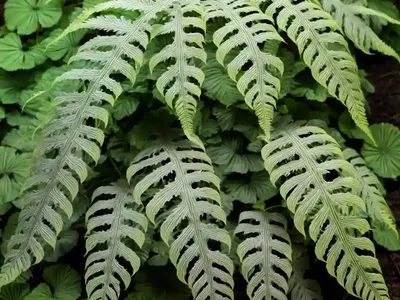
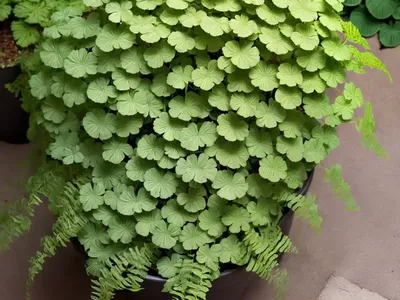
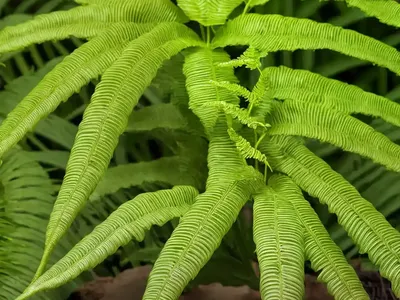
Braun’s Holly Fern (Polystichum Braunii)
As a plant scientist, I have always been fascinated by the diversity and resilience of the plant kingdom. One particular plant that stands out for its.
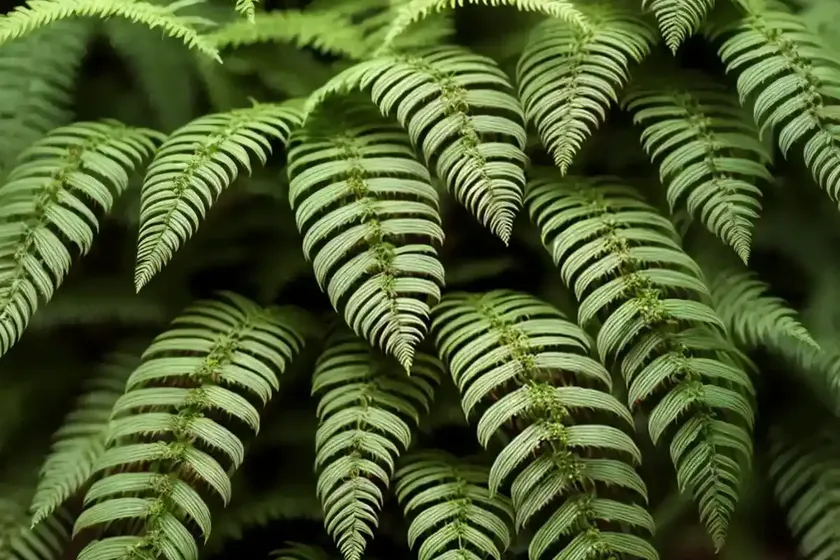
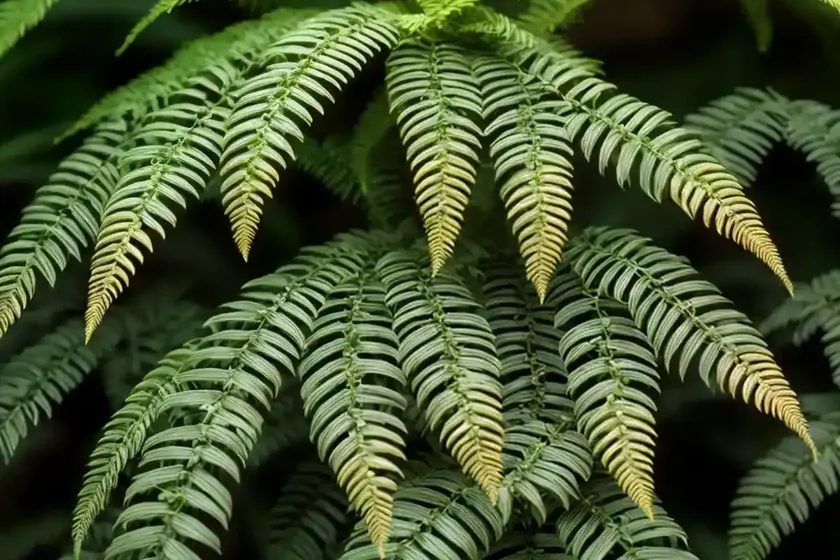
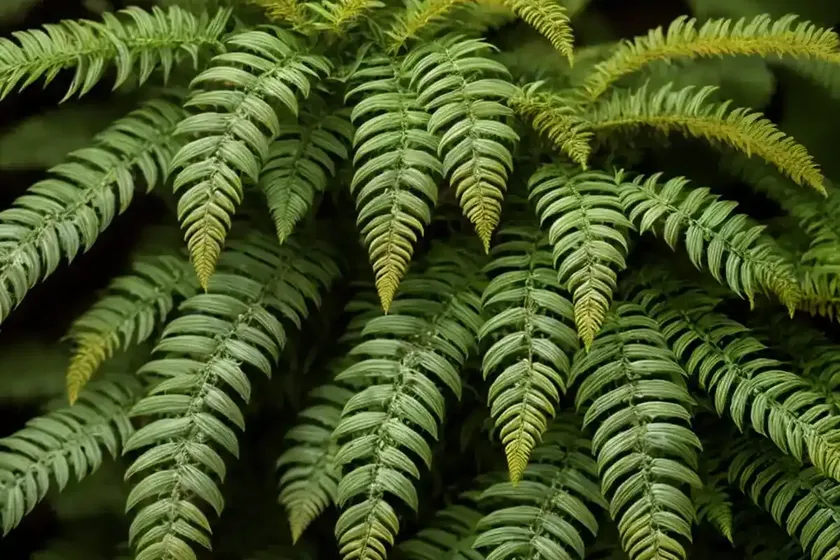
As a plant scientist, I have always been fascinated by the diversity and resilience of the plant kingdom. One particular plant that stands out for its beauty and hardiness is Braun’s holly fern, scientifically known as Polystichum braunii. This ornamental fern species is a popular choice for landscaping, and its characteristics make it an excellent addition to shaded gardens and woodland landscapes.
In this comprehensive guide, I will delve into the various aspects of Braun’s holly fern, covering its cultivation, characteristics, uses, care tips, and much more. Whether you are a seasoned gardener or a novice plant enthusiast, this article will equip you with the knowledge to successfully cultivate and appreciate this stunning fern species.
What is Braun’s Holly Fern (Polystichum braunii)?
Braun’s holly fern, or Polystichum braunii, is a native fern species primarily found in the eastern United States and Canada. This evergreen fern belongs to the family Dryopteridaceae and is appreciated for its striking, glossy fronds and its adaptability to a variety of environmental conditions. The botanical name Polystichum is derived from the Greek words “poly” meaning many and “stichos” meaning row, referring to the arrangement of the sori (spore-producing structures) on the undersides of the fronds.
Key Takeaways
Before we delve deeper into the specifics of Braun’s holly fern, let’s outline the key takeaways that we will explore in the sections to follow:
- Culture: Understanding the preferred growing conditions for Braun’s holly fern.
- Uses: Utilization of this fern in landscaping and garden design.
- Water: Guide to watering practices for optimum growth.
- Sunlight: Determining the ideal light conditions for this shade-loving fern.
- Fertilizer: Providing essential nutrients for healthy and vigorous growth.
- Soil: Identifying the most suitable soil types for cultivation.
- Pruning: Techniques for maintaining the fern’s attractive appearance.
- Propagation: Methods for expanding your fern collection.
- Container Popularity: Exploring its use in container gardening.
- Common Diseases: A look at potential diseases affecting Braun’s holly fern.
- Disease Diagnosis: Identifying and addressing common fern ailments.
- Common Pests: Recognizing and managing insect adversaries.
- Botanist’s Tips: Expert advice for cultivating and caring for this fern.
- Fun Facts: Intriguing and little-known tidbits about Braun’s holly fern.
- Links to External Resources: Additional references for further exploration.
Now, let’s dive into the details of each of these aspects and gain a holistic understanding of Braun’s holly fern.
Culture
Understanding the cultural requirements of Braun’s holly fern is essential for its successful cultivation. Let’s explore the key cultural considerations for this hardy fern.
Water
Braun’s holly fern thrives in moist soil conditions, making adequate watering crucial for its health and vitality. It is important to ensure that the soil remains consistently moist, especially during the plant’s active growing season. However, it is equally essential to avoid waterlogged conditions that can lead to root rot. Adequate drainage is therefore essential to prevent water stagnation around the plant’s root system.
- Watering Tips:
- Water the fern deeply when the top inch of the soil feels dry to the touch.
- Use a watering can with a narrow spout to direct the water around the base of the plant, preventing water from accumulating on the foliage.
- Consider mulching the soil to help retain moisture and reduce the frequency of watering.
Sunlight
As a shade-loving fern, Braun’s holly fern thrives in locations with dappled or partial shade. Planting it in areas with direct, intense sunlight can cause the fronds to scorch and the plant to wilt. When selecting a planting site, aim for areas that receive filtered sunlight or are shaded by trees, shrubs, or other structures.
- Sunlight Requirements:
- Choose locations with partial to full shade, such as woodland areas or under the canopy of taller plants.
- Protect the fern from direct afternoon sun, especially in regions with hot summers.
- Consider the orientation of your garden and the shifting patterns of sunlight throughout the day to find the most suitable planting spots.
Fertilizer
Appropriate fertilization can significantly enhance the growth and appearance of Braun’s holly fern. While this fern does not have high nutrient demands, providing a balanced fertilizer can support its overall health and vigor. A slow-release fertilizer applied in spring can supply the necessary nutrients for the growing season.
- Fertilization Tips:
- Choose a balanced, slow-release fertilizer with an N-P-K ratio of 10-10-10 or similar.
- Apply the fertilizer sparingly around the base of the fern, taking care to avoid direct contact with the foliage.
- Water the plant after fertilization to facilitate the absorption of nutrients into the soil.
Soil
The soil composition plays a crucial role in providing the necessary support and nutrients for Braun’s holly fern. Understanding the preferred soil types and making appropriate amendments can contribute to the plant’s overall well-being.
- Ideal Soil Conditions:
- Provide well-draining soil with a rich organic content.
- Incorporate organic matter such as compost or peat moss to improve soil structure and fertility.
- Aim for slightly acidic to neutral soil pH, ideally in the range of 5.5 to 6.5.
Pruning
Pruning is an essential aspect of maintaining the attractive appearance of Braun’s holly fern. Regular removal of old or damaged fronds can promote new growth and prevent the plant from appearing unkempt.
- Pruning Guidelines:
- Trim off any yellowing or browning fronds to enhance the fern’s visual appeal.
- Use clean and sharp gardening shears to make precise cuts without causing damage to the remaining foliage.
- Prune the fern in late winter or early spring to make room for fresh growth.
Propagation
Expanding your collection of Braun’s holly fern can be an enjoyable and fulfilling endeavor. Whether you aim to share the plant with fellow gardeners or simply desire more of these elegant ferns in your landscape, propagation techniques can help you achieve your goal.
Spore Propagation
Braun’s holly fern can be propagated from spores, the reproductive structures found on the undersides of the fronds. While spore propagation requires patience and attention to detail, it can be a rewarding way to produce new ferns from scratch.
- Spore Propagation Steps:
- Select a healthy and mature frond containing ripe spores.
- Place the frond in a paper bag and allow the spores to fully ripen and disperse.
- Prepare a suitable growing medium by combining sterile potting mix with peat moss and perlite.
- Sow the spores thinly and evenly on the surface of the prepared medium.
- Keep the growing medium moist and maintain high humidity by covering the container with plastic or glass.
- Monitor the development of prothalli, the heart-shaped gametophyte stage, and eventually the growth of young fern plants.
Division
Another effective method for propagating Braun’s holly fern is through division. This process involves separating the rhizomes and creating individual plant sections that can be replanted to establish new ferns.
- Division Process:
- Select a mature and healthy fern with strong rhizomes.
- Carefully lift the plant from the soil, taking care to disturb the root system as little as possible.
- Gently tease apart the rhizomes, ensuring that each division has a sufficient number of roots and fronds.
- Plant the divided sections in suitable locations and provide adequate moisture to support their establishment.
Container Popularity
Braun’s holly fern’s adaptability and ornamental qualities make it a popular choice for container gardening. Whether you have limited outdoor space or wish to enhance your patio, balcony, or indoor environment, growing this fern in containers can be a delightful and rewarding experience.
- Container Gardening Tips:
- Select containers with adequate drainage holes to prevent waterlogging.
- Choose a high-quality potting mix designed for ferns or acidic-loving plants.
- Position the containers in shaded or partially shaded areas, avoiding direct sunlight exposure.
Uses
The versatility and aesthetic appeal of Braun’s holly fern make it a valuable addition to various gardening and landscaping endeavors. Let’s explore some of the common uses of this hardy fern species.
Landscaping
Braun’s holly fern can be effectively utilized in landscaping to enhance the beauty of shaded gardens, woodland landscapes, and other outdoor settings. Its evergreen nature ensures year-round interest, and its ability to thrive in shaded conditions makes it an ideal candidate for areas that may be challenging to landscape with sun-loving plants.
- Landscape Application Ideas:
- Plant as a border or edging in shaded garden beds.
- Incorporate into woodland garden designs for a natural and cohesive look.
- Utilize as a ground cover to add texture and visual interest to bare soil areas.
Companion Planting
The compatibility of Braun’s holly fern with a variety of companion plants allows for creative and visually compelling garden designs. When combined with the right partners, this fern can contribute to the overall appeal of the planting scheme and create harmonious plant communities.
- Companion Plant Suggestions:
- Pair with shade-loving perennials such as hostas, astilbes, and bleeding hearts.
- Combine with woodland wildflowers, such as trilliums and wood anemones, for a naturalistic display.
- Use as a backdrop for spring and summer flowering plants to create depth and contrast.
Erosion Control
The dense and persistent growth habit of Braun’s holly fern makes it an excellent choice for stabilizing soil and preventing erosion in shaded or woodland areas. Its extensive root system and ability to thrive in a variety of soil types contribute to its effectiveness in erosion control applications.
- Erosion Control Strategies:
- Plant along slopes or embankments to reduce soil runoff and retain moisture.
- Combine with other erosion-controlling plants to establish a diverse and resilient plant community.
Indoor Ornamental Plant
The adaptability of Braun’s holly fern extends to indoor environments, where it can serve as an attractive and low-maintenance ornamental plant. Its ability to thrive in low light conditions makes it suitable for various indoor settings, from offices to residential interiors.
- Indoor Planting Considerations:
- Choose a location with indirect or filtered light for optimal indoor growth.
- Provide consistent moisture and avoid allowing the soil to dry out completely.
- Incorporate into terrariums or planters to create captivating indoor displays.
Common Diseases
While Braun’s holly fern is generally resilient and able to withstand adverse conditions, it can be susceptible to certain diseases that may impact its overall health and appearance. Understanding these common ailments and implementing appropriate preventative measures is essential for maintaining the fern’s well-being.
Disease Diagnosis
Identifying any signs of disease in Braun’s holly fern at an early stage is crucial for effective treatment and management. By recognizing the symptoms and understanding the underlying causes, you can take proactive steps to address potential issues before they escalate.
- Common Diseases and Symptoms:
- Fungal Leaf Spots: Circular or irregular browning of the fronds with darkened centers.
- Root Rot: Yellowing or wilting of fronds, often accompanied by foul odor and decayed roots.
- Powdery Mildew: White powdery growth on the surface of fronds, leading to stunted growth and distortion.
Disease Management
Implementing cultural practices and, when necessary, targeted treatments can help prevent and mitigate the impact of common fern diseases. Maintaining a hygienic and well-ventilated growing environment is central to disease prevention.
- Preventative Measures and Treatments:
- Avoid overhead watering to minimize moisture on the foliage, reducing the risk of fungal diseases.
- Provide adequate air circulation by spacing plants appropriately and pruning to improve ventilation.
- Use fungicidal treatments as directed if fungal diseases are present, ensuring thorough coverage of affected plants.
Common Pests
While Braun’s holly fern is relatively resistant to pests, it may occasionally encounter insect adversaries that can compromise its health and appearance. Being mindful of these common pests and their management can help safeguard the fern from potential damage.
Recognizing Pests
The presence of pests on Braun’s holly fern can manifest in visible damage to the foliage or through the direct observation of the pests themselves. By monitoring the plant regularly, you can quickly identify and address any pest-related issues.
- Common Pests and Signs of Infestation:
- Spider Mites: Fine webbing on the undersides of fronds and stippled, yellowing foliage.
- Scale Insects: Presence of small, raised bumps on the fronds, often accompanied by a sticky residue known as honeydew.
- Slug and Snail Damage: Irregular holes and shredding of fronds, especially near the plant’s base.
Pest Management
Implementing integrated pest management strategies can help effectively manage and minimize pest populations while minimizing the use of chemical controls.
- Integrated Pest Management Techniques:
- Encourage natural predators of pests, such as ladybugs and predatory mites, by providing habitat and avoiding broad-spectrum insecticides.
- Handpick and remove large pests like slugs and snails, particularly during periods of increased activity, such as after rain or in the evening.
- Use horticultural oils or insecticidal soaps to control soft-bodied pests like spider mites and scale insects, ensuring thorough coverage of affected areas.
Botanist’s Tips
As a seasoned plant scientist, I have gathered valuable insights and tips for cultivating and caring for Braun’s holly fern. These expert recommendations can help you optimize the growth and well-being of this remarkable fern species.
Expert Advice
- Consistent Moisture: Maintain consistent soil moisture, especially during the plant’s active growing season, to support healthy growth and foliage development.
- Mulching Benefits: Apply a layer of organic mulch around the base of the fern to help retain moisture, regulate soil temperature, and suppress weeds.
- Protection from Frost: Shield the fern from extreme cold and frost damage by providing adequate insulation during winter, especially in regions with harsh climates.
Fun Facts
Exploring the fascinating and little-known aspects of Braun’s holly fern can deepen our appreciation for this unique plant. Let’s uncover some intriguing and delightful facts about this hardy fern species.
Intriguing Tidbits
- Medicinal Uses: In traditional herbal medicine, certain fern species, including some Polystichum varieties, have been used for their potential medicinal properties, although caution is advised due to their toxic components.
- Wildlife Habitat: The dense and lush growth of Braun’s holly fern provides shelter and refuge for small animals, insects, and other wildlife, contributing to the ecological value of this ornamental plant.
Links to External Resources
To further enrich your understanding of Braun’s holly fern and explore additional perspectives and insights, here are some recommended external resources:
- American Fern Society
- Royal Horticultural Society – Ferns
- University of Florida IFAS Extension – Polystichum Species
- Missouri Botanical Garden – Polystichum
- The Natural History of Ferns
I hope this comprehensive guide has provided you with a wealth of knowledge and insights into Braun’s holly fern, enriching your appreciation for this captivating plant species. Whether you are considering introducing this fern into your garden or seeking to expand your horticultural horizons, Braun’s holly fern stands as a remarkable example of natural beauty and resilience.