Bolander’s Phacelia (Phacelia Bolanderi)
Bolander’s phacelia (Phacelia bolanderi) is a stunning and versatile plant that can enhance the aesthetic appeal and biodiversity of any garden or.
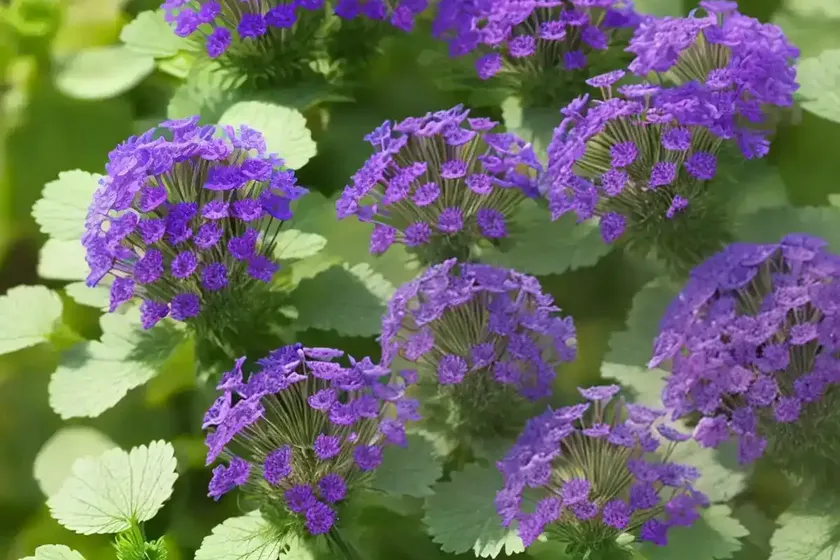
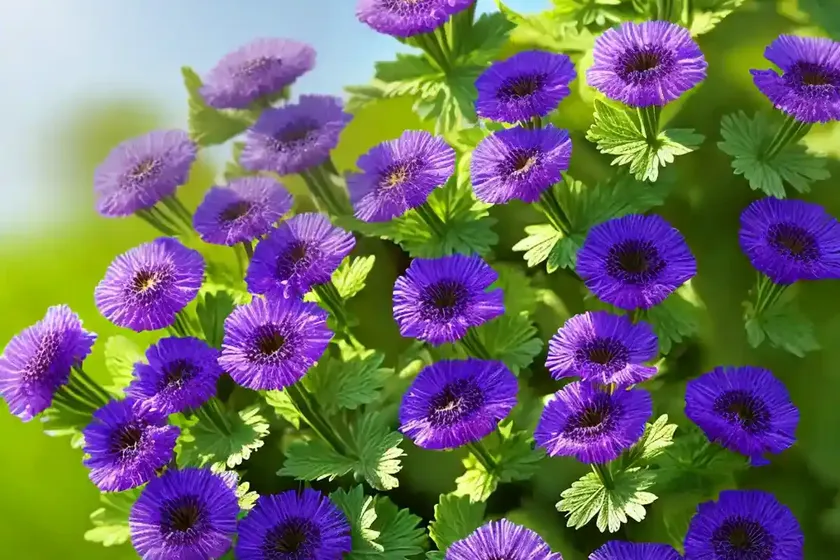
Bolander’s phacelia (Phacelia bolanderi) is a stunning and versatile plant that can enhance the aesthetic appeal and biodiversity of any garden or landscaping project. This species is not only known for its unique and intricate flowers but also for its ecological significance and potential medicinal properties. In this comprehensive guide, we will delve into the various aspects of Bolander’s phacelia, including its cultivation, habitat, uses, care requirements, and more. Whether you are a seasoned gardening enthusiast or a beginner looking to explore new plant species, this article will provide valuable insights into the world of Phacelia bolanderi.
What is a Plant?
Before we delve into the specifics of Bolander’s phacelia, let’s take a moment to appreciate the broader concept of plants. Plants are living organisms that belong to the kingdom Plantae, encompassing a diverse array of species, ranging from tiny mosses to towering sequoias. As primary producers, plants play a crucial role in ecosystems by harnessing sunlight to convert carbon dioxide and water into organic compounds through the process of photosynthesis.
Plants also contribute to the ecological balance by providing food and habitat for various organisms, aiding in the regulation of climate and air quality, and granting visual beauty to natural and cultivated landscapes. From a cultural and practical perspective, plants have been utilized by humans for food, medicine, shelter, and artistic expression throughout history.
Key Takeaways – Bolander’s Phacelia (Phacelia bolanderi)
Now let’s focus on the star of the show – Bolander’s phacelia (Phacelia bolanderi). This section will serve as an overview of the essential characteristics and attributes of this plant, setting the stage for a more detailed exploration in the subsequent sections.
- Scientific Name: Phacelia bolanderi
- Common Name: Bolander’s Phacelia
- Family: Boraginaceae
- Habitat: Native to western North America, including regions of California and Oregon
- Flowering Period: Typically blooms from late spring to early summer
- Foliage: Deeply lobed, fern-like leaves
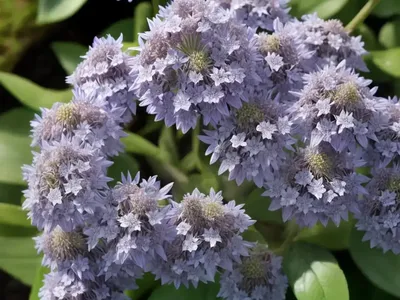
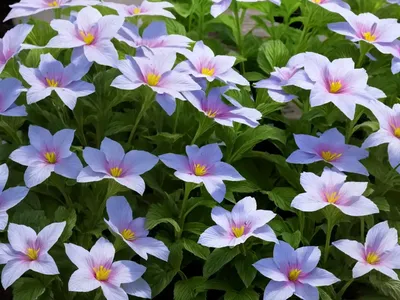
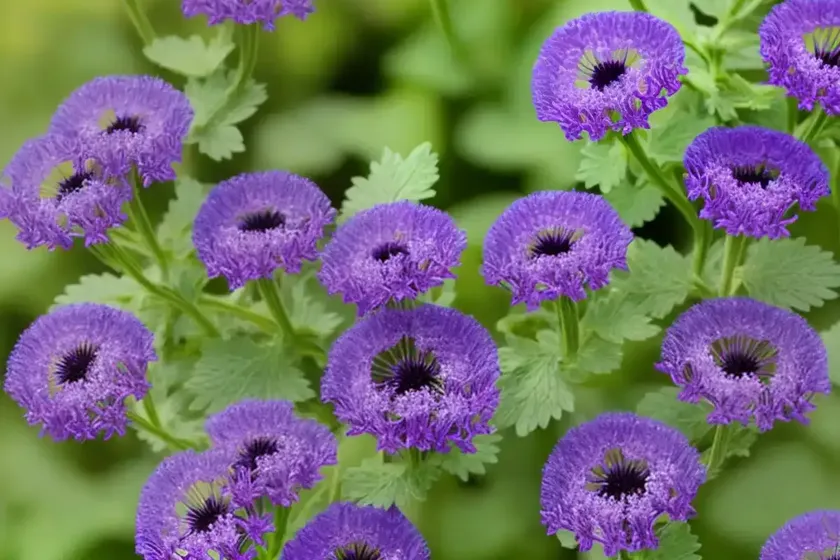
- Flower Characteristics: Delicate, bell-shaped flowers with intricate purple and white markings
- Ecological Role: Attracts pollinators, potential wildlife food source, and may have insect-repellent properties
- Conservation Status: While not formally assessed, the conservation of native habitats is crucial for supporting its natural populations
- Cultivation: Suitable for both outdoor and indoor cultivation, making it a versatile choice for gardeners and landscapers
- Uses: Ornamental purposes, potential medicinal properties, and contribution to wildlife habitat
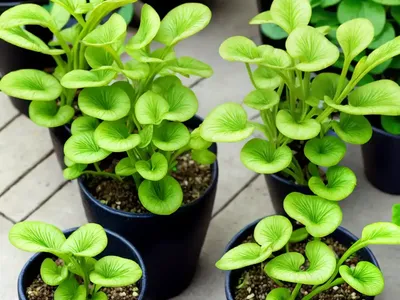
- Growth Habit: Compact and bushy growth, suitable for ground cover or container plantings
With these key takeaways in mind, let’s explore the various aspects of Bolander’s phacelia in more detail, ranging from its cultural preferences to its ecological significance.
Culture
Understanding the cultural requirements of Bolander’s phacelia is essential for successfully cultivating and maintaining this species. From soil preferences to water requirements, each aspect contributes to the overall health and vigor of the plant.
Uses
The potential uses of Bolander’s phacelia encompass both practical and aesthetic applications. Understanding the versatility of this plant is crucial for incorporating it effectively into various landscaping and gardening projects.
Water
Water is a fundamental resource for all plants, and Bolander’s phacelia is no exception. Understanding the optimal watering practices for this species is crucial for preventing water stress and promoting healthy growth.
Sunlight
Sunlight plays a pivotal role in the photosynthetic process and overall development of plants. Bolander’s phacelia has specific sunlight requirements that are important to consider when selecting an appropriate growing location.
Fertilizer
Supplemental nutrition in the form of fertilizers can support the growth and flowering of Bolander’s phacelia. However, understanding the appropriate application and type of fertilizers is crucial for avoiding potential damage to the plant.
Soil
The soil serves as the anchor and primary source of nutrients for plants. Bolander’s phacelia has specific soil requirements that influence its overall health and vitality.
Pruning
Pruning is a horticultural practice that can influence the growth, flowering, and overall appearance of plants. Understanding the pruning requirements of Bolander’s phacelia is important for maintaining its desired form and vigor.
Propagation
The propagation of Bolander’s phacelia allows for the expansion of its population and facilitates its incorporation into various garden designs. Exploring different propagation methods can provide insights into the reproductive biology of this species.
Container Popularity
Bolander’s phacelia is well-suited for container gardening, offering opportunities for creative and space-efficient plant arrangements. Understanding its adaptability to container cultivation is crucial for successful implementation in urban and limited space settings.
Common Diseases
Plant diseases can impact the health and aesthetics of Bolander’s phacelia, underscoring the importance of disease prevention and management. Recognizing common diseases and their symptoms is crucial for implementing effective control measures.
Disease Diagnosis
Identifying the signs and symptoms of diseases affecting Bolander’s phacelia is a critical step in implementing timely and targeted disease management strategies. Understanding the diagnostic process is essential for accurate treatment.
Common Pests
Pests can pose a threat to the well-being of Bolander’s phacelia, potentially affecting its growth and flowering. Recognizing common pests and their impact is essential for implementing integrated pest management practices.
Botanist’s Tips
Insights and recommendations from botanists and plant scientists can offer valuable guidance for effectively cultivating and appreciating Bolander’s phacelia. These tips may encompass a wide range of topics, from plant care to ecological interactions.
Fun Facts
Discovering intriguing and lesser-known facts about Bolander’s phacelia can foster a deeper appreciation for its unique characteristics and ecological significance.
Links to External Resources
To further enhance your understanding of Bolander’s phacelia and its cultivation, the following external resources provide valuable insights and guidance:
- Wildflower Search – Phacelia bolanderi
- California Native Plant Society – Phacelia bolanderi
- USDA Plants Database – Phacelia bolanderi
- The Xerces Society for Invertebrate Conservation – Pollinator Conservation Resource Center
- Lady Bird Johnson Wildflower Center – Native Plant Database
As you continue your exploration of Bolander’s phacelia, these resources can serve as valuable references and sources of additional information.
In the following sections, we will delve deeper into the unique characteristics and requirements of Bolander’s phacelia, providing an in-depth exploration that caters to both gardening enthusiasts and professional horticulturists. Stay tuned for an enriching journey into the world of Phacelia bolanderi!