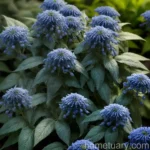
bluebeard (Caryopteris x clandonensis ‘Heavenly Blue’): An Essential Guide for Growing and Caring for this Beautiful Perennial Shrub
The bluebeard, scientifically known as Caryopteris x clandonensis ‘Heavenly Blue’, is a stunning perennial shrub that captivates gardeners with its vibrant blue flowers and attractive foliage. In this comprehensive guide, we will explore the key aspects of cultivating and maintaining this enchanting plant, including its cultural requirements, uses, care instructions, common diseases, pests, and fascinating botanist’s tips. Whether you are a seasoned gardener or a novice enthusiast, this article will equip you with the knowledge to foster healthy and thriving bluebeard shrubs in your garden.
What is bluebeard (Caryopteris x clandonensis ‘Heavenly Blue’)?
The bluebeard, also referred to as Caryopteris x clandonensis ‘Heavenly Blue’, is a versatile and visually striking shrub that belongs to the family of Verbenaceae. Native to East Asia, specifically China and Japan, this deciduous perennial is cherished for its abundant clusters of vibrant blue flowers that bloom from mid to late summer, attracting pollinators and adding a pop of color to the landscape. The bluebeard’s compact, mounded form and aromatic, gray-green foliage further contribute to its appeal, making it a desirable choice for both ornamental and functional purposes in gardens and landscapes.
Key Takeaways
Before delving into the specifics of bluebeard cultivation, let’s glance at some key takeaways about this captivating plant:
- Scientific Name: Caryopteris x clandonensis ‘Heavenly Blue’
- Common Name: Bluebeard
- Plant Type: Deciduous perennial shrub
- Flower Color: Vivid blue
- Foliage: Aromatic, gray-green
- Blooming Season: Mid to late summer
- Attracts: Pollinators such as butterflies and bees
- Cultural Attributes: Drought-tolerant, low maintenance, deer-resistant
- Growth Habit: Compact, mounded form
Now, let’s delve into the various aspects of cultivating and caring for bluebeard (Caryopteris x clandonensis ‘Heavenly Blue’), including its cultural requirements, uses, care instructions, common diseases, pests, and botanist’s tips.
Culture
Water
Bluebeard shrubs are known for their exceptional drought tolerance once established. While they can withstand periods of dryness, particularly in well-draining soil, it is crucial to provide adequate moisture, especially during the initial establishment phase and prolonged periods of drought. When watering bluebeard, aim to maintain a balance to prevent waterlogged conditions, which can lead to root rot.
Sunlight
Bluebeard thrives in full sun, requiring at least 6-8 hours of direct sunlight daily to flourish and produce an abundance of vibrant blooms. In regions with intense summer heat, providing some afternoon shade can be beneficial to prevent stress on the plant. However, consistent exposure to sunlight is essential for promoting robust growth and prolific flowering.
Fertilizer
When it comes to fertilizing bluebeard, a balanced, slow-release fertilizer applied in early spring can help support healthy growth and abundant flowering. Opt for a fertilizer with a balanced NPK ratio, such as 10-10-10 or 20-20-20, and apply it according to the manufacturer’s guidelines. Avoid excessive application of nitrogen, as this can promote vigorous foliage growth at the expense of flowering.
Soil
Bluebeard thrives in well-draining, moderately fertile soil with a slightly acidic to neutral pH range (pH 6.0-7.0). Sandy loam or loamy soils are ideal for promoting optimal root development and overall plant health. Additionally, incorporating organic matter such as compost or well-rotted manure into the soil can enhance its moisture retention and nutrient content, benefiting the growth of bluebeard shrubs.
Pruning
Proper pruning plays a pivotal role in maintaining the shape, vigor, and flowering potential of bluebeard shrubs. Pruning should be carried out in early spring, prior to the onset of new growth, to encourage compact growth and prolific flowering. Here are some essential pruning tips for bluebeard shrubs:
- Deadhead spent blooms: Regularly remove faded flowers to promote continuous blooming and prevent self-seeding.
- Annual rejuvenation: In late winter or early spring, cut back the previous year’s growth to 6-12 inches above ground level to stimulate fresh, vigorous growth.
- Thinning out: Periodically thin out overcrowded or weak stems to improve air circulation and light penetration within the plant, reducing the risk of disease and promoting overall plant health.
Propagation
Bluebeard (Caryopteris x clandonensis ‘Heavenly Blue’) can be propagated through several methods, including:
- Softwood cuttings: Take 4-6 inch cuttings from the current season’s growth in late spring or early summer. Remove the lower leaves and dip the cut ends in a rooting hormone before planting them in a well-draining growing medium.
- Division: During the early spring or fall, carefully divide mature bluebeard plants, ensuring that each division has a sufficient root system and viable shoots for successful establishment.
Container Popularity
The compact size and ornamental appeal of bluebeard (Caryopteris x clandonensis ‘Heavenly Blue’) make it a popular choice for container gardening. When grown in containers, bluebeard shrubs can serve as focal points on patios, balconies, or terraces, adding a vibrant touch of color to confined outdoor spaces. Additionally, container-grown bluebeard plants allow for greater flexibility in terms of overwintering in colder climates, as they can be moved to a sheltered location for protection during the winter months.
Container Common Diseases
While bluebeard shrubs grown in containers are generally less susceptible to soil-borne diseases and root rot, they may still be prone to certain issues, including:
- Powdery mildew: In humid or poorly ventilated conditions, powdery mildew can affect the foliage of container-grown bluebeard plants. To mitigate this, ensure proper air circulation and avoid overhead watering.
- Root rot: Overwatering or inadequate drainage in containers can lead to root rot, which manifests as wilting, yellowing foliage, and stunted growth. Choose well-draining potting mixes and containers with drainage holes to prevent this issue.
Care
To ensure the optimal health and vigor of bluebeard (Caryopteris x clandonensis ‘Heavenly Blue’), it is essential to provide attentive care and meet its specific requirements. Here are some key care instructions for cultivating and maintaining bluebeard shrubs:
- Regular watering: While bluebeard plants exhibit drought tolerance, provide consistent moisture, especially during the establishment phase and hot, dry periods.
- Full sun exposure: Position bluebeard in a location that receives ample sunlight to promote vigorous growth and prolific flowering.
- Well-draining soil: Plant bluebeard in well-draining soil to prevent waterlogging and root rot, optimizing its overall health and vitality.
- Pruning: Conduct annual pruning to shape the plant, remove spent blooms, and promote continuous flowering.
- Fertilization: Apply a balanced, slow-release fertilizer in early spring to support the plant’s growth and flowering potential.
Common Diseases
While bluebeard (Caryopteris x clandonensis ‘Heavenly Blue’) is generally resilient and not prone to severe disease issues, there are a few potential concerns to be mindful of, including:
- Powdery mildew: In humid or poorly ventilated conditions, bluebeard foliage may be susceptible to powdery mildew, presenting as a white, powdery coating on the leaves.
- Root rot: Overly moist or poorly-drained soil can predispose bluebeard plants to root rot, resulting in wilting, yellowing foliage, and overall decline in health.
- Canker: While relatively rare, canker can affect bluebeard shrubs, causing sunken lesions on the stems and potential dieback of affected areas.
Disease Diagnosis
Monitoring the foliage, stems, and overall health of bluebeard plants can help in early disease detection and prompt intervention. Here are some signs to watch for when diagnosing potential diseases in bluebeard shrubs:
- Any presence of white, powdery substance on the foliage indicates a possible powdery mildew infection.
- Wilting, yellowing, or browning of leaves may signal underlying root rot issues.
- Sunken lesions or darkened areas on the stems could be indicative of canker, especially if accompanied by dieback of affected branches.
If any of these symptoms are observed, prompt action, such as adjusting cultural practices, implementing appropriate fungicidal treatments, or improving drainage, can aid in managing and resolving potential disease issues effectively.
Common Pests
Bluebeard (Caryopteris x clandonensis ‘Heavenly Blue’) is relatively resistant to pest infestations and is not commonly targeted by major pests. However, a few potential pests that may occasionally affect bluebeard shrubs include:
- Aphids: These small, sap-sucking insects can cluster on the tender shoots and foliage, leading to distorted growth and the secretion of honeydew.
- Spider mites: In hot, dry conditions, spider mites can infest the foliage, causing stippling, webbing, and overall decline in plant vigor.
Pest Control
Implementing proactive measures to prevent and manage pest issues is crucial in preserving the health and vitality of bluebeard plants. Here are some effective pest control strategies for addressing potential infestations:
- Natural predators: Encourage the presence of beneficial insects and predatory arthropods, such as ladybugs and lacewings, which feed on aphids and spider mites, helping to naturally control their populations.
- Horticultural oils: Apply horticultural oils to suffocate and eradicate aphids and spider mites while minimizing harm to beneficial insects and pollinators.
- Regular monitoring: Inspect bluebeard foliage regularly for signs of pest activity, enabling early intervention and targeted treatments if necessary.
Botanist’s Tips
Unique Features of Bluebeard
Bluebeard (Caryopteris x clandonensis ‘Heavenly Blue’) boasts several unique features that distinguish it as a valuable addition to gardens and landscapes, including:
- Attractive blue flowers: The vibrant blue blooms of bluebeard add a striking and distinctive touch to the summer garden, creating a captivating focal point and enhancing visual appeal.
- Pollinator attractor: The abundance of blue flowers serves as a magnet for pollinators such as butterflies and bees, contributing to the biodiversity and ecological balance within the garden.
- Drought tolerance: Bluebeard’s ability to thrive in dry conditions makes it well-suited for water-wise landscaping and low-maintenance garden schemes.
- Deer resistance: Bluebeard plants are known for their resistance to browsing by deer, making them a reliable choice for gardens in deer-prone areas.
- Seasonal interest: In addition to its stunning summer blooms, the aromatic, gray-green foliage of bluebeard provides year-round interest and texture in the landscape, enhancing its overall appeal.
Fun Facts
- Bluebeard shrubs are named after Saint John’s Wort (Hypericum spp.), as they were historically used as a substitute for this medicinal herb due to their similar appearance.
- In folklore, bluebeard (Caryopteris x clandonensis) is associated with symbolizing trust and the joy of life, adding a touch of historical and cultural significance to its presence in traditional gardens.
- The aromatic foliage of bluebeard emits a pleasant fragrance when brushed against or crushed, contributing to the sensory experience in garden settings.
Links to External Resources
For further information and resources on bluebeard (Caryopteris x clandonensis ‘Heavenly Blue’) and related topics, explore the following links:
- Caryopteris x clandonensis – Missouri Botanical Garden
- Growing Caryopteris – Royal Horticultural Society
- Diseases of Shrubs: Caryopteris – University of Missouri Extension
In conclusion, bluebeard (Caryopteris x clandonensis ‘Heavenly Blue’) stands as a captivating and versatile plant that offers vibrant blue blooms, aromatic foliage, and low-maintenance appeal. By adhering to the care guidelines and best practices outlined in this comprehensive guide, you can cultivate thriving bluebeard shrubs in your garden, adding a touch of natural beauty and charm to your outdoor spaces. Whether used as a pollinator attractor, a focal point in mixed borders, or a vibrant addition to container gardens, bluebeard holds its ground as a delightful and visually striking perennial shrub.
Remember to share your experiences and insights on growing bluebeard in the comments below. Happy gardening!
Keywords: Caryopteris x clandonensis, Heavenly Blue plant, Bluebeard shrub, Blue flowering plants, Perennial shrubs, Bluebeard plant care, Drought-tolerant bluebeard, Container gardening, Common diseases, Pest control, Botanist’s tips, Fun facts, External resources