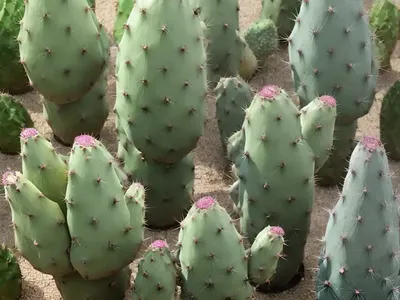
Biznaga-de-limilla (Ferocactus Hamatacanthus)
In the world of succulents, the Mexican barrel cactus, scientifically known as Ferocactus hamatacanthus, or more commonly referred to as.
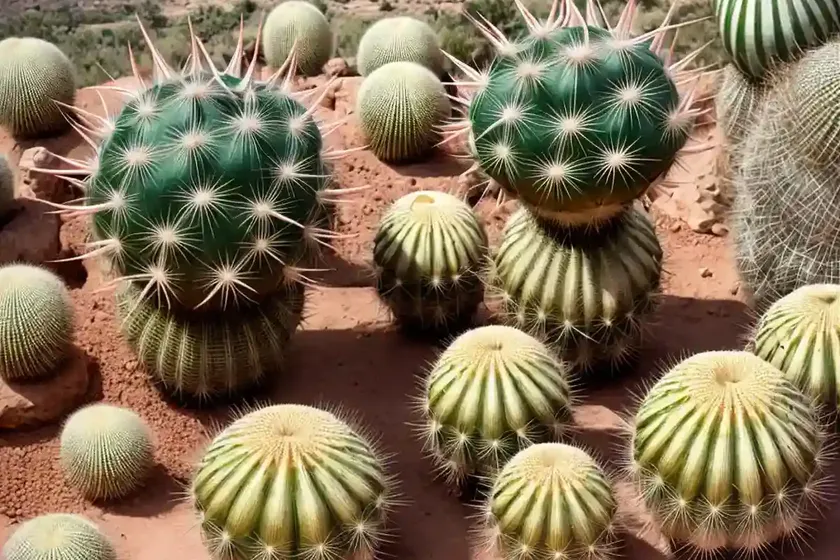
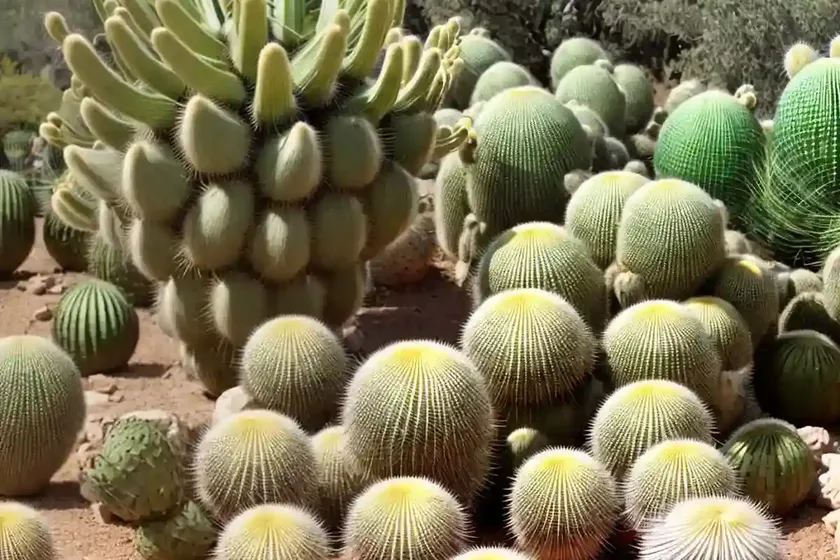
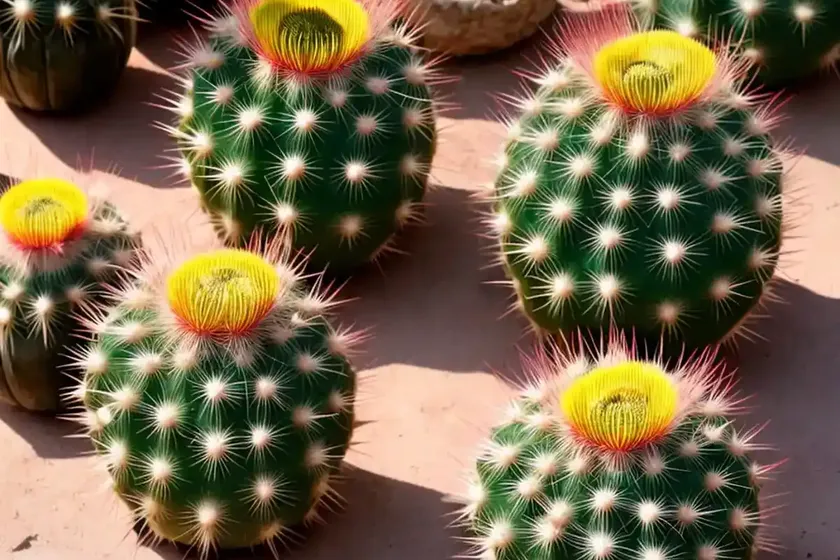
In the world of succulents, the Mexican barrel cactus, scientifically known as Ferocactus hamatacanthus, or more commonly referred to as Biznaga-de-limilla, is a fascinating and unique species that captivates plant enthusiasts and botanists alike. This remarkable cactus belongs to the Cactaceae family and is renowned for its impressive spiny barrel-shaped form, making it a visually striking addition to any arid landscape or succulent collection.
In this extensive guide, we will explore the various facets of the Biznaga-de-limilla, from its cultural and medicinal uses to its preferred environmental conditions and unique adaptations. We will delve into its growth patterns, propagation methods, and conservation status, offering valuable insights to both gardening enthusiasts and professional botanists. Furthermore, we will uncover the captivating folklore and symbolism associated with this exceptional cactus, shedding light on its significance beyond its horticultural appeal.
Key Takeaways – Biznaga-de-limilla (Ferocactus hamatacanthus)
Before we embark on our exploration of the Biznaga-de-limilla, let’s provide a brief overview of the key takeaways that will be covered in this comprehensive guide. This will enable us to gain an understanding of the multifaceted nature of this remarkable cactus and its significance in various domains, ranging from traditional uses to ecological importance.
Culture
- Cultural and Traditional Significance: Uncover the historical and traditional uses of Biznaga-de-limilla in Mexican folklore and ethnobotany.
- Symbolism in Local Culture: Explore the symbolic importance of Biznaga-de-limilla in the indigenous cultures of Mexico and the southwestern United States.
Uses
- Medicinal Properties: Discover the medicinal uses of Biznaga-de-limilla in traditional medicine and its potential pharmacological significance.
- Decorative and Landscape Use: Understand the ornamental value of Biznaga-de-limilla in landscaping and decorative horticulture.
Water
- Watering Needs: Gain insights into the specific water requirements of Biznaga-de-limilla and best practices for watering this succulent species.
Sunlight
- Sunlight Requirements: Understand the optimal sunlight conditions for Biznaga-de-limilla and its adaptation to arid environments.
Fertilizer
- Fertilization Practices: Explore the fertilization requirements of Biznaga-de-limilla and the appropriate nutrients for promoting its growth and vitality.
Soil
- Soil Preferences: Discover the ideal soil composition and drainage characteristics for cultivating Biznaga-de-limilla.
Pruning
- Pruning Tips: Learn about the pruning techniques and general maintenance practices to ensure the health and aesthetics of Biznaga-de-limilla.
Propagation
- Propagation Methods: Explore the various methods for propagating Biznaga-de-limilla, including seed sowing and vegetative propagation.
Container Gardening
- Growth in Containers: Understand the considerations for cultivating Biznaga-de-limilla in containers, including potting mix and container selection.
Popularity
- Cultivation Trends: Gain insights into the popularity of Biznaga-de-limilla in contemporary horticulture and its increasing presence in gardens and landscapes worldwide.
Common Diseases
- Disease Diagnosis: Identify the common diseases that affect Biznaga-de-limilla and the preventive measures to safeguard its health.
Common Pests
- Pest Management: Explore the common pests that pose a threat to Biznaga-de-limilla and effective pest control strategies.
Botanist’s Tips
- Professional Insights: Benefit from expert tips and recommendations for cultivating and caring for Biznaga-de-limilla from a botanist’s perspective.
Fun Facts
- Intriguing Trivia: Uncover fascinating and lesser-known facts about Biznaga-de-limilla, adding depth to your appreciation of this cactus species.
Links to External Resources
- Comprehensive References: Access a curated list of external resources, including scientific studies, conservation initiatives, and horticultural guides, for further exploration of Biznaga-de-limilla.
With these key takeaways in mind, let’s embark on a captivating journey through the intricate world of Biznaga-de-limilla, unraveling its stories, uses, and remarkable attributes.
Biznaga-de-limilla (Ferocactus hamatacanthus): An Overview
Taxonomical Classification
- Scientific Name: Ferocactus hamatacanthus
- Common Names: Mexican barrel cactus, Biznaga de Limilla, spined barrel cactus
- Family: Cactaceae
- Species Type: Thorned cactus species, succulent plant
Description
Biznaga-de-limilla, or Ferocactus hamatacanthus, is a distinctive succulent plant known for its barrel-like form and formidable array of spines. This cactus species typically exhibits a solitary growth habit, with globose to elongated stems that can reach impressive heights when mature. The stems are ribbed, bearing prominent tubercles from which the characteristic spines emerge, creating a visually striking appearance.
The spines of Biznaga-de-limilla are a defining feature, often presenting in a range of colors from yellow to reddish-brown, and exhibiting various lengths and textures. These formidable spines serve as a protective adaptation, deterring herbivores and minimizing water loss in the arid environments where Biznaga-de-limilla thrives.
Habitat and Distribution
Biznaga-de-limilla is native to the arid regions of Mexico, particularly in the states of San Luis Potosi, Queretaro, and Hidalgo. This cactus species is adapted to thrive in dry, rocky habitats, often found in semi-desert areas with minimal rainfall and well-draining soils. Its distribution also extends into the southwestern United States, where it inhabits similar arid environments characterized by high temperatures and low precipitation.
Adaptations
In its native habitat, Biznaga-de-limilla has evolved several remarkable adaptations to survive in the challenging conditions of arid ecosystems. These include:
- Water Storage: The succulent nature of Biznaga-de-limilla allows it to store water within its stems, enabling it to endure extended periods of drought.
- Reduced Leaf Surface: Unlike many other plants, Biznaga-de-limilla has minimized its leaf surface area to reduce water loss through transpiration, a crucial adaptation in its arid environment.
- Spines as Defense: The formidable spines of Biznaga-de-limilla serve as a defense mechanism against herbivores and aid in minimizing water loss by reducing airflow around the plant’s surface.
These adaptations underscore the resilience and resourcefulness of Biznaga-de-limilla in thriving within harsh and challenging ecological niches.
Cultural and Traditional Significance
Folklore and Ethnobotanical Uses
In the traditional cultures of Mexico, Biznaga-de-limilla holds revered significance, with indigenous communities attributing various cultural and ritualistic meanings to this remarkable cactus. Known for its strong symbolism and traditional uses, Biznaga-de-limilla has been an integral part of the folklore and daily lives of the local populations for generations.
Medicinal Properties
One of the most notable aspects of Biznaga-de-limilla’s cultural significance is its medicinal properties. In traditional Mexican medicine, various parts of the cactus, including its stems and spines, are used in remedies for treating ailments and promoting health. The succulent tissue of Biznaga-de-limilla is believed to contain compounds with potential pharmacological benefits, leading to its utilization in traditional medicine for conditions such as digestive disorders, skin irritations, and inflammatory conditions.
Decorative and Ritual Use
Beyond its medicinal applications, Biznaga-de-limilla is often employed in decorative and ritual contexts, adorning sacred spaces and ceremonial venues during traditional festivities and spiritual observances. The visually captivating form and profound symbolism associated with Biznaga-de-limilla make it a revered presence in the cultural fabric of the regions where it thrives.
Water
Watering Needs
Biznaga-de-limilla’s water requirements are closely linked to its natural adaptation to arid environments. As a succulent species, it has evolved to thrive in conditions of minimal moisture, necessitating careful consideration of its watering needs in cultivation.
-
Watering Frequency: In cultivation, it is essential to emulate the natural arid conditions by providing infrequent but deep watering sessions, allowing the soil to dry out between watering intervals to prevent waterlogged conditions.
-
Seasonal Variations: During the active growing season, typically spring and summer, Biznaga-de-limilla may require more frequent watering to support its growth. However, as temperatures cool in the fall and winter, it is crucial to reduce the frequency of watering to mimic the natural patterns of precipitation in its native habitat.
-
Water Quality: The water used for irrigating Biznaga-de-limilla should be free from excessive salts and contaminants, as succulent plants are sensitive to the effects of poor water quality.
Sunlight
Sunlight Requirements
As an arid-adapted species, Biznaga-de-limilla exhibits a strong preference for abundant sunlight, reflecting its natural habitat in deserts and semi-arid regions. When cultivating Biznaga-de-limilla, providing ample sunlight is essential for promoting its healthy growth and vibrant appearance.
-
Direct Sun Exposure: Ideally, Biznaga-de-limilla should receive full sunlight for the majority of the day, approximating the intense solar exposure it experiences in its native habitat. Placing this cactus in a location with unobstructed sun exposure is crucial for supporting its photosynthetic processes and overall vitality.
-
Shade Protection: While Biznaga-de-limilla thrives in sunlight, it is important to acclimate young or newly transplanted specimens gradually to avoid sunburn or sunscald. Providing partial shade during the initial period of acclimatization can help reduce stress and ensure the plant’s successful adaptation to its new environment.
Fertilizer
Fertilization Practices
In cultivating Biznaga-de-limilla, proper fertilization can play a crucial role in promoting its growth and resilience, particularly in container or garden settings where the availability of nutrients in the soil may be limited.
-
Fertilizer Type: For succulent plants such as Biznaga-de-limilla, a balanced, low-nitrogen fertilizer specifically formulated for cacti and succulents is recommended. These specialized fertilizers are designed to provide essential nutrients while minimizing the risk of over-fertilization, which can be detrimental to succulent plants.
-
Frequency and Timing: Fertilization should be conducted during the active growing season, typically from spring to early fall, when Biznaga-de-limilla is actively producing new growth. Applying fertilizer at half or quarter strength every 4-6 weeks can support healthy growth without overwhelming the plant with excessive nutrients.
-
Soil Amendment: In addition to regular fertilization, incorporating organic amendments into the soil, such as well-decomposed compost or specialized succulent potting mix, can contribute to the long-term health and vigor of Biznaga-de-limilla.
Soil
Soil Preferences
The choice of soil composition and texture is paramount in providing an optimal growing medium for Biznaga-de-limilla, ensuring proper drainage and aeration while supplying essential nutrients to the plant.
-
Drainage Characteristics: Biznaga-de-limilla thrives in well-draining soils to prevent waterlogging, a common cause of root rot and other moisture-related issues in succulent plants. A sandy or gravelly soil mix that promotes rapid drainage and minimizes water retention is well-suited for cultivating this cactus species.
-
Nutrient Content: While arid-adapted plants like Biznaga-de-limilla are adapted to low-nutrient environments, the soil should still provide adequate levels of essential minerals and organic matter to support the plant’s growth. Adding mineral amendments and organic materials to the soil can enhance its fertility, promoting healthy development.
-
Soil pH: An ideal soil pH for Biznaga-de-limilla falls within the slightly acidic to neutral range, typically between 6.0 to 7.0. Ensuring that the soil pH is within this optimal range can facilitate proper nutrient uptake and metabolic processes in the plant.
Pruning
Pruning Tips
While pruning requirements for Biznaga-de-limilla are minimal compared to many other ornamental plants, occasional maintenance and corrective pruning can be beneficial for ensuring the plant’s aesthetics and health.
-
Spine Removal: In some cases, particularly when handling or transplanting Biznaga-de-limilla, it may be necessary to remove or trim some of the spines to prevent injury and facilitate safe handling. Sharp, clean tools should be used to carefully prune the spines, minimizing damage to the plant.
-
Health Assessments: Periodic inspection of Biznaga-de-limilla for any signs of damage, disease, or overgrowth can inform targeted pruning efforts to remediate potential issues and maintain the plant’s vigor.
-
Dead Growth Removal: As with many cacti and succulents, removing any dead or decaying tissue from Biznaga-de-limilla can enhance its appearance and prevent the spread of disease or pests.
Propagation
Propagation Methods
Exploring the various methods of propagating Biznaga-de-limilla enables plant enthusiasts and horticulturists to expand their collections and share this remarkable cactus species with others. From seed propagation to vegetative techniques, several approaches can be employed to propagate Biznaga-de-limilla successfully.
Seed Propagation
-
Seed Collection: Harvesting mature seeds from Biznaga-de-limilla involves allowing the fruits to ripen and dry on the plant before collecting the seeds. Care should be taken to ensure the seeds are fully mature and viable for propagation.
-
Seed Sowing: Planting seeds in a well-draining succulent potting mix and maintaining optimal moisture and temperature conditions can initiate germination. Providing adequate sunlight and warmth can support the young seedlings’ development.
-
Seedling Care: Once the seedlings have developed several true leaves and robust root systems, they can be transplanted into individual containers or the desired planting locations, where they can continue their growth under suitable conditions.
Vegetative Propagation
-
Offshoot Division: Biznaga-de-limilla may produce offshoots or pups around its base as it matures. These offshoots can be carefully separated from the parent plant and transplanted to establish new individual specimens.
-
Cutting Propagation: Stem cuttings from mature Biznaga-de-limilla plants can be utilized for propagation, with the cut stems allowed to callus before being planted in a suitable succulent potting mix to root and develop into independent plants.
-
Propagation Success: Providing appropriate environmental conditions, including warmth, indirect sunlight, and modest moisture, can enhance the success rates of both seed and vegetative propagation methods for Biznaga-de-limilla.
Container Gardening
Growth in Containers
For those with limited outdoor space or specific aesthetic preferences, cultivating Biznaga-de-limilla in containers presents an appealing opportunity to appreciate this exceptional cactus species up close. Container gardening can also facilitate the successful cultivation of Biznaga-de-limilla in regions with climatic conditions that may not fully align with its natural habitat.
-
Container Selection: Choosing well-draining containers with ample drainage holes is essential for preventing water accumulation and ensuring the health of Biznaga-de-limilla. Terra cotta pots or specialized succulent containers are often favored for their breathable qualities and compatibility with succulent cultivation.
-
Potting Mix Considerations: A high-quality succulent potting mix that promotes rapid drainage and aeration while providing support for the plant’s roots is crucial for container-grown Biznaga-de-limilla. Additionally, incorporating perlite or coarse sand into the potting mix can enhance its suitability for this cactus species.
-
Container Placement: Placing containers in locations that receive abundant sunlight and have good air circulation can support the healthy growth of Biznaga-de-limilla. Additionally, positioning containers in sheltered areas during periods of intense rain or adverse weather can protect the plant from potential damage.
Popularity
Cultivation Trends
Biznaga-de-limilla has garnered increasing popularity in contemporary horticulture, captivating plant enthusiasts, landscapers, and succulent collectors with its striking appearance and unique attributes. The rising trend of cultivating arid-adapted plants in both residential and commercial landscapes has contributed to the growing prominence of Biznaga-de-limilla in horticultural circles.
Ornamental Value
The ornamental value of Biznaga-de-limilla as a landscape feature or potted specimen has been widely recognized, with its visually arresting form and resilient nature adding an intriguing dimension to diverse garden designs and horticultural compositions.
Succulent Collections
In addition to its role in landscaping, Biznaga-de-limilla has found a place among avid succulent collectors and enthusiasts, who appreciate its striking appearance, low maintenance requirements, and adaptation to indoor and outdoor settings.
Common Diseases
Disease Diagnosis
While Biznaga-de-limilla is renowned for its resilience and resistance to many common plant diseases, it is crucial to remain vigilant for any signs of fungal, bacterial, or viral infections that may affect its health.
-
Signs of Disease: Symptoms such as soft, discolored, or rotting tissue, as well as unusual lesions or discoloration on the stems, should prompt a thorough assessment of the plant’s health to identify potential disease concerns.
-
Preventive Measures: Ensuring proper air circulation, minimal overhead watering, and the avoidance of waterlogged conditions can mitigate the risk of many common plant diseases, safeguarding the vitality of Biznaga-de-limilla.
Common Pests
Pest Management
While Biznaga-de-limilla’s formidable spines offer protection against many browsing herbivores, it is susceptible to certain pests that can impact its health and aesthetics if left unchecked. Understanding the common pests that may affect this cactus species and employing effective pest control strategies is essential in preserving its well-being.
Insect Pests
-
Cactus Weevils: These destructive pests can cause significant damage to Biznaga-de-limilla by tunneling into the stems and creating entry points for pathogens. Regular inspection and the use of non-toxic insecticidal treatments can help manage cactus weevil infestations.
-
Scale Insects: Like many other succulent plants, Biznaga-de-limilla may be susceptible to scale infestations, which can impede its growth and vitality. Pruning affected areas and applying horticultural oils or soaps can help control scale populations on the cactus.
Rodent and Herbivore Protection
-
Garden Protection: Implementing physical barriers, such as wire mesh or protective covers, can deter rodents and herbivores from accessing and damaging Biznaga-de-limilla in outdoor garden settings.
-
Natural Predators: Encouraging the presence of natural predators, such as birds or beneficial insects, can contribute to the management of pest populations that may otherwise pose a threat to the health of Biznaga-de-limilla.
Botanist’s Tips
Professional Insights
Drawing from the expertise of bot