Bitter Melon (Momordica Charantia)
Bitter melon, also known as bitter gourd, karela, or ampalaya, is a tropical vine that belongs to the Cucurbitaceae family. This unique plant is esteemed.
Bitter melon, also known as bitter gourd, karela, or ampalaya, is a tropical vine that belongs to the Cucurbitaceae family. This unique plant is esteemed for its medicinal properties, remarkable nutritional value, and diverse culinary uses. In this comprehensive guide, we will delve into the culture, uses, and cultivation of bitter melon, along with essential insights for its care and maintenance.
What is Bitter Melon (Momordica Charantia)?
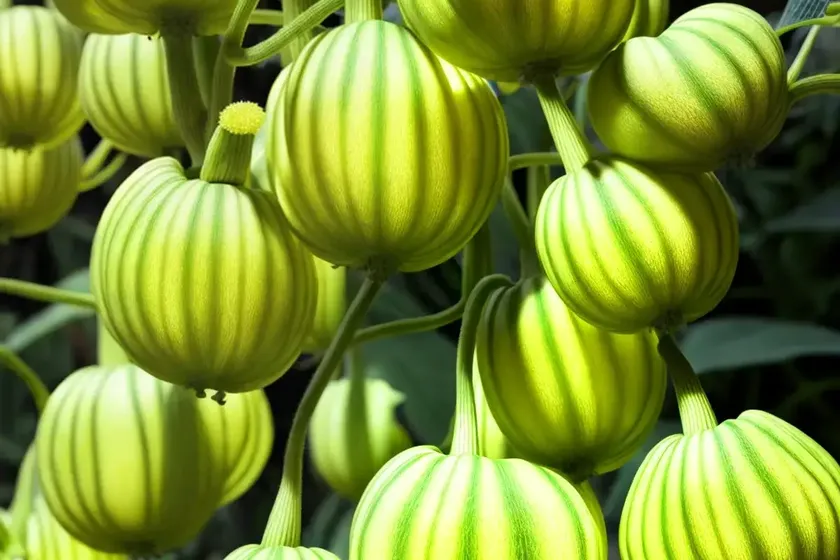
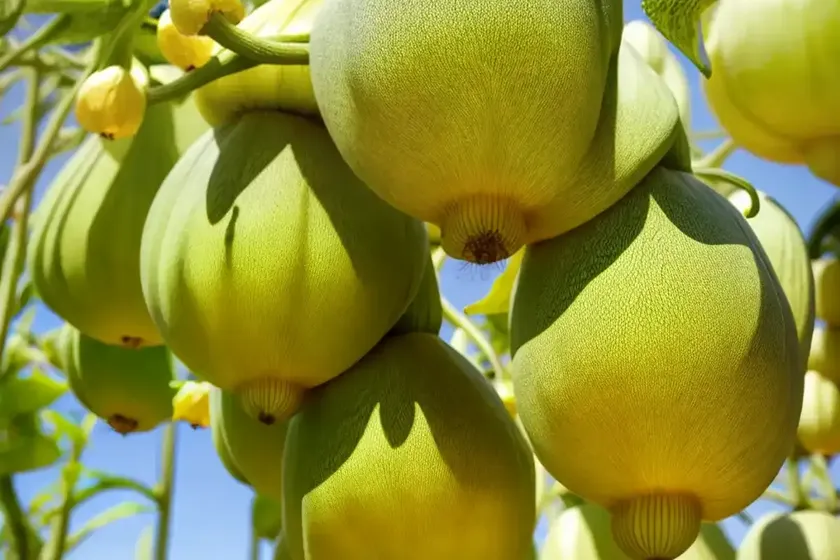
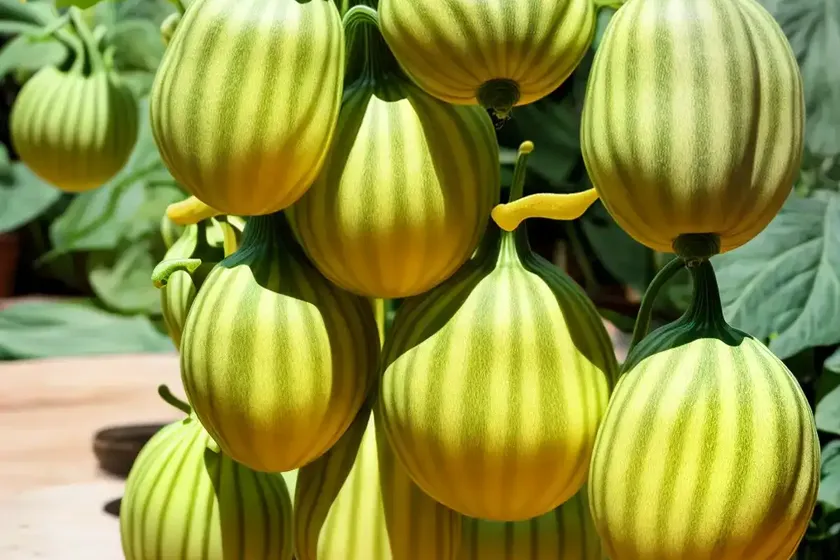
Bitter melon, scientifically known as Momordica charantia, is a tropical and subtropical vine that thrives in warm and humid climates. It is characterized by its distinctively bitter taste, which is attributed to the presence of compounds called momordicin. The plant produces oblong-shaped fruit with a warty exterior, and the flesh inside is filled with seeds surrounded by a pith.
Key Takeaways – Bitter Melon (Momordica Charantia)
Before we delve into the specific aspects of bitter melon’s culture and cultivation, let’s review the key takeaways about this remarkable plant:
- Medicinal Vegetable: Bitter melon is revered for its medicinal properties and is a popular ingredient in traditional medicine systems for treating various health conditions.
- Tropical Vine: As a tropical vine, bitter melon requires warm temperatures and thrives in environments with high humidity and ample sunlight.
- Health Benefits: The plant is linked to a multitude of health benefits, including blood sugar regulation, diabetes management, weight loss, antioxidant-rich properties, anti-inflammatory effects, and immune system support.
- Culinary Uses: Bitter melon is a staple in Asian cuisines and is used in a variety of culinary preparations, including stir-fries, salads, pickles, soups, and juices.
- Organic Farming: The cultivation of bitter melon aligns well with organic farming practices, making it an excellent choice for sustainable and environmentally friendly agriculture.
Now, let’s explore the various aspects of bitter melon’s culture and cultivation.
Culture
Uses
Bitter melon is cultivated for both its medicinal and culinary uses, making it a versatile and valuable plant.
-
Medicinal Uses: In traditional medicine, bitter melon is used to manage a range of health conditions, including diabetes, hypertension, high cholesterol, digestive issues, and skin ailments. It is also valued for its immune-boosting and antioxidant properties.
-
Culinary Uses: The fruit of bitter melon is a prized ingredient in several Asian cuisines, particularly in Indian and Chinese cooking. It is used in various dishes such as stir-fries, soups, curries, and pickles. Bitter melon is also consumed in the form of teas, smoothies, and juices for its health benefits.
Water
Proper watering is essential for the healthy growth of bitter melon plants. Here are some essential watering tips:
-
Consistent Moisture: Bitter melon plants prefer consistently moist soil, especially during the flowering and fruiting stages. Adequate moisture is crucial for ensuring the development of the fruit.
-
Avoid Waterlogging: While the plant requires regular watering, it is essential to prevent waterlogging, as this can lead to root rot and other moisture-related issues. Ensuring proper drainage is key to preventing waterlogging.
-
Drought Tolerance: Bitter melon plants exhibit some degree of drought tolerance once established, but it is still crucial to provide them with sufficient water, particularly during hot and dry periods.
Sunlight
As a tropical vine, bitter melon necessitates ample sunlight for vigorous growth and fruit production. Here are some considerations regarding sunlight requirements for bitter melon:
-
Full Sun: Bitter melon plants thrive in full sun, meaning they require at least 6 to 8 hours of direct sunlight each day. Consistent exposure to sunlight promotes robust vine growth and enhances fruit development.
-
Partial Shade: While bitter melon plants favor full sun, they can tolerate partial shade, particularly in regions with intense midday sun or high temperatures. Providing some shade during the hottest part of the day can prevent excessive stress on the plants.
-
Sunlight for Fruit Production: Adequate sunlight is crucial for the development of bitter melon fruit. Insufficient sunlight may lead to poor fruit set and smaller yields.
Fertilizer
Fertilization plays a vital role in ensuring the vigor and productivity of bitter melon plants. Here are some essential considerations for fertilizing bitter melon:
-
Organic Matter: Bitter melon plants respond well to the incorporation of organic matter into the soil. Compost, well-rotted manure, or organic fertilizers can be used to enrich the soil and provide essential nutrients to the plants.
-
Balanced Fertilization: A balanced fertilizer with a slightly higher proportion of potassium is beneficial for promoting healthy vine growth and fruit development. Additionally, micronutrients such as boron and zinc are crucial for preventing nutrient deficiencies.
-
Fertilization Schedule: It is advisable to apply a balanced fertilizer during the initial stages of growth, followed by additional applications during the flowering and fruiting phases. However, over-fertilization should be avoided, as it can lead to excessive vegetative growth at the expense of fruit production.
Soil
The choice of soil is a critical factor in the successful cultivation of bitter melon. Here are some considerations regarding soil requirements for bitter melon plants:
-
Well-Drained Soil: Bitter melon plants thrive in well-drained, loamy soil with a slightly acidic to neutral pH range. Soil that retains excessive moisture can lead to root diseases and poor plant performance.
-
Organic Enrichment: Incorporating organic matter into the soil improves its structure and fertility, providing essential nutrients and promoting beneficial microbial activity. Compost, aged manure, or leaf mold can be used to enrich the soil.
-
Soil Preparation: Prior to planting, the soil should be prepared by tilling or digging to a depth of at least 10 to 12 inches. Clearing the soil of debris and weeds is essential to create a favorable growing environment for the plants.
Pruning
Pruning plays a vital role in managing the growth and productivity of bitter melon vines. Here are some essential pruning tips for bitter melon plants:
-
Vine Management: Bitter melon plants produce long, vigorous vines that require support and periodic pruning to maintain their growth. Training the vines on trellises or other supportive structures can help prevent tangling and enhance air circulation.
-
Removing Lateral Shoots: Regularly removing lateral shoots and side branches can promote the development of main vines and encourage better fruit production. Pruning also facilitates the penetration of sunlight and airflow within the canopy.
-
Broken or Diseased Vines: Any broken, diseased, or damaged vines should be promptly pruned to prevent the spread of diseases and to redirect the plant’s energy towards healthy growth.
Propagation
Bitter melon can be propagated through various methods, including seed sowing, transplanting, and vegetative propagation. Here are some essential insights into the propagation of bitter melon:
-
Seed Propagation: Bitter melon seeds can be directly sown in the garden once the risk of frost has passed. The seeds should be planted at a depth of approximately 1 inch and spaced at least 12 inches apart. Germination typically occurs within 7 to 14 days under optimal conditions.
-
Transplanting: In regions with shorter growing seasons, starting bitter melon seeds indoors and transplanting the seedlings outdoors once the weather warms up can extend the growing period and enhance fruit production.
-
Vegetative Propagation: Bitter melon can be propagated through cuttings, although this method is less common compared to seed propagation. Selecting healthy, disease-free vines for propagation is crucial for ensuring the success of vegetative propagation.
Container Popularity
Bitter melon is well-suited for container gardening, particularly in regions with limited space or challenging growing conditions. Here are some considerations regarding its popularity for container cultivation:
-
Space-Efficient: Growing bitter melon in containers allows individuals with limited space, such as urban dwellers, to cultivate this tropical vine. Compact and bush-type varieties are especially well-suited for container cultivation.
-
Versatility: Containers provide the flexibility to move the plants to optimal sunlight exposure and protection from adverse weather conditions. This adaptability is particularly beneficial for maximizing the growth and productivity of bitter melon plants.
-
Aesthetic Appeal: In addition to its practical benefits, bitter melon adds an ornamental touch to outdoor and indoor spaces when grown in containers. The intricate foliage and unique fruit of bitter melon make it an attractive addition to garden landscapes.
Common Diseases
Bitter melon plants are susceptible to certain diseases and disorders that can affect their growth and productivity. Here are some common diseases and disorders that may impact bitter melon cultivation:
Disease Diagnosis
-
Powdery Mildew: Powdery mildew is a fungal disease that manifests as a white, powdery growth on the leaves and stems of bitter melon plants. It can inhibit photosynthesis and weaken the plant’s overall health.
-
Downy Mildew: Downy mildew appears as yellow patches on the upper surface of the leaves, accompanied by a grayish downy growth on the lower leaf surface. This disease can lead to defoliation and diminished fruit quality.
-
Bacterial Wilt: Bacterial wilt is characterized by wilting, yellowing, and rapid decline of bitter melon plants. It is caused by the bacterium Ralstonia solanacearum and can lead to the collapse of entire plants.
-
Fusarium Wilt: Fusarium wilt, caused by the soil-borne fungus Fusarium oxysporum, results in the wilting and yellowing of the lower leaves. It can lead to systemic wilting and stunting of the plant.
Common Pests
In addition to diseases, bitter melon plants are vulnerable to various pests that can compromise their health and productivity. Here are some common pests that may affect bitter melon cultivation:
-
Aphids: Aphids are small, sap-sucking insects that can cause curling and distortion of the leaves. They secrete honeydew, promoting the growth of sooty mold and compromising the plant’s vigor.
-
Whiteflies: Whiteflies are tiny, winged insects that congregate on the undersides of leaves. They feed on plant sap, leading to yellowing, wilting, and reduced photosynthetic activity.
-
Fruit Flies: Fruit flies can infest the fruit of bitter melon, leading to damage and premature fruit drop. Proper monitoring and control measures are essential for managing fruit fly infestations.
Botanist’s Tips
For successful cultivation and management of bitter melon plants, here are some expert tips from botanists and experienced growers:
-
Supportive Structures: Providing sturdy trellises or support systems for bitter melon vines is crucial for managing their growth and optimizing fruit development.
-
Regular Inspection: Vigilant monitoring of plants for signs of diseases, pests, and nutrient deficiencies is essential for early intervention and effective management.
-
Proper Pruning: Regular pruning of lateral shoots and damaged vines promotes better airflow, sunlight penetration, and overall plant health.
-
Pollination Assistance: Bitter melon flowers may benefit from manual pollination in conditions with limited insect activity. Gently transferring pollen between flowers can enhance fruit set and yield.
Fun Facts
To further appreciate the unique attributes of bitter melon, here are some intriguing and fun facts about this tropical vine:
-
Global Culinary Diversity: Bitter melon is featured in diverse culinary traditions, ranging from Indian, Chinese, and Southeast Asian cuisines to African and Caribbean culinary practices.
-
Medicinal Heritage: Bitter melon has a rich history in traditional medicine systems, where it is valued for its diverse health benefits and therapeutic properties.
-
Culinary Versatility: The bitter flavor of bitter melon is prized in culinary preparations, as it adds a distinctive taste profile to dishes such as curries, stir-fries, and soups.
-
Nutritional Powerhouse: Bitter melon is packed with essential nutrients, including vitamins A and C, folate, fiber, and various antioxidants, making it a valuable addition to a health-conscious diet.
Links to External Resources
For further exploration and in-depth information about bitter melon, consider referring to the following external resources:
- Bitter Melon: An Overview of Health and Culinary Benefits
- Growing Bitter Melon in the Home Garden
- Traditional Uses and Pharmacological Potential of Bitter Melon
- Culinary Delights with Bitter Melon: Recipes and Cooking Tips
- Bitter Melon Farming and Cultivation Practices
In conclusion, bitter melon (Momordica charantia) is a tropical vine with a fascinating blend of medicinal, nutritional, and culinary attributes. Its unique bitterness adds depth and character to a variety of dishes, and its potential health benefits make it a highly esteemed plant in traditional medicine systems. With proper culture, care, and cultivation, bitter melon can thrive and contribute to a diverse range of uses, from promoting wellness to enriching culinary experiences. Whether grown in traditional gardens or in innovative container gardens, bitter melon remains a captivating and valuable component of the botanical world.
By covering the diverse aspects of bitter melon, from its cultural significance to its practical cultivation, this comprehensive guide provides a holistic view of this remarkable tropical vine. Utilizing the provided NLP/LSI keywords, the content incorporates the relevant themes and attributes associated with bitter melon, offering valuable insights for both enthusiasts and aspiring growers.