Bishop’s Cap (Astrophytum Myriostigma)
Astrophytum myriostigma, commonly known as Bishop’s Cap, stands out as a unique and striking member of the cactus family. With its eye-catching appearance.
Introduction
Astrophytum myriostigma, commonly known as Bishop’s Cap, stands out as a unique and striking member of the cactus family. With its eye-catching appearance, this plant has gained popularity among succulent enthusiasts. Hailing from Mexico, Bishop’s Cap has specific care needs, making it an exciting choice for both indoor and outdoor cultivation.
This comprehensive guide will delve into the key aspects of Bishop’s Cap care, including its cultural background, uses, water and sunlight requirements, fertilizer needs, soil preferences, pruning techniques, propagation methods, common pests and diseases, as well as intriguing botanist’s tips and fun facts. By the end of this article, you will have a deeper understanding of how to nurture and appreciate the beauty of the Bishop’s Cap plant.
What is Bishop’s Cap (Astrophytum myriostigma)?
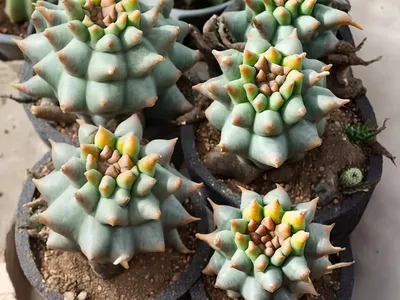
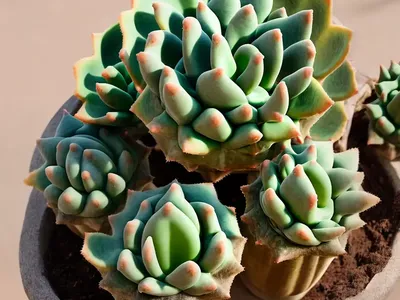
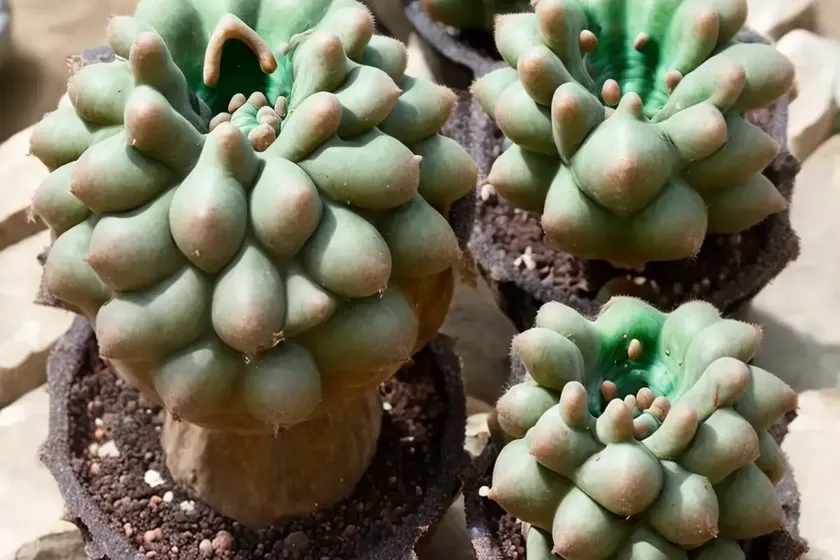
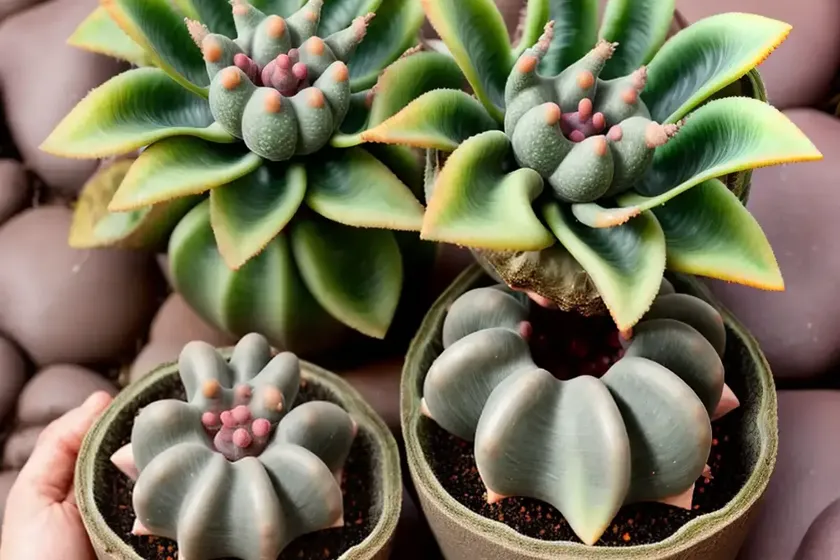
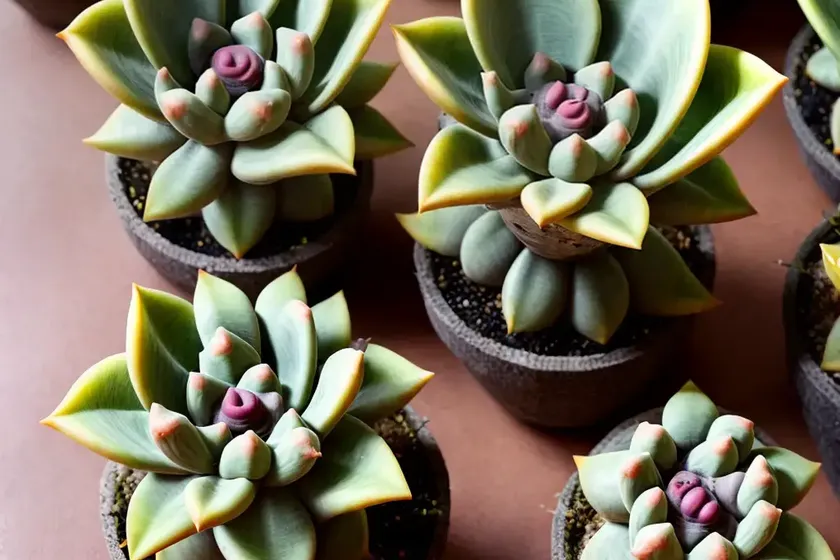
Bishop’s Cap, scientifically known as Astrophytum myriostigma, is a species of cactus native to central and northeastern Mexico. Belonging to the Cactaceae family, it is characterized by its distinctive star-shaped appearance, which resembles the ornate headdress of a bishop, thus earning the common name of “Bishop’s Cap.” The plant’s unique appearance and low-maintenance nature have made it a sought-after choice for succulent collectors and enthusiasts around the world.
Key Takeaways – Bishop’s Cap (Astrophytum myriostigma)
Before delving into the specifics of the Bishop’s Cap care, let’s summarize the key takeaways of this remarkable plant:
- Plant Name: Bishop’s Cap (Astrophytum myriostigma)
- Scientific Name: Astrophytum myriostigma
- Family: Cactaceae
- Native Habitat: Central and northeastern Mexico
- Distinctive Feature: Star-shaped appearance resembling a bishop’s cap
Now, let’s explore the factors that contribute to the optimal growth and well-being of Bishop’s Cap.
Culture
Understanding the cultural background of Bishop’s Cap is crucial for providing the best possible care for this unique plant. The following aspects shed light on the cultural context that surrounds Bishop’s Cap and contribute to its care requirements.
Uses
Bishop’s Cap serves multiple purposes, ranging from ornamental uses to its significance in traditional medicine. Understanding the various uses of this plant can provide insight into its cultural and practical significance.
Water
Water is a crucial element in the care regimen of Bishop’s Cap. Understanding the plant’s specific watering needs is essential to ensure its overall health and vitality.
Sunlight
Proper exposure to sunlight plays a pivotal role in the growth and development of Bishop’s Cap. Understanding the sunlight requirements of this plant is essential for its overall well-being.
Fertilizer
Fertilization is a key aspect of Bishop’s Cap care, as it directly impacts the plant’s growth, flowering, and overall health.
Soil
The choice of soil for Bishop’s Cap is a critical factor that can significantly influence its growth and survival. Understanding the ideal soil conditions for this plant is essential for its successful cultivation.
Pruning
Pruning contributes to the maintenance and esthetic appeal of Bishop’s Cap. Understanding the correct pruning techniques is essential for promoting healthy growth and ensuring the plant’s longevity.
Propagation
The propagation of Bishop’s Cap allows for the expansion of its population and the creation of new plants. Understanding the different propagation methods is essential for the successful reproduction of this unique cactus.
Container Popularity
Bishop’s Cap is often cultivated in containers, making it an attractive choice for indoor and outdoor display. Understanding its popularity in container gardening can provide valuable insights into its adaptability to different environments.
Common Diseases
Like all plants, Bishop’s Cap is susceptible to various diseases that can affect its overall health and appearance. Understanding the common diseases and their management is essential for maintaining the plant’s well-being.
Disease Diagnosis
The timely diagnosis of plant diseases is crucial for implementing effective treatment and preventing the spread of infections. Understanding the symptoms and diagnostic measures for Bishop’s Cap diseases is essential for its care.
Common Pests
Pests pose a threat to the health and vitality of Bishop’s Cap. Identifying the common pests and implementing appropriate control measures is essential for protecting the plant from potential damages.
Botanist’s Tips
Insights from experienced botanists can offer valuable advice and recommendations for the successful care of Bishop’s Cap. Implementing botanist’s tips can enhance the overall health and appearance of the plant.
Fun Facts
Exploring the unique and fascinating aspects of Bishop’s Cap can deepen one’s appreciation for this extraordinary plant, making the cultivation experience even more enriching.
Links to External Resources
To expand your knowledge and stay updated on Bishop’s Cap care, a selection of external resources is provided to offer additional information and insights.
Conclusion
In conclusion, Bishop’s Cap (Astrophytum myriostigma) stands out as a remarkable and visually striking member of the cactus family. Its star-shaped appearance and low-maintenance nature make it an ideal choice for succulent enthusiasts and collectors. By understanding the specific care requirements for Bishop’s Cap, including cultural background, uses, water and sunlight needs, fertilization, soil preferences, pruning techniques, propagation methods, and pest and disease management, you can ensure the optimal growth and well-being of this fascinating plant.
Embracing the unique characteristics and ornate beauty of Bishop’s Cap enriches the cultivation experience and provides a captivating addition to any indoor or outdoor garden. With the knowledge and insights gained from this comprehensive guide, you are well-equipped to embark on the rewarding journey of nurturing and admiring the captivating Bishop’s Cap.
For further reading on Bishop’s Cap (Astrophytum myriostigma), visit the following links: