Bird’s Rape (Brassica rapa): A Comprehensive Guide
Introduction
Brassica rapa, commonly known as bird’s rape, is a versatile plant with a wide range of uses and benefits. This plant belongs to the Brassicaceae family and is cultivated for various purposes, including food, animal forage, wildlife habitats, and soil improvement. In this comprehensive guide, we will explore the cultivation, uses, care, and maintenance of bird’s rape, along with its characteristics, diseases, and pests.
What is Bird’s Rape (Brassica rapa)?
Bird’s rape (Brassica rapa) is a member of the Brassica genus, which includes numerous economically important crops such as turnips, bok choy, and napa cabbage. This species is known for its rapid growth and adaptability to a wide range of environmental conditions. Bird’s rape is valued for its nutritional content, attractive flowers, and role in ecological systems.
Key Takeaways
Here are the key takeaways regarding Bird’s rape (Brassica rapa):
- Cultivation: Bird’s rape can be easily cultivated in temperate climates and is often used as a cover crop and for crop rotation.
- Uses: It has various uses, including as a food source, forage for animals, and as a habitat for wildlife.
- Care: Proper care includes adequate watering, sunlight exposure, and suitable soil and fertilizer.
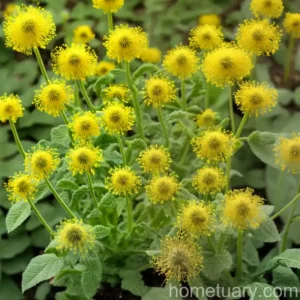
- Characteristics: Bird’s rape is known for its rapid growth, attractive flowers, and adaptability.
- Diseases and Pests: Common diseases and pests may affect bird’s rape, and appropriate management strategies are essential.
Now, let’s delve into each of these aspects in detail.
Cultivation
Water
Bird’s rape requires adequate water for optimal growth and development. However, it is essential to avoid waterlogging, which can lead to root rot and other issues. A well-draining soil that retains moisture without becoming waterlogged is ideal for bird’s rape cultivation.
Sunlight
This plant thrives in full sunlight, although it can tolerate partial shade. Providing at least 6 hours of direct sunlight per day is recommended for optimal growth and flower production.
Fertilizer
To support vigorous growth and abundant flowering, bird’s rape benefits from well-balanced fertilization. A general-purpose fertilizer with balanced nutrients can be applied at the beginning of the growing season, and additional fertilizer applications can be made based on the plant’s performance and soil nutrient levels.
Soil
Bird’s rape grows well in fertile, well-draining soil. It prefers soil with a slightly acidic to neutral pH. Amending the soil with organic matter before planting can improve its structure and fertility, creating an optimal growing environment for bird’s rape.
Pruning
Pruning bird’s rape is not typically necessary for home gardeners, although deadheading spent flowers can encourage prolonged blooming. In agricultural settings, pruning or mowing may be performed to manage plant height and density when bird’s rape is used as a cover crop or forage.
Propagation
Bird’s rape can be propagated from seeds, which are generally sown directly into the ground. Ensuring good seed-to-soil contact and consistent moisture levels can promote successful germination and establishment.
Container Popularity
While bird’s rape is primarily grown in outdoor settings, it can also be cultivated in large containers or raised beds. This versatility makes it suitable for urban and small-space gardening.
Uses
Food Source
The young leaves and flowering shoots of bird’s rape are edible and are used in various culinary preparations. They can be consumed raw in salads or cooked in stir-fries, soups, and other dishes. The flavor is often described as mild and slightly peppery.
Forage for Animals
In agricultural and livestock contexts, bird’s rape is valued as a nutritious forage crop for animals. Its foliage provides a source of fodder for grazing animals, contributing to their dietary needs.
Wildlife Habitat
Bird’s rape serves as a valuable habitat and food source for various wildlife species, including insects, birds, and small mammals. Its nectar-rich flowers attract pollinators, while its dense foliage offers shelter and nesting sites for wildlife.
Soil Improvement
When used as a cover crop, bird’s rape contributes to soil improvement by suppressing weeds, preventing soil erosion, and adding organic matter upon decomposition. Additionally, its deep root system can help to break up compacted soil layers and improve soil structure.
Common Diseases and Pests
Disease Diagnosis
Bird’s rape is susceptible to several diseases, including downy mildew, clubroot, and blackleg. Regular monitoring for symptoms such as leaf spots, wilting, and stunted growth can aid in early disease diagnosis. Proper crop rotation and soil sanitation can help manage and prevent disease outbreaks.
Common Pests
Pests such as flea beetles and caterpillars can damage the foliage of bird’s rape, impacting plant health and productivity. Integrated pest management practices, including the use of physical barriers and biological controls, can help mitigate pest pressures.
Botanist’s Tips
- Companion Planting: Pairing bird’s rape with compatible plants, such as legumes and grains, can enhance its growth and contribute to a diverse and balanced ecosystem within the garden or agricultural field.
- Crop Rotation: Including bird’s rape in crop rotation plans can help break disease cycles, improve soil health, and promote sustainable agricultural practices.
- Harvest Timing: If bird’s rape is cultivated for its edible shoots and leaves, harvesting them when they are young and tender can result in the best flavor and texture.
Fun Facts
- Bird’s rape is commonly used as a green manure, contributing to soil fertility and structure.
- The species Brassica rapa includes various subspecies and cultivars with distinct characteristics and uses, ranging from turnips to oilseed varieties.
Links to External Resources
To learn more about bird’s rape (Brassica rapa) and related topics, explore the following links:
- Brassica rapa: A Model Species for Plant Biology Research
- Benefits of Growing Bird’s Rape
- Brassica rapa Varieties and Cultivation
- Health Benefits of Consuming Brassica rapa
Conclusion
Bird’s rape (Brassica rapa) is a plant of great versatility and value, contributing to food systems, ecological diversity, and agricultural sustainability. By understanding its cultivation, uses, care requirements, and associated challenges, individuals and communities can effectively incorporate bird’s rape into their landscapes, farming practices, and conservation efforts. Whether as a source of nutrition, a support for wildlife, or an agent of soil improvement, bird’s rape stands as a testament to the significance of botanical diversity and its impact on our lives and environments.