Bigleaf Hydrangea (Hydrangea macrophylla ‘All Summer Beauty’) Care Guide
Bigleaf hydrangea, scientifically known as Hydrangea macrophylla ‘All Summer Beauty’, is a stunning and popular flowering shrub that is cherished by gardeners for its large, lush blooms and its ability to thrive in a variety of environments. In this comprehensive care guide, we will delve into everything you need to know about cultivating and caring for bigleaf hydrangeas, from its cultural needs to common diseases and pests, propagation, and container gardening. Whether you are a seasoned gardener or a novice plant enthusiast, this guide will provide valuable insights to help you successfully grow and maintain these beautiful plants.
What is Bigleaf Hydrangea (Hydrangea macrophylla ‘All Summer Beauty’)?
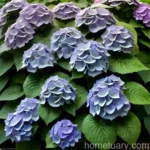
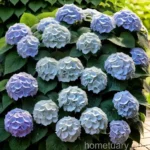
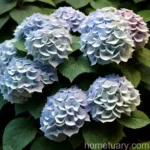
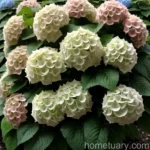
Bigleaf hydrangea, or Hydrangea macrophylla ‘All Summer Beauty’, is a deciduous shrub that belongs to the Hydrangeaceae family. Native to Japan, Korea, and China, it is widely cultivated for its large and showy flower heads, which range in color from blue to pink, depending on the soil pH. This ornamental shrub is prized for its ability to thrive in diverse climates and its stunning, long-lasting blooms. The ‘All Summer Beauty’ variety is particularly renowned for its ability to bloom continuously throughout the summer, adding vibrant splashes of color to gardens and landscapes.
Bigleaf hydrangeas are characterized by their large, serrated leaves and dome-shaped flower clusters, which are composed of both sterile and fertile flowers. The plant’s distinctive flowers and foliage make it a standout addition to home gardens, parks, and public spaces, imparting a touch of elegance and charm to any setting.
Key Takeaways – Bigleaf Hydrangea (Hydrangea macrophylla ‘All Summer Beauty’)
Before we delve into the care and maintenance of bigleaf hydrangeas, let’s underline some key points about this remarkable plant.
- Scientific Name: Hydrangea macrophylla ‘All Summer Beauty’
- Common Name: Bigleaf Hydrangea
- Bloom Time: Continuous bloomer throughout the summer
- Flower Colors: Blue or pink, influenced by soil pH
- Foliage: Large, serrated leaves
- Cultural Uses: Ornamental, landscaping, cut flowers
- Hardiness Zones: 5-9
- Growth Habit: Deciduous shrub
Now that we have a basic understanding of bigleaf hydrangeas, let’s explore the essential aspects of caring for these captivating plants.
Culture
Water
Proper watering is crucial for the health and vitality of bigleaf hydrangeas. These plants prefer consistently moist, well-draining soil, especially during the growing season. However, overwatering can lead to root rot and other moisture-related issues. Here are some essential watering tips for bigleaf hydrangeas:
- Consistent Moisture: Ensure that the soil remains consistently moist, but not waterlogged. Aim to water the plants deeply to encourage strong root development.
- Mulching: Apply a layer of organic mulch around the base of the plant to help retain soil moisture and regulate soil temperature. This is particularly beneficial during hot and dry periods.
- Leaf Monitoring: Keep an eye on the leaves for any signs of wilting, as this may indicate that the plant is not receiving adequate water.
Sunlight
Bigleaf hydrangeas thrive in partially shaded to dappled sunlight conditions. While they can tolerate some morning sun, they generally prefer protection from the intense afternoon sun, especially in warmer climates. When selecting a planting location for your bigleaf hydrangeas, consider the following sunlight preferences:
- Morning Sun: Opt for a location that receives morning sun and partial shade in the afternoon. This will help the plants receive sufficient light while avoiding excessive heat and sun exposure.
- Dappled Shade: If planting under large trees or near structures, ensure that the plants receive dappled shade throughout the day. This will protect them from harsh sunlight and minimize the risk of leaf scorch.
Fertilizer
Feeding bigleaf hydrangeas with the appropriate fertilizer can significantly enhance their growth and flowering performance. It’s essential to provide them with a well-balanced, slow-release fertilizer that is specially formulated for acid-loving plants. Here’s how to effectively fertilize your bigleaf hydrangeas:
- Timing: Apply a slow-release, balanced fertilizer in early spring, just before new growth emerges. Avoid fertilizing late in the growing season, as this can stimulate tender growth that may be susceptible to cold damage.
- Acidic Fertilizer: Use a fertilizer with a higher potassium and phosphorus content to promote healthy root development and vibrant blooms. Look for formulations designed for azaleas, camellias, and rhododendrons.
- Application Method: Sprinkle the fertilizer evenly around the base of the plant, taking care not to allow the granules to come into direct contact with the stems or leaves. Water the plants thoroughly after application to facilitate nutrient absorption.
Soil
The soil composition plays a vital role in the overall health and vigor of bigleaf hydrangeas. These plants thrive in well-draining, humus-rich soil with a slightly acidic to neutral pH. When preparing the soil for planting or maintaining existing plants, consider the following soil requirements:
- Acidic to Neutral pH: Aim for a soil pH range of 5.5 to 6.5, as this is conducive to optimal nutrient uptake and flower color development. Use a soil testing kit to determine the pH of your soil and make necessary amendments.
- Organic Matter: Incorporate organic matter such as compost, peat moss, or well-rotted manure into the soil to improve its texture and fertility. This will also enhance moisture retention and promote beneficial microbial activity.
- Drainage: Ensure that the soil provides efficient drainage to prevent waterlogging, which can lead to root rot and other moisture-related issues.
Pruning
Proper pruning is essential for maintaining the health, shape, and blooming potential of bigleaf hydrangeas. Understanding the different types of blooms and their growth habits is crucial when developing a pruning strategy for these plants. Here’s a basic guide to pruning bigleaf hydrangeas:
- Pruning Time: Bigleaf hydrangeas should be pruned immediately after flowering, typically in late summer to early fall. This allows ample time for new growth to develop and bloom the following year.
- Blooming Types: Bigleaf hydrangeas produce flowers on old wood (last year’s growth) and new wood (current season’s growth). It’s important to identify the type of blooms to determine the appropriate pruning approach.
Pruning Old Wood Blooms
- Selective Removal: After flowering, selectively prune out any dead or weak stems, as well as spent flower heads. This will improve air circulation and prevent overcrowding.
- Minimal Cutting: Avoid extensive pruning of old wood, as this can reduce the potential for next year’s blooms. Focus on tidying up the plant rather than heavy pruning.
Pruning New Wood Blooms
- Moderate Pruning: Trim the new wood stems to achieve the desired shape and size for the plant. Aim for a balanced and open structure that allows light and air to penetrate the canopy.
- Tip Pruning: When new growth emerges in spring, you can encourage branching and more compact growth by lightly pruning the tips of the stems.
Propagation
Propagating bigleaf hydrangeas can be a rewarding way to create new plants and expand your collection. This can be achieved through several methods, including softwood cuttings, layering, and division. Each propagation method offers unique advantages and challenges, so it’s essential to select the most suitable approach based on your skills and resources.
Softwood Cuttings
- Timing: Take softwood cuttings in early summer when the stems are young and tender. Look for healthy, non-flowering shoots with 2 to 4 leaf nodes.
- Preparation: Remove the lower leaves from the cutting, leaving only the topmost set of leaves. Dip the cut end in rooting hormone to promote quicker root development.
- Rooting Medium: Plant the cuttings in a well-draining rooting medium, such as a blend of perlite and peat moss. Maintain consistent moisture and provide gentle bottom heat to encourage rooting.
Layering
- Stem Selection: Identify a healthy, flexible stem near the base of the plant that can be easily manipulated and buried in the soil.
- Burying the Stem: Gently wound the selected stem and bury it in a prepared trench or container filled with moist, well-draining soil. Keep the buried portion of the stem anchored with a stone or wire.
- Rooting Process: Over time, the buried stem will develop roots, at which point it can be separated from the parent plant and transplanted to a new location.
Division
- Mature Plants: Divide established bigleaf hydrangeas in early spring before new growth begins. This method is ideal for rejuvenating overgrown plants and creating new specimens.
- Root Division: Carefully dig up the plant and separate the root ball into smaller sections, each containing healthy roots and shoots. Replant the divided sections in prepared soil and provide adequate moisture and care.
Container Popularity
Bigleaf hydrangeas are well-suited for container gardening, where they can be showcased on patios, balconies, and in smaller outdoor spaces. Their compact size, attractive foliage, and stunning blooms make them an ideal choice for container planting. When growing bigleaf hydrangeas in containers, consider the following tips to ensure their success:
- Container Selection: Choose a large, sturdy container with adequate drainage holes to support the plant’s growth and root development.
- Potting Mix: Use a high-quality, well-draining potting mix enriched with organic matter to provide essential nutrients and promote healthy root growth.
- Watering Needs: Container-grown hydrangeas may require more frequent watering, especially during hot and dry periods. Monitor the soil moisture regularly and adjust your watering schedule as needed.
- Sunlight: Position the containers in a location that receives morning sun and partial shade in the afternoon. This will help the plants thrive while avoiding excessive heat and sun exposure.
Common Diseases
While bigleaf hydrangeas are relatively low-maintenance plants, they are susceptible to certain diseases, particularly those related to fungal infections and environmental stress. Recognizing the symptoms of common diseases and implementing preventative measures is essential for safeguarding the health of these plants.
Disease Diagnosis
Powdery Mildew
- Symptoms: The presence of powdery, white spots or patches on the leaves. These areas may become discolored or distorted as the infection progresses.
- Prevention: Avoid overcrowding and excessive humidity. Provide adequate air circulation and ensure the plants receive sufficient sunlight to minimize the risk of infection.
Cercospora Leaf Spot
- Symptoms: Small, circular lesions with dark purple centers and reddish-brown margins on the leaves. The affected areas may eventually lead to leaf yellowing and premature defoliation.
- Prevention: Practice good sanitation by removing and disposing of infected plant material. Avoid overhead watering to minimize splashing and the spread of spores.
Botrytis Blight
- Symptoms: Brown or grayish mold on the flowers, buds, and tender new growth. This is often accompanied by wilting and decay of the affected plant parts.
- Prevention: Provide proper air circulation and remove any decaying or dead plant material promptly. Avoid overhead watering and excess moisture around the plants.
Common Pests
Bigleaf hydrangeas are generally resistant to most pests, but they can occasionally attract certain insect species that may cause damage to the foliage and flowers. Vigilance and early intervention are key to preventing pest infestations and minimizing their impact on the plants.
Aphids
- Identification: Small, soft-bodied insects that may be green, black, or brown in color. They tend to cluster on the undersides of leaves and along tender shoots.
- Control Measures: Use a strong stream of water to dislodge the aphids from the plant. Alternatively, apply insecticidal soap or neem oil to effectively manage the infestation.
Spider Mites
- Identification: These tiny arachnids are usually red or brown and can be found on the undersides of the leaves, where they feed on plant fluids, causing stippling and webbing.
- Control Measures: Introduce natural predators such as ladybugs or lacewings to the garden. Regularly hose down the plants to reduce mite populations and minimize their impact.
Botanist’s Tips
To further assist you in successfully caring for your bigleaf hydrangeas, here are some expert tips from seasoned botanists and horticulturalists:
- Site Selection: Choose a planting location that provides protection from strong winds and excessive sun exposure, especially in hot climates. Consider planting near trees or structures that can offer dappled shade throughout the day.
- Mulching Practices: Apply a layer of organic mulch around the base of the plant to retain soil moisture, suppress weed growth, and regulate soil temperature. Maintain a gap between the mulch and the plant’s stems to prevent excessive moisture buildup.
- Pruning Techniques: When pruning bigleaf hydrangeas, focus on removing the oldest and weakest stems, as well as spent flower heads. This will encourage healthy growth and future blooming.
- Soil Amendments: Regularly incorporate organic matter such as compost, peat moss, or aged manure into the soil to improve its structure, fertility, and water-holding capacity.
- pH Monitoring: Keep track of the soil pH in your garden and make necessary adjustments to influence the flower color of bigleaf hydrangeas. Acidify the soil with products containing sulfur or aluminum sulfate for blue blooms, while adding lime can turn the flowers pink.
Fun Facts
- Bigleaf hydrangeas are commonly used in floral arrangements and bouquets due to their striking blooms and long vase life.
- The flower colors of bigleaf hydrangeas can be manipulated by altering the soil pH, with acidic soils producing blue flowers and alkaline soils yielding pink flowers.
- Bigleaf hydrangeas are versatile and can be grown as standalone specimens, hedges, or incorporated into mixed borders for a stunning display of color and texture.
- The name “Hydrangea” is derived from the Greek words “hydor,” meaning water, and “aggos,” meaning vessel or jar, in reference to the plant’s water-retaining capabilities.
Links to External Resources
For further information on bigleaf hydrangea care, propagation, and landscaping ideas, explore the following resources:
- American Hydrangea Society
- The Royal Horticultural Society – Hydrangeas for Gardens
- University of Georgia Extension – Growing Hydrangeas in Georgia
- Missouri Botanical Garden – Hydrangea macrophylla ‘All Summer Beauty’
In conclusion, bigleaf hydrangeas are enchanting and versatile plants that can transform any garden or landscape with their captivating blooms and lush foliage. By understanding their cultural requirements, propagation methods, and common issues, you can confidently cultivate and enjoy these stunning shrubs in your outdoor spaces. Whether you are drawn to their vibrant flower colors, their resilience in diverse climates, or their utility in floral arrangements, bigleaf hydrangeas are sure to make a remarkable addition to your botanical collection.
Creating a nurturing environment for bigleaf hydrangeas involves attention to detail and a genuine appreciation for these iconic plants. With the insights and tips provided in this guide, you are well-equipped to embark on a rewarding journey of caring for and enjoying the beauty of bigleaf hydrangeas.
Remember to closely monitor your plants, respond to their needs with care and consideration, and celebrate the abundance of blooms and foliage they generously offer throughout the growing season. With each passing year, your bigleaf hydrangeas will become more magnificent, contributing to the timeless allure of your garden and the joy of everyone who beholds them.