Best Wood for Beds: Durable and Stylish Choices
Compare woods for bed frames — oak, walnut, maple, mahogany, pine and more — by durability, look, cost and care.
When it comes to choosing the perfect bed frame, the type of wood used is a crucial factor. Not only does it determine the durability and longevity of your bed, but it also plays a significant role in the overall style and aesthetic appeal. As an eco-conscious shopper, it is essential to consider sustainable options that contribute to the preservation of our environment.
In this article, I will guide you through the best wood choices for bed frames that strike a perfect balance between durability and style. From hardwoods known for their strength and resilience to softwoods offering versatility and cost-effectiveness, you’ll discover the ideal wood option for your next eco-friendly bed frame.
Key Takeaways
- Choosing the right wood for your bed frame is essential for durability and style
- Hardwoods like Walnut, Oak, Mahogany, Cherry, Maple, Rosewood, and Teak offer durability and various aesthetic options
- Softwoods like Yellow Pine, White Pine, and Cedar provide versatility and cost-effectiveness
- Consider factors such as durability, strength, aesthetics, and cost when selecting the best wood for your bed frame
- Personal preference and specific needs play a crucial role in the final choice
The 9 Best Hardwoods for a Bed Frame
When it comes to choosing the best wood for a bed frame, hardwoods are often the top choice due to their durability and strength. Hardwoods are known for their ability to withstand wear and tear, providing a sturdy foundation for your bed. In this section, I will highlight the 9 best hardwoods that are ideal for bed frames, combining both durability and aesthetic appeal.
1. Walnut
Walnut is a popular hardwood choice for bed frames due to its stunning dark brown color and attractive grain pattern. Not only is walnut incredibly durable, but it is also resistant to moisture and warping. Additionally, walnut contains natural oils that provide protection against water damage and rot.
2. Red Oak
Red Oak is another excellent option for bed frames. It is known for its strength and durability, making it an ideal choice for furniture that is built to last. Red Oak has high tannin levels, which offer natural protection against rot, decay, and insect infestation.
3. White Oak
White Oak, like Red Oak, is a hardwood that offers exceptional durability. It has a classic, timeless look and is highly resistant to rot and decay. White Oak is often used for outdoor furniture, showcasing its ability to withstand various weather conditions.
4. Mahogany
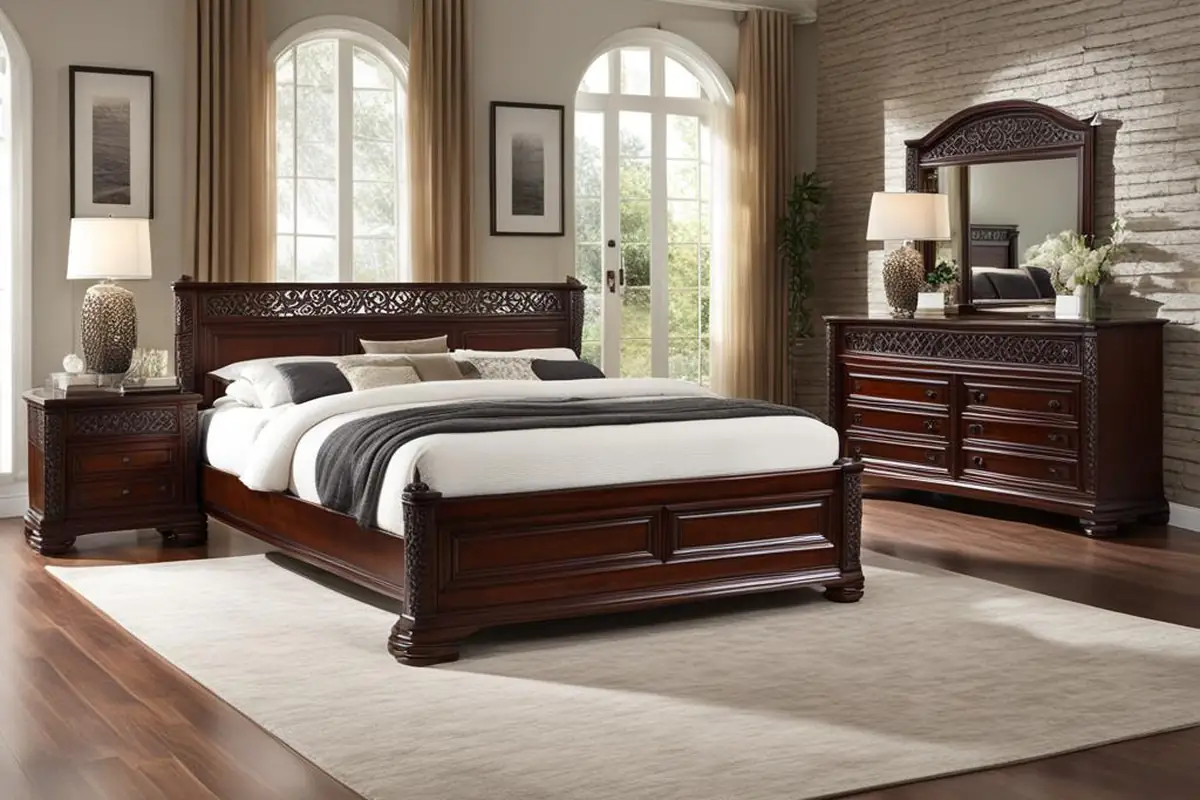
Mahogany is a beautiful hardwood that is commonly used for luxurious bed frames. It features a rich reddish-brown color that darkens over time, creating an elegant and sophisticated look. Mahogany is highly durable and offers natural resistance to decay, making it an excellent choice for long-lasting bed frames.
5. Cherry
Cherry wood is known for its natural decay resistance and distinct grain pattern. It has a light pink hue that darkens over time, resulting in an attractive red-toned or reddish-brown color. While cherry may not be the most durable hardwood, it offers a versatile, attractive appearance.
6. Poplar
Poplar is a popular choice for bed frames due to its affordability. While it may not be as strong and durable as other hardwoods, it is lightweight and easy to work with. Poplar is also known for its ability to take paint and stain well, providing endless customization options for your bed frame.
7. Maple
Maple wood is a strong and durable option for bed frames. It is known for its natural look and light color tone. Maple is often favored for its strength-to-weight ratio, making it an excellent choice for those seeking a sturdy yet lightweight bed frame.
8. Rosewood
Rosewood is an exquisite hardwood choice for bed frames. It features a unique golden brown color and distinctive grain structures, giving it a luxurious appearance. Rosewood is solid, durable, and can be highly polished to create a beautiful finish.
9. Teak
Teak wood is renowned for its natural resistance to water and insects, making it a popular choice for outdoor furniture. It has a rich color and retains its shape and color over time. Teak is a strong and durable hardwood that ensures the longevity of your bed frame.
| Hardwood | Durability | Aesthetic Appeal |
|---|---|---|
| Walnut | High | Stunning dark brown color and attractive grain pattern |
| Red Oak | High | Classic look with natural protection against rot and decay |
| White Oak | High | Durable hardwood with a timeless aesthetic |
| Mahogany | High | Luxurious reddish-brown color and resistance to decay |
| Cherry | Medium | Natural decay resistance and distinct grain pattern |
| Poplar | Medium | Affordable option with easy customization |
| Maple | High | Natural look and lightweight strength |
| Rosewood | High | Exquisite finish with distinctive grain structures |
| Teak | High | Natural resistance to water and insects |
Walnut Wood for Bed Frames
When it comes to choosing the best wood for bed frames, walnut wood is a top contender. Known for its stunning dark brown color and attractive grain pattern, walnut wood adds a touch of elegance to any bedroom. But its appeal goes beyond aesthetics – walnut wood is highly durable and resistant to moisture and warping, making it an excellent choice for a long-lasting bed frame.
One of the key advantages of walnut wood is its natural oil content. These oils act as a protective barrier, shielding the wood from water damage and rot. This means that your walnut bed frame will remain in excellent condition even after years of use. However, it’s important to note that walnut wood can be slightly more expensive than other options and may require special finishes or extra oiling to maintain its rich color over time.
In addition to its durability, walnut wood is also a sustainable choice. Walnut trees grow relatively quickly and can be harvested in a renewable and responsible manner. By choosing a bed frame made from walnut wood, you can enjoy its beauty while also supporting environmentally friendly practices.
The Benefits of Walnut Wood for Bed Frames
- Stunning dark brown color and attractive grain pattern
- Highly durable and resistant to moisture and warping
- Natural oils protect against water damage and rot
- Sustainable choice
“Walnut wood is not only beautiful but also durable and sustainable, making it an ideal choice for bed frames.”
Whether you prefer a modern or classic style, a walnut bed frame will seamlessly blend with any bedroom decor. Its rich color and natural beauty make it a timeless choice that will enhance the overall aesthetic of your sleeping space. So, if you’re looking for a durable and stylish wood for your bed frame, walnut wood is definitely worth considering.
Oak Wood for Bed Frames
Oak is one of the most popular choices when it comes to selecting a wood for bed frames. It is renowned for its durability, strength, and classic look. Oak wood is known to withstand the test of time, making it an excellent investment for a long-lasting bed frame.
With its rich and warm tones, oak bed frames bring a touch of elegance and sophistication to any bedroom. The natural variations in the grain pattern give each piece a unique and timeless appeal. Whether you prefer a traditional or contemporary aesthetic, oak bed frames can complement any style.
Not only is oak aesthetically pleasing, but it is also a durable wood choice for bed frames. It is resistant to wear and tear, making it suitable for everyday use. Oak has high levels of tannins, which naturally protect it against rot, decay, and insect infestation. However, it is important to note that oak can be heavy, so make sure to take this into consideration when selecting a bed frame.
Table: Comparison of Oak Bed Frames
| Feature | Advantages | Considerations |
|---|---|---|
| Durability | Highly durable and can withstand everyday use | Can be heavy |
| Aesthetics | Classic and timeless look | May require regular maintenance and polishing to maintain appearance |
| Resistance | Naturally resistant to rot, decay, and insect infestation | May require regular maintenance with oiling or waxing |
As with any wood choice, proper maintenance is crucial to ensure the longevity of oak bed frames. Regular cleaning and occasional oiling or waxing can help preserve the wood’s natural beauty and protect it from environmental factors. With its durability and classic charm, oak is an excellent choice for those who value both style and longevity in their bed frames.
Mahogany Wood for Bed Frames
When it comes to choosing a durable wood for bed frames, mahogany is an excellent option to consider. Mahogany wood is known for its natural decay resistance, making it highly durable and long-lasting. This type of wood offers exceptional strength and stability, ensuring that your bed frame will withstand regular use without compromising its structural integrity.
One of the key advantages of mahogany wood is its beautiful appearance. It features a rich reddish-brown hue that adds a touch of elegance and sophistication to any bedroom. Over time, the color of the wood deepens, creating a stunning patina that enhances its visual appeal. When polished, mahogany exhibits a beautiful glowing sheen, further enhancing its aesthetic appeal.
While mahogany is a durable and attractive wood choice, it is important to note that it can be more expensive compared to other options. Additionally, proper maintenance is essential to preserve its beauty and longevity. Regular waxing or oiling can help maintain the wood’s color and protect it against moisture damage. With proper care, a mahogany bed frame can be a timeless addition to your bedroom.

| Advantages of Mahogany Wood for Bed Frames | Disadvantages of Mahogany Wood for Bed Frames |
|---|---|
|
|
Cherry Wood for Bed Frames
Cherry wood is a fantastic choice for bed frames, offering a combination of natural beauty and durability. With its unique light pink hue that darkens over time, cherry wood creates an attractive red-toned or reddish-brown color that adds elegance to any bedroom. Its straight grain and fine uniform texture further enhance its appeal.
In addition to its aesthetic qualities, cherry wood is known for its natural decay resistance. This makes it an excellent option for bed frames, as it can withstand daily wear and tear while maintaining its structural integrity over time. However, it’s important to note that cherry wood is not the most durable hardwood, so it may require proper care and maintenance to ensure its longevity.
When considering cherry wood for your bed frame, it’s essential to weigh the pros and cons. While it offers natural decay resistance, it may not be as durable as other hardwoods. However, if you prioritize the aesthetic appeal of your bed frame and are willing to invest in its maintenance, cherry wood can be an excellent choice.
Benefits of Cherry Wood for Bed Frames
- Natural decay resistance
- Distinctive and attractive color
- Straight grain and fine uniform texture
“Cherry wood’s unique color and natural decay resistance make it a popular choice for bed frames.”
Table: Comparison of Different Wood Types for Bed Frames
| Wood Type | Durability | Aesthetic Appeal | Natural Decay Resistance |
|---|---|---|---|
| Cherry Wood | Good | Attractive reddish-brown color | Yes |
| Walnut Wood | Excellent | Dark brown color | No |
| Oak Wood | Very good | Classic look | Yes |
| Mahogany Wood | Excellent | Rich reddish-brown color | Yes |
When choosing the best wood for your bed frame, consider your personal preferences, budget, and maintenance capabilities. While cherry wood offers natural decay resistance and an attractive appearance, it’s important to weigh it against other options like walnut, oak, and mahogany. Ultimately, the right choice will depend on your specific needs and design preferences.
Poplar Wood for Bed Frames
- Poplar is an affordable and lightweight wood option for bed frames, making it a popular choice for those on a budget or who need easy maneuverability.
- While it may not be as strong and durable as other hardwoods, poplar is still a viable option for bed frames.
Poplar wood has a straight grain and a smooth texture, making it easy to work with and finish. It takes paint and stain well, allowing you to customize the appearance of your bed frame according to your preferences.
“Poplar wood is a cost-effective solution for bed frames without compromising on aesthetics or functionality. Its lightweight nature makes it easy to transport and maneuver, while its affordability makes it an attractive option for budget-conscious individuals. While it may not be the most durable wood choice, poplar’s versatility and ease of customization make it a practical option for many.”
| Pros | Cons |
|---|---|
| ・ Affordable | ・ Not as strong as other hardwoods |
| ・ Lightweight and easy to move | ・ Prone to scratches and dents |
| ・ Versatile and customizable |
Overall, poplar wood offers an affordable and lightweight option for bed frames. While it may not have the same level of durability as other hardwoods, poplar’s easy workability and customization potential make it a practical choice for those looking for an affordable and stylish bed frame.
Maple Wood for Bed Frames
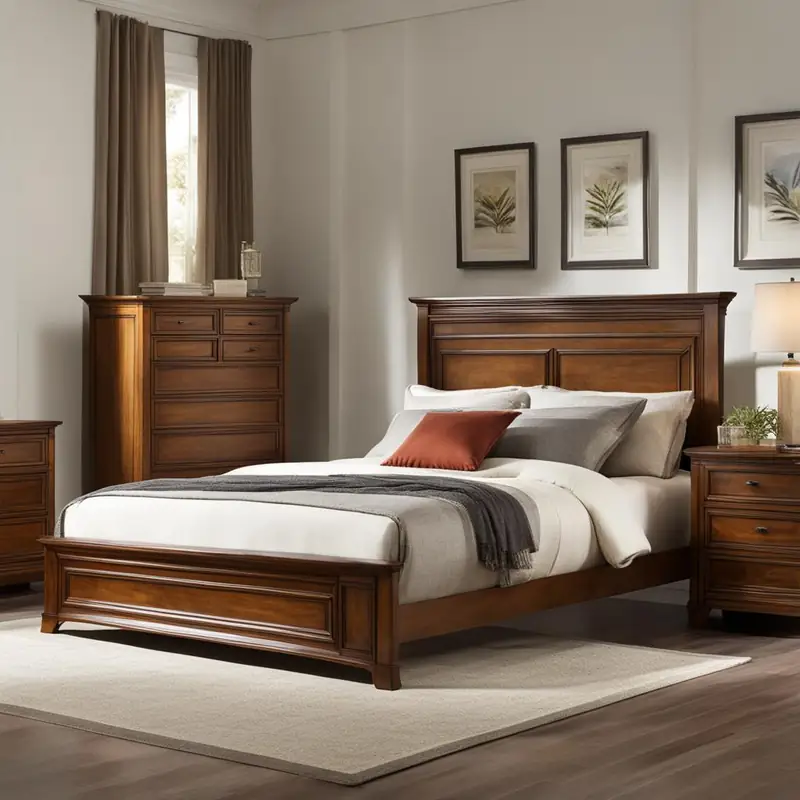
When it comes to choosing the perfect wood for bed frames, maple is an excellent option that offers both strength and lightweight properties. Maple wood is highly favored for crafting quality bed frames due to its durability and aesthetic appeal.
Maple wood is known for its natural strength, making it a reliable choice for a long-lasting bed frame. It can withstand everyday use and provide excellent support for your mattress. Despite its sturdy nature, maple is surprisingly lightweight, making it easy to move and assemble your bed frame.
In addition to its durability and lightweight properties, maple wood also boasts a beautiful natural look. Its light color and fine grain create an elegant and timeless appearance that can complement a variety of bedroom styles and decor.
Overall, maple wood is an excellent choice for those who value both strength and aesthetics. Its combination of durability, lightweight nature, and beautiful appearance make it a top contender for creating a sturdy and visually appealing bed frame.
Table: Comparison of Maple Wood with Other Bed Frame Woods
| Wood Type | Strength | Weight | Aesthetic Appeal |
|---|---|---|---|
| Maple | High | Lightweight | Natural and Elegant |
| Walnut | High | Medium | Dark and Rich |
| Oak | High | Heavy | Classic and Traditional |
| Mahogany | High | Medium | Rich and Luxurious |
| Cherry | Medium | Medium | Versatile and Warm |
Table: Comparison of the strength, weight, and aesthetic appeal of different wood types used for bed frames.
Rosewood Wood for Bed Frames
Rosewood is an exquisite choice for bed frames, renowned for its strength and distinctive grain structures. It offers a rich golden brown color that adds elegance to any bedroom. Rosewood bed frames are not only aesthetically pleasing but also durable, making them a long-lasting investment for your sleep space.
“The distinctive grain patterns of rosewood make each bed frame unique, creating a one-of-a-kind piece that stands out in any room.”
One of the key advantages of rosewood is its exceptional strength. It is a dense hardwood that can withstand everyday wear and tear, ensuring that your bed frame remains sturdy and reliable for years to come. Additionally, rosewood resists warping and cracking, providing added durability and stability.
However, it’s important to note that the sustainability and responsible sourcing of rosewood are crucial factors to consider. Some species of rosewood are endangered, and improper logging can harm ecosystems and contribute to deforestation. When choosing a rosewood bed frame, be sure to opt for sustainably sourced options to support ethical practices and protect the environment.
| Advantages of Rosewood Wood for Bed Frames |
|---|
| Exquisite golden brown color |
| Durable and long-lasting |
| Distinctive grain structures |
| Exceptional strength |
| Sustainably sourced options available |
When it comes to selecting the ideal wood for your bed frame, rosewood offers a combination of elegance, strength, and distinctive visuals. Just be sure to choose a responsible and sustainably sourced option to ensure the long-term viability of this beautiful wood.
Teak Wood for Bed Frames
Teak wood is a top choice for crafting bed frames due to its exceptional qualities. It is known for its water-resistant properties, making it highly suitable for humid environments or areas prone to moisture. Teak wood naturally contains oils that act as a protective barrier against water damage, preventing warping, rot, and decay. This makes teak bed frames an excellent option for long-lasting durability and low maintenance.
One of the standout features of teak wood is its natural resistance to critters and insects. The high oil content in teak acts as a repellent, making it naturally resistant to termites, ants, and other pests. This makes teak bed frames a reliable choice for those seeking a pest-free sleeping environment without the need for chemical treatments or constant vigilance against infestations.
| Advantages of Teak Wood for Bed Frames | Disadvantages of Teak Wood for Bed Frames |
|---|---|
| Water-resistant | Expensive compared to other wood options |
| Naturally critter resistant | Expert knowledge required to identify top-grade teak |
| Highly durable and long-lasting | |
| Low maintenance |
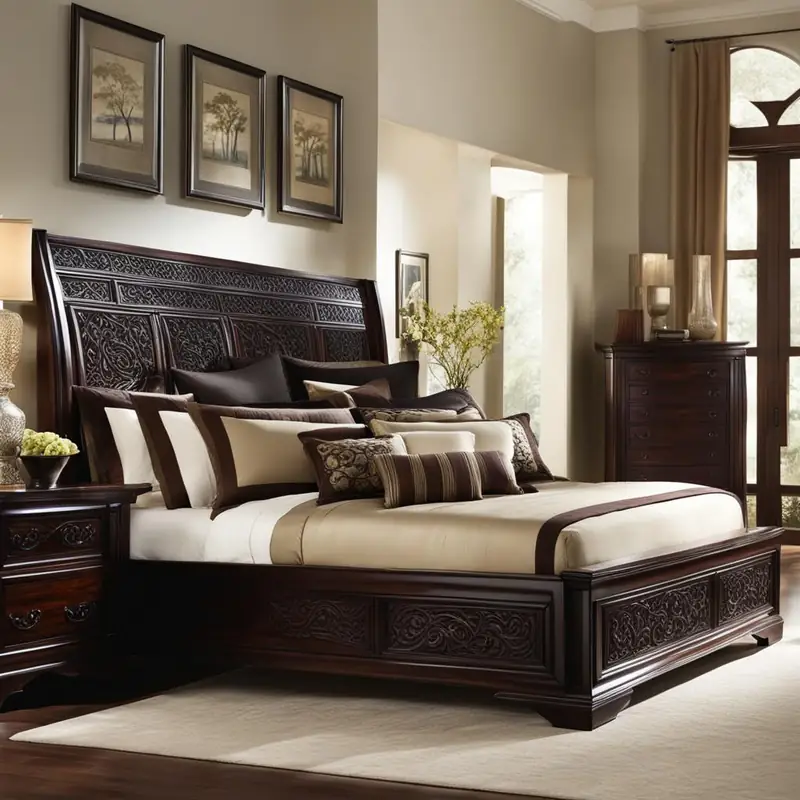
Teak wood has a naturally beautiful appearance, with a rich golden-brown color that can deepen over time. It adds an elegant and timeless touch to any bedroom decor, making it a popular choice for those seeking both style and functionality in their bed frames.
Although teak wood bed frames can be more expensive than other wood options, its exceptional qualities and long lifespan make it a worthwhile investment. To ensure the highest quality teak, it is recommended to seek expert guidance when selecting and purchasing teak wood bed frames, especially if looking for top-grade teak.
Why Choose Teak Wood for Your Bed Frame?
Teak wood offers a combination of water resistance, natural critter resistance, durability, and aesthetic appeal, making it an excellent choice for bed frames. With its ability to withstand moisture, repel pests, and stand the test of time, teak bed frames provide a long-lasting and low-maintenance solution for a comfortable and visually appealing sleep space.
Birch Wood for Bed Frames
Birch wood is an excellent choice for bed frames due to its affordability and good mechanical strength. It offers a practical option for those looking for a durable and sturdy bed frame without breaking the bank. Birch wood has a light yellowish-brown color with a straight grain pattern, which adds a touch of natural beauty to any bedroom decor.
In terms of mechanical strength, birch wood performs admirably. It can withstand regular use and provide long-lasting support for your mattress and body. Its inherent sturdiness ensures that your bed frame remains stable and secure over time, offering a reliable and comfortable sleeping experience.
When considering the affordability factor, birch wood stands out as a budget-friendly option compared to other hardwoods. It is a cost-effective alternative that doesn’t compromise on quality or aesthetics. By choosing birch wood for your bed frame, you can enjoy the benefits of a strong and durable material while also saving money.
The Benefits of Birch Wood for Bed Frames
- Affordable: Birch wood is a cost-effective option for bed frames.
- Good Mechanical Strength: Birch wood offers the necessary durability and stability for a reliable bed frame.
- Natural Beauty: The light yellowish-brown color and straight grain pattern of birch wood add a touch of natural beauty to any bedroom decor.
“Birch wood provides an affordable and attractive option for bed frames, with its good mechanical strength and natural beauty.”
The 3 Best Softwoods for a Bed Frame
When it comes to choosing the best wood for a bed frame, softwoods have their own unique advantages. While they may not be as durable as hardwoods, softwoods offer versatility and cost-effectiveness. Here are the three best softwoods for bed frames:
- Yellow Pine: Yellow Pine is a popular choice due to its durability and affordability. It has a distinctive grain pattern and can be finished in various ways to suit your desired aesthetic. Regular maintenance and sealing will help prevent damage and maintain its longevity.
- White Pine: White Pine is another excellent softwood option for bed frames. It has a medium texture and delicate grain pattern, giving it a charming and natural look. While not as strong as hardwoods, White Pine is a durable and cost-effective choice.
- Cedar: Cedar is known for its weather-resistant properties, making it an ideal choice for bed frames. It has a unique red color and a pleasant aroma that adds character to any bedroom. Cedar is lightweight, strong, and naturally resistant to insects, making it a durable option.
Softwoods may require regular maintenance, such as sealing and refinishing, to ensure their longevity. While they may not be as durable as hardwoods, the affordability and versatility of softwoods make them a popular choice for bed frames.
It’s important to consider your personal preferences, budget, and specific needs when selecting the best wood for your bed frame. Softwoods like Yellow Pine, White Pine, and Cedar provide durable options that can be customized to suit your style and budget.
Table: Comparison of Softwoods for Bed Frames
| Softwood | Advantages | Disadvantages |
|---|---|---|
| Yellow Pine | Durable, affordable | Requires regular maintenance |
| White Pine | Charming look, cost-effective | Less strong than hardwoods |
| Cedar | Weather-resistant, insect-resistant | Can be more expensive |
Yellow Pine and White Pine Wood for Bed Frames
When it comes to choosing the best wood for bed frames, pine is a popular option due to its durability and affordability. Yellow pine and white pine are two commonly used softwoods known for their strength and versatility. Let’s take a closer look at these two types of pine and their suitability for bed frames.
Yellow Pine Wood
Yellow pine, also known as southern yellow pine, is a strong and resilient softwood that is widely used in construction and furniture making. It is known for its natural warmth and rich color, which can range from pale yellow to reddish-brown. Yellow pine is highly durable and has good resistance to decay and insect infestation, making it suitable for long-lasting bed frames.
White Pine Wood
White pine, also referred to as eastern white pine, is a lightweight and versatile softwood that is favored for its smooth and straight grain. It has a pale yellowish-white color with occasional knots, giving it a natural and rustic appearance. Despite being a softwood, white pine is known for its stability and durability, making it a suitable choice for bed frames.
Both yellow pine and white pine are cost-effective options for bed frames, making them suitable for budget-conscious individuals. They are relatively easy to work with and can be customized to match various design styles. However, it’s important to note that pine is a softer wood compared to hardwoods and may be more prone to dents and scratches. Regular maintenance, such as sealing or applying a protective finish, can help prolong the lifespan of pine bed frames.
In summary, yellow pine and white pine are durable wood options for bed frames that offer affordability and versatility. Whether you prefer the warm tones of yellow pine or the natural beauty of white pine, both types of pine can provide a sturdy foundation for a comfortable and stylish bed.
Cedar Wood for Bed Frames
When it comes to choosing the best wood for bed frames, cedar wood is a popular option. Not only does cedar wood offer a unique and visually appealing red color, but it also possesses natural properties that make it ideal for bed frames. One of the standout qualities of cedar wood is its weather resistance. This means that cedar bed frames can withstand exposure to various weather elements.
Another advantage of cedar wood is its natural resistance to insects. Cedar contains natural oils and compounds that act as insect repellents, making it an excellent choice for those looking for a bed frame that can naturally deter pests. This can be particularly beneficial for those living in areas with a high presence of insects, such as mosquitoes or moths.
It’s important to note that while cedar wood offers many advantages, it does have a few considerations. Over time, cedar wood may warp or fade due to exposure to sunlight and other elements. However, regular maintenance, such as applying protective finishes or oils, can help preserve the color and integrity of the wood. Additionally, cedar wood bed frames may be more expensive compared to other options due to the unique properties and benefits they offer.
Table: Comparison of Cedar Wood with Other Wood Types
| Wood Type | Weather Resistance | Insect Resistance | Cost |
|---|---|---|---|
| Cedar Wood | High | High | Medium-High |
| Walnut Wood | Low | Low | Medium-High |
| Oak Wood | Medium | Medium | Medium |
| Mahogany Wood | Medium | Low | High |
| Cherry Wood | Low | Low | Medium-High |
The table above provides a comparison of cedar wood with other popular wood types used for bed frames. It highlights the weather resistance, insect resistance, and cost factors associated with each wood type. It is important to consider these factors when deciding on the best wood for your bed frame, taking into account your specific needs and preferences.
Conclusion
After exploring various wood options for bed frames, it is clear that choosing the best wood is essential for durability, style, and functionality. Hardwoods like Walnut, Oak, Mahogany, Cherry, Maple, Rosewood, and Teak offer a combination of strength, durability, and aesthetic appeal, making them ideal for long-lasting bed frames. These woods not only provide a solid foundation but also add a touch of elegance to any bedroom.
On the other hand, if you prefer a more budget-friendly option without compromising on quality, softwoods like Yellow Pine, White Pine, and Cedar are durable choices. These woods offer versatility and can be easily shaped to create unique designs. While they may require more maintenance, they provide an affordable and stylish solution for bed frames.
Ultimately, the choice of wood for your bed frame depends on your personal preferences, specific needs, and budget. Consider factors such as the weight of your mattress, available space, and desired aesthetic when making your decision. Whether you opt for a hardwood or softwood, selecting the right wood type ensures a sturdy and visually appealing bed frame that will stand the test of time.
FAQ
What are the best hardwoods for a bed frame?
Some of the best hardwoods for bed frames include Walnut, Red Oak, White Oak, Mahogany, Cherry, Poplar, Maple, Rosewood, and Teak.
Why is Walnut wood popular for bed frames?
Walnut wood is highly popular for bed frames due to its stunning dark brown color, attractive grain pattern, durability, and resistance to moisture and warping.
What are the advantages of Oak wood for bed frames?
Oak wood offers strength, durability, and a classic look. It has high tannin levels that protect against rot, decay, and insect infestation.
What makes Mahogany a good wood choice for bed frames?
Mahogany has a beautiful reddish-brown hue, low moisture absorption, and durability. It can be polished to create a glowing red sheen.
Why is Cherry wood beloved by woodworkers for bed frames?
Cherry wood has an attractive red-toned or reddish-brown color, a straight grain, fine uniform texture, and natural decay resistance.
Why is Poplar a popular choice for bed frames?
Poplar is a budget-friendly option that is easy to work with. Although it may not be as strong and durable as other hardwoods, it takes paint and stain well.
What makes Maple wood a good option for bed frames?
Maple wood is strong, lightweight, aesthetically pleasing, and offers durability for bed frames.
Why is Rosewood an exquisite wood choice for bed frames?
Rosewood has an attractive golden brown color, distinctive grain structures, and can be highly polished to create a beautiful finish.
What are the advantages of Teak wood for bed frames?
Teak wood is resistant to water and wear-and-tear, retains its shape and color, and is naturally critter resistant due to its high oil content.
Why is Birch wood an attractive hardwood option for bed frames?
Birch wood offers good mechanical strength, elasticity, and affordability, but it is prone to insect attacks.
What are the best softwoods for a bed frame?
The three best softwoods for bed frames are Yellow Pine, White Pine, and Cedar. They offer durability and versatility.
Why are Yellow Pine and White Pine common choices for bed frames?
Yellow Pine and White Pine have a medium texture, delicate grain pattern, and are durable and cost-effective options for indoor furniture.
Why is Cedar a good choice for bed frames?
Cedar is a weather-resistant softwood known for its strength, natural insect resistance, unique red color, and pleasant aroma.
How do I choose the best wood for a bed frame?
When choosing the best wood for a bed frame, consider factors such as durability, strength, aesthetics, and cost. Consider the weight of your mattress, space limitations, and overall design vision.
What are the most important considerations when selecting a wood for a bed frame?
The most important considerations when selecting a wood for a bed frame are durability, strength, aesthetics, and cost.