Advertisement

Advertisement

Advertisement

Best Japanese Knives: Precision Blades for Every Chef (2023)

· · · ⏰ 10 min read · 2,060 words
Disclosure: This post may contain affiliate links. If you purchase through these links, we may earn a small commission at no extra cost to you. We only recommend products we genuinely believe in. Learn more.
Home » Kitchen » Best Japanese Knives: Precision Blades for Every Chef (2023)

Japanese knives are renowned for their precision, sharpness, and craftsmanship. In this article, I will explore the top-rated Japanese knives of 2023 and provide an in-depth review of each one. Whether you’re a professional chef or a home cook, these knives are sure to elevate your culinary experience.

Key Takeaways:

  • Best Japanese knives offer precision, sharpness, and craftsmanship.
  • Top-rated Japanese knives can elevate your culinary experience.
  • High-quality Japanese knives are sought-after by professionals and home cooks.
  • Premium and authentic Japanese knives are handcrafted with traditional techniques.
  • Professional Japanese kitchen knives are designed for precision tasks.

Types of Japanese Knives

Japanese knives are highly regarded for their precision and craftsmanship. There are various types of Japanese knives, each designed for specific tasks in the kitchen. Here are some of the most popular types:

Advertisement

Santoku Knife

The Santoku knife is a versatile all-purpose knife that can be used for slicing, dicing, and chopping. It has a shorter blade compared to a traditional chef’s knife, making it easier to maneuver.

Nakiri Knife

The Nakiri knife is a Japanese vegetable knife with a thin, rectangular blade. It is specifically designed for slicing and dicing vegetables with precision and accuracy.

Yanagiba Knife

The Yanagiba knife is a traditional Japanese sushi knife with a long, narrow blade. It is used for slicing raw fish into thin, precise slices.

Usuba Knife

The Usuba knife, also known as a Japanese vegetable knife, is similar to the Nakiri knife. It has a single bevel edge and is used for precision cutting of vegetables.

Honesuki Knife

The Honesuki knife is a Japanese boning knife used for deboning poultry and other meats. It has a sharp pointed tip and a sturdy blade for precise and efficient cutting.

Kiritsuke Knife

The Kiritsuke knife is a multipurpose knife that combines the features of a chef’s knife and a sashimi knife. It has a long, thin blade with a slight curve, making it suitable for various cutting techniques.

These are just a few examples of the many types of Japanese knives available. Each knife has its own unique purpose and features, allowing chefs and home cooks to choose the perfect tool for their specific needs.

The table below provides a summary of the different types of Japanese knives and their main characteristics:

Type Main Characteristics
Santoku Knife Versatile, all-purpose knife for slicing, dicing, and chopping
Nakiri Knife Vegetable knife for precise slicing and dicing of vegetables
Yanagiba Knife Sushi knife for slicing raw fish into thin, precise slices
Usuba Knife Single bevel Japanese vegetable knife for precision cutting
Honesuki Knife Boning knife for deboning poultry and other meats
Kiritsuke Knife Multipurpose knife combining features of a chef’s knife and sashimi knife

Introducing the 5 Best Japanese Knives

When it comes to Japanese knives, there are a multitude of options to choose from. To help you narrow down your selection, I have handpicked the 5 best Japanese knives of 2023. These knives have been carefully crafted to deliver exceptional performance, precision, and durability in the kitchen.

The Best Japanese Chef Knife

The Japanese chef knife, also known as a gyuto, is a versatile and essential tool for any chef or cooking enthusiast. With its thin, sharp blade and comfortable handle, it excels in various tasks such as chopping, slicing, and dicing. The best Japanese chef knife combines a razor-sharp edge with excellent balance and control, making it a top choice for professionals and home cooks alike.

The Best Japanese Cleaver Knife

A Japanese cleaver knife, or nakiri, is specifically designed for precision vegetable preparation. Its rectangular-shaped blade and sharp edge allow for efficient chopping and slicing of fruits, vegetables, and herbs. The best Japanese cleaver knife offers a perfect blend of sharpness, durability, and ergonomic design, making it a must-have for any kitchen.

The Best Japanese Slicing Knife

A Japanese slicing knife, or sujihiki, is ideal for slicing meat, fish, and other proteins with precision and ease. Its long, narrow blade allows for smooth, clean cuts, ensuring minimal loss of juices and flavor. The best Japanese slicing knife is crafted with a razor-sharp edge and a comfortable handle, making it effortless to achieve thin, uniform slices every time.

The Best Japanese Bread Knife

For bread lovers, a Japanese bread knife, or takobiki, is an essential tool for slicing through crusty loaves without crushing or tearing. Its long, serrated blade effortlessly glides through bread, ensuring clean, precise cuts. The best Japanese bread knife features a sharp, toothed edge and a comfortable grip, making it a perfect companion for your morning toast or artisanal baguettes.

The Best Japanese Utility Knife

A Japanese utility knife, or petty knife, is a versatile all-purpose knife that can handle a variety of tasks in the kitchen. From peeling and trimming to precise cutting and mincing, its small, agile blade makes it an indispensable tool for everyday cooking. The best Japanese utility knife offers exceptional sharpness, excellent maneuverability, and a comfortable handle, making it a go-to option for any kitchen task.

With these 5 best Japanese knives at your disposal, you’ll be well-equipped to tackle any culinary challenge that comes your way. Each knife has been carefully selected for its outstanding performance, durability, and craftsmanship. Whether you’re a professional chef or a passionate home cook, investing in these top-rated Japanese knives will undoubtedly elevate your cooking experience to new heights.

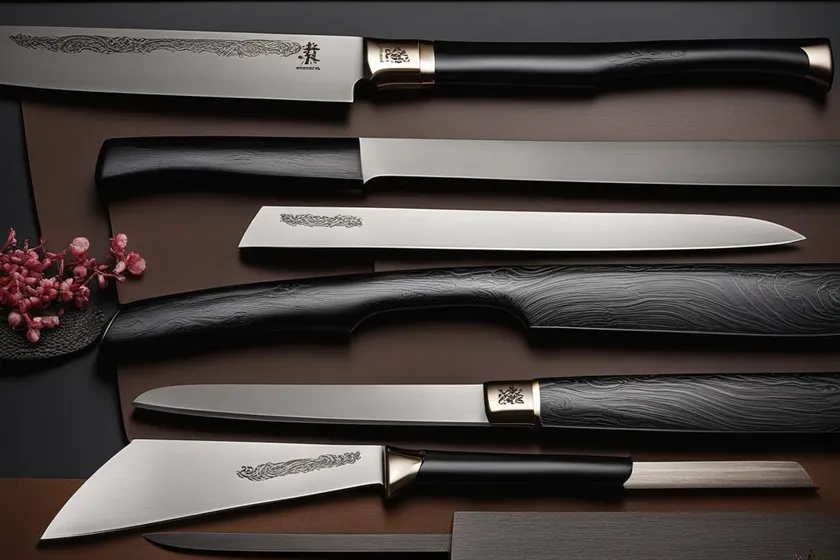
best Japanese knives

Factors to Consider for Quality Japanese Knives

When it comes to choosing quality Japanese knives, there are several important factors to keep in mind. Each of these factors contributes to the overall performance and durability of the knife, ensuring that you make the right choice for your culinary needs.

Blade Material of Japanese Knives

The blade material plays a crucial role in determining the sharpness and longevity of the knife. Japanese knives are often made from high-carbon steel, which is known for its exceptional hardness and edge retention. This type of steel allows for a razor-sharp edge that can effortlessly slice through various ingredients with precision. Additionally, some Japanese knives feature a Damascus or layered steel construction, which not only enhances their aesthetic appeal but also adds strength and durability to the blade.

Construction and Craftsmanship of Japanese Knives

The construction and craftsmanship of Japanese knives are unparalleled. These knives are meticulously crafted by skilled artisans who follow traditional techniques passed down through generations. The attention to detail and precision in the crafting process ensures that each knife is perfectly balanced and ergonomically designed for comfortable use. The seamless integration of the blade and handle provides stability and enhances the overall performance of the knife.

Blade Design and Geometry of Japanese Knives

Japanese knives are known for their unique blade designs and geometry, which cater to specific cutting techniques and tasks. For instance, the Nakiri knife features a straight, double-edged blade that is perfect for precise vegetable chopping, while the Yanagiba knife has a long, single-edged blade ideal for slicing sashimi. Understanding the different blade designs and their intended uses can help you select the right Japanese knife for your specific needs.

Handle Design and Ergonomics of Japanese Knives

The handle design and ergonomics of Japanese knives are crafted with user comfort and control in mind. Traditional Japanese knife handles are often made from wood, providing a natural and comfortable grip. Some handles may feature an octagonal shape, allowing for a secure hold and preventing slippage during use. It’s important to consider the handle design and ergonomics to ensure that the knife feels comfortable in your hand and allows for precise control while cutting.

By considering these factors – blade material, construction and craftsmanship, blade design and geometry, and handle design and ergonomics – you can make an informed decision when choosing quality Japanese knives that meet your specific requirements. Remember that each factor contributes to the overall performance and durability of the knife, ensuring that it becomes a valuable tool in your culinary journey.

Fun Facts About Japanese Knives

Japanese knives have a fascinating history and are deeply rooted in Japanese culture. Here are some fun facts about these remarkable blades:

The Art of Sword Making

Japanese knife craftsmanship is heavily influenced by the art of sword making. The same techniques and traditions that were used to forge legendary samurai swords are applied to create these precision kitchen knives. The meticulous attention to detail and the pursuit of perfection make Japanese knives a true work of art. From the selection of high-quality materials to the handcrafting process, each knife is a testament to the centuries-old metalworking traditions of Japan.

A Symbol of Status and Prestige

In Japan, owning a high-quality Japanese knife is not just about functionality; it is a symbol of status and prestige. These knives are cherished heirlooms passed down through generations, valued for their exquisite craftsmanship and the skill required to master them. Additionally, many professional chefs around the world seek out Japanese knives as a mark of their culinary expertise and dedication to their craft.

Variety and Specialization

Japanese knives come in a wide range of styles, each tailored to specific culinary tasks. From the versatile and all-purpose santoku knife to the slender and delicate yanagiba knife used for slicing sashimi, there is a Japanese knife for every cutting need. The variety and specialization of these knives highlight the precision and attention to detail that Japanese culinary traditions demand.

An Essential Part of Japanese Cuisine

Japanese knives are not just tools; they are an essential part of Japanese cuisine. The unique designs and characteristics of these knives enable chefs to achieve precise cuts, ensuring the flavors and textures of the ingredients are maximized. Whether it’s the precision of the usuba knife in vegetable preparation or the delicate slicing of the yanagiba knife for sushi, Japanese knives play a crucial role in creating authentic and exquisite Japanese dishes.

These fun facts illustrate the cultural significance and craftsmanship behind Japanese knives. Their rich history and unique qualities make them highly sought after by chefs and knife enthusiasts worldwide.

fun facts about japanese knives

Conclusion

When it comes to the best Japanese knives, precision is key. These top-rated Japanese knives of 2023 offer the perfect combination of sharpness and craftsmanship, making them a must-have for chefs and home cooks alike.

Investing in high-quality Japanese knives is a game-changer for your culinary adventures. Not only do they enhance your cooking skills, but they also bring precision to your kitchen tasks. Whether you’re slicing, dicing, or chopping, these knives are designed to deliver exceptional results.

From the best Japanese chef knife to the top-rated Japanese cleaver knife, the options are endless. Each knife is carefully crafted with meticulous attention to detail, ensuring you get the most out of your cooking experience.

So, if you’re looking for precision Japanese knives that will take your culinary creations to new heights, look no further. Choose one of the best Japanese knives mentioned in this article and get ready to elevate your cooking game.

FAQ

What makes Japanese knives different from other types of knives?

Japanese knives are renowned for their precision, sharpness, and craftsmanship. They are often made using traditional methods and high-quality materials, resulting in blades that are incredibly sharp and hold their edge for longer periods of time.

What are the most common types of Japanese knives?

Some of the most common types of Japanese knives include the chef knife, santoku knife, nakiri knife, yanagiba knife, usuba knife, honesuki knife, and kiritsuke knife. Each type is designed for specific tasks in the kitchen, such as chopping, slicing, and deboning.

Which are the top-rated Japanese knives of 2023?

The top-rated Japanese knives of 2023 include the best Japanese chef knife, best Japanese cleaver knife, best Japanese slicing knife, best Japanese bread knife, and best Japanese utility knife. Each knife offers exceptional quality and performance for professional chefs and home cooks.

What factors should I consider when choosing quality Japanese knives?

When choosing quality Japanese knives, it’s important to consider factors such as the blade material, construction and craftsmanship, blade design and geometry, and handle design and ergonomics. These elements contribute to the overall performance and durability of the knife.

What are some fun facts about Japanese knives?

Japanese knives have a rich history and distinctive characteristics. For example, they are often handcrafted by skilled artisans using traditional techniques passed down through generations. Additionally, Japanese knife traditions emphasize the importance of maintaining a harmonious relationship between the knife and the user.

Advertisement

Browse Topics