Best Fine Mesh Sieve: Sifting and Straining Perfection
A fine mesh sieve is a kitchen tool that is essential for achieving sifting and straining perfection in cooking and baking. It allows for the removal of.
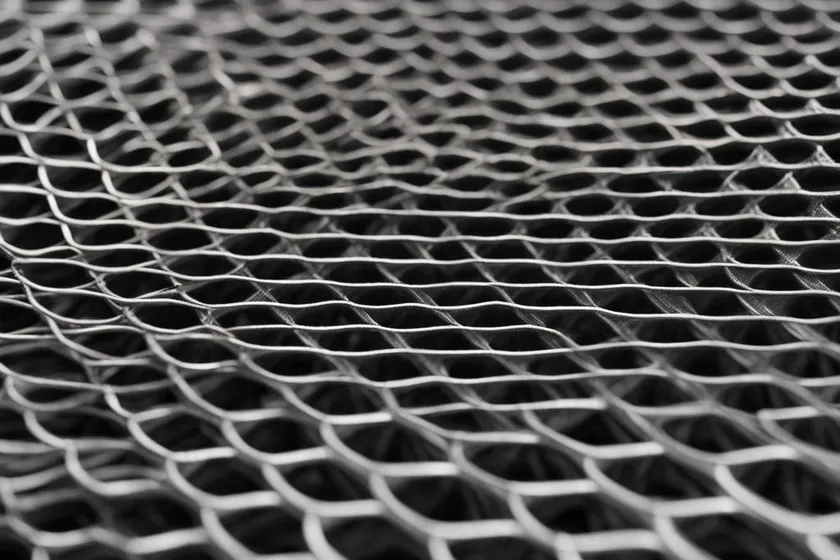
A fine mesh sieve is a kitchen tool that is essential for achieving sifting and straining perfection in cooking and baking. It allows for the removal of small particles and impurities, resulting in smoother and more refined textures.
Key Takeaways:
- A fine mesh sieve is crucial for achieving sifting and straining perfection in the kitchen.
- Investing in a high-quality fine mesh sieve is worth it for professional-level results.
- Consider factors such as size, material, and fineness of the mesh when choosing a sieve.
- Top picks for the best fine mesh sieve include RSVP Endurance, OXO Good Grips, and Cuisipro.
- Using a fine mesh sieve offers benefits like precise sifting and cleaner liquids.
Why Invest in a Fine Mesh Sieve
A fine mesh sieve is an invaluable tool for any home cook or baker looking to achieve professional-level results. Investing in a high-quality sieve is well worth it for several reasons. Firstly, a fine mesh sieve ensures that your ingredients are evenly distributed throughout your dishes, leading to consistent and balanced flavors. No more clumps of flour or spices ruining the texture of your recipes.
What factors should I consider when choosing a fine mesh sieve?
Factors to consider when choosing a fine mesh sieve include the size of the sieve (large or small), the material it is made of (stainless steel is popular for durability), and the fineness of the mesh. Look for sieves that are easy to clean and have comfortable handles for convenient use.
What are the top picks for the best fine mesh sieve?
After extensive research and customer reviews, the top picks for the best fine mesh sieve are the RSVP Endurance 18/8 Stainless Steel Sieve, OXO Good Grips Stainless Steel Fine Mesh Strainer, and Cuisipro 746479 Mesh Strainer.
What are the benefits of using a fine mesh sieve?
Using a fine mesh sieve allows for precise sifting of dry ingredients, eliminating lumps and creating a smoother texture in baked goods. It is also essential for straining liquids, removing solid particles and impurities, resulting in cleaner and clearer liquids for sauces, soups, and stocks.
What are some tips for using a fine mesh sieve?
Use a gentle rocking motion to sift or strain ingredients, tap the side of the sieve to help ingredients pass through the mesh, and rinse the sieve immediately after use to prevent food particles from sticking to the mesh.
How should I clean and maintain a fine mesh sieve?
Rinse the sieve under running water after each use, use a soft brush or sponge to gently scrub the mesh if necessary, and allow the sieve to air dry completely before storing it. Avoid using harsh abrasives or metal scouring pads that can damage the mesh.
What are the different uses for a fine mesh sieve?
A fine mesh sieve can be used for sifting dry ingredients, straining liquids to remove seeds or pulp, removing clumps and impurities from sauces and purees, and dusting desserts with powdered sugar or cocoa for a decorative finish.
How should I care for and store a fine mesh sieve?
After cleaning and drying, store the sieve in a clean and dry place, away from moisture and potential damage. Consider using a protective cover or storage container to prevent dust or other contaminants from getting on the sieve.
Is a large or small fine mesh sieve better?
The choice between a large or small fine mesh sieve depends on the specific tasks you will be using it for. A large sieve is suitable for sifting larger quantities of dry ingredients or straining larger volumes of liquid, while a small sieve offers more precision and control for delicate tasks.
Can a fine mesh sieve be used for both cooking and baking?
Yes, a fine mesh sieve is an essential tool for both cooking and baking. In cooking, it helps to remove impurities from sauces, stocks, and soups, resulting in smoother and cleaner flavors. In baking, it is used to sift dry ingredients, creating light and fluffy textures in cakes, cookies, and pastries.