Advertisement

Advertisement

Advertisement

Best Electric Composter Australia: Eco-Friendly Waste Solutions (2023)

· · · ⏰ 25 min read · 4,907 words
Disclosure: This post may contain affiliate links. If you purchase through these links, we may earn a small commission at no extra cost to you. We only recommend products we genuinely believe in. Learn more.
Home » Kitchen » Best Electric Composter Australia: Eco-Friendly Waste Solutions (2023)

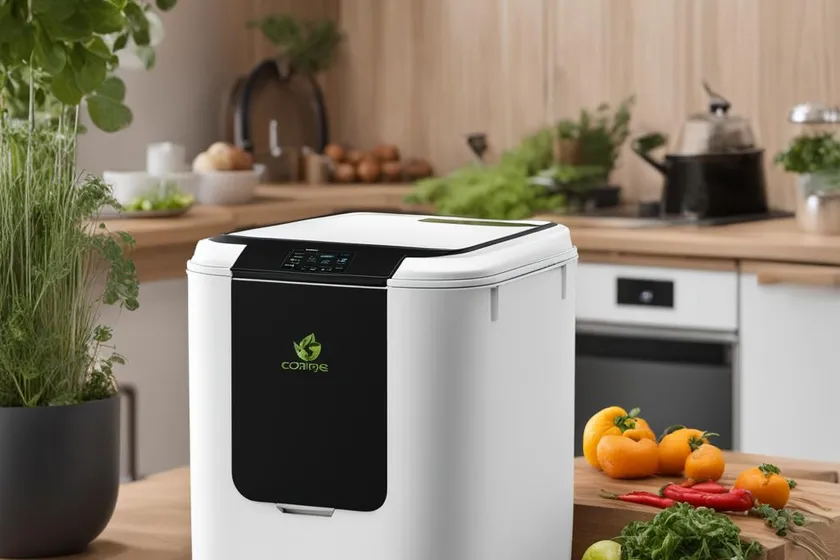
Greetings! I’m excited to share with you the best electric composter options available in Australia, providing eco-friendly waste solutions for your home. As sustainability becomes a priority, electric composters are gaining popularity for their ability to efficiently convert kitchen scraps into nutrient-rich compost, reducing landfill waste. Let’s explore the top-rated electric composters and discover how they can revolutionize your waste management.

Key Takeaways:

  • Electric composters are a sustainable solution for managing food waste in Australia.
  • They efficiently convert kitchen scraps into nutrient-rich compost, reducing landfill waste.
  • Electric composters offer several advantages over traditional composting methods, including speed and convenience.
  • The top-rated electric composters in Australia are the Lomi Composter by Pela and the Vitamix FoodCycler FC-50.
  • Composting alternatives like bokashi, worm farms, and compost bins are also available for different needs.

The Importance of Composting

Composting plays a crucial role in sustainable waste management and is essential for reducing our environmental impact. By diverting organic waste from landfills and turning it into nutrient-rich compost, we can contribute to a healthier planet and a more sustainable future. Composting is a natural process that allows organic materials to decompose and break down, transforming them into a valuable resource that can be used to enrich soil and support plant growth.

Advertisement

One of the key benefits of composting is its ability to reduce greenhouse gas emissions. When organic waste decomposes in landfills, it produces methane, a potent greenhouse gas that contributes to climate change. By composting food scraps and other organic materials, we can significantly reduce the amount of methane released into the atmosphere. Compost also helps to improve soil quality by increasing its moisture retention capacity, promoting better nutrient absorption, and enhancing microbial activity.

Furthermore, composting helps to conserve resources and reduce the need for chemical fertilizers. By recycling organic waste into compost, we can reduce the amount of synthetic fertilizers used in agriculture, which can have harmful effects on the environment. Compost acts as a natural fertilizer, providing essential nutrients to plants while improving soil structure and reducing erosion. It also helps to minimize water usage by improving soil moisture retention, reducing the need for irrigation.

The Benefits of Composting:

  • Reduces greenhouse gas emissions, including methane
  • Improves soil quality and fertility
  • Conserves resources and reduces the use of chemical fertilizers
  • Enhances moisture retention in soil, reducing water usage
  • Supports sustainable agriculture and plant growth

Composting is not only a responsible way to manage food waste but also a sustainable practice that allows us to make a positive impact on the environment. By embracing composting, we can contribute to a greener future and create a more sustainable world for generations to come.

Benefits of Electric Composters

Electric composters offer numerous benefits, making them an efficient and convenient solution for composting food waste. Here are some key advantages:

  1. Speed and Efficiency: Electric composters are designed to accelerate the composting process, significantly reducing the time it takes for food waste to break down into usable compost. These machines use heat and agitation to promote decomposition, resulting in quicker and more efficient composting.
  2. Compact and Space-Saving: Electric composters are compact in size, making them suitable for homes with limited space. They can be easily installed in kitchens or utility areas without taking up too much room. Their small footprint allows for convenient composting in urban settings or apartments.
  3. Odor and Pest Control: One of the main challenges of traditional composting methods is dealing with unpleasant odors and pests. Electric composters are designed to eliminate these issues by using a sealed system that contains and controls any odors. This makes them a hygienic and hassle-free option for composting at home.
  4. Convenience and Simplicity: Electric composters are user-friendly and require minimal effort to operate. They typically have simple controls and automated features, allowing you to compost with ease. Some models even have built-in sensors that monitor the composting process, ensuring optimal conditions for decomposition.

Overall, electric composters offer an efficient composting solution that saves time, space, and effort while eliminating common challenges associated with traditional composting methods.

Top-Rated Electric Composters

When it comes to finding the best electric composter in Australia, two top-rated options stand out among the rest. These composters offer exceptional performance, efficiency, and convenience, making them the go-to choices for eco-conscious individuals looking for sustainable waste solutions for their homes.

The Lomi Composter

The Lomi Composter, by Pela, is the top-rated electric composter in Australia. It is designed to efficiently convert food scraps into nutrient-rich compost, reducing waste and supporting healthy plant growth. The Lomi Composter offers three modes of operation, including an eco express mode for fast composting, a grow mode for producing finished compost, and a lomi approved mode for breaking down bioplastics. With its easy-to-use interface, compact size, and odor-free operation, the Lomi Composter provides an excellent composting experience for any home.

The Vitamix FoodCycler FC-50

Another highly recommended option is the Vitamix FoodCycler FC-50. This electric composter offers affordability without compromising performance. It can handle a variety of food waste, including fruit and vegetable scraps, dairy, and even chicken or fish bones. The compact design and stainless finish make it a stylish addition to any kitchen. The FoodCycler FC-50 produces high-quality compost that can enrich soil and support plant growth. With its user-friendly interface and efficient composting process, the Vitamix FoodCycler FC-50 is a top choice for eco-conscious individuals.

These top-rated electric composters, the Lomi Composter and the Vitamix FoodCycler FC-50, offer outstanding performance, convenience, and efficiency for composting food waste. Whether you choose the Lomi Composter for its versatility and exceptional composting modes, or the Vitamix FoodCycler FC-50 for its affordability and effectiveness, you can be confident that you are making a sustainable choice for managing food waste in your home.

The Lomi Composter: Best Overall

The Lomi Composter is the best overall electric composter according to our testing. It offers three modes of operation, including an eco express mode for fast composting, a grow mode for producing finished compost, and a lomi approved mode for breaking down bioplastics. The Lomi Composter is easy to use, odor-free, and produces nutrient-rich compost that can be used in gardens. Although it is more expensive than some other models, it provides exceptional performance and versatility.

Lomi Composter

The Lomi Composter stands out for its innovative features that cater to different composting needs. The eco express mode is perfect for those who want quick results, while the grow mode ensures the production of high-quality compost for nourishing plants. The lomi approved mode is especially useful for environmentally conscious individuals who want to break down bioplastics responsibly.

The Lomi Composter is the epitome of convenience and efficiency in composting. With its user-friendly interface and versatile operation modes, it simplifies the composting process and allows users to create nutrient-rich compost at home. Whether you have a small urban garden or a larger agricultural plot, the Lomi Composter is an investment that will pay off in the form of healthier plants and reduced waste.

When compared to other electric composters, the Lomi Composter stands out for its superior performance and durability. It consistently produces high-quality compost, thanks to its advanced technology and precise temperature control. While its initial cost may be higher, the long-term benefits and the reduction in waste make it a worthwhile investment for eco-conscious individuals.

Pros Cons
  • Three operation modes for different composting needs
  • User-friendly interface
  • Produces nutrient-rich compost
  • Odor-free operation
  • Higher initial cost
  • May be too advanced for basic composting needs
  • Requires electricity for operation

The Vitamix FoodCycler FC-50: Affordable and Effective

When it comes to electric composters, affordability and effectiveness are key factors to consider. The Vitamix FoodCycler FC-50 is an excellent choice that delivers on both fronts. This compact and stylish electric composter is designed to handle a variety of food waste, making it a versatile option for any household.

The Vitamix FoodCycler FC-50 utilizes a state-of-the-art technology to efficiently break down food scraps into nutrient-rich compost. With its stainless finish, it not only blends seamlessly with any kitchen decor but also is a durable option that will last for years to come. This affordable electric composter offers convenience and high-quality compost production without breaking the bank.

“The Vitamix FoodCycler FC-50 is a game-changer. It has made composting so easy and accessible for me. I love how it can handle a wide range of food waste, from vegetable scraps to bones. Plus, the compost it produces is excellent for my garden.” – Happy Customer

Not only does the Vitamix FoodCycler FC-50 provide an affordable and efficient composting solution, but it also helps reduce food waste’s environmental impact. By diverting organic waste from landfills, it contributes to overall waste reduction and decreases methane emissions. With this electric composter, you can be confident that you’re making a positive impact on the environment while enjoying the benefits of nutrient-rich compost for your garden.

Features Advantages
Compact design Fits seamlessly in any kitchen
Handles a wide range of food waste From vegetable scraps to bones
Stainless finish Durable and visually appealing
Affordable price Provides value for money
Environmentally friendly Helps reduce food waste and emissions

Whether you’re looking to reduce your environmental footprint, create nutrient-rich compost for your garden, or simply want a convenient way to manage food waste, the Vitamix FoodCycler FC-50 is a reliable and affordable choice. Invest in this electric composter and enjoy the benefits of sustainable waste management while saving money in the long run.

BioCotech BioSpeed: Best for Large-Scale Composting

For businesses and institutions that generate large amounts of food waste, the BioCotech BioSpeed is the ideal choice. These industrial electric composters can convert hundreds of pounds of waste into processed compost in just 24 to 72 hours. With their advanced technology and efficient design, BioCotech BioSpeed machines offer a sustainable solution for large-scale composting.

The BioCotech BioSpeed comes in different models, each with increasing size and capacity, allowing organizations to choose the one that best suits their needs. These composting machines are designed to require minimal daily labor, making them a convenient option for busy establishments.

By using the BioCotech BioSpeed, businesses and institutions can significantly reduce their environmental impact by diverting food waste from landfills. It provides a cost-effective and sustainable way to manage organic waste while producing valuable compost that can be used for landscaping, agriculture, and other applications.

Features Benefits
Efficient processing Quickly converts large quantities of food waste into compost
Variety of models Allows organizations to choose the size and capacity that suits their needs
Minimal labor required Saves time and manpower
Reduces environmental impact Diverts organic waste from landfills and decreases greenhouse gas emissions

Testimonial

“The BioCotech BioSpeed has revolutionized our composting process. It effortlessly converts massive amounts of food waste into nutrient-rich compost, saving us time, labor, and money. This industrial electric composter has been a game-changer for our sustainable waste management practices.”

With its ability to handle large-scale composting, the BioCotech BioSpeed is an excellent solution for businesses, institutions, and organizations looking to manage their food waste in a sustainable and efficient way. By investing in an industrial electric composter like the BioSpeed, they can significantly reduce their environmental footprint and contribute to a greener future.

BioCotech BioSpeed Industrial Electric Composter

Aerobin 200 Composter: A Low-Tech Alternative

When it comes to composting, the Aerobin 200 Composter offers a low-tech solution that is both effective and eco-friendly. This hot composter uses a patented aeration tube system to speed up the composting process, without the need for electricity. With its 7-cubic foot capacity, it is suitable for smaller households or gardeners looking for a simple composting option.

The Aerobin 200 Composter collects compost tea, which can be drained and used as a liquid fertilizer, providing additional benefits for your plants. Its year-round usability makes it a versatile choice, ensuring that you can continue composting regardless of the season. With its compact design and user-friendly features, the Aerobin 200 Composter is a user-friendly and efficient option for low-tech composting.

Innovative Features of the Aerobin 200 Composter

  • Patented aeration tube system for accelerated composting
  • No electricity required, making it a sustainable choice
  • 7-cubic foot capacity for smaller households or gardeners
  • Collects compost tea for use as a liquid fertilizer
  • Year-round usability for consistent composting
  • Compact design for easy storage and handling

The Aerobin 200 Composter is a fantastic low-tech composting solution that provides great results without the need for electricity. Its unique features, including the patented aeration tube system and the ability to collect compost tea, make it a standout choice for eco-conscious individuals.

While electric composters offer convenience and efficiency, the Aerobin 200 Composter provides a highly effective alternative for those looking for a low-tech composting solution. Its simplicity and functionality make it an excellent choice for individuals who prefer a more hands-on approach to composting.

Pros Cons
Does not require electricity Smaller capacity compared to some electric composters
Collects compost tea for use as liquid fertilizer May require more manual effort for turning and mixing compost
Can be used year-round Not suitable for large-scale composting
Compact design for easy storage

The Reality of Electric Composters

Electric composters offer convenience and efficiency in managing food waste, but it’s important to understand their limitations. One of the main drawbacks of electric composters is that the resulting material, often called EcoChips, is not biologically stable like traditional compost. This means that when exposed to water, the material can rot instead of breaking down further. To overcome this, it is crucial to cure the compost for a minimum of a week before using it in gardens.

Another limitation of electric composters is that some models have specific food waste restrictions. They may not be able to handle certain types of waste, such as hard bones or fibrous materials. It’s important to carefully read the product specifications and understand what can and cannot be composted in the machine. Failure to abide by these restrictions can result in damage to the composter or suboptimal composting results.

Despite these limitations, electric composters still offer many benefits and can be a valuable tool for composting food waste. By understanding their realities and adjusting our composting practices accordingly, we can make the most of these innovative machines and contribute to a greener, more sustainable future.

Table: Comparing Electric Composters

Composter Limitations Benefits
Lomi Composter Requires compost curing before use Offers three modes for versatile composting
Vitamix FoodCycler FC-50 Restrictions on certain types of waste Affordable and effective composting solution
BioCotech BioSpeed N/A Ideal for large-scale composting
Aerobin 200 Composter N/A Low-tech alternative for composting

electric composter

Composting Alternatives

If electric composters are not suitable for your needs, there are alternative composting methods available. These methods provide environmentally friendly ways to manage your food waste and create nutrient-rich compost for your garden.

Bokashi Bucket

The Bokashi bucket is a great option for apartment dwellers or those with limited space. It uses microorganisms to ferment food waste, including meat and dairy, and produces a nutrient-rich liquid called bokashi juice. The bokashi juice can be diluted and used as a fertilizer for your plants. This method is odor-free and requires minimal maintenance.

Worm Farm

A worm farm, also known as vermicomposting, is another popular composting alternative. It involves using worms to break down organic matter into nutrient-rich castings. Worms are highly efficient at composting, and their castings make excellent fertilizer. This method is suitable for households with a garden and provides an opportunity to learn about the fascinating world of worms.

Compost Bin

A traditional compost bin is a simple and effective solution for composting. It involves creating a designated area in your backyard or garden to pile up green and brown materials, such as kitchen scraps, leaves, and yard waste. Over time, the materials decompose and turn into compost. This method requires regular turning and maintenance to ensure proper decomposition.

Composting Method Pros Cons
Bokashi Bucket – Suitable for small spaces
– Can compost meat and dairy
– Odor-free
– Requires the purchase of bokashi bran
– Requires regular draining of bokashi juice
Worm Farm – Efficient and fast composting
– Worm castings are highly nutritious
– Educational and fun
– Requires space for a worm farm
– Worms need proper care and maintenance
Compost Bin – Simple and low-cost
– Utilizes yard waste
– Produces large quantities of compost
– Requires outdoor space
– Regular turning and maintenance is necessary
– Takes longer to compost

Choose the composting method that best fits your lifestyle and resources. All of these alternatives offer a sustainable way to reduce food waste and create nutrient-rich compost for your plants.

The Importance of Composting for the Environment

Composting plays a crucial role in promoting environmental sustainability and addressing the challenges posed by excessive waste. By diverting organic waste from landfills, composting helps reduce the production of harmful greenhouse gases like methane, which is a significant contributor to climate change. Instead of rotting in landfills, food waste is transformed into nutrient-rich compost, which can be used to enhance soil health and support plant growth.

Composting offers several environmental benefits. Firstly, it reduces the amount of waste sent to landfills, helping to conserve valuable landfill space that can be used for other purposes. Secondly, compost acts as a natural fertilizer, eliminating the need for chemical-based fertilizers that can harm soil quality and water sources. Additionally, compost helps retain moisture in the soil, reducing the need for excessive watering and conserving water resources.

Furthermore, composting contributes to the creation of a circular economy by closing the loop on organic waste. Instead of relying on resource-intensive processes to produce chemical fertilizers, composting allows us to recycle organic waste back into the soil, minimizing waste generation and promoting sustainable agricultural practices. By incorporating composting into our daily lives, we can make a positive impact on the environment and work towards a greener future.

Environmental Benefits of Composting
Reduces landfill waste Diverts organic waste from landfills, reducing methane emissions and conserving valuable landfill space.
Natural fertilizer Eliminates the need for chemical fertilizers that can harm soil quality and water sources.
Conserves water Helps retain moisture in soil, reducing the need for excessive watering and conserving water resources.
Supports sustainable agriculture Recycles organic waste back into the soil, promoting sustainable farming practices and minimizing waste generation.

Choosing the Right Composting Method

When it comes to composting, there are several factors to consider in order to choose the right method that suits your needs. From available space to the type and amount of food waste you produce, understanding these factors will help you make an informed decision. Let’s explore some key considerations:

  1. The space you have: Electric composters are a great option for those with limited space, as they are compact and can be easily installed in small homes or apartments. If space is not a constraint, you can also consider traditional compost bins or worm farms.
  2. Type and amount of food waste: Not all composting methods can handle every type of food waste. For example, electric composters may have restrictions on certain items like hard bones or fibrous materials. Consider what foods you typically discard and ensure the composting method you choose can accommodate them.
  3. Convenience and speed: Electric composters are known for their convenience and efficiency. They can produce compost quickly and require minimal effort on your part. On the other hand, traditional composting methods like bokashi or worm farms may require more involvement and time.
  4. Personal preferences: Some people prefer the simplicity and low-tech nature of traditional composting methods, while others appreciate the ease and automation of electric composters. Consider your personal preferences and what aligns with your composting goals.

By considering these factors, you can narrow down your options and choose the composting method that best suits your lifestyle and needs. Whether you opt for an electric composter, a traditional compost bin, or another alternative, composting is a valuable practice that contributes to a greener future.

Comparison of Composting Methods

Let’s take a closer look at the different composting methods and compare them based on various factors:

Composting Method Space Required Types of Food Waste Accepted Convenience Speed of Composting
Electric Composter Compact, suitable for small spaces Varies by model, some restrictions may apply Convenient and easy to use Quick, can produce compost in a matter of weeks
Traditional Compost Bin Requires larger space Accepts a wide range of food waste Requires manual turning and maintenance Slower, can take several months to a year
Bokashi Compact, suitable for small spaces Accepts all types of food waste Requires regular maintenance Quick, can produce compost in a matter of weeks
Worm Farm Requires larger space Accepts a wide range of food waste Requires regular maintenance Slow to moderate, can take several months to produce compost

As you can see, each composting method has its own advantages and considerations. Electric composters offer convenience and speed, making them ideal for small spaces, while traditional compost bins and worm farms require more space but offer versatility in accepting various types of food waste. Bokashi composting is suitable for those looking for a low-tech option that can handle all types of food waste. Consider these factors and choose the method that aligns with your specific requirements and preferences.

Tips for Successful Composting

Composting is an effective way to reduce waste and create nutrient-rich soil for your garden. To ensure successful composting, here are some tips and best practices to follow:

  1. Balance your compost: Maintain a good balance between carbon-rich materials (such as dried leaves, shredded paper) and nitrogen-rich materials (like food scraps, grass clippings). This balance will help speed up the decomposition process and create high-quality compost.
  2. Chop or shred larger scraps: Breaking down larger food scraps into smaller pieces will help them decompose faster. You can use a kitchen knife or a shredder to make the process easier.
  3. Avoid adding certain materials: To prevent pests and odors, avoid adding meat, dairy products, and oily foods to your compost pile. Also, steer clear of diseased or insect-infested plants.
  4. Turn or mix your compost: Regularly turning or mixing your compost pile will help provide oxygen to the decomposing materials. This promotes aerobic decomposition and prevents the pile from becoming compacted or smelly.
  5. Maintain moisture levels: Compost should ideally be moist, but not overly wet or dry. Adding water when necessary and covering the pile during heavy rainfall will help maintain proper moisture levels.
  6. Be patient: Composting takes time, usually several months to a year, depending on the materials used and environmental conditions. Be patient and allow nature to do its work.

By following these tips, you can create a successful composting system that produces nutrient-rich compost for your plants and helps reduce waste in an environmentally friendly way.

Composting Myth: You Can Compost Anything

“Contrary to popular belief, not everything can be composted. Certain materials like meat, dairy, and oily food waste can attract pests and create odors in your compost pile. It’s best to stick to composting plant-based materials, such as fruit and vegetable scraps, coffee grounds, and yard waste. By avoiding the composting of these restricted items, you’ll create a healthier and more balanced composting ecosystem.”

Remember, successful composting requires attention, care, and a little patience. By following these tips, you’ll be on your way to producing nutrient-rich compost that can enrich your soil and support healthy plant growth.

The Future of Composting

In recent years, there has been a growing emphasis on sustainable waste management practices, and composting has emerged as a key solution to reducing food waste and promoting environmental health. As we look to the future, advancements in composting technology are set to revolutionize the way we manage organic waste and create nutrient-rich compost. These innovations will not only enhance the efficiency and effectiveness of composting processes but also contribute to a greener, more sustainable world.

One area of advancement in composting technology is the development of smart composting systems. These systems utilize sensors and automation to monitor and optimize the composting process. By continuously monitoring temperature, moisture levels, and oxygen levels, smart composters can adjust conditions as needed to accelerate decomposition and ensure optimal compost quality. Additionally, these systems can provide real-time data and analytics, allowing users to track and measure their composting progress.

Another exciting development is the exploration of new composting methods and techniques. Researchers are looking into microbial composting, which harnesses the power of microorganisms to break down organic matter more efficiently. By understanding the role of specific microbes and their interactions, scientists hope to unlock the full potential of composting and improve the stability and quality of the compost produced. This research could lead to new composting practices that maximize resource utilization and minimize environmental impact.

Advancements in Composting Technology Potential Benefits
Smart composting systems with sensor technology and automation – Improved compost quality and efficiency
– Real-time monitoring and data analytics
– Precise control of composting conditions
Microbial composting techniques – Enhanced decomposition and nutrient release
– Increased stability and resilience of compost
– Better understanding of microbial communities involved in the composting process
Emerging technologies in composting equipment – More compact and affordable composters
– Energy-efficient and eco-friendly designs
– Integration with smart home systems for seamless composting experiences

Furthermore, advancements in composting equipment are making the process more accessible to a broader range of individuals. Compact, energy-efficient composters are being developed, allowing urban dwellers and those with limited space to participate in composting. These composters may also integrate with smart home systems, providing a seamless and user-friendly composting experience. With ongoing innovation, we can expect to see a wider range of composting options that cater to different lifestyles and needs.

The future of composting is bright, with advancements in technology promising more efficient and sustainable waste management practices. Through smart composting systems, microbial composting techniques, and emerging composting equipment, we are moving towards a future where composting is not only accessible but also optimized for maximum environmental impact. As we embrace these advancements, we can make a significant contribution to reducing food waste, conserving resources, and creating a healthier planet for future generations.

Conclusion

After exploring the world of electric composters, it is clear that these machines offer a convenient and efficient solution for managing food waste. The Lomi Composter and Vitamix FoodCycler FC-50 stand out as top-rated options in Australia, delivering excellent performance and ease of use. However, it is important to keep in mind that electric composters have their limitations.

While electric composters provide a convenient way to convert kitchen scraps into compost, it is crucial to understand that the resulting material, known as EcoChips, requires curing before use. Additionally, some electric composters may have restrictions on the types of food waste they can handle. It is essential to consider these factors when deciding on the best composting method for your needs.

For those who find electric composters unsuitable, alternative options like bokashi, worm farms, and traditional compost bins are available. These methods provide different benefits and can be tailored to fit individual needs and constraints.

In conclusion, composting is a valuable practice for reducing waste, conserving resources, and supporting a healthier environment. Whether you choose an electric composter or opt for an alternative method, the act of composting contributes to a greener future and a more sustainable world.

FAQ

Are electric composters suitable for all types of food waste?

Electric composters can handle a variety of food waste, including fruit and vegetable scraps, dairy, and even chicken or fish bones. However, it is important to check the specific restrictions of each composter, as some may not be able to handle hard bones or fibrous materials.

Is the compost produced by electric composters biologically stable?

The compost produced by electric composters, often called EcoChips, is not biologically stable like traditional compost. It may resemble soil but can rot when exposed to water. It is recommended to cure the material for at least a week before using it in gardens.

What are some alternative composting methods?

If electric composters are not suitable for your needs, there are alternative composting methods available. A bokashi bucket uses microorganisms to ferment food waste, producing bokashi juice that can be used as a fertilizer. Worm farms utilize worms to break down organic matter into nutrient-rich castings. Traditional compost bins can also be used to create compost for soil enhancement.

Why is composting important for the environment?

Composting plays a vital role in environmental sustainability. It reduces the amount of waste going to landfills, decreases methane emissions, and conserves resources. Compost enriches soil, promotes healthy plant growth, and helps retain moisture, reducing the need for chemical fertilizers and water.

How do I choose the right composting method?

When selecting a composting method, consider factors such as available space, the type and amount of food waste produced, and personal preferences. Electric composters offer convenience and speed, while traditional methods like bokashi, worm farms, and compost bins provide different benefits. Choose the composting method that best suits your needs and lifestyle.

What are some tips for successful composting?

To ensure successful composting, avoid adding meat, dairy, and oily foods as they can attract pests and create odors. Chop or shred large food scraps to speed up decomposition. Maintain the right balance of carbon-rich materials (like leaves or shredded paper) and nitrogen-rich materials (like food waste) for optimal composting. Turn or mix the compost regularly to provide oxygen for microbial activity.

What is the future of composting?

As the demand for sustainable waste management solutions grows, advancements in composting technology are expected. Innovations in electric composters may lead to more efficient and environmentally friendly machines. Additionally, research and development in the field of microbial composting could improve the quality and stability of compost.

Advertisement

Browse Topics