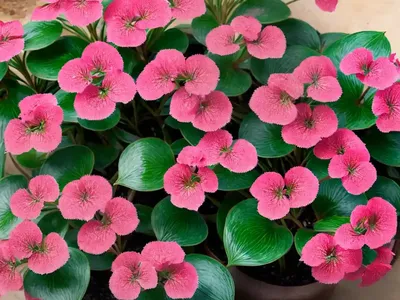
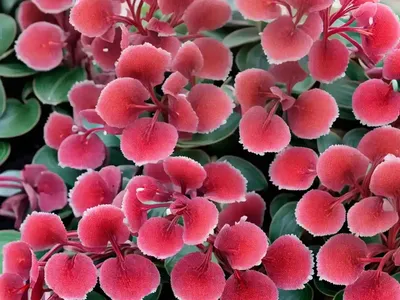
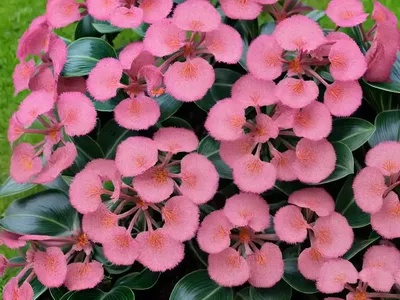
Bergenia ‘Flirt’)
Bergenia ‘Flirt’ is a stunning and versatile perennial plant that captivates with its delicate beauty and low maintenance requirements. This adaptable.
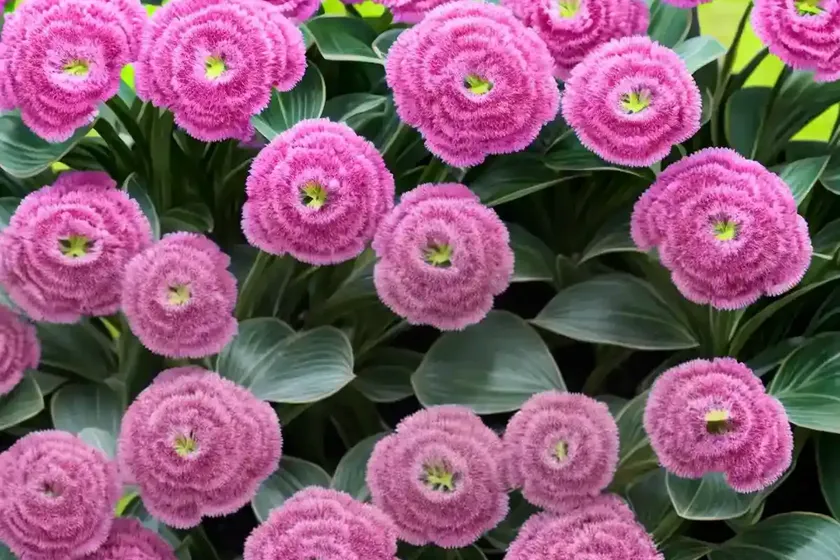
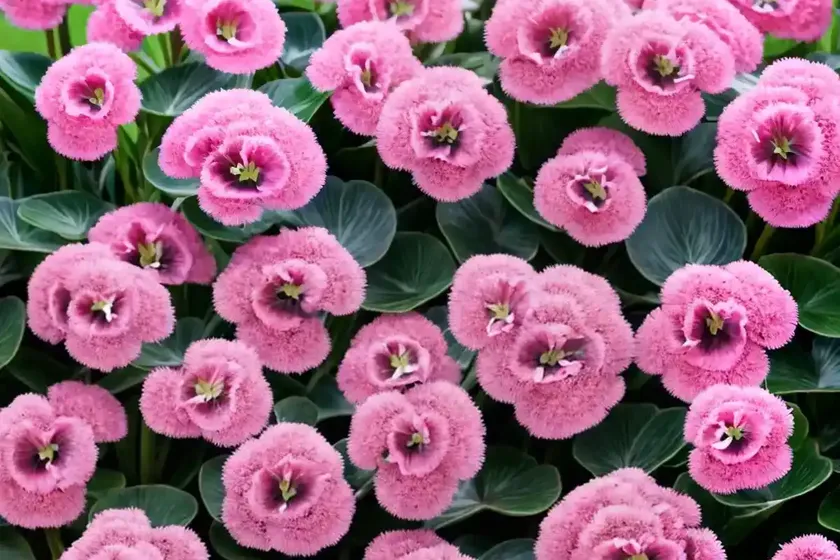
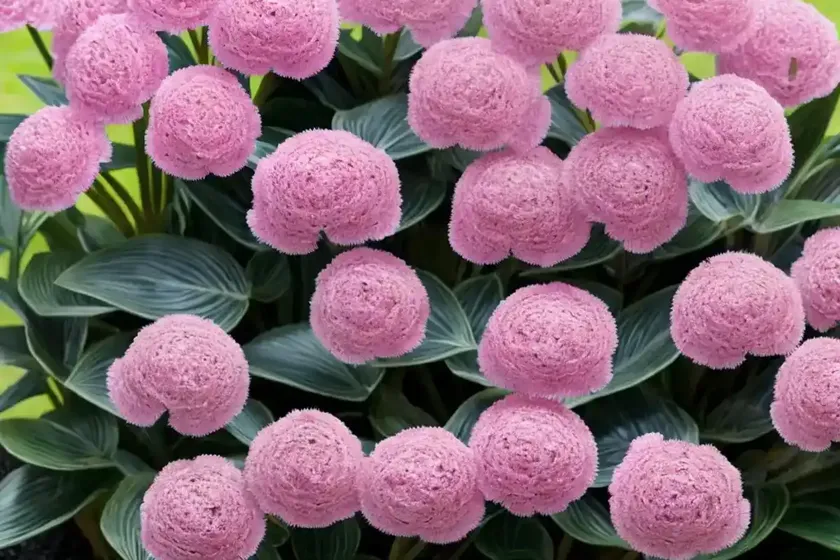
Bergenia ‘Flirt’ is a stunning and versatile perennial plant that captivates with its delicate beauty and low maintenance requirements. This adaptable plant, valued for its vibrant foliage and graceful flowers, has gained immense popularity among gardeners and horticulturists. In this comprehensive guide, we will delve into the various aspects of Bergenia ‘Flirt,’ including its culture, uses, maintenance, and much more.
In this article, we will explore the fascinating world of Bergenia ‘Flirt’ and provide valuable insights into its care and cultivation. Whether you are an experienced gardener or a novice enthusiast, this guide will equip you with the knowledge and understanding to nurture and enjoy this remarkable perennial in your own garden.
What is Bergenia ‘Flirt’?
Bergenia, commonly known as “elephant’s ears,” belongs to the Saxifragaceae family and is native to central Asia. The ‘Flirt’ cultivar, renowned for its elegant flowers and colorful foliage, has garnered considerable attention among plant enthusiasts. This perennial herbaceous plant is characterized by its thick, leathery leaves and clusters of dainty blooms, creating a captivating visual display in garden landscapes.
Key Takeaways
Before delving into the specific aspects of Bergenia ‘Flirt,’ here are the key highlights of this plant:
- Scientific Name: Bergenia ‘Flirt’
- Common Name: Flirt Bergenia
- Family: Saxifragaceae
- Plant Type: Perennial
- Foliage: Evergreen
- Flower Color: Pink
- Height: 12-15 inches
- Spread: 18-24 inches
- Sunlight: Full sun to part shade
Now, let’s embark on an in-depth exploration of this enchanting plant, covering its culture, uses, maintenance, and much more.
Culture
Understanding the specific requirements and cultural considerations for Bergenia ‘Flirt’ is essential for its successful growth and development in your garden. From water and sunlight to soil and fertilizer, each aspect plays a crucial role in nurturing this resilient and stunning plant.
Uses
Bergenia ‘Flirt’ is a versatile plant that offers a multitude of uses in garden landscapes and various horticultural settings. Whether utilized as ground cover, border plants, or as part of mixed perennial beds, its adaptability and aesthetic appeal make it a valuable addition to any garden or landscape design.
The following are some common uses of Bergenia ‘Flirt’ in garden landscapes:
- Ground cover
- Borders and edging
- Rock gardens
- Mixed perennial beds
- Containers and pots
With its versatility and resilience, Bergenia ‘Flirt’ is often embraced for its ability to thrive in diverse garden settings, adding vibrancy and elegance to outdoor spaces.
Water
Proper watering is crucial for the health and vigor of Bergenia ‘Flirt.’ As a general guideline, ensure that the plant receives consistent moisture, especially during the growing season. While Bergenia is known for its tolerance to dry conditions, regular watering, particularly during prolonged periods of drought, is vital for promoting robust growth and flowering.
When watering Bergenia ‘Flirt,’ consider the following recommendations:
- Established Plants: Once a week during dry spells
- Potted Plants: Regular watering to keep the soil evenly moist, but not waterlogged
- Avoid Overwatering: Ensure proper drainage to prevent waterlogged soil, which can lead to root rot
Understanding the specific water needs of Bergenia ‘Flirt’ will contribute to its overall health and vitality in your garden.
Sunlight
Bergenia ‘Flirt’ exhibits remarkable adaptability to varying light conditions, making it suitable for different garden settings. While it thrives in full sun to part shade, providing the ideal balance of sunlight is essential for ensuring optimal growth and blooming.
Consider the following sunlight recommendations for Bergenia ‘Flirt’:
- Full Sun: 6-8 hours of direct sunlight
- Part Shade: Protection from intense afternoon sun
By understanding the sunlight preferences of Bergenia ‘Flirt,’ you can strategically position it in your garden to maximize its potential and aesthetic appeal.
Fertilizer
Applying an appropriate fertilizer can bolster the growth and flowering of Bergenia ‘Flirt,’ contributing to its overall vigor and visual impact in garden landscapes. When selecting a fertilizer, opt for a balanced, slow-release formula to provide essential nutrients over an extended period.
Consider the following tips for fertilizing Bergenia ‘Flirt’:
- Spring Application: Apply a balanced, slow-release fertilizer at the start of the growing season
- Even Distribution: Ensure even distribution of the fertilizer around the plant’s root zone
- Avoid Overfertilizing: Adhere to the recommended dosage to prevent fertilizer burn
By incorporating a well-balanced fertilizer regimen, you can promote the health and beauty of Bergenia ‘Flirt’ in your garden.
Soil
The soil composition and quality play a pivotal role in the growth and development of Bergenia ‘Flirt.’ This resilient plant exhibits a preference for well-drained, humus-rich soil, which forms the foundation for robust root growth and overall vitality.
Consider the following soil recommendations for Bergenia ‘Flirt’:
- Well-Drained Soil: Ensure good drainage to prevent waterlogging and root rot
- Humus-Rich Content: Incorporate organic matter to enhance soil fertility and structure
- Soil pH: Neutral to slightly acidic soil (pH 6.0-7.0)
By addressing the specific soil requirements of Bergenia ‘Flirt,’ you can create an optimum growing environment for this captivating perennial plant.
Pruning
Pruning Bergenia ‘Flirt’ is a key aspect of its maintenance, contributing to its aesthetic appeal, longevity, and overall health. By implementing proper pruning techniques, you can manage the plant’s growth, rejuvenate its appearance, and promote vigorous flowering.
Consider the following pruning guidelines for Bergenia ‘Flirt’:
- Spring Pruning: Remove any damaged or yellowing leaves to encourage new growth
- Post-Flowering Maintenance: Trim spent flower stalks to maintain a tidy appearance and promote reblooming
- Division: Every few years, consider dividing the plant to rejuvenate its vigor and prevent overcrowding
By incorporating regular pruning into your Bergenia ‘Flirt’ maintenance routine, you can enhance its visual impact and ensure its long-term well-being in your garden.
Propagation
Propagation presents an exciting opportunity to expand your Bergenia ‘Flirt’ collection or share this remarkable plant with fellow enthusiasts. Whether through division or seed propagation, understanding the techniques for successful reproduction is vital for cultivating healthy and vibrant new plants.
Division
Division serves as an effective method for propagating Bergenia ‘Flirt,’ allowing you to create new plants from established specimens. This straightforward technique involves separating the plant into smaller sections, each with viable roots and foliage, before replanting them in suitable locations.
Consider the following steps for dividing Bergenia ‘Flirt’:
- Spring Division: Perform division in early spring as new growth emerges
- Lift the Plant: Carefully lift the entire plant from the soil, preserving the root system
- Separation: Gently separate the plant into smaller sections, ensuring each division has healthy roots and foliage
- Replanting: Transplant the divisions into prepared planting sites with well-drained soil
By mastering the art of division, you can propagate Bergenia ‘Flirt’ with ease and expand its presence in your garden landscape.
Seed Propagation
While less commonly practiced than division, seed propagation offers another avenue for multiplying Bergenia ‘Flirt’ and introducing new plants to your garden. This method provides a rewarding and educational experience, allowing you to witness the complete life cycle of the plant, from seed to mature specimen.
Consider the following tips for seed propagation of Bergenia ‘Flirt’:
- Harvesting Seeds: Collect ripe seeds from the plant after flowering
- Seed Sowing: Sow the seeds in a prepared seed-starting mix, covering them lightly with soil
- Moisture and Light: Ensure adequate moisture and provide indirect light for germination
- Transplanting: Once established, transplant the seedlings to individual pots or directly into the garden
By exploring the enchanting process of seed propagation, you can further engage with the life and growth of Bergenia ‘Flirt’ in your garden.
Container Popularity
The versatility and ornamental appeal of Bergenia ‘Flirt’ have made it a popular choice for container gardening, offering enthusiasts an opportunity to enjoy its beauty in a confined space. Whether displayed on patios, balconies, or as focal points in garden designs, container-grown Bergenia ‘Flirt’ captivates with its vibrant foliage and charming flowers.
Consider the following factors that contribute to the popularity of Bergenia ‘Flirt’ in containers:
- Compact Size: Well-suited for containers due to its moderate height and spread
- Year-Round Interest: Evergreen foliage provides visual appeal throughout the seasons
- Adaptability: Thrives in containers with proper drainage and suitable growing medium
- Aesthetic Value: Adds color and texture to outdoor living spaces
By embracing Bergenia ‘Flirt’ in containers, you can infuse your outdoor areas with elegance and charm, showcasing this remarkable perennial in a confined yet impactful manner.
Common Diseases
While Bergenia ‘Flirt’ is renowned for its resilience and vigor, it may face certain diseases and health challenges under specific conditions. By familiarizing yourself with common ailments and their potential remedies, you can safeguard the well-being of your plant and preserve its vitality in your garden.
Disease Diagnosis
The following are common diseases and afflictions that may affect Bergenia ‘Flirt’:
- Leaf Spot: Circular, discolored spots on the leaves, often caused by fungal pathogens
- Powdery Mildew: White powdery patches on the foliage, signaling fungal infestation
- Crown Rot: Rotting of the plant’s crown, leading to wilting and decline
- Root Rot: Excessive moisture can lead to root rot, affecting the plant’s overall health
By monitoring your Bergenia ‘Flirt’ for symptoms of these diseases and promptly implementing appropriate measures, you can mitigate their impact and preserve the plant’s vitality.
Common Pests
In addition to diseases, certain pests may pose a threat to the health and appearance of Bergenia ‘Flirt.’ By remaining vigilant and implementing proactive pest management strategies, you can protect your plant from potential infestations and the resulting damage.
The following are common pests that may afflict Bergenia ‘Flirt’:
- Aphids: Small, sap-sucking insects that can cause distortion of new growth
- Spider Mites: Tiny pests that feed on the plant’s foliage, leading to stippling and discoloration
- Slugs and Snails: Feeding on the foliage and leaving behind slimy trails
By closely monitoring your Bergenia ‘Flirt’ for signs of pest activity and implementing appropriate control measures, you can safeguard its health and prevent the detrimental effects of infestations.
Botanist’s Tips
As a plant enthusiast and advocate for horticultural knowledge, I am delighted to share some insightful tips for cultivating and appreciating Bergenia ‘Flirt’ in garden landscapes. Embracing these recommendations can enhance your experience with this captivating perennial, allowing you to witness its beauty and resilience firsthand.
Here are some valuable tips from a botanist’s perspective:
- Promote Air Circulation: Ensure adequate spacing and airflow to minimize the risk of fungal diseases
- Incorporate Mulch: Apply a layer of organic mulch around the plant to conserve moisture and suppress weeds
- Companion Planting: Pair Bergenia ‘Flirt’ with compatible plants to create visually appealing combinations and enhance ecological diversity in your garden
- Regular Monitoring: Conduct regular inspections of the plant for signs of diseases, pests, or other stress factors, intervening as necessary to maintain its well-being
By implementing these botanist-approved tips, you can create an optimal environment for Bergenia ‘Flirt’ to thrive and flourish in your garden.
Fun Facts
To enrich your understanding and appreciation of Bergenia ‘Flirt,’ here are some captivating and lesser-known facts about this remarkable perennial:
- Bergenia is commonly referred to as “elephant’s ears” due to the shape and size of its leaves, which bear a resemblance to the ears of an elephant.
- The genus name “Bergenia” is a tribute to the German botanist Karl August von Bergen, who contributed to the exploration of botanical knowledge in the 18th century.
- Bergenia ‘Flirt’ is prized for its ability to attract pollinators, including bees and butterflies, contributing to the ecological balance and biodiversity of garden landscapes.
By uncovering these intriguing facts, you can deepen your admiration for Bergenia ‘Flirt’ and recognize its unique contributions to horticulture and the natural world.
Links to External Resources
The following external resources provide additional insights and valuable information on Bergenia ‘Flirt,’ catering to the varied interests and needs of plant enthusiasts and gardeners:
- Royal Horticultural Society (RHS) – Bergenia
- University of Florida IFAS Extension – Growing Bergenia in the Florida Garden
- The American Horticultural Society – Bergenia Cultivars and Uses
- Missouri Botanical Garden – Bergenia Information and Care
By exploring these external resources, you can expand your knowledge of Bergenia ‘Flirt’ and uncover diverse perspectives and insights on its cultivation, uses, and unique characteristics.
In conclusion, Bergenia ‘Flirt’ stands as a captivating and resilient perennial, offering a multitude of benefits and visual appeal in garden landscapes. By embracing its unique characteristics and understanding its specific care requirements, you can cultivate and appreciate this remarkable plant with confidence and enthusiasm. Whether utilized as a ground cover, border plant, or container specimen, Bergenia ‘Flirt’ shines as a versatile and enchanting addition to diverse horticultural settings.
As you embark on your journey with Bergenia ‘Flirt,’ may the insights and recommendations provided in this guide serve as a source of inspiration and guidance, enriching your experience with this extraordinary perennial and fostering a deeper connection with the natural world.
Happy gardening!
Disclaimer: The information provided in this article is for educational and informational purposes only. It does not intend to serve as professional gardening advice. For specific guidance and recommendations tailored to your individual garden and plant care needs, consult with a qualified horticulturist or gardening expert.