Bergenia ‘Bressingham White’)
Bergenia ‘Bressingham White’, also known as elephant’s ears or badan, is a hardy, low-growing perennial plant prized for its attractive foliage and.
Introduction
Bergenia ‘Bressingham White’, also known as elephant’s ears or badan, is a hardy, low-growing perennial plant prized for its attractive foliage and delicate flowers. This plant belongs to the family Saxifragaceae and is native to Central Asia, particularly the Himalayas and Afghanistan. With its versatility and adaptability, Bergenia ‘Bressingham White’ is a popular choice for gardeners looking to add beauty and charm to their landscapes. In this comprehensive guide, we will explore the cultivation, care, and various uses of Bergenia ‘Bressingham White’, providing valuable insights for both novice and experienced gardeners.
What is Bergenia ‘Bressingham White’?
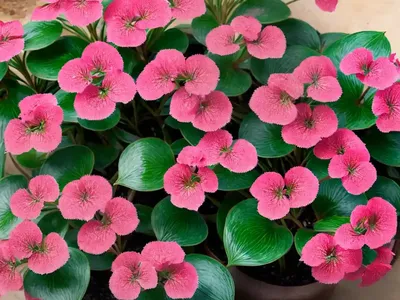
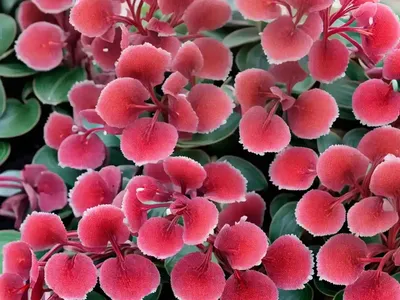
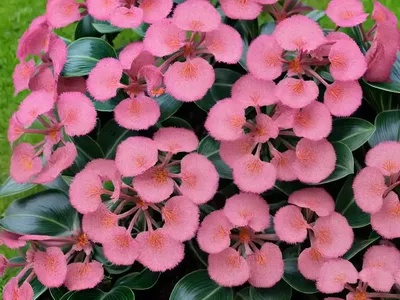
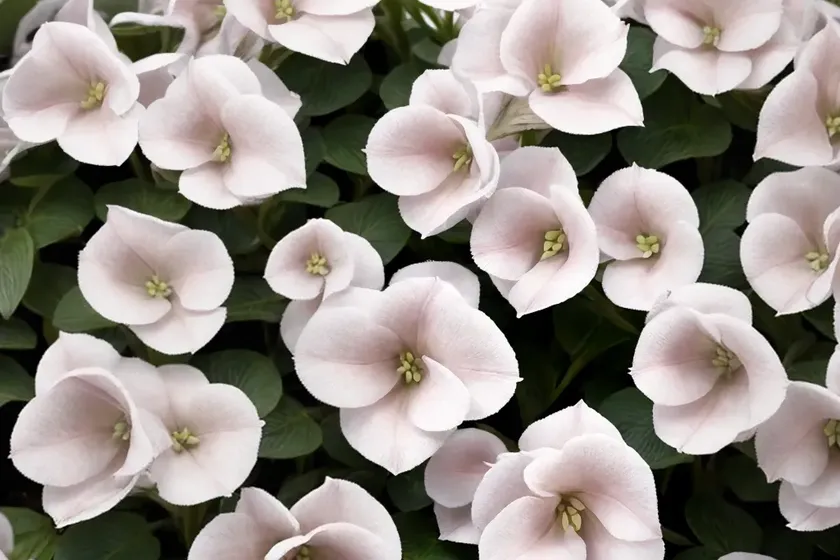
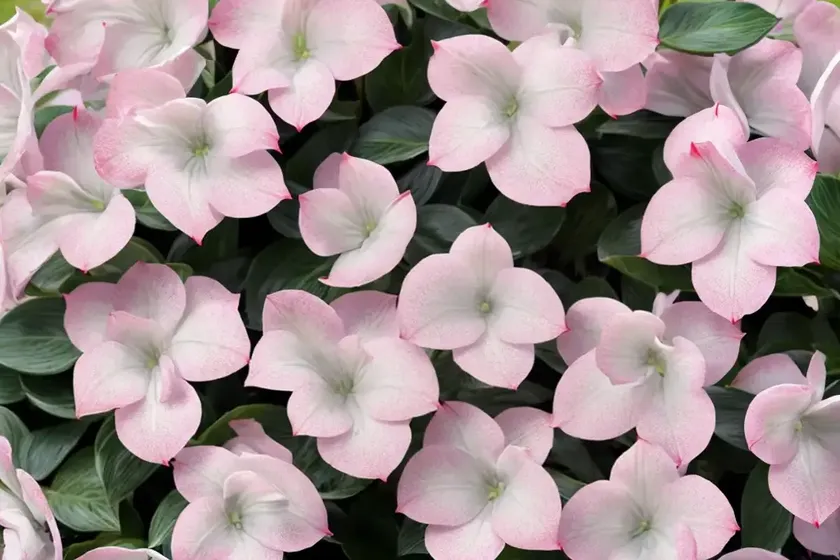
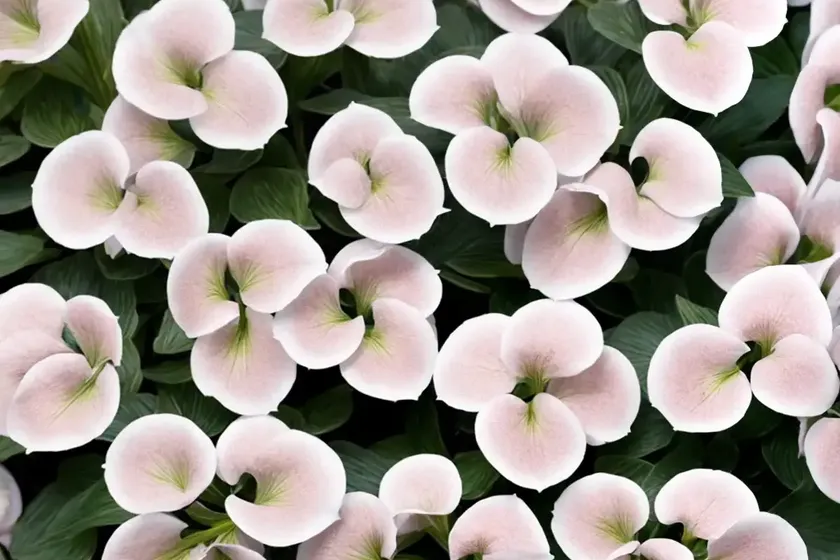
Bergenia ‘Bressingham White’ is a herbaceous perennial known for its large, leathery, oval-shaped leaves that form dense, spreading clumps. The foliage is often variegated with shades of green, turning to bronzy-red hues in the autumn, adding seasonal interest to the garden. One of the attractive features of Bergenia ‘Bressingham White’ is its delicate, bell-shaped, white flowers that appear in early spring, creating a captivating display and attracting pollinators such as bees and butterflies. This plant typically reaches a height of 30-45 cm (12-18 inches) and spreads to about 45-60 cm (18-24 inches), making it an excellent choice for ground cover or border plantings.
Key Takeaways:
- Scientific Name: Bergenia ‘Bressingham White’
- Common Names: Elephant’s ears, badan
- Family: Saxifragaceae
- Native Habitat: Central Asia, particularly the Himalayas and Afghanistan
- Height: 30-45 cm (12-18 inches)
- Spread: 45-60 cm (18-24 inches)
- Blooms: Bell-shaped white flowers in early spring
Culture
Uses
Bergenia ‘Bressingham White’ offers a wide range of uses in gardening and landscaping. Its versatility makes it an excellent choice for various applications, including:
– Ground cover: The dense, spreading nature of Bergenia ‘Bressingham White’ makes it an ideal choice for ground cover, effectively filling in empty spaces and suppressing weed growth.
– Border plant: The attractive foliage and flowers make Bergenia ‘Bressingham White’ a great addition to border plantings, providing structure and visual interest.
– Rock gardens: Its low-growing habit and ability to thrive in rocky, well-drained soils make Bergenia ‘Bressingham White’ suitable for rock gardens, adding texture and color.
– Containers: This plant can be grown in containers, allowing gardeners to enjoy its beauty on patios, balconies, or small outdoor spaces.
Water
Proper watering is essential for the health and vitality of Bergenia ‘Bressingham White’. When establishing this plant, regular watering is crucial to help it develop a strong root system. Once established, Bergenia ‘Bressingham White’ exhibits good drought tolerance, but it still benefits from occasional watering during prolonged dry spells, especially in warmer climates. It is important to water deeply, allowing the soil to dry out slightly between waterings to prevent waterlogged conditions, which can lead to root rot and other issues.
Sunlight
Bergenia ‘Bressingham White’ thrives in partial to full shade, making it an excellent choice for gardens with limited sunlight. It can tolerate some morning sun, particularly in cooler climates, but it generally prefers shaded or semi-shaded areas. In hotter regions, providing protection from intense afternoon sun is beneficial to prevent leaf scorch and maintain the plant’s overall health and appearance.
Fertilizer
Although Bergenia ‘Bressingham White’ is relatively low-maintenance, occasional fertilization can promote healthy growth and flowering. A balanced, slow-release fertilizer applied in early spring can provide the necessary nutrients for robust foliage and abundant blooms. It is important to follow the manufacturer’s recommendations for application rates to avoid over-fertilization, which can lead to excessive foliage at the expense of flowering.
Soil
Well-drained, humus-rich soil is key to the success of Bergenia ‘Bressingham White’. It thrives in slightly acidic to neutral soil with good drainage, ensuring that the roots do not sit in waterlogged conditions. Incorporating organic matter such as compost or peat moss into the soil can improve its structure and fertility, creating an optimal growing environment for the plant. When planting or transplanting Bergenia ‘Bressingham White’, it is beneficial to amend the soil with organic matter to provide a nutrient-rich foundation for healthy growth.
Pruning
Pruning is minimal for Bergenia ‘Bressingham White’, as it maintains a neat, compact growth habit without extensive maintenance. However, removing faded or damaged leaves and spent flower stalks can improve the plant’s appearance and prevent the development of disease or pest issues. This can be done throughout the growing season as needed. In late winter or early spring, before new growth emerges, any old or tattered foliage can be trimmed back to encourage the development of fresh, healthy leaves.
Propagation
Bergenia ‘Bressingham White’ can be propagated through several methods, including division, seed sowing, and leaf cuttings. Each method offers gardeners the opportunity to expand their plant collection and share the beauty of Bergenia ‘Bressingham White’ with others.
- Division: Dividing mature clumps of Bergenia ‘Bressingham White’ in early spring or autumn is a simple and effective way to propagate the plant. Carefully dig up the clump and separate the individual rhizomes, ensuring that each division has several healthy roots and growing points. Replant the divisions in suitable locations, and provide the necessary care to encourage their establishment.
- Seed sowing: Collecting seeds from mature Bergenia ‘Bressingham White’ plants and sowing them in containers or seed beds can yield new plants. Starting seeds indoors in early spring and transplanting the seedlings once they are well-established can result in vigorous young plants ready to flourish in the garden.
- Leaf cuttings: Taking leaf cuttings from healthy, disease-free leaves of Bergenia ‘Bressingham White’ and rooting them in a moist, well-draining growing medium can also lead to successful propagation. With proper care and environmental conditions, the cuttings can develop into independent plants, creating a sustainable propagation method.
Container Popularity
Bergenia ‘Bressingham White’ is well-suited for container gardening, offering gardeners the opportunity to appreciate its beauty in various outdoor settings, even in the absence of traditional garden space. Placing containers of Bergenia ‘Bressingham White’ on patios, decks, or balconies can enhance the visual appeal of these spaces, adding a touch of elegance and natural charm. Additionally, the versatility of container gardening allows for easy mobility, enabling gardeners to relocate the plants as needed based on sunlight and aesthetic considerations. With its low-maintenance nature, Bergenia ‘Bressingham White’ thrives in containers, rewarding gardeners with its enduring beauty and resilience.
Common Diseases
Bergenia ‘Bressingham White’ is generally resistant to most common plant diseases, but certain conditions or environmental stressors can make it susceptible to issues such as:
– Leaf spot: Fungal diseases can cause unsightly spots on the leaves, affecting the plant’s overall appearance. Maintaining good air circulation and avoiding overhead watering can help prevent leaf spot.
– Root rot: Overly wet conditions and poorly drained soil can lead to root rot, causing the plant to decline. Adequate drainage and proper soil moisture management are essential for preventing this issue.
– Powdery mildew: In humid or damp conditions, powdery mildew can develop on the leaves, presenting as a white, powdery coating. Providing good air circulation and avoiding excessive moisture can reduce the risk of powdery mildew.
Disease Diagnosis
When observing signs of disease on Bergenia ‘Bressingham White’, it is important to promptly assess the symptoms and take appropriate measures to address the issue. Proper diagnosis is essential for implementing effective treatment and preventing further spread of the disease. If the plant is showing signs of disease, such as leaf discoloration, spotting, or wilting, it is advisable to inspect the plant closely to identify the specific symptoms. Consulting with a local extension service, horticulturist, or plant healthcare professional can provide valuable guidance and insights for accurate disease diagnosis and management.
Common Pests
Bergenia ‘Bressingham White’ is relatively resistant to pests, but some common garden pests may occasionally pose a threat to its health and vitality. Vigilance and proactive pest management can help prevent infestations and protect the plant from potential damage.
- Slugs and snails: These pests can feed on the foliage of Bergenia ‘Bressingham White’, causing visible damage and compromising the plant’s aesthetic appeal. Using organic or chemical slug and snail control methods can help mitigate their impact.
- Aphids: Aphids may sometimes infest the tender new growth of Bergenia ‘Bressingham White’, sucking sap from the plant and potentially transmitting diseases. Natural predators, such as ladybugs, can assist in controlling aphid populations, while insecticidal soaps provide a non-toxic approach to managing infestations.
- Caterpillars: Certain caterpillar species may feed on the foliage of Bergenia ‘Bressingham White’, causing defoliation and weakening the plant. Manual removal and biological pest control measures can help minimize caterpillar damage, safeguarding the plant’s health and vigor.
Botanist’s Tips
- Companion plants: Pairing Bergenia ‘Bressingham White’ with complementary companion plants, such as ferns, hostas, and astilbes, can create visually appealing combinations and enhance the overall garden design. Selecting plants with similar growing requirements and compatible aesthetics ensures a harmonious and orchestrated landscape.
- Winter interest: While Bergenia ‘Bressingham White’ is known for its spring blooms and attractive foliage throughout the growing season, it also offers winter interest with its evergreen leaves, which can persist and provide visual appeal during the colder months. Incorporating this plant into winter garden designs can add texture and color to the landscape, even when many other plants are dormant.
- Wildlife attraction: Bergenia ‘Bressingham White’ entices pollinators, such as bees and butterflies, with its delicate flowers, supporting biodiversity and ecological balance in the garden. By featuring this plant, gardeners can contribute to the conservation of pollinating insects and the broader ecosystem.
Fun Facts
- The genus name “Bergenia” honors the German botanist Karl August von Bergen.
- Bergenia ‘Bressingham White’ is a hybrid cultivar selected for its pure white flowers and robust growth habits.
- In addition to its ornamental value, Bergenia has been used in traditional medicine for its potential healing properties.
Links to External Resources
For further information about Bergenia ‘Bressingham White’ and its cultivation, care, and uses, the following resources offer valuable insights and practical guidance:
- Royal Horticultural Society – Bergenia Cultivation
- University of Maryland Extension – Bergenia Fact Sheet
- Missouri Botanical Garden – Bergenia Growing Guide
With its enduring beauty, adaptability, and low-maintenance qualities, Bergenia ‘Bressingham White’ continues to captivate gardeners and enrich landscapes with its elegant presence. By incorporating this versatile plant into gardens, containers, and landscape designs, gardeners can enjoy its seasonal beauty, wildlife appeal, and numerous practical benefits, reaffirming its status as a cherished garden favorite.
In conclusion, Bergenia ‘Bressingham White’ serves as a testament to nature’s artistry and resilience, adding charm and allure to outdoor spaces and inspiring a deeper appreciation for the wonders of the natural world.
References
- Royal Horticultural Society. “Bergenia Cultivation.” https://www.rhs.org.uk/Plants/1762/Bergenia/Details
- University of Maryland Extension. “Elephant’s Ears – Bergenia.” https://extension.umd.edu/hgic/topics/elephants-ears-bergenia
- Missouri Botanical Garden. “Bergenia Growing Guide.” https://www.missouribotanicalgarden.org/PlantFinder/PlantFinderDetails.aspx?taxonid=341366&isprofile=0&