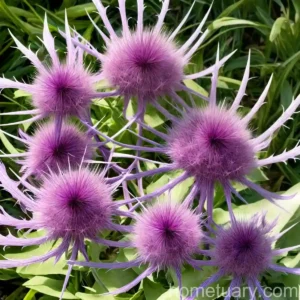
Belgium Endive (Cichorium Intybus): A Versatile and Nutritious Vegetable
What is Belgium Endive?
Belgium Endive, scientifically known as Cichorium Intybus, is a unique and versatile vegetable that holds a significant place in the culinary world. Also referred to as witloof chicory, Belgian endive, or witloof, it is a member of the chicory genus and is part of the Asteraceae family. This vegetable is well-renowned for its distinct bitter flavor, delicate texture, and nutritional benefits.
Belgium Endive is a leafy, biennial plant that is commonly cultivated for its edible buds, known as chicons, which develop in the dark and are forced to grow in a process called blanching. The characteristic pale yellow or white leaves, tender hearts, and slightly bitter taste make Belgium Endive a sought-after ingredient in various cuisines, adding a unique flavor and texture to a wide array of dishes.
This comprehensive guide will delve into the various aspects of Belgium Endive – from its cultivation and uses to its nutritional benefits and culinary applications. Let’s explore the intricacies of this delightful vegetable and uncover the secrets that make it a valuable addition to the world of gastronomy.
Key Takeaways – Belgium Endive (Cichorium Intybus)
Before we delve into the specifics of growing, cultivating, and utilizing Belgium Endive, let’s take a look at some key takeaways that encapsulate the essence of this versatile vegetable. From its nutritional profile to its culinary potential, these points offer a quick overview of the myriad attributes that make Belgium Endive a remarkable addition to any kitchen.
-
Nutritional Benefits: Belgium Endive is a rich source of essential nutrients such as vitamins, minerals, and dietary fiber, making it a valuable component of a healthy diet.
-
Culinary Versatility: With its distinctive bitter flavor and tender texture, Belgium Endive is a versatile ingredient that can be used in salads, soups, appetizers, entrees, and even desserts, adding a unique dimension to culinary creations.
-
Cultivation Process: The process of growing Belgium Endive involves specific cultural practices, including controlled light exposure and blanching, to achieve the desired tender and pale chicons.
-
Health Benefits: Consuming Belgium Endive can contribute to various health benefits, such as improved digestion, enhanced immunity, and overall well-being, owing to its nutrient-dense nature.
-
Historical Significance: Belgium Endive has a rich history and cultural significance, particularly in Belgian cuisine, where it has been cherished for centuries and continues to be an integral part of traditional dishes.
Now, let’s embark on a comprehensive exploration of Belgium Endive, covering its cultivation, uses, nutritional benefits, and much more.
Cultivation of Belgium Endive
Soil
Belgium Endive thrives in fertile, well-draining, and loamy soils that are rich in organic matter. The ideal pH range for cultivating Belgium Endive is between 6.0 and 6.5, providing the optimal conditions for nutrient uptake and root development. As with many crops, conducting a soil test can offer valuable insights into the soil’s composition and help determine the necessary amendments to create an ideal growing environment for Belgium Endive.
Water
Sufficient moisture is essential for the successful cultivation of Belgium Endive, especially during its root and leaf development stages. Adequate irrigation, ensuring consistent soil moisture without waterlogging, is crucial for promoting healthy growth and the formation of quality chicons. Overly dry or waterlogged conditions can impede the plant’s growth and affect the quality of the endive heads.
Sunlight
Belgium Endive thrives in areas with full sun to partial shade, where it can receive at least 6-8 hours of sunlight per day. Adequate sunlight is vital for the plant’s photosynthetic processes, promoting robust growth and the development of crisp and flavorful chicons. When cultivating Belgium Endive, selecting a suitable site that offers the right balance of sunlight and shade can contribute to optimal plant performance.
Fertilizer
Providing the appropriate nutrients through fertilization is essential for supporting the growth and development of Belgium Endive. A balanced fertilizer with a higher nitrogen content can be applied before planting and during the growing season to ensure that the plants have access to essential nutrients. Additionally, incorporating organic matter into the soil can contribute to long-term soil fertility and provide a steady supply of nutrients to the growing endive plants.
Pruning and Propagation
Pruning
Pruning or thinning Belgium Endive plants is a critical aspect of its cultivation, particularly as the plants reach maturity and the chicons begin to form. Regular pruning helps manage plant density, allows for proper airflow, and facilitates the development of high-quality chicons. Removing excess foliage and maintaining appropriate spacing between plants can contribute to healthier growth and improved chicon formation.
Propagation
Belgium Endive is primarily propagated through its seeds, which can be sown directly into the prepared soil or started indoors and later transplanted into the garden. Ensuring favorable soil temperatures and moisture levels can support successful seed germination and establish healthy seedlings. Proper care during propagation, including regular watering, protection from extreme temperatures, and adequate light exposure, can set the stage for robust endive plants that are ready for blanching and chicon production.
Container Cultivation of Belgium Endive
While Belgium Endive is commonly grown in traditional garden beds or fields, it can also be cultivated in containers, offering a versatile option for urban gardeners, small-space enthusiasts, and those looking to add a unique element to their container gardens. The following considerations are essential for successfully growing Belgium Endive in containers:
Container Selection
When choosing containers for cultivating Belgium Endive, opt for spacious and deep pots or containers that provide ample room for root development and accommodate the growth of the endive plants. Select containers made of durable materials such as plastic, terracotta, or fabric pots, ensuring proper drainage to prevent waterlogging and maintain optimal soil moisture levels.
Soil and Watering
Use high-quality, well-draining potting mix specifically formulated for growing vegetables when filling the containers for Belgium Endive cultivation. Regular monitoring of soil moisture and consistent watering practices are crucial for container-grown endive, as the limited soil volume and exposure to environmental elements can affect moisture levels. Striking the right balance between adequate moisture and proper drainage is essential for promoting healthy growth in container-grown Belgium Endive.
Sunlight and Temperature
Place the containers in locations that receive adequate sunlight, typically 6-8 hours per day, to support robust plant growth and chicon development. Monitoring and regulating the temperature around the containers, especially during extreme conditions, can help create a favorable growing environment for the endive plants, ensuring optimal performance and chicon quality.
The Uses of Belgium Endive
Belgium Endive is celebrated for its culinary versatility and the delightful flavor it adds to a wide range of dishes. From refreshing salads to savory appetizers, soups, and entrees, this unique vegetable offers a plethora of uses that enhance the culinary experience. Let’s explore some of the primary culinary applications of Belgium Endive:
-
Salads: Belgium Endive shines in salad preparations, providing a refreshing and crisp texture with a pleasant bitter note. Its delicate leaves and slightly crunchy texture make it an excellent addition to mixed green salads, fruit salads, and composed salads, adding a distinctive touch to the overall flavor profile.
-
Appetizers and Hors d’oeuvres: The elongated shape and sturdiness of Belgium Endive leaves make them perfect for serving as edible vessels for various fillings and spreads. They can be filled with savory mixtures, such as herbed cheeses, seafood salads, or hummus, offering an elegant and convenient option for appetizers and party platters.
-
Soups and Stews: Belgium Endive can be incorporated into soups and stews, contributing a subtle bitterness and tender texture to the overall dish. Whether added as a primary ingredient or used to garnish hearty soups, its unique flavor profile complements a wide array of soup preparations, introducing an element of depth and complexity.
-
Entrées and Side Dishes: From grilled, roasted, or braised preparations to flavorful stir-fries and gratins, Belgium Endive can be employed in a variety of hot dishes, offering a robust and distinctive flavor that pairs well with meat, seafood, and other vegetables. Its versatility in hot preparations makes it a valuable ingredient for creating memorable culinary creations.
Common Diseases of Belgium Endive
Disease Diagnosis
Belgium Endive can be susceptible to certain diseases and pests that can affect its growth and overall health. Conducting regular inspections of the plants and closely monitoring their development can help identify potential issues at an early stage, enabling timely intervention and effective disease management.
Common Diseases:
-
Fungal Diseases: Certain fungal pathogens, such as powdery mildew and leaf spot diseases, can affect Belgium Endive, leading to symptoms such as powdery white patches on the leaves, discoloration, and the development of lesions. Proactively managing humidity levels, improving air circulation, and employing organic fungicides can help mitigate the impact of fungal diseases on the plants.
-
Bacterial Infections: Bacterial diseases, including bacterial leaf blight and soft rot, can pose a threat to Belgium Endive, causing symptoms such as wilting, leaf yellowing, and the presence of slimy, water-soaked lesions. Implementing proper sanitation practices, promoting good drainage, and avoiding overwatering can contribute to minimizing the risk of bacterial infections in endive plants.
-
Viral Diseases: Viral infections, although relatively less common, can impact the health and vigor of Belgium Endive, resulting in stunted growth, leaf mottling, and overall decline in plant vitality. Preventing the spread of viral diseases through proper sanitation, controlling insect vectors, and practicing crop rotation can help safeguard Belgium Endive from viral threats.
Implementing a comprehensive disease management plan, which includes preventive measures, cultural practices, and targeted interventions, can contribute to maintaining the health and productivity of Belgium Endive plants, minimizing the impact of potential diseases.
Common Pests Affecting Belgium Endive
Pest Identification
Identifying and addressing potential pest issues is crucial for preserving the vigor and quality of Belgium Endive plants. Understanding the common pests that can affect this vegetable and recognizing the telltale signs of infestation empowers growers to take proactive measures and implement effective pest management strategies.
Common Pests:
-
Aphids: These tiny, sap-sucking insects can congregate on the undersides of Belgium Endive leaves, causing curling, distortion, and the development of sticky honeydew. Regular scouting and the use of natural predators or insecticidal soaps can help control aphid populations and prevent damage to the endive plants.
-
Caterpillars: Certain caterpillar species, such as the cabbage looper and the armyworm, can feed on Belgium Endive foliage, causing visible damage in the form of chewed leaves and defoliation. Employing biological controls, such as Bacillus thuringiensis (Bt), or physical removal of caterpillars can effectively manage their presence and minimize their impact on the plants.
-
Snails and Slugs: These mollusks can feed on Belgium Endive leaves, leaving behind visible trails and irregular holes in the foliage. Implementing cultural practices, such as removing debris and creating barriers, as well as employing slug and snail baits can help deter these pests and protect the endive plants from damage.
By staying vigilant, implementing proactive pest monitoring, and employing targeted pest control methods, growers can effectively manage common pests and ensure the health and vitality of their Belgium Endive plants.
Botanist’s Tips for Successful Belgium Endive Cultivation
Optimal Growing Conditions
Providing the ideal growing conditions is essential for cultivating robust and flavorful Belgium Endive. Maintaining adequate soil moisture, ensuring proper sunlight exposure, and promoting balanced nutrient uptake can contribute to the overall success of endive cultivation.
Blanching Techniques
Mastering the art of blanching is crucial for achieving tender, pale chicons in Belgium Endive. Employing blanching methods such as covering the plants with dark material or placing them in a dark, controlled environment can yield high-quality chicons that are prized for their delicate flavor and textural appeal.
Disease Prevention
Implementing preventive measures, such as crop rotation, sanitation, and proper plant spacing, can contribute to minimizing the risk of diseases affecting Belgium Endive. Regular monitoring, prompt disease diagnosis, and targeted interventions are key elements of an effective disease management strategy.
Pest Control Strategies
Employing integrated pest management (IPM) practices, including the use of biological controls, mechanical methods, and selective pesticides, can help mitigate the impact of common pests on Belgium Endive plants, preserving their health and productivity.
Nutritional Benefits of Belgium Endive
Vitamins and Minerals
Belgium Endive is a rich source of essential vitamins and minerals, including vitamin K, vitamin A, vitamin C, folate, potassium, and calcium. The combination of these nutrients contributes to supporting various physiological functions, promoting bone health, and bolstering immune system function.
Dietary Fiber
Being an excellent source of dietary fiber, Belgium Endive can aid in promoting digestive health, regulating cholesterol levels, and contributing to a feeling of fullness, making it a valuable addition to a balanced diet.
Antioxidants
The presence of antioxidants in Belgium Endive, particularly flavonoids and polyphenols, provides potential health benefits, including combating oxidative stress, reducing inflammation, and supporting overall well-being.
Low Caloric Content
Belgium Endive is a low-calorie vegetable, making it an ideal choice for individuals seeking to manage their caloric intake while still obtaining essential nutrients and dietary fiber.
Incorporating Belgium Endive into a well-rounded diet can offer a host of nutritional benefits, enhancing overall health and wellness through its nutrient-dense profile.
Culinary Tradition and Popularity
Belgium Endive holds a significant place in culinary traditions, particularly in European cuisines, where its unique flavor and delicate texture have been cherished for centuries. In Belgian gastronomy, it is revered as a staple ingredient in traditional dishes and is often featured in a range of recipes, from comforting soups to elegant appetizers and side dishes.
Historic Origins and Cultural Significance
Belgium Endive has a rich history and cultural significance, tracing its roots back to the 19th century in Belgium, where the process of blanching was refined to produce the characteristic pale and tender chicons that are celebrated for their culinary value. The cultivation and consumption of Belgium Endive became intertwined with Belgian culinary traditions, where it continues to be a prized vegetable that features prominently in diverse and delectable preparations.
Health Benefits and Culinary Uses
The health benefits of consuming Belgium Endive are multifaceted, encompassing its rich nutrient profile, potential antioxidant properties, and dietary fiber content. As a versatile ingredient, it is utilized in a wide range of culinary creations, including salads, appetizers, soups, entrees, and even desserts, offering a distinct flavor and texture that elevates the overall dining experience.
Exploring the Versatility of Belgium Endive in Recipes
Belgium Endive can be used in a myriad of recipes, offering a delightful and distinct flavor that enhances the overall culinary experience. Its culinary applications range from raw preparations in salads to cooked dishes such as braised endive, showcasing its adaptability and versatility in the kitchen. Whether featured as a standalone component or incorporated into complex culinary creations, Belgium Endive presents a range of options for culinary exploration and creativity.
Conclusion
Belgium Endive, with its rich history, nutritional benefits, and myriad culinary uses, stands as a testament to the diversity and versatility of the plant kingdom. From its cultivation and propagation to its uses in gastronomy and the myriad health benefits it offers, Belgium Endive continues to captivate and enthrall enthusiasts and connoisseurs alike. As we navigate the nuances of this distinctive vegetable, we uncover a world of possibilities that showcase the beauty, flavor, and nutritional bounty found within Belgium Endive, making it a valuable and cherished addition to our culinary repertoire.
Now armed with a deeper understanding of Belgium Endive and its multifaceted nature, let us embark on a journey of exploration, celebration, and culinary delight, embracing the legacy and allure of this remarkable vegetable. From field to plate, let the story of Belgium Endive unfold, captivating our senses and enriching our culinary experiences with its distinct flavor and timeless appeal.
References
- “Belgian Endive: A Unique and Delicious Vegetable” – https://www.uaex.edu/
- “Growing Belgian Endive” – https://www.uky.edu/
- “Growing Chicory” – https://extension.umd.edu/
- “Belgium Endive Production” – https://www.cropsreview.com/
- “Vegetable Production: Belgium Endive” – https://extension.purdue.edu/
- “Belgium Endive: Nutritional Information and Culinary Uses” – https://extension.umn.edu/
- “Belgium Endive: Culinary Uses and Recipes” – https://www.gardeningknowhow.com/
- “Belgium Endive: Health Benefits and Nutritional Profile” – https://www.specialtyproduce.com/