Beauty Bush (Kolkwitzia Amabilis)
Plants are incredible living organisms that enrich our lives in many ways. They not only provide us with oxygen and food but also contribute to the.
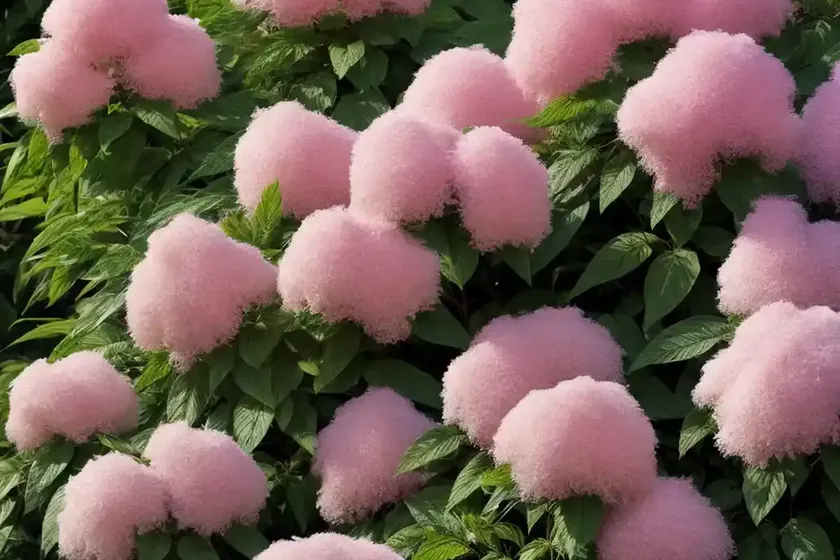
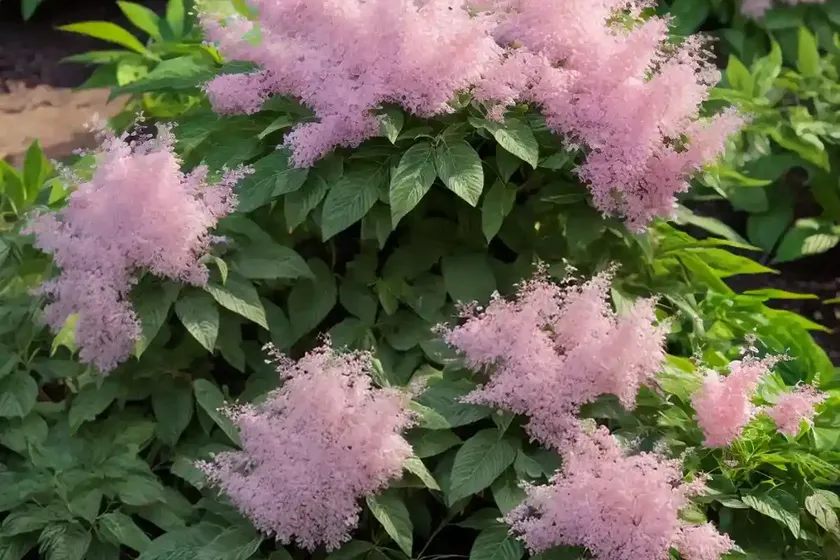
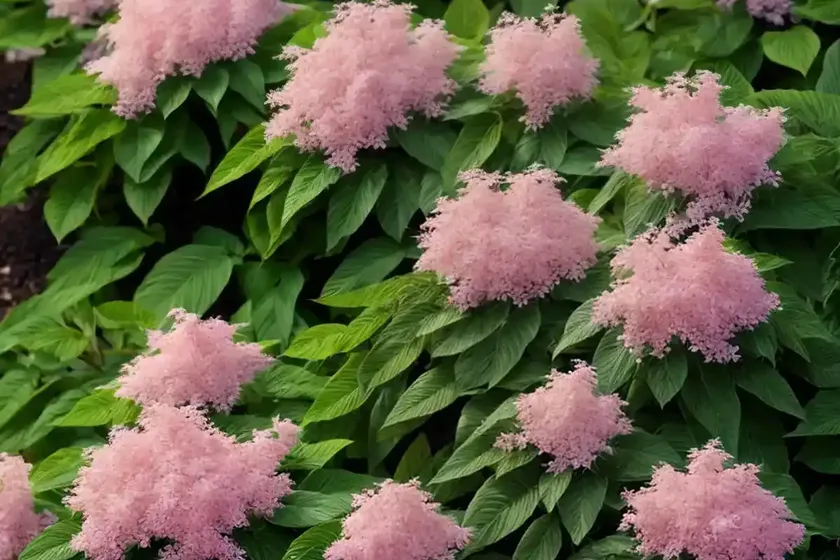
Plants are incredible living organisms that enrich our lives in many ways. They not only provide us with oxygen and food but also contribute to the aesthetic appeal of our surroundings. One such captivating plant is the Kolkwitzia amabilis, commonly known as the Beauty Bush. This deciduous shrub is revered for its abundant clusters of delicate, bell-shaped flowers and graceful arching branches, making it a noteworthy addition to any garden or landscape.
In this comprehensive guide, we will delve into the mesmerizing world of Kolkwitzia amabilis, exploring its cultural requirements, uses, maintenance, and much more. Whether you’re an enthusiastic gardener, a landscaping professional, or simply someone with an appreciation for the beauty of nature, this article is your ultimate resource for understanding and cultivating the enchanting Beauty Bush.
What is Kolkwitzia Amabilis?
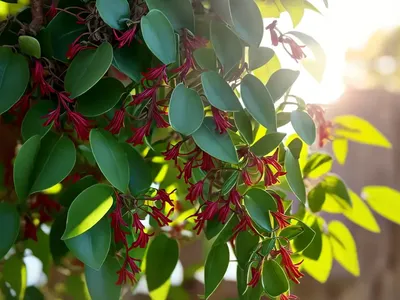
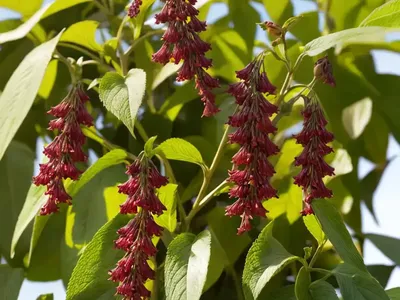
Kolkwitzia amabilis, commonly known as the Beauty Bush or Beautybush, is a species of flowering plant in the family Caprifoliaceae. It is native to central China, where it thrives in a variety of habitats, from open woodlands to rocky slopes. This deciduous shrub is known for its arching branches and abundance of pink, bell-shaped flowers that adorn the plant in late spring to early summer, creating a breathtaking display of color and elegance.
The Beauty Bush possesses a graceful and open form, with slender, arching stems that give it a fountain-like appearance. The leaves are dark green and ovate, providing a beautiful backdrop for the abundant clusters of flowers. After the flowering season, the plant produces small, dry fruits that add to its ornamental value.
Key Takeaways – Beauty Bush (Kolkwitzia Amabilis)
Here are the key takeaways that we will explore in detail throughout this guide:
- Culture
- Uses
- Water
- Sunlight
- Fertilizer
- Soil
- Pruning
- Propagation
- Container Popularity
- Container Common Diseases
- Disease Diagnosis
- Common Pests
- Botanist’s Tips
- Fun Facts
- Links to External Resources
In the following sections, we will explore each of these aspects, providing a comprehensive understanding of the Beauty Bush and how to care for it.
Beauty Bush: A Closer Look
To truly appreciate the Beauty Bush and understand how to nurture it, we must explore its cultural requirements, uses in landscaping, and the various factors that contribute to its optimal growth and development. Let’s embark on a journey into the enthralling world of Kolkwitzia amabilis, beginning with its cultural needs.
Culture
The cultural requirements of the Beauty Bush encompass a range of factors that are essential for its health and vitality. Understanding these needs is crucial for successfully growing and maintaining this captivating shrub.
Water
Proper watering is essential for the health and vigor of Kolkwitzia amabilis. As a general guideline, it is important to ensure that the plant receives an adequate amount of water, particularly during dry spells or periods of drought. However, it is equally important to avoid overwatering, as this can lead to waterlogged soil and potentially harm the plant.
- Watering Tips:
- Water the Beauty Bush deeply but infrequently, allowing the soil to dry out slightly between waterings.
- Apply water at the base of the plant to minimize moisture on the leaves and flowers, which can help prevent disease.
- During hot and dry periods, monitor the plant closely and increase watering as needed to prevent dehydration.
Sunlight
The Beauty Bush thrives in areas with ample sunlight, though it can also tolerate partial shade. When selecting a planting location for Kolkwitzia amabilis, it is important to consider its sunlight requirements to ensure optimal growth and abundant flowering.
- Sunlight Guidelines:
- Plant the Beauty Bush in a location that receives full to partial sunlight, ideally with at least 6 hours of direct sunlight per day.
- In regions with intense afternoon sun and high temperatures, providing some afternoon shade can protect the plant from heat stress.
- Ensure that the planting area has well-drained soil to prevent waterlogging, particularly in partially shaded locations where excess moisture may linger.
Fertilizer
Proper fertilization can significantly enhance the growth and blooming capacity of the Beauty Bush. A balanced and timely application of fertilizer can provide the plant with essential nutrients, promoting healthy foliage and prolific flowering.
- Fertilizing Recommendations:
- Apply a slow-release or balanced fertilizer in early spring before the onset of new growth, following the manufacturer’s instructions for application rates.
- Avoid excessive use of high-nitrogen fertilizers, as this can promote lush foliage at the expense of flowering.
- Consider performing a soil test to determine the nutrient levels and pH of the soil, which can guide you in selecting the most suitable fertilizer for your specific growing conditions.
Soil
The soil requirements of Kolkwitzia amabilis are fairly adaptable, though the plant thrives in well-drained, moderately fertile soil. Understanding the optimal soil conditions for the Beauty Bush is essential for providing it with a conducive growing environment.
- Soil Guidelines:
- Plant the Beauty Bush in well-drained soil with a slightly acidic to neutral pH range, ideally between 6.0 and 7.0.
- Ample organic matter in the soil can enhance its fertility and moisture retention capacity, benefiting the overall health of the plant.
- Consider amending heavy or compacted soils with organic compost or peat moss to improve drainage and aeration.
With these cultural insights, you can now establish a strong foundation for growing and nurturing the Beauty Bush in your garden or landscape. Next, let’s explore the essential maintenance practices, including pruning and propagation, that will further enhance the appeal of Kolkwitzia amabilis.
Pruning
Pruning is a vital aspect of maintaining the shape, size, and flowering potential of the Beauty Bush. Proper pruning techniques can help rejuvenate the plant, remove dead or diseased wood, and stimulate healthy growth.
- Pruning Tips:
- Prune the Beauty Bush immediately after the flowering period, typically in late spring to early summer, to avoid removing potential flower buds for the following year.
- Remove any dead, damaged, or crossing branches to promote good air circulation and reduce the risk of diseases.
- To maintain the graceful arching form of the plant, selectively prune the oldest stems or those that disrupt the natural aesthetic of the shrub.
Propagation
Propagating the Beauty Bush allows you to expand your collection of these captivating shrubs or share them with fellow gardening enthusiasts. Understanding the various methods of propagation can empower you to create new plants from existing ones.
- Propagation Techniques:
- Propagate Kolkwitzia amabilis through softwood cuttings taken in late spring to early summer, using the youngest, non-flowering shoots.
- Prepare a rooting medium with a combination of peat moss, perlite, or vermiculite to provide the ideal environment for root development.
- Carefully monitor the moisture levels and provide bottom heat to encourage the rooting of the cuttings, typically within 4 to 6 weeks.
By mastering the art of pruning and propagation, you can actively contribute to the growth and proliferation of the captivating Beauty Bush, creating an enchanting display of natural beauty in your garden or landscape.
In addition to these fundamental aspects of care, it is essential to consider the potential challenges that the Beauty Bush may face, including diseases and pests that can affect its health and vitality.
Common Diseases
While the Beauty Bush is relatively resilient, it is susceptible to certain diseases that can affect its foliage, flowers, and overall vigor. Being aware of these potential ailments is essential for implementing preventative measures and timely treatments.
Disease Diagnosis
Several common diseases can impact the health of Kolkwitzia amabilis, including powdery mildew, leaf spot, and canker diseases. Diagnosing these issues early and accurately is crucial for implementing the most effective management strategies.
- Common Diseases:
- Powdery Mildew: This fungal disease appears as a powdery, whitish coating on the leaves, resulting in distorted growth and reduced plant vigor.
- Leaf Spot: Leaf spot diseases manifest as dark, irregular spots on the foliage, often leading to premature leaf drop and overall decline in plant health.
- Canker Diseases: Canker infections cause localized sunken areas on the branches, leading to dieback and potential structural weakness in the plant.
Disease Management
To effectively manage these common diseases, it is important to implement cultural and, if necessary, chemical control measures. These strategies can help minimize the impact of diseases and preserve the health and vitality of the Beauty Bush.
- Management Strategies:
- Ensure proper air circulation around the plant by spacing it appropriately and removing any dense or overcrowded growth.
- Avoid overhead watering to minimize moisture on the foliage, which can create a conducive environment for disease development.
- Apply fungicidal treatments as a preventative measure, particularly during periods of high humidity or when disease pressure is elevated.
With a proactive approach to disease management, you can safeguard the Beauty Bush against common ailments, allowing it to thrive and grace your garden with its stunning display of flowers and foliage.
Common Pests
In addition to diseases, the Beauty Bush can also attract certain pests that may compromise its health and aesthetic appeal. Understanding these common pests and their management is essential for preserving the beauty and vitality of Kolkwitzia amabilis.
- Common Pests:
- Aphids: These tiny, sap-sucking insects can congregate on the tender new growth of the plant, causing distortion and discoloration of the leaves.
- Spider Mites: Spider mites are common pests that feed on the plant’s sap, leading to stippling and yellowing of the foliage.
- Scale Insects: Scale insects can infest the stems and branches of the Beauty Bush, appearing as raised, waxy bumps that can impede the flow of nutrients and weaken the plant.
Pest Management
Implementing integrated pest management (IPM) practices can effectively control common pests while minimizing the use of chemical treatments. By combining preventative and targeted control measures, you can protect the Beauty Bush from the damaging effects of pests.
- Pest Control Strategies:
- Encourage natural predators of aphids, such as ladybugs and lacewings, to help manage aphid populations in the garden.
- Regularly inspect the undersides of the leaves for signs of spider mite infestations and, if necessary, use a strong jet of water to dislodge the pests.
- Prune and dispose of heavily infested plant parts to reduce the population of scale insects and prevent their spread to healthy growth.
With a proactive and holistic approach to pest management, you can maintain the health and resilience of the Beauty Bush, allowing it to flourish and enchant with its abundant flowers and graceful form.
As botanists and plant enthusiasts, we can further enrich our understanding of Kolkwitzia amabilis by exploring some captivating facts and insights about this charming shrub.
Botanist’s Tips
As you embark on your journey with the Beauty Bush, consider the following tips and recommendations to enhance your experience of growing and appreciating Kolkwitzia amabilis:
- Landscape Enhancement: Plant the Beauty Bush near a natural focal point, such as a water feature or garden sculpture, to accentuate its graceful form and colorful flowers.
- Companion Planting: Pair the Beauty Bush with other flowering shrubs and perennials that complement its color palette and bloom at different times, creating a dynamic and visually appealing landscape.
- Wildlife Benefits: The abundant flowers of Kolkwitzia amabilis attract pollinators such as bees and butterflies, enhancing the ecological value of the plant and contributing to biodiversity in the garden.
- Pruning Techniques: When pruning the Beauty Bush, aim to maintain its natural, arching form while removing any dead or overcrowded branches to promote healthy growth and abundant flowering.
By incorporating these botanist’s tips into your horticultural practices, you can elevate the beauty and impact of the Beauty Bush within your garden or landscape, creating a captivating tapestry of colors, textures, and natural allure.
Fun Facts
To further indulge in the enchanting world of the Beauty Bush, here are some delightful and intriguing fun facts about Kolkwitzia amabilis:
- Elegant Arching Form: The gracefully arching branches of the Beauty Bush give it a distinctive and captivating presence in the landscape, adding a sense of movement and flow.
- Abundant Flowering: Kolkwitzia amabilis is renowned for its prolific clusters of pink, bell-shaped flowers that drape the plant in a mesmerizing display of color and elegance.
- Landscape Versatility: The Beauty Bush is suitable for various landscaping styles, including cottage gardens, informal borders, and naturalistic settings, where its effortless charm shines through.
- Graceful Foliage: The dark green, ovate leaves of the Beauty Bush provide an attractive backdrop to the abundant flowers, adding depth and contrast to its overall appearance.
- Architectural Appeal: The fountain-like form of Kolkwitzia amabilis makes it an ideal candidate for creating focal points or adding vertical interest within the garden or landscape.
These fun facts offer a glimpse into the captivating allure of the Beauty Bush and the myriad ways in which it enriches the natural world with its inherent beauty and charm.
To further expand your knowledge and appreciation of the Beauty Bush, I have curated a selection of external resources that offer valuable insights, tips, and inspiration for cultivating and enjoying Kolkwitzia amabilis. Whether you are a seasoned gardener or a novice enthusiast, these resources will empower you to unlock the full potential of this enchanting shrub.
Links to External Resources
- The Royal Horticultural Society (RHS) – Beauty Bush (Kolkwitzia amabilis)
- Missouri Botanical Garden – Kolkwitzia amabilis
- American Society for the Prevention of Cruelty to Plants (ASPCP) – Growing and Caring for Beauty Bush
- The National Gardening Association – Beauty Bush (Kolkwitzia amabilis)
- University of Florida IFAS Extension – Selecting Shrubs for Florida: Beauty Bush
These reputable resources provide a wealth of information, practical guidance, and expert perspectives on growing, caring for, and incorporating the Beauty Bush into diverse garden settings. By exploring these resources, you can embark on a rewarding journey of discovery and cultivation, fully immersing yourself in the mesmerizing world of Kolkwitzia amabilis.
In conclusion, the Beauty Bush (Kolkwitzia amabilis) stands as a horticultural gem, captivating us with its delicate flowers, graceful form, and natural allure. By understanding its cultural needs, maintenance requirements, and intrinsic charm, we can cultivate and savor the unparalleled beauty of this enchanting shrub. Whether it graces a serene garden retreat, a vibrant urban landscape, or a whimsical cottage garden, the Beauty Bush enchants and inspires, weaving its timeless elegance into the tapestry of nature.
As we celebrate the captivating allure of the Beauty Bush, may we continue to cherish and steward the remarkable diversity of plants that enrich our world, connecting us with the wonders of the natural environment and the enduring legacy of botanical beauty.
With this comprehensive guide, you have a detailed understanding of the captivating Beauty Bush (Kolkwitzia amabilis), encompassing its cultural needs, uses, maintenance, and enriching insights. Through curated external resources, you can further explore and cultivate the enchanting world of this mesmerizing shrub. Whether you are a seasoned gardener, a landscaping professional, or an avid nature enthusiast, this guide equips you with the knowledge and inspiration to embrace the timeless allure of the Beauty Bush.