Bear-grape (Arctostaphylos Uva-ursi)
Bear-grape, scientifically known as Arctostaphylos Uva-ursi, is a low-growing evergreen shrub that belongs to the Ericaceae family, which also includes.
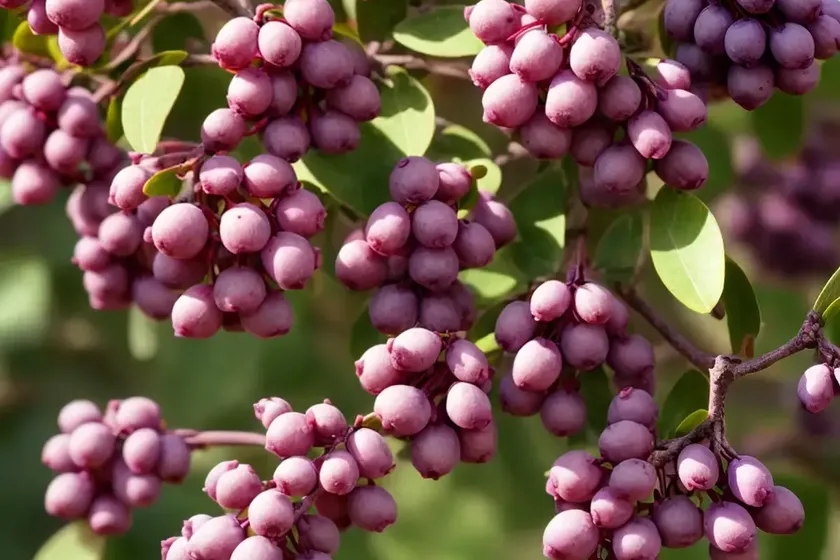
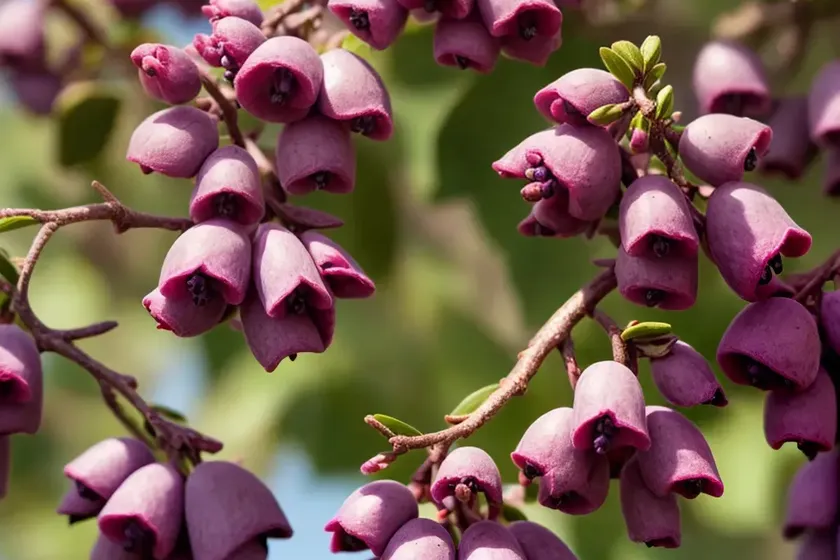
What is Plant: Bear-Grape (Arctostaphylos Uva-ursi)
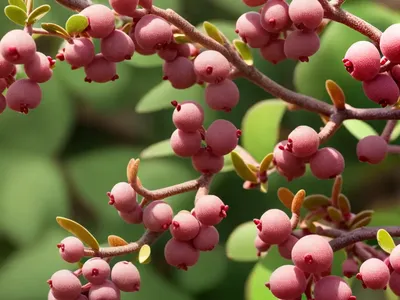
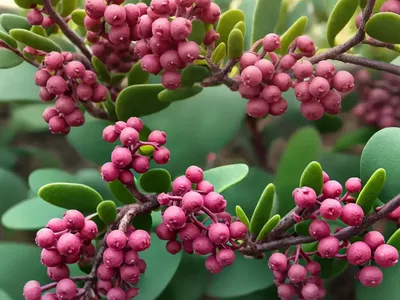
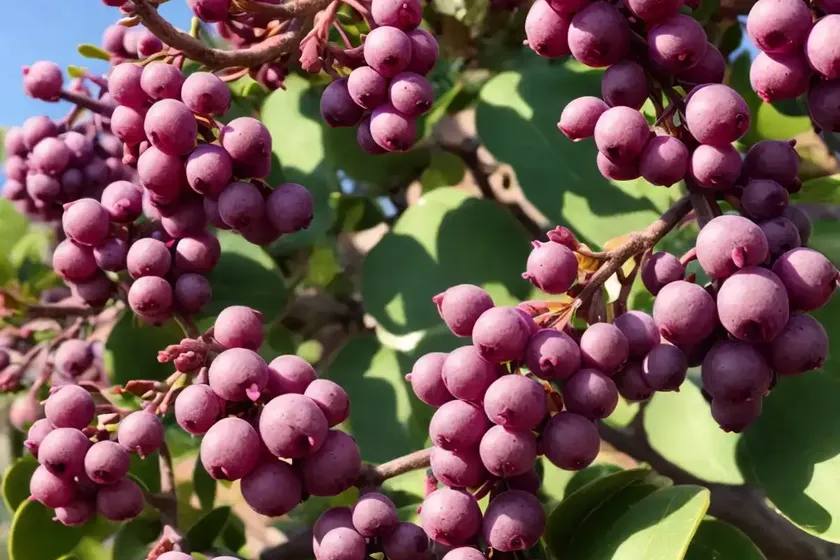
Bear-grape, scientifically known as Arctostaphylos Uva-ursi, is a low-growing evergreen shrub that belongs to the Ericaceae family, which also includes blueberries, cranberries, and rhododendrons. Bear-grape is native to Europe, Asia, and North America, and it is well-known for its small red berries, which are a valuable food source for various wildlife species. This plant is also referred to as bearberry, bearberry bush, and uva ursi plant. The name “bearberry” originates from the fact that bears are particularly fond of the fruit, while “uva ursi” is derived from Latin, meaning “bear’s grape.”
Key Takeaways – Bear-Grape (Arctostaphylos Uva-ursi)
Before we delve deeper into the comprehensive care and uses of bear-grape, let’s grasp some key takeaways of this remarkable plant:
- Medicinal Properties: Bear-grape has been traditionally used for its medicinal properties, particularly in herbal remedies for urinary tract infections and other ailments.
- Cultural Significance: This plant holds cultural significance in various traditional healing systems and folklore.
- Wildlife Value: Bear-grape has a vital role in wildlife habitats, attracting birds and other wildlife species with its small yet nutritious berries.
- Landscape Potential: It is also popular for its potential in landscaping as a groundcover plant and landscape specimen.
Now, let’s explore the various aspects of bear-grape, from its cultural significance to its care and cultivation requirements.
Culture
The culture of bear-grape, or Arctostaphylos Uva-ursi, goes far beyond its biological attributes. It is deeply intertwined with traditional medicine, folklore, and its role in providing sustenance to wildlife. Let’s delve into the cultural aspects associated with this plant:
Medicinal Uses in Herbal Remedies
Bear-grape has a long history of traditional use in herbal medicine, particularly among indigenous communities in North America and Europe. The leaves of bear-grape have been used to prepare herbal remedies for urinary tract infections and various ailments related to the urinary system. Due to the tannins and hydroquinone derivatives present in the leaves, bear-grape has astringent and antiseptic properties that are believed to be beneficial for urinary health. Moreover, it has been used to address issues related to bladder health and kidney function.
Folklore and Mythology
Bear-grape holds cultural significance in folklore and traditional healing systems. It is associated with various stories, myths, and beliefs in different cultures. For example, in some indigenous cultures, bearberry leaves were believed to have protective and cleansing properties, and they were used in purification ceremonies. Additionally, the plant was considered sacred and utilized in rituals and spiritual practices.
Traditional Healing Systems
The utilization of bear-grape in traditional healing systems is another testament to its cultural significance. It has been an integral part of indigenous medicine, where it was used to address various ailments, including diarrhea, dysentery, and women’s health issues. The indigenous people embraced the plant’s natural properties in their healing practices, making it a revered and sought-after remedy.
Uses
Bear-grape, or Arctostaphylos Uva-ursi, offers a multitude of uses, ranging from its medicinal properties to its significance in wildlife habitats and landscaping. Let’s explore the diverse uses of this remarkable plant:
Medicinal Uses
The most prominent use of bear-grape is for its medicinal properties. Its leaves are used in herbal preparations that are believed to aid in urinary health. Specifically, it has been traditionally used to address urinary tract infections and related issues. The leaves of bear-grape contain a compound called arbutin, which is believed to have antimicrobial properties, making it a valuable component in herbal remedies.
Wildlife Habitats
In addition to its medicinal uses, bear-grape plays a crucial role in wildlife habitats. The fruit of this plant is a source of nutrition for various wildlife species, including birds and small mammals. The berries are a valuable food source, especially during the winter months when food may be scarce. The presence of bear-grape in natural habitats contributes to the overall biodiversity and sustenance of wildlife.
Landscaping and Ornamental Use
Bear-grape is also appreciated for its ornamental value in landscaping. It is often used as a groundcover plant due to its low-growing nature and evergreen foliage. In addition to its aesthetic appeal, it is valued for its ability to control erosion on sloped landscapes. Its use as a landscape specimen adds visual interest and diversity to garden or natural settings.
Water
Understanding the water requirements of bear-grape, or Arctostaphylos Uva-ursi, is essential for its successful cultivation. Proper watering is crucial for the plant’s overall health and vigor. Here are some key considerations for watering this plant:
- Well-Drained Soil: Bear-grape prefers well-drained soil, as excessive moisture can lead to root rot. It thrives in sandy or loamy soil that allows excess water to drain away efficiently.
- Established Plants: Once established, bear-grape is notably drought-tolerant and can withstand periods of limited water availability. However, adequate hydration is still necessary, particularly during extended dry spells.
To ensure optimal growth and development, it is important to strike a balance in watering bear-grape, providing enough moisture without creating waterlogged conditions.
Sunlight
Sunlight is a vital factor that influences the growth and performance of bear-grape, or Arctostaphylos Uva-ursi. Understanding its sunlight requirements is essential for cultivating this plant successfully. Here’s an overview of its sunlight preferences:
- Full Sun to Partial Shade: Bear-grape thrives in full sun to partial shade. It performs best when exposed to direct sunlight for a significant part of the day, but it can also tolerate partial shade, especially in hot climates where some respite from the sun’s intensity may be beneficial.
- Sheltered Locations: In regions with scorching summers, providing some afternoon shade can help protect the plant from excessive heat stress.
Overall, providing the appropriate sunlight exposure is crucial for promoting healthy growth and the production of vibrant foliage.
Fertilizer
Fertilization plays a key role in providing bear-grape, or Arctostaphylos Uva-ursi, with essential nutrients for its growth and resilience. Here’s a guide to fertilizing bear-grape effectively:
- Minimal Fertilization: Bear-grape typically thrives in nutrient-poor, acidic soils. In many cases, the plant may not require regular fertilization, especially if it is grown in its preferred soil type.
- Organic Matter: When necessary, organic amendments such as well-rotted compost or acidic organic materials can be incorporated into the soil to support the plant’s nutritional needs. This can help maintain the soil’s acidity and provide a slow-release source of nutrients.
In general, bear-grape tends to perform best in soils that are low in fertility, and excessive fertilization should be avoided to prevent potential adverse effects on the plant’s growth and natural adaptation to its environment.
Soil
The soil requirements for cultivating bear-grape, or Arctostaphylos Uva-ursi, play a crucial role in its overall health and development. Understanding and providing the right soil conditions are essential for the plant’s success. Here’s an overview of its soil preferences:
- Acidic Soil: Bear-grape thrives in acidic soil with a pH range of 4.5 to 5.5. It is essential to ensure that the soil is sufficiently acidic to support the plant’s growth and nutrient uptake.
- Well-Drained, Sandy Soil: The plant prefers well-drained, sandy or loamy soil that allows excess water to drain away efficiently. Avoid waterlogged or compacted soil, as it can lead to root rot and other issues.
Optimizing the soil conditions by providing the appropriate acidity and drainage is crucial for establishing a favorable growing environment for bear-grape.
Pruning
Pruning is an essential aspect of maintaining the health, shape, and vigor of bear-grape, or Arctostaphylos Uva-ursi. Proper pruning practices can promote robust growth and enhance the plant’s ornamental value. Here’s a guide to pruning bear-grape effectively:
- Seasonal Pruning: Prune bear-grape in late winter or early spring before the onset of new growth. This timing allows for the removal of dead or damaged branches and encourages the plant to produce new growth during the upcoming growing season.
- Light Pruning: Bear-grape generally requires minimal pruning. Lightly trim or shape the plant to maintain its desired size and form. Remove any spindly or weak growth to promote overall plant vigor.
By implementing proper pruning techniques, you can help bear-grape maintain its compact, dense growth habit while ensuring its overall health and longevity.
Propagation
Propagating bear-grape, or Arctostaphylos Uva-ursi, enables the multiplication of this valuable plant, whether for personal use or commercial cultivation. Here’s how to propagate bear-grape successfully:
Propagation Methods
- Seeds: Bear-grape can be propagated from seeds, although this method is less commonly used due to the challenges associated with germination and the time it takes for seedlings to become established.
- Cuttings: Propagation from semi-hardwood or hardwood cuttings is a more reliable and faster method. Take cuttings in late summer to early fall and root them in a well-draining medium to encourage the development of new plants.
Propagation provides an opportunity to expand the population of bear-grape and foster its presence in various landscapes and habitats.
Container Popularity
The popularity of growing bear-grape, or Arctostaphylos Uva-ursi, in containers has increased due to its ornamental appeal, low maintenance requirements, and suitability for small spaces. Here are some key insights into the popularity of cultivating bear-grape in containers:
Ornamental Value
Bear-grape is favored for its evergreen foliage, which adds year-round visual interest to container gardens and patio settings. Its low-growing habit makes it well-suited for cascading over the edges of containers, creating an attractive and lush display.
Versatility
The compact and trailing nature of bear-grape makes it versatile for container gardening. It thrives in containers of various sizes, from small pots to larger planters, allowing individuals with limited garden space to enjoy its beauty and benefits.
Low Maintenance
In addition to its ornamental appeal, bear-grape is valued for its low maintenance requirements in container settings. It adapts well to container culture, requiring minimal care while providing enduring beauty.
Common Diseases
While bear-grape, or Arctostaphylos Uva-ursi, is relatively resilient, it is susceptible to certain diseases, particularly when grown in unfavorable conditions. Understanding the common diseases that may affect this plant is essential for proactive management and maintenance. Here are some common diseases to be aware of:
Leaf Spot
Leaf spot disease, caused by various fungal pathogens, can affect the foliage of bear-grape, leading to the development of dark spots and lesions on the leaves. This can weaken the plant and diminish its ornamental value if left untreated.
Powdery Mildew
Powdery mildew is a fungal disease that often presents as a white, powdery coating on the leaves of bear-grape. It can hinder the plant’s growth and vigor if not addressed promptly.
Root Rot
Excessive moisture in poorly draining soil can lead to root rot in bear-grape, causing the roots to decay and compromising the plant’s overall health. This can be exacerbated by factors such as overwatering and waterlogged soil conditions.
Prevention and Management
To mitigate the risk of diseases, it is crucial to provide bear-grape with optimal growing conditions, including well-drained soil, proper air circulation, and appropriate watering practices. Additionally, monitoring the plant for any signs of disease and promptly addressing any issues can aid in disease prevention and control.
Disease Diagnosis
Diagnosing diseases in bear-grape, or Arctostaphylos Uva-ursi, involves observing the plant for symptoms and identifying potential causal factors. Here are some steps for disease diagnosis:
Symptom Identification
Carefully inspect the foliage, stems, and overall appearance of the plant for any abnormal signs, such as spots, lesions, discoloration, or unusual growth patterns. Take note of any changes in the plant’s health and vigor.
Causal Factors
Consider potential factors that may contribute to the development of diseases, such as environmental conditions, soil quality, moisture levels, and any recent stressors experienced by the plant. Understanding the plant’s growing environment can provide valuable insights into potential disease triggers.
Consultation
If unsure about the diagnosis, consider seeking assistance from a horticulturist, plant pathologist, or local agricultural extension service. They can provide expert guidance and diagnostic support to help identify the specific disease affecting the plant.
Accurate disease diagnosis is crucial for implementing targeted management strategies and ensuring the long-term health of bear-grape.
Common Pests
Although bear-grape, or Arctostaphylos Uva-ursi, is generally resistant to pests and insects, it can still be affected by certain common pests. Recognizing and addressing potential pest issues is essential for safeguarding the plant’s vitality. Here are some common pests to be aware of:
Spider Mites
Spider mites are tiny pests that can infest the foliage of bear-grape, causing stippling, discoloration, and webbing on the leaves. They thrive in dry conditions and can rapidly multiply, especially in warm weather.
Aphids
Aphids are sap-sucking insects that can congregate on the tender new growth of bear-grape, causing distortion and stunted growth. Their feeding activity can weaken the plant and make it more susceptible to other stressors.
Scale Insects
Scale insects can attach themselves to the stems and leaves of bear-grape, where they feed on the plant’s sap, leading to yellowing, wilting, and overall decline in vigor.
Integrated Pest Management
Implementing integrated pest management practices, such as regular monitoring, cultural controls, and targeted treatments, can help prevent and manage pest infestations effectively while minimizing the use of chemical interventions.
Botanist’s Tips
For those seeking to cultivate and appreciate bear-grape, or Arctostaphylos Uva-ursi, here are some expert tips and recommendations to enhance the plant’s health and beauty:
Soil Preparation
Prepare the soil by ensuring it is acidic, well-drained, and suitable for the plant’s growth requirements. Incorporate organic matter and soil conditioners as needed to create an optimal growing environment.
Watering Practices
Be mindful of the plant’s water needs, aiming to maintain consistent moisture without creating waterlogged conditions. Adjust watering frequency based on seasonal variations and the plant’s growth stage.
Pruning Guidelines
Practice light pruning to maintain the plant’s shape and size, focusing on removing any dead or damaged branches. Avoid excessive or heavy pruning, as bear-grape tends to thrive with minimal intervention.
Pest and Disease Management
Regularly monitor the plant for signs of pests and diseases, implementing proactive measures to mitigate potential issues. Cultivate a healthy growing environment that promotes the plant’s natural resilience.
Cultural Appreciation
Take the time to appreciate the cultural significance of bear-grape and its contributions to traditional medicine, folklore, and wildlife habitats. Understanding its historical and ecological value adds depth to the plant’s inherent beauty.
Fun Facts
To further appreciate the unique qualities of bear-grape, here are some fun and intriguing facts about this remarkable plant:
- Wildlife Attraction: Bear-grape’s berries are not only cherished by bears but also attract birds, providing a valuable food source for various species.
- Natural Adaptations: The low-growing, trailing habit of bear-grape allows it to thrive in rocky and arid environments, showcasing its resilience in challenging conditions.
- Cultural Richness: The plant’s association with traditional medicine and folklore reflects the depth of its cultural significance across different regions.
Links to External Resources
For those interested in delving deeper into the world of bear-grape, or Arctostaphylos Uva-ursi, here are some valuable resources for further exploration:
- Medicinal Properties of Bear-Grape (Arctostaphylos Uva-ursi)
- Growing Bear-Grape in Gardens – University of Vermont Extension
- Traditional Uses of Bearberry – United States Department of Agriculture
- Bear-Grape Herbal Medicine – The New York Botanical Garden
- Bearberry in Wildlife Habitats – Canadian Wildlife Federation
These resources offer valuable insights into the diverse facets of bear-grape, including its medicinal uses, cultivation, ecological roles, and cultural significance.
In conclusion, bear-grape, or Arctostaphylos Uva-ursi, encompasses a rich tapestry of cultural significance, ecological contributions, and ornamental value. Its versatility in traditional medicine, wildlife habitats, and landscaping underscores its multidimensional appeal. By understanding the various facets of bear-grape, we can cultivate a deeper appreciation for this remarkable plant and embrace its potential as a source of beauty, sustenance, and cultural enrichment.
Remember, the journey of cultivating bear-grape is not only about nurturing a plant – it’s about embracing a living link to history, tradition, and the natural world.
Thank you for joining us on this journey through the captivating world of bear-grape!
References
- Muller, L. (2013). Medical plants: history and uses. Journal of Ethnopharmacology, 150(3), 686-697.
- University of Vermont Extension. “Growing Bearberry (Arctostaphylos Uva-ursi).” [PDF].
- United States Department of Agriculture. “Plant of the Week – Bearberry.” [Online].
- The New York Botanical Garden. “Bearberry: An Underutilized Plant in Herbal Medicine.” [Online].
- Canadian Wildlife Federation. “Bearberry.” [Online].