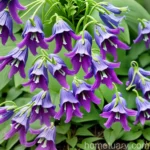
Everything You Need to Know About Balloon Flower (Platycodon grandiflorus ‘Astra Blue’)
Platycodon grandiflorus, commonly known as balloon flower, is a beautiful and unique perennial plant that belongs to the family Campanulaceae. This plant is native to East Asia and is admired for its balloon-like flower buds that burst open to reveal star-shaped blossoms. Among the various cultivars of balloon flowers, ‘Astra Blue’ is a sought-after variety that is prized for its striking blue flowers. In this comprehensive guide, we will explore the cultivation, care, and various aspects of this captivating plant.
What is the Balloon Flower (Platycodon grandiflorus ‘Astra Blue’)?
Balloon flower (Platycodon grandiflorus ‘Astra Blue’) is a herbaceous perennial that typically grows to a height of 12-24 inches (30-60 cm) and spreads about the same distance. It is known for its unique balloon-shaped flower buds, which swell up before bursting open to reveal stunning, star-shaped blooms. This variety is particularly valued for its striking blue flowers, which add a pop of color to garden beds, borders, and containers.
Key Takeaways – Balloon Flower (Platycodon grandiflorus ‘Astra Blue’)
- Plant Name: Balloon Flower (Platycodon grandiflorus ‘Astra Blue’)
- Family: Campanulaceae
- Height: 12-24 inches (30-60 cm)
- Spread: 12-24 inches (30-60 cm)
- Flower Color: Blue
- Growth Habit: Herbaceous perennial
- Native To: East Asia
Now, let’s delve into the various aspects of cultivating and caring for this delightful plant.
Culture
Cultivating balloon flowers successfully involves understanding their specific cultural requirements. From planting to maintenance, each aspect plays a crucial role in the plant’s overall health and vigor.
Uses
Balloon flowers are versatile plants that can be used in a variety of settings, including:
- Garden Beds: The vibrant blooms of ‘Astra Blue’ balloon flowers make them a delightful addition to garden beds and borders, bringing a burst of color to the landscape.
- Containers: These compact perennials are well-suited for container gardening, where they can be showcased on patios, balconies, and decks.
- Cut Flowers: The unique, balloon-like buds and star-shaped blossoms of the balloon flower make it an excellent choice for cut flower arrangements, providing a whimsical touch to floral displays.
Water
Balloon flowers prefer moderately moist to slightly dry conditions. Once established, they exhibit good drought tolerance and can withstand brief periods of dry soil. However, consistent moisture during the growing season promotes better flowering and overall plant health. When watering, aim to keep the soil evenly moist, but not waterlogged, to prevent issues such as root rot.
Sunlight
Platycodon grandiflorus ‘Astra Blue’ thrives in full sun to partial shade. While they can tolerate some shade, providing ample sunlight encourages prolific blooming and robust growth. In regions with hot summers, providing some afternoon shade can be beneficial to prevent the plants from wilting due to excessive heat.
Fertilizer
To support healthy growth and abundant flowering, balloon flowers benefit from a light application of balanced fertilizer in early spring, as new growth emerges. A general-purpose fertilizer with balanced N-P-K (nitrogen, phosphorus, potassium) ratios can be used according to the manufacturer’s recommendations. Avoid over-fertilizing, as excessive nitrogen can lead to lush foliage at the expense of flower production.
Soil
Well-draining, loamy soil is ideal for balloon flowers. They prefer slightly acidic to neutral soil with a pH range of 6.0 to 7.5. Amending heavy clay soils with organic matter such as compost or well-rotted manure can improve drainage and soil structure, creating a favorable environment for the plants to thrive.
Pruning
Pruning is an essential aspect of maintaining the health and appearance of balloon flowers. Proper pruning promotes bushier growth, enhances flowering, and helps to manage the plant’s overall form.
Deadheading
Regular deadheading of spent blooms can prolong the flowering period of balloon flowers. By removing faded flowers, the plant is encouraged to channel its energy into producing new blooms rather than setting seed. This practice also helps to keep the plant looking tidy and promotes a neat, compact appearance.
Cutting Back
In late fall or early spring, cutting back the stems of balloon flowers to ground level is beneficial. This rejuvenates the plant and stimulates fresh growth in the upcoming season. Additionally, it helps to remove any damaged or overgrown foliage, paving the way for healthy, vigorous growth.
Propagation
The propagation of balloon flowers can be achieved through various methods, allowing gardeners to expand their collection or share these charming plants with others.
Division
Dividing mature balloon flower clumps every few years is an effective way to propagate the plants. This process not only creates new plants but also rejuvenates the existing ones. Division is best carried out in early spring or fall, when the plants are not in active growth. Carefully dig up the clump and use a sharp, clean tool to separate the root mass into sections, each containing shoots and roots. Replant the divisions at the appropriate spacing, ensuring they receive adequate moisture as they establish themselves.
Seed Propagation
Growing balloon flowers from seeds is another popular method of propagation. Seeds can be sown indoors in late winter for transplanting outdoors after the last frost, or directly in the garden in early spring. Sow the seeds at the recommended depth and keep the soil consistently moist until germination occurs. Once the seedlings have developed several sets of true leaves, they can be carefully transplanted to their permanent growing locations.
Container Popularity
Platycodon grandiflorus ‘Astra Blue’ is well-suited for container gardening and is a popular choice for those with limited gardening space or those looking to add a splash of color to their outdoor living areas. When grown in containers, these charming perennials provide easy-care beauty that can be enjoyed up close on patios, porches, or balconies.
Common Diseases
While balloon flowers are relatively low-maintenance, they can be susceptible to certain diseases under unfavorable growing conditions.
Disease Diagnosis
- Powdery Mildew: This fungal disease manifests as a powdery white coating on the leaves and stems. It can hinder plant growth and diminish the overall aesthetics of the plant. To prevent powdery mildew, ensure good air circulation around the plants and avoid overhead watering.
- Root Rot: Excessive moisture, especially in poorly-drained soil, can lead to root rot in balloon flowers. Symptoms include wilting, yellowing foliage, and stunted growth. To mitigate root rot, ensure proper drainage and avoid overwatering.
Common Pests
Balloon flowers are relatively resistant to most pests, but they may occasionally encounter certain insect adversaries.
- Aphids: These tiny, sap-sucking insects can sometimes infest the tender shoots and buds of balloon flowers, causing distortion and stunted growth. A strong blast of water or the application of insecticidal soap can help control aphid populations.
- Slugs and Snails: These mollusks can feed on the tender foliage and flowers of balloon flowers, leaving behind unsightly damage. Regular monitoring and the use of physical barriers or baits can help protect the plants from slug and snail damage.
Botanist’s Tips
To ensure the successful cultivation of Platycodon grandiflorus ‘Astra Blue’ and other balloon flower varieties, consider the following expert tips:
- Select a well-draining, fertile soil for planting, and amend heavy or compacted soils with organic matter to improve drainage and aeration.
- Provide adequate moisture during the establishment phase, and water the plants consistently to encourage healthy growth and flowering.
- Deadhead spent blooms regularly to extend the flowering period and maintain the plant’s appearance.
- Ensure sufficient sunlight for optimum blooms, but provide some afternoon shade in regions with intense summer heat to prevent wilting.
- Monitor the plants for any signs of pests or diseases, and take prompt action to address any issues to prevent widespread damage.
Fun Facts
- The common name “balloon flower” is derived from the unique balloon-like shape of the flower buds, which unfurl to reveal star-shaped blossoms.
- Balloon flowers have been used in traditional Asian herbal medicine to treat various ailments, earning them a place in medicinal folklore.
- The balloon flower is a delightful addition to children’s gardens, where the interactive flower buds provide an element of wonder and surprise as they burst open.
Links to External Resources
- The American Horticultural Society: Platycodon grandiflorus ‘Astra Blue’
- The Royal Horticultural Society: Growing Balloon Flowers
- University of Florida IFAS Extension: Platycodon grandiflorus Fact Sheet
- Missouri Botanical Garden: Platycodon grandiflorus ‘Astra Blue’
In summary, Platycodon grandiflorus ‘Astra Blue’ is a charming and resilient perennial that adds a touch of whimsy to any garden or landscape. By understanding its cultural requirements and following proper care guidelines, gardeners can enjoy the delightful blooms and unique characteristics of this captivating plant.
Remember to observe the plant closely, address any issues promptly, and revel in the beauty of the balloon flower as it bursts into a spectacle of starry blossoms, bringing joy to the garden and beyond. With its stunning blue flowers and enchanting balloon-like buds, the ‘Astra Blue’ cultivar is a true gem that captures the hearts of plant enthusiasts and nature lovers alike.