Balkan Maple (Acer Hyrcanum)
Maple trees are beloved for their stunning foliage, shade-providing canopies, and overall striking appearance. One particularly intriguing species is the.
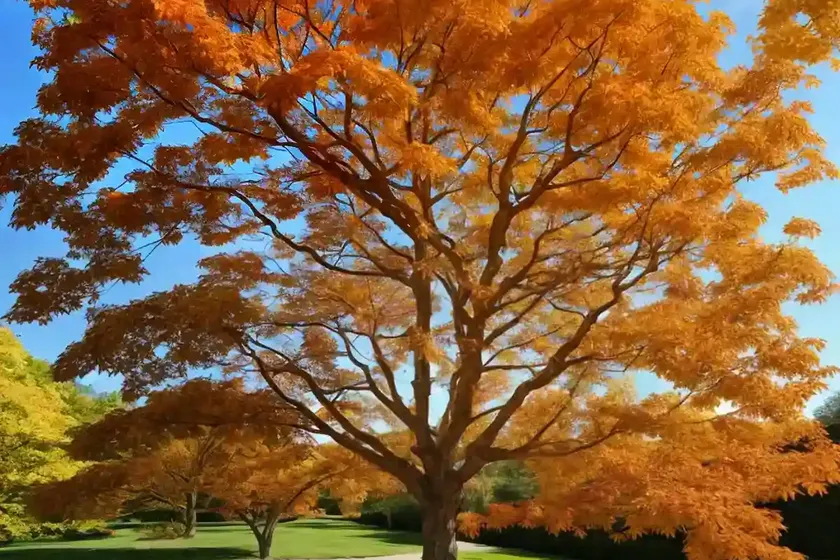
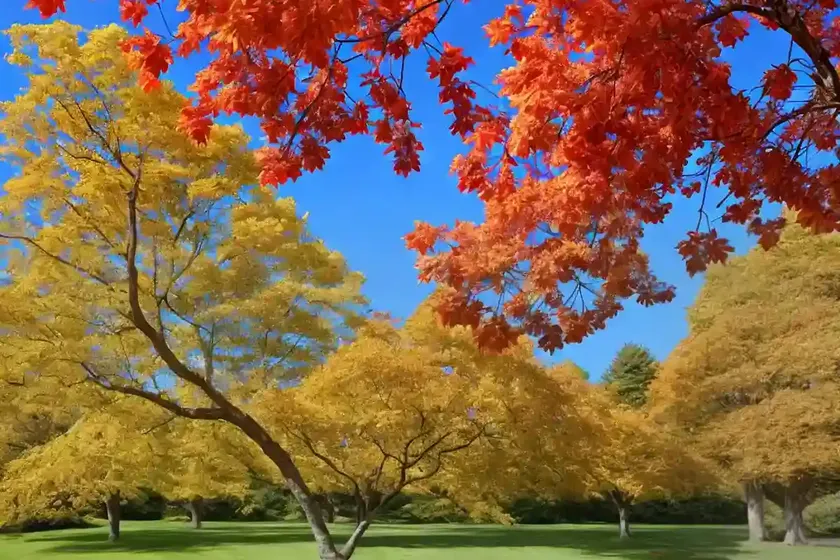
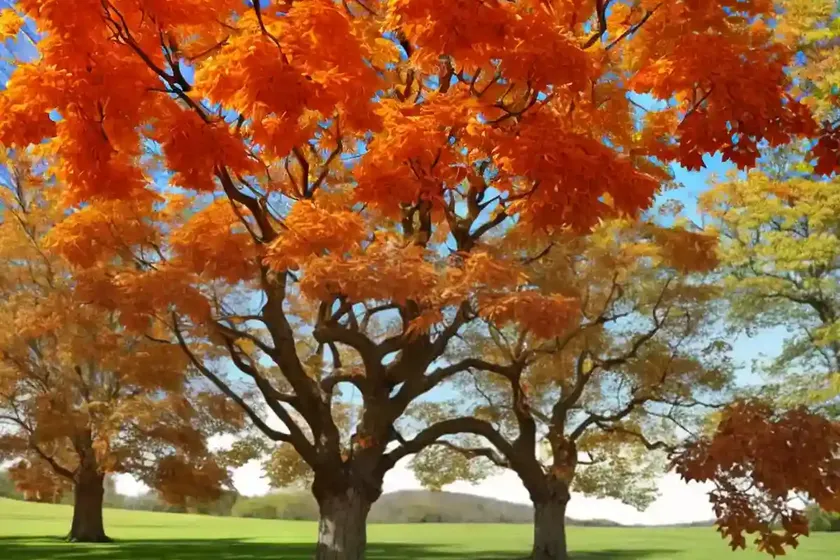
Maple trees are beloved for their stunning foliage, shade-providing canopies, and overall striking appearance. One particularly intriguing species is the Balkan Maple, scientifically known as Acer Hyrcanum. This beautiful tree is beloved for its ornamental features, and its cultivation and care are of great interest to both casual gardeners and professional arborists.
In this comprehensive guide, we will explore the characteristics, cultivation, and care of the Balkan Maple. From planting and watering to dealing with pests and diseases, this article will serve as a complete reference for anyone interested in growing and maintaining this exquisite tree.
Table of Contents
- What is the Balkan Maple?
- Key Takeaways
- Culture
- Uses
- Water
- Sunlight
- Fertilizer
- Soil
- Pruning
- Propagation
- Container Planting
- Popularity
- Common Diseases
- Disease Diagnosis
- Common Pests
- Botanist’s Tips
- Fun Facts
- Links to External Resources
What is the Balkan Maple?
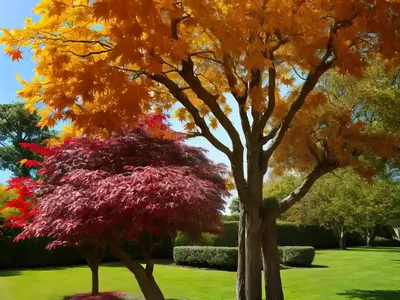
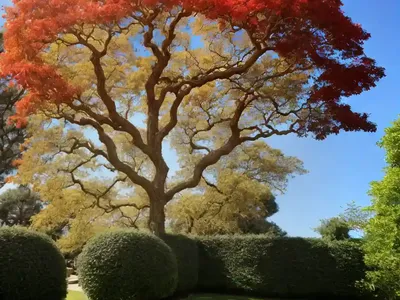
The Balkan Maple, or Acer Hyrcanum, is a species of maple tree native to the Balkan Peninsula, specifically from Albania to Bulgaria. It belongs to the Aceraceae family and is known for its attractive foliage, which turns vibrant shades of red and orange in the autumn.
This deciduous tree typically grows to a height of 15-20 meters and has a rounded crown, making it an ideal choice for landscaping in various settings. The leaves of the Balkan Maple are palmately lobed and have a distinctive deep green color, making an eye-catching display in any garden or park.
Key Takeaways
Balkan Maple (Acer Hyrcanum)
- Native to the Balkan Peninsula, specifically from Albania to Bulgaria
- Belongs to the Aceraceae family
- Deciduous tree with vibrant autumn foliage
- Grows to a height of 15-20 meters with a rounded crown
Culture
Cultivating the Balkan Maple is an endeavor that requires thoughtful consideration and proper care. It is essential to understand the specific cultural requirements of this tree in order to ensure its healthy growth and development. Let’s delve into the various aspects of its culture, including water, sunlight, soil, and fertilizer needs.
Water
Proper hydration is critical to the optimal growth of the Balkan Maple. While this tree demonstrates a level of drought resistance once established, it is essential to provide regular watering, especially during dry periods. When watering, it is important to ensure that the soil is moist but not waterlogged, as excessive water can lead to root rot and other issues.
During the first year after planting, the Balkan Maple should be watered consistently to support root establishment. As the tree matures, it becomes more tolerant of dry conditions, though regular watering during extended dry spells is still recommended.
Acer Hyrcanum Water Requirements
- Regular watering, especially during the first year after planting
- Maintain moist but not waterlogged soil
- Increased drought tolerance as the tree matures
- Consistent watering during extended dry periods
Sunlight
Adequate sunlight is crucial for the healthy growth and development of the Balkan Maple. This tree thrives in full sun to partial shade, preferring a location that receives at least 6 hours of direct sunlight each day. When selecting a planting site, it is important to consider the tree’s mature size and shape to ensure that it will not be shaded by surrounding structures or taller trees.
Proper sunlight exposure contributes to the Balkan Maple’s vibrant foliage and overall vigor. Additionally, sufficient sunlight helps to minimize the risk of diseases and promotes the tree’s natural resistance to pests.
Acer Hyrcanum Sunlight Needs
- Thrives in full sun to partial shade
- Requires a minimum of 6 hours of direct sunlight per day
- Select a planting site that allows for adequate sunlight exposure
- Promotes vibrant foliage, vigor, and natural resistance to pests and diseases
Fertilizer
Fertilization plays a vital role in supporting the growth and health of the Balkan Maple. A balanced, slow-release fertilizer formulated for trees is recommended for providing essential nutrients to the soil. The application of fertilizer is typically done in the spring, as this is the period of active growth for the tree.
When applying fertilizer, it is important to follow the manufacturer’s instructions regarding the proper amount and method of application. Over-fertilization can lead to excessive vegetative growth and may have detrimental effects on the tree’s overall health.
Acer Hyrcanum Fertilizer Recommendations
- Use a balanced, slow-release fertilizer formulated for trees
- Apply fertilizer in the spring during the tree’s active growth period
- Follow manufacturer’s instructions for proper application
- Avoid over-fertilization to prevent negative impacts on tree health
Soil
The soil composition significantly influences the growth and vitality of the Balkan Maple. This tree thrives in well-draining soil with a slightly acidic to neutral pH. Loamy or sandy loam soils are particularly well-suited for the Balkan Maple, providing adequate drainage while retaining essential moisture and nutrients.
Before planting, it is advisable to conduct a soil test to assess the pH and nutrient levels of the planting site. This information can guide the application of any necessary amendments to optimize soil conditions for the tree’s establishment and long-term health.
Acer Hyrcanum Soil Preferences
- Thrives in well-draining soil with a slightly acidic to neutral pH
- Well-suited for loamy or sandy loam soils
- Conduct a soil test before planting to assess pH and nutrient levels
- Amend soil as necessary to optimize conditions for tree establishment and long-term health
Pruning
Pruning is an essential aspect of maintaining the health, shape, and structure of the Balkan Maple. Regular pruning helps to remove dead or diseased branches, improve airflow within the canopy, and shape the tree to the desired form. It is advisable to conduct pruning during the dormant season, typically in late winter or early spring before the tree begins its active growth.
When pruning, it is important to use proper tools and techniques to prevent damage to the tree and promote efficient wound healing. Additionally, the removal of large branches should be approached with caution, and it may be necessary to consult a professional arborist for more significant pruning tasks.
Acer Hyrcanum Pruning Tips
- Conduct pruning during the dormant season in late winter or early spring
- Remove dead or diseased branches and shape the tree as desired
- Use proper tools and techniques to prevent damage to the tree
- Consult a professional arborist for significant pruning tasks
Propagation
The propagation of the Balkan Maple can be achieved through several methods, including seed propagation and vegetative propagation. Seeds can be collected from mature trees and sown in well-prepared seedbeds, though it is important to note that seed-grown trees may exhibit variability in their characteristics.
Vegetative propagation, including methods such as grafting and rooting cuttings, allows for the production of genetically identical offspring with the desired traits of the parent tree. This approach is commonly utilized to ensure the preservation of specific cultivars and characteristics.
Acer Hyrcanum Propagation
- Propagation methods include seed propagation and vegetative propagation
- Seeds can be collected and sown in well-prepared seedbeds
- Vegetative propagation allows for the production of genetically identical offspring
- Commonly utilized to preserve specific cultivars and characteristics
Container Planting
The Balkan Maple is well-suited for container planting, making it an excellent choice for patios, decks, and urban environments. When selecting a container, it is crucial to choose one with sufficient drainage holes to prevent waterlogging. A high-quality potting mix formulated for woody plants is recommended to provide adequate nutrition and support for the tree’s root system.
Regular watering and fertilization are essential for container-grown Balkan Maples, as the limited soil volume requires more frequent attention to maintain optimal growing conditions.
Acer Hyrcanum Container Planting
- Well-suited for container planting in patios, decks, and urban environments
- Use containers with sufficient drainage holes to prevent waterlogging
- Utilize a high-quality potting mix formulated for woody plants
- Regular watering and fertilization are essential for container-grown trees
Popularity
The Balkan Maple, with its vibrant foliage and ornamental features, has gained popularity in landscaping and garden settings. This tree is often selected for its striking autumn colors, attractive shape, and overall hardiness. Whether planted as a standalone specimen or incorporated into mixed plantings, the Balkan Maple adds a visually appealing element to any landscape.
Acer Hyrcanum Popularity
- Gaining popularity in landscaping and garden settings
- Noted for striking autumn colors, attractive shape, and overall hardiness
- Adds a visually appealing element to any landscape when planted as a specimen or in mixed plantings
- Recognized for its vibrant foliage and ornamental features
Common Diseases
While generally considered to be a resilient tree, the Balkan Maple is susceptible to certain diseases that can affect its overall health and appearance. Understanding these common diseases and their associated symptoms is essential for early diagnosis and effective management.
Some of the common diseases that may affect the Balkan Maple include:
– Anthracnose: A fungal disease that causes spotting, browning, and premature leaf drop.
– Tar Spot: Characterized by the development of black tar-like spots on the leaves, leading to aesthetic concerns.
– Verticillium Wilt: A fungal disease that causes leaf wilting, dieback, and overall decline in tree health.
Balkan Maple Common Diseases
- Anthracnose: Causes spotting, browning, and premature leaf drop
- Tar Spot: Leads to the development of black tar-like spots on the leaves
- Verticillium Wilt: Results in leaf wilting, dieback, and overall decline in tree health
Disease Diagnosis
Prompt diagnosis and treatment of diseases are crucial for preserving the health and vigor of the Balkan Maple. When observing symptoms of potential diseases, it is important to seek professional advice to accurately identify the issue and determine the appropriate course of action.
Common signs of disease in the Balkan Maple may include:
– Leaf spotting or discoloration
– Premature leaf drop
– Wilting or dieback of branches
– Unusual growths or lesions on the bark
Balkan Maple Disease Diagnosis
- Promptly seek professional advice to accurately identify potential diseases
- Common signs include leaf spotting, premature leaf drop, wilting, and unusual growths on the bark
- Early diagnosis is crucial for implementing effective disease management strategies
Common Pests
In addition to diseases, the Balkan Maple may also face challenges from various pests that can impact its health and vitality. From sap-feeding insects to wood-boring beetles, understanding the common pests and their associated symptoms is important for implementing targeted pest control measures.
Some of the common pests that may affect the Balkan Maple include:
– Aphids: Small sap-feeding insects that can cause leaf distortion and sticky honeydew residue.
– Scale Insects: Often appear as small, immobile bumps on the stems and leaves, leading to weakened plant vigor.
– Borers: Wood-boring beetles that create entry points for disease and can cause structural damage to the tree.
Balkan Maple Common Pests
- Aphids: Cause leaf distortion and sticky honeydew residue
- Scale Insects: Lead to weakened plant vigor with their presence on stems and leaves
- Borers: Create entry points for disease and cause structural damage to the tree
Botanist’s Tips
As a plant scientist, I have observed several key tips that can contribute to the successful cultivation and care of the Balkan Maple. These recommendations are based on scientific understanding and practical experience in working with this captivating tree species.
Acer Hyrcanum Botanist’s Tips
- Conduct a thorough site assessment to ensure proper sunlight exposure and soil conditions before planting.
- Monitor water needs closely, especially during the tree’s establishment phase, to promote healthy root development.
- Implement a regular pruning schedule to maintain the tree’s shape, remove diseased branches, and enhance overall structure.
- Take proactive measures to monitor for potential diseases and pests, and seek professional guidance for effective management strategies.
Fun Facts
Beyond its cultural and horticultural significance, the Balkan Maple offers several intriguing and captivating aspects that are worth exploring. These fun facts provide a deeper understanding of this remarkable tree and its unique attributes.
Balkan Maple Fun Facts
- The vibrant autumn foliage of the Balkan Maple is a renowned feature that contributes to its popularity in landscaping.
- The tree’s native habitat in the Balkan Peninsula showcases its adaptability to diverse environmental conditions.
- The Balkan Maple serves as a valuable wildlife habitat, providing shelter and food for various species in its native range.
- Traditional uses of the Balkan Maple wood include woodworking, furniture-making, and the crafting of musical instruments.
Links to External Resources
For further information on the Balkan Maple (Acer Hyrcanum), its cultivation, and care, the following external resources are recommended:
1. The American Horticultural Society
2. The Royal Horticultural Society
3. Missouri Botanical Garden
4. Arbor Day Foundation
By incorporating a comprehensive overview of the Balkan Maple (Acer Hyrcanum), this guide serves as a valuable resource for plant enthusiasts, horticulturists, and arborists. Through a thorough exploration of its characteristics, cultivation requirements, and practical care tips, readers can gain a deeper appreciation for this captivating tree and its meaningful presence in diverse landscapes. Whether in gardens, parks, or urban environments, the Balkan Maple holds an esteemed place in the world of ornamental trees.