Baby Toes Plant (Fenestraria Rhopalophylla)
Plants have always captivated our imagination with their diverse shapes, colors, and adaptability. They bring life, freshness, and tranquility to any.
Plants have always captivated our imagination with their diverse shapes, colors, and adaptability. They bring life, freshness, and tranquility to any environment they inhabit, making them a favorite among nature enthusiasts and homeowners alike. Among the multitude of plant species that exist, the Baby Toes Plant, scientifically known as Fenestraria rhopalophylla, stands out with its unique appearance and fascinating characteristics. In this comprehensive guide, we will delve into the world of the Baby Toes Plant, exploring its cultural significance, growth requirements, uses, and more.
What is a Baby Toes Plant (Fenestraria rhopalophylla)?
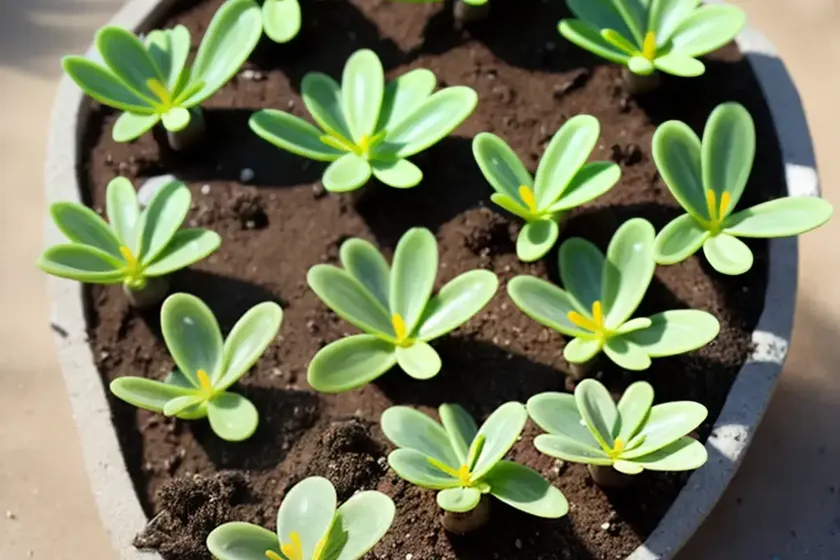
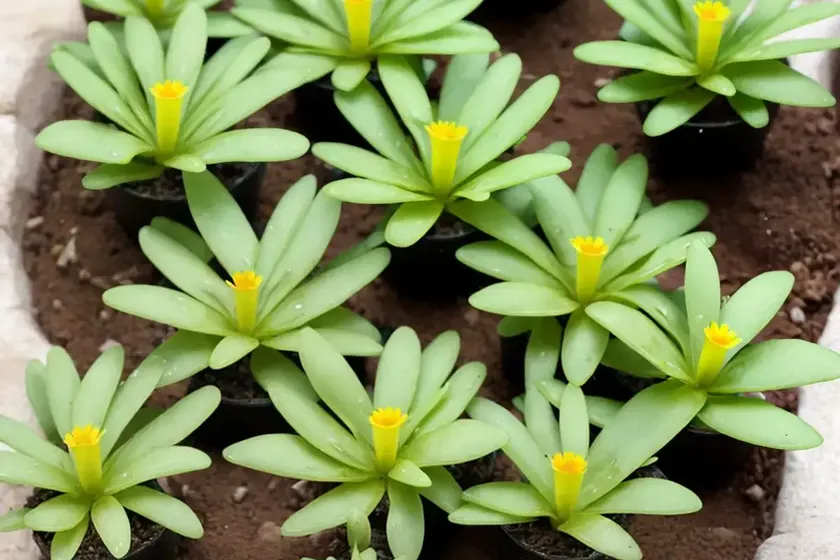
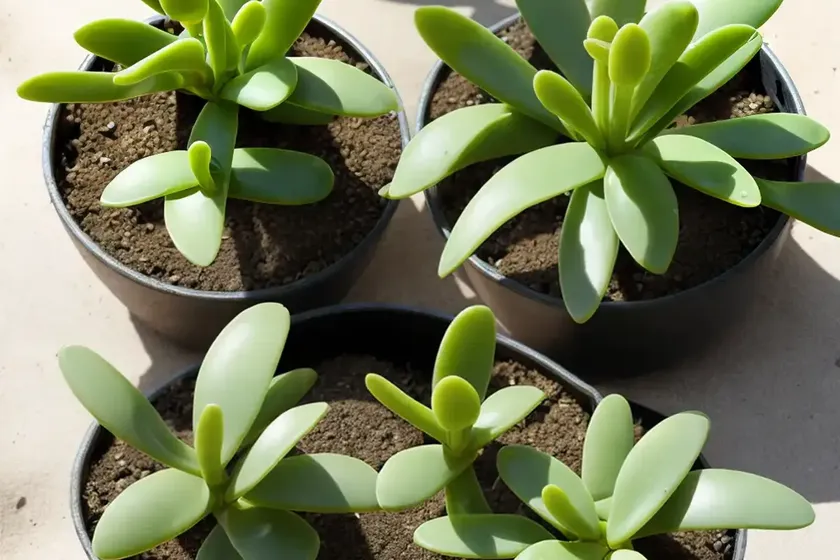
The Baby Toes Plant, also known as Fenestraria rhopalophylla, is a succulent native to Southern Africa. It belongs to the Aizoaceae family, which includes various other succulent species known for their ability to thrive in arid conditions. The name “Baby Toes” is derived from the plant’s leaves, which resemble the plump and stubby toes of an infant.
Key Takeaways – Baby Toes Plant (Fenestraria rhopalophylla)
Before we delve into the specifics of cultivating and caring for the Baby Toes Plant, let’s highlight some key takeaways about this unique succulent:
- The Baby Toes Plant, or Fenestraria rhopalophylla, is a succulent native to Southern Africa.
- It belongs to the Aizoaceae family and is characterized by its small, cylindrical, and translucent green leaves that resemble baby toes.
- The plant is well-suited for arid environments and is an excellent choice for individuals seeking low-maintenance houseplants.
- It requires proper sunlight, well-draining soil, and minimal watering to thrive.
- Due to its compact size and visually appealing foliage, the Baby Toes Plant is popular among succulent enthusiasts and collectors.
Now that we have a brief overview of the Baby Toes Plant, let’s explore the various aspects of its care and cultivation in more detail.
Culture
Uses
The Baby Toes Plant has several cultural and practical uses, making it a valuable addition to both indoor and outdoor settings. Some of the common uses and benefits of this charming succulent include:
- Ornamental Purposes: The unique appearance of the Baby Toes Plant makes it a favorite among plant enthusiasts and collectors. Its small, clustered leaves resemble the chubby toes of an infant, adding a whimsical and endearing touch to any succulent display.
- Drought-Tolerant Landscaping: Due to its natural adaptation to arid environments, the Baby Toes Plant is often utilized in xeriscaping and water-wise landscaping projects. Its low water requirements and resilience to dry conditions make it an ideal choice for gardens and outdoor plantings in dry regions.
- Indoor Décor: The Baby Toes Plant is well-suited for indoor cultivation in containers or terrariums, adding a touch of greenery to homes, offices, and other interior spaces. Its compact size and minimal care requirements make it an appealing choice for individuals seeking low-maintenance houseplants.
Water
Proper watering is crucial for the health and vitality of the Baby Toes Plant. As a succulent, Fenestraria rhopalophylla is adapted to thrive in drought-like conditions, and excessive moisture can lead to root rot and other issues. Here are some essential guidelines for watering the Baby Toes Plant:
- Watering Frequency: The Baby Toes Plant should be watered sparingly, allowing the soil to dry out between watering sessions. Typically, watering once every two weeks is sufficient, though this may vary based on environmental factors such as temperature and humidity.
- Avoid Overwatering: It is vital to prevent overwatering, as this can lead to root rot and other moisture-related problems. When watering, ensure that excess water is allowed to drain from the pot to avoid waterlogging the soil.
Proper watering is crucial for the health and vitality of the Baby Toes Plant
Sunlight
Like many succulent species, the Baby Toes Plant thrives in bright, indirect sunlight. Adequate exposure to sunlight is essential for promoting healthy growth and preventing issues such as stretching or etiolation. Here are some key considerations regarding sunlight requirements for Fenestraria rhopalophylla:
- Indirect Sunlight: Place the Baby Toes Plant in a location that receives bright, indirect sunlight for several hours each day. An east- or west-facing windowsill is often suitable for providing the required amount of light without exposing the plant to intense midday sun.
Proper exposure to sunlight is essential for the healthy growth of the Baby Toes Plant
Fertilizer
Fertilization is not a frequent requirement for the Baby Toes Plant, as it is adapted to nutrient-poor soils and low-fertility environments. However, periodic fertilization during the growing season can promote robust growth and enhance the plant’s overall health. Here are some essential tips for fertilizing the Baby Toes Plant:
- Dilute Fertilizer: Use a balanced, water-soluble fertilizer formulated for succulents and cacti. Dilute the fertilizer to half or quarter strength to avoid overwhelming the plant with nutrients.
Soil
The ideal soil for the Baby Toes Plant should be well-draining and formulated to mimic its native habitat. Well-draining soil is essential for preventing waterlogged conditions and root rot. Here are some key considerations for selecting and preparing soil for Fenestraria rhopalophylla:
- Succulent Potting Mix: Utilize a commercial succulent or cactus potting mix, or create a custom mix by combining regular potting soil with coarse sand, perlite, or pumice to enhance drainage. This will help replicate the natural, sandy soil conditions that the Baby Toes Plant prefers.
Pruning
Pruning requirements for the Baby Toes Plant are minimal, given its compact growth habit and slow growth rate. However, occasional pruning may be necessary to remove any dead or withered leaves and promote a tidy appearance. Here are some essential guidelines for pruning the Baby Toes Plant:
Pruning the Baby Toes Plant is minimal, primarily focusing on the removal of dead or withered leaves and maintaining a tidy appearance
- Dead Leaf Removal: Gently pluck any dead or dried leaves from the base of the plant using clean, sharp scissors or tweezers. Be sure to avoid damaging healthy foliage during the pruning process.
- Maintaining Shape: If the plant begins to exhibit elongated growth or stretching, consider adjusting its sunlight exposure to promote more compact, even growth. Pruning is generally not required for shaping, given the plant’s natural growth pattern.
Propagation
Propagating the Baby Toes Plant from offsets or leaf cuttings is a rewarding way to expand your succulent collection or share the plant with fellow enthusiasts. Here are some common methods for propagating Fenestraria rhopalophylla:
- Offsets: The Baby Toes Plant naturally produces offsets, also known as pups, around the base of the parent plant. Carefully remove these offsets and allow the cut ends to callus for a day or two before planting them in a well-draining succulent mix.
- Leaf Cuttings: Select healthy, mature leaves from the parent plant and allow the cut ends to callus for a day. Plant the leaf cuttings in a shallow, well-draining container and maintain a slightly moist environment until new roots and plantlets emerge.
Propagating the Baby Toes Plant from offsets or leaf cuttings is a rewarding way to expand your succulent collection
Container Popularity
The Baby Toes Plant is a popular choice for cultivation in various types of containers due to its small size and charming appearance. Whether displayed individually or as part of a succulent arrangement, Fenestraria rhopalophylla adds a touch of whimsy to any container garden. Here are some popular container options for growing the Baby Toes Plant:
- Ceramic or Terracotta Pots: Traditional ceramic or terracotta pots provide a classic and visually appealing option for showcasing the Baby Toes Plant, allowing for proper drainage and sufficient air circulation.
- Hanging Containers: Consider planting Fenestraria rhopalophylla in hanging containers, such as macramé planters or decorative hangers, to create a unique and eye-catching display.
Common Diseases
While the Baby Toes Plant is generally resilient and resistant to many common succulent pests and diseases, it is essential to monitor its health and provide proper care to prevent potential issues. Here are some common diseases and health concerns to watch for:
Disease Diagnosis
- Root Rot: Overwatering and waterlogged soil can lead to root rot in the Baby Toes Plant, causing the roots to decay and resulting in wilting, yellowing, or softening of the foliage. To prevent root rot, ensure that the plant is not overwatered and that the soil provides proper drainage.
While the Baby Toes Plant is generally resilient, it is essential to monitor its health and provide proper care to prevent potential issues
Common Pests
The Baby Toes Plant is fairly resistant to pests, thanks to its natural adaptation to dry and arid environments. However, it may occasionally encounter pests such as mealybugs or spider mites. Here are some common pests that may affect Fenestraria rhopalophylla and potential control methods:
- Mealybugs: These small, cotton-like pests may appear on the foliage of the Baby Toes Plant, especially in warm, indoor environments. Remove mealybugs by gently wiping the affected areas with a cotton swab dipped in rubbing alcohol or a mild insecticidal soap solution.
- Spider Mites: Spider mites are tiny arachnids that can infest the leaves of the Baby Toes Plant, causing stippling, discoloration, and webbing. Use a strong blast of water or horticultural oil to dislodge and control spider mite populations.
Botanist’s Tips
To ensure the successful cultivation and care of the Baby Toes Plant, here are some additional tips from botanists and experienced succulent enthusiasts:
- Provide Adequate Drainage: Use containers with drainage holes and well-draining soil to prevent waterlogged conditions and promote healthy root growth.
- Avoid Overwatering: Err on the side of underwatering rather than overwatering, as excessive moisture can lead to root rot and other issues in succulents.
- Monitor Sunlight Exposure: Pay attention to the plant’s sunlight requirements, ensuring that it receives adequate but indirect sunlight to prevent stretching and sunburn.
Fun Facts
- The scientific name “Fenestraria rhopalophylla” is derived from the Latin words “fenestra,” meaning window, and “rhopalos,” meaning club, in reference to the translucent windows on the plant’s leaves and their club-like appearance.
- In its natural habitat, the Baby Toes Plant has developed translucent leaf windows to allow sunlight to penetrate the leaves, while the rest of the leaf remains buried in the soil to avoid excessive exposure to heat and dryness.
Links to External Resources
For additional information on the care and cultivation of the Baby Toes Plant (Fenestraria rhopalophylla), consider exploring the following resources:
- The Succulent Eclectic – Growing Fenestraria Rhopalophylla (Baby Toes) Indoors and Outdoors
- World of Succulents – Fenestraria Rhopalophylla
- Gardeners Path – How to Grow and Care for Baby Toes Plants (Fenestraria rhopalophylla)
- The Spruce – How to Grow and Care for Fenestraria Rhopalophylla (Baby Toes)
In conclusion, the Baby Toes Plant (Fenestraria rhopalophylla) is a captivating and delightful succulent that offers both visual appeal and ease of care. With its small, cylindrical leaves resembling chubby baby toes, this unique plant adds charm and character to any indoor or outdoor setting. By understanding and implementing the appropriate cultural practices, including proper watering, sunlight exposure, and soil selection, enthusiasts can enjoy a thriving and healthy Baby Toes Plant in their home or garden. Whether you’re a seasoned succulent aficionado or a novice plant enthusiast, the Baby Toes Plant is sure to capture your heart with its endearing appearance and resilient nature.
If you have any specific questions about the care and cultivation of Fenestraria rhopalophylla, please feel free to explore the external resources provided or consult with local horticultural experts for personalized guidance. Happy planting!