Autumn Carnation (Azalea X ‘Roblec’)
Azaleas are beloved flowering shrubs that are renowned for their stunning blooms and versatility in landscape design. Among the numerous azalea varieties.
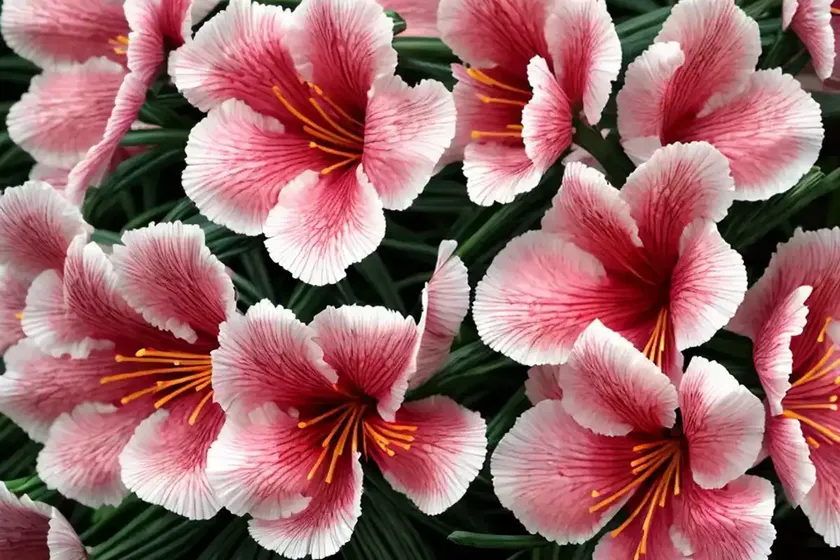
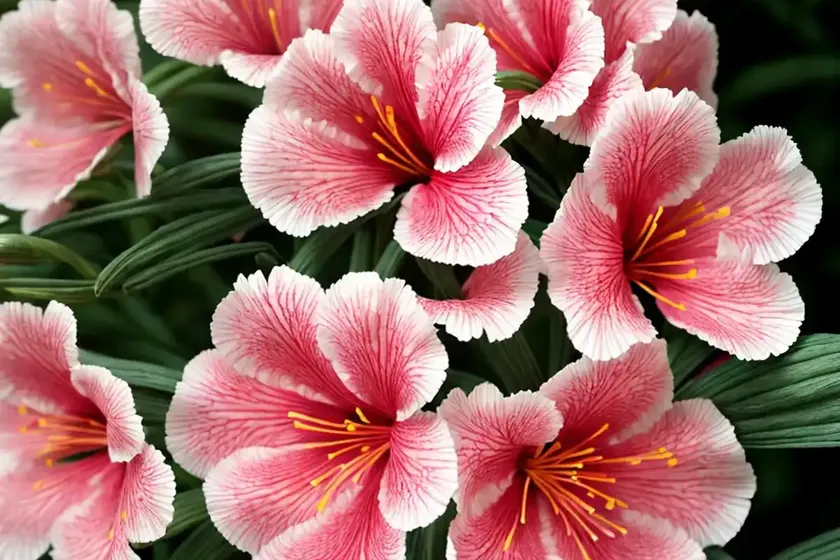
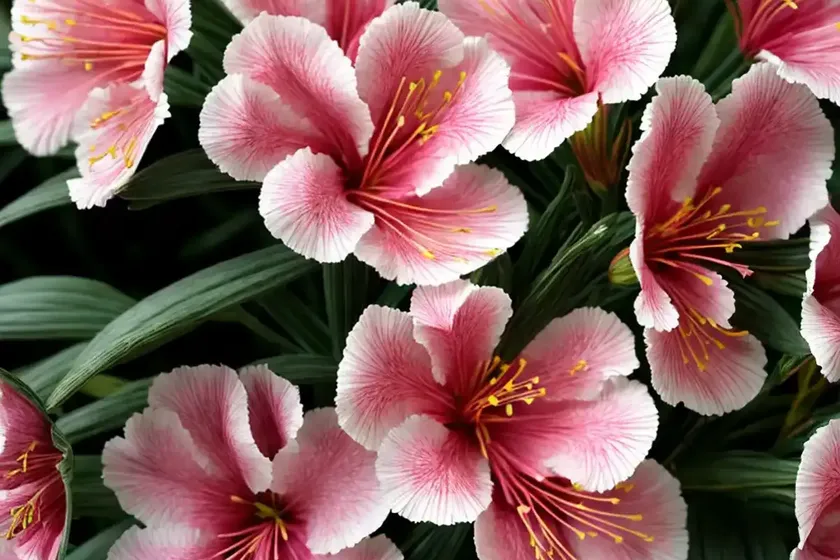
Azaleas are beloved flowering shrubs that are renowned for their stunning blooms and versatility in landscape design. Among the numerous azalea varieties, the Autumn Carnation (Azalea x ‘Roblec’) stands out for its spectacular autumn flowering, making it a prized addition to any garden. In this comprehensive guide, we will delve into the key aspects of the Autumn Carnation, covering its culture, uses, care requirements, common diseases, pests, propagation, and much more. Whether you are a seasoned gardener or a novice plant enthusiast, this guide aims to equip you with the knowledge needed to cultivate and care for the Autumn Carnation effectively.
What is the Autumn Carnation (Azalea x ‘Roblec’)?
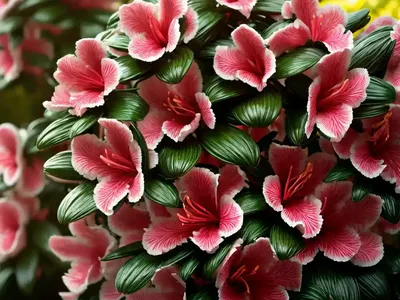
The Autumn Carnation, botanically classified as Azalea x ‘Roblec’, is a hybrid azalea known for its dazzling autumn blooms. This resilient shrub is a result of sophisticated breeding and combines the best traits of its parent plants. With its compact size and profusion of vibrant flowers, the Autumn Carnation adds a splash of color to landscapes, borders, and container gardens. Its versatility and capacity to thrive in various growing conditions make it a popular choice among gardeners seeking a long-lasting display of autumn blooms.
Key Takeaways – Autumn Carnation (Azalea x ‘Roblec’)
Before delving into the specific care requirements and attributes of the Autumn Carnation, let’s consider some key takeaways about this captivating azalea variety:
- Botanical Name: Azalea x ‘Roblec’
- Common Name: Autumn Carnation
- Bloom Time: Autumn flowering
- Uses: Landscapes, borders, container gardens
- Characteristics: Compact size, vibrant blooms
- Resilience: Thrives in various conditions
- Popularity: Treasured choice for autumn displays
- Versatility: Adaptable to different plantings
- Attraction: Draws pollinators with its colorful blooms
Now, let’s explore the various aspects of cultivating and caring for the Autumn Carnation, from its cultural preferences to disease prevention and control.
Culture
Cultural practices play a crucial role in the successful growth and maintenance of the Autumn Carnation. Understanding its preferences for water, sunlight, soil, and fertilization is essential for nurturing vigorous and blooming plants.
Water
Proper watering is essential for the health and vibrancy of the Autumn Carnation. Here are some key considerations regarding watering:
- Frequency: Water deeply but infrequently, allowing the soil to dry slightly between waterings to prevent waterlogged conditions.
- Moisture Level: Aim for consistently moist, well-draining soil to support optimal growth and flowering.
- Mulching: Apply a layer of organic mulch around the base of the plant to conserve soil moisture and suppress weed growth.
Sunlight
The Autumn Carnation thrives in specific light conditions, and understanding its sunlight requirements is crucial for its overall well-being:
- Ideal Exposure: Provide partial shade to full sun, with some protection from intense afternoon sun in hotter climates.
- Morning Sun: Morning sunlight is particularly beneficial, as it promotes healthy growth and abundant flowering.
Fertilizer
Fertilization is an important aspect of caring for the Autumn Carnation, supporting its growth and floral display:
- Balanced Fertilizer: Apply a balanced, slow-release fertilizer formulated for acid-loving plants in spring, following the manufacturer’s recommendations.
- Avoid Overfeeding: Refrain from over-fertilizing, as excessive nutrients can lead to lush foliage at the expense of blooms.
Soil
The soil composition and pH level significantly impact the Autumn Carnation’s health and performance. Consider the following soil-related guidelines:
- Acidic Soil: Plant in well-draining, acidic soil with a pH range of 4.5 to 6.0 for optimal growth.
- Amendments: Incorporate organic matter such as peat moss or compost into the planting area to improve soil texture and acidity.
- Raised Beds: In areas with poorly draining soil or high pH, consider raised beds or containers filled with suitable planting mix.
Pruning
Appropriate pruning practices are instrumental in shaping the Autumn Carnation and promoting flowering while maintaining its overall health:
- Timing: Prune right after the blooming period to avoid disrupting the next season’s flower buds.
- Deadheading: Remove spent flowers promptly to encourage continuous blooming and prevent the plant from expending energy on seed production.
- Selective Pruning: Trim back overgrown or wayward branches to maintain a compact and tidy growth habit, ensuring good airflow within the plant.
Propagation
The propagation of the Autumn Carnation allows gardeners to expand their collection and share the beauty of this azalea variety. Here are some common techniques for propagation:
- Cuttings: Propagate the Autumn Carnation through softwood cuttings taken in early summer, using rooting hormone to encourage successful rooting.
- Layering: Air layering is another effective method for propagating azaleas, where a portion of a stem is induced to form roots while still attached to the parent plant.
- Division: Established plants can be divided in early spring, with each division containing healthy roots and shoots for replanting.
Container Popularity
The compact size and stunning blooms of the Autumn Carnation make it a sought-after choice for container gardening. Here’s why it’s popular for container cultivation:
- Versatile Display: Flourishes in various container sizes, allowing gardeners to showcase its autumn beauty on patios, balconies, and in small gardens.
- Manageable Size: Well-suited for small spaces, making it an excellent choice for urban and confined settings.
- Seasonal Interest: Offers an eye-catching display of autumn blooms, adding color and charm to container arrangements.
Common Diseases and Disease Diagnosis
Despite its resilience, the Autumn Carnation is susceptible to certain diseases that can affect its overall health and appearance. Understanding these common diseases and their symptoms is crucial for timely intervention and management:
Common Diseases
- Powdery Mildew: A fungal disease characterized by a white powdery growth on leaves, often caused by poor air circulation and high humidity.
- Leaf Spot: Manifests as dark spots on the foliage, potentially leading to leaf yellowing and premature drop under severe infestations.
- Root Rot: Caused by overly saturated or poorly draining soil, leading to wilting, yellowing, and stunted growth.
- Phytophthora Root Rot: A serious disease that causes root rot and can lead to rapid decline and death of the plant if left untreated.
Disease Diagnosis
Accurately identifying and diagnosing diseases is essential for implementing targeted control measures:
- Visual Symptoms: Recognize visual cues such as leaf discoloration, spots, wilting, and abnormal growth patterns.
- Laboratory Analysis: When in doubt, seek professional laboratory testing to identify specific pathogens and obtain tailored treatment recommendations.
Common Pests
Pest infestations can compromise the health and beauty of the Autumn Carnation, making pest management an integral aspect of its care:
- Azalea Lace Bug: Causes stippling and discoloration of leaves, leading to a diminished aesthetic appeal.
- Spider Mites: These tiny pests infest the foliage, causing stippling and webbing, particularly under dry and dusty conditions.
- Scale Insects: These armored pests attach to stems and leaves, sucking plant juices and potentially weakening the plant over time.
Botanist’s Tips
Armed with insights from experienced botanists and horticultural experts, here are some valuable tips for cultivating thriving Autumn Carnations:
- Mulch Mindfully: Apply mulch around the base of the plant, ensuring it does not directly contact the stems to prevent potential pest harborage.
- Monitor Moisture: Regularly check soil moisture levels, especially during hot and dry periods, adjusting watering frequency as needed to maintain consistent moisture.
- Promote Airflow: Prune strategically to encourage good airflow and reduce the risk of fungal diseases, promoting overall plant health.
Fun Facts
To round out our exploration of the Autumn Carnation, let’s uncover some captivating fun facts about this appealing azalea variety:
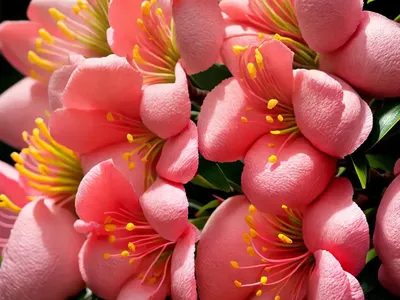
- Color Varieties: Apart from the traditional pink hues, Autumn Carnations also bloom in striking shades of white, red, and variations of these colors.
- Pollinator Magnet: The vibrant blooms of the Autumn Carnation attract pollinators such as bees and butterflies, fostering biodiversity in the garden.
- Low Maintenance Beauty: Despite its stunning appearance, the Autumn Carnation is relatively low maintenance, making it an easy-care choice for both novice and experienced gardeners.
Links to External Resources
For further exploration of the Autumn Carnation and its cultivation, the following external resources offer valuable insights and guidance:
- American Azalea Society
- Royal Horticultural Society – Azaleas and Rhododendrons
- University of Georgia Extension – Azaleas
Conclusion
The Autumn Carnation (Azalea x ‘Roblec’) stands as a testament to the beauty and versatility of azaleas. Its captivating autumn blooms, resilience, and adaptability make it a treasured addition to gardens, landscapes, and container displays. With a deeper understanding of its cultural preferences, care requirements, and potential challenges, gardeners can cultivate and enjoy flourishing Autumn Carnations as part of their plant collection. Whether adorning garden borders or brightening up patios in containers, the Autumn Carnation brings an enchanting touch of autumn beauty to outdoor spaces, captivating both novices and seasoned enthusiasts alike. As you embark on your journey with the Autumn Carnation, may the vibrancy of its blooms and the joy it brings enrich your gardening experiences.
Happy Gardening!
For the most up-to-date and accurate information, please refer to reputable botanical and horticultural resources such as botanical gardens, academic plant science publications, and agricultural extension services. Always consult with local professionals for personalized advice and recommendations on plant care and cultivation.