Plant Scientist’s Guide: aster (Aster x frikartii ‘Flora’s Delight’)
Aster x frikartii ‘Flora’s Delight’ is a charming and resilient perennial plant that has captured the hearts of gardeners worldwide. Its delicate and vibrant flowers, coupled with undemanding growth requirements, make it a desirable addition to any garden or landscape. In this comprehensive guide, we will delve into the intricate details of this delightful plant, exploring its cultural requirements, uses, maintenance, and much more.
What is aster (Aster x frikartii ‘Flora’s Delight’)?
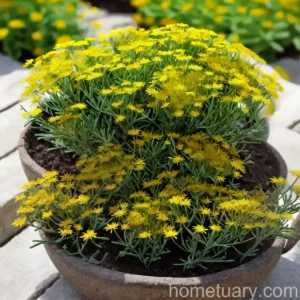
Aster is a genus of perennial flowering plants that belongs to the Asteraceae family, commonly known as the aster, daisy, or sunflower family. What sets the Aster x frikartii ‘Flora’s Delight’ apart is its striking beauty and exceptional adaptability. This hybrid of the Aster x frikartii variety showcases a profusion of delicate daisy-like blooms, adorning gardens with vibrant hues of purple and blue. The ‘Flora’s Delight’ variety is esteemed for its compact growth habit, making it an ideal candidate for borders, containers, and mixed plantings.
Key Takeaways – aster (Aster x frikartii ‘Flora’s Delight’)
- Cultural Uses: Ideal for borders, containers, and mixed plantings.
- Water: Requires moderate watering; avoid waterlogged soil.
- Sunlight: Prefers full sun; tolerates partial shade.
- Fertilizer: Balanced and well-diluted fertilizers are suitable.
- Soil: Well-draining, fertile soil is beneficial.
- Pruning: Regular deadheading promotes prolonged flowering.
- Propagation: Can be propagated through division or stem cuttings.
- Container Popularity: Suited for container gardening.
- Common Diseases: Susceptible to powdery mildew and aster yellows.
- Common Pests: Attracts aphids, spider mites, and leafhoppers.
Culture
Uses
The Aster x frikartii ‘Flora’s Delight’ is celebrated for its versatility in various landscaping scenarios. Whether planted as a border, showcased in containers, or incorporated into mixed plantings, this stunning aster variety adds a touch of elegance to any setting. Its compact growth habit and profusion of colorful blooms make it an ideal choice for adding vibrancy to garden landscapes.
Water
Aster x frikartii ‘Flora’s Delight’ thrives under moderate watering conditions. It is crucial to maintain adequate moisture levels in the soil without leading to waterlogged conditions. Regular monitoring of soil moisture levels is essential, especially during hot and dry spells. It is advisable to water the plant at the base to prevent moisture-related diseases, such as powdery mildew.
Sunlight
This delightful aster variety performs best when provided with full sunlight, basking in its splendor. However, it exhibits tolerance towards partial shade, making it adaptable to varying light conditions. When selecting the planting location, prioritize sites with ample sunlight to ensure the optimal growth and blooming potential of ‘Flora’s Delight.’
Fertilizer
A balanced and well-diluted fertilizer application can bolster the overall health and blooming capacity of Aster x frikartii ‘Flora’s Delight.’ During the active growth phase, a slow-release fertilizer or diluted liquid fertilizer can be administered in accordance with the manufacturer’s recommendations. Care should be taken to avoid excessive fertilization, as it can lead to lush foliage at the expense of floral abundance.
Soil
Aster x frikartii ‘Flora’s Delight’ flourishes in well-draining, fertile soil that offers a conducive environment for robust root development and nutrient uptake. Loamy soils with good aeration and moisture retention capabilities are considered ideal for promoting the long-term vitality of this aster variety. Conduct a soil test to assess the pH and nutrient composition, amending the soil as necessary to achieve the desired growing conditions.
Pruning
Pruning plays a pivotal role in enhancing the aesthetic appeal and prolonging the blooming period of Aster x frikartii ‘Flora’s Delight.’ Regular deadheading, which involves the removal of spent blooms, is instrumental in stimulating continuous flowering and preventing the formation of seed heads. Additionally, periodic trimming of straggly or wilted stems contributes to maintaining a tidy and compact growth habit.
Propagation
Aster x frikartii ‘Flora’s Delight’ can be propagated through multiple methods, offering gardeners the flexibility to expand their collection or share the beauty of this variety with others.
- Division: The division of mature clumps in early spring or autumn presents a straightforward method for propagating Aster x frikartii ‘Flora’s Delight.’ Utilizing well-established sections with healthy roots promotes successful establishment in the new planting sites.
- Stem Cuttings: Selecting vigorous and non-flowering stems for the propagation of ‘Flora’s Delight’ proves to be effective. By planting the prepared cuttings in a well-draining rooting medium and providing appropriate humidity and warmth, the development of new roots can be facilitated.
Container Popularity
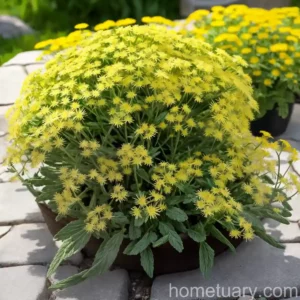
The compact growth habit and ornamental charm of Aster x frikartii ‘Flora’s Delight’ make it well-suited for container gardening. It lends itself beautifully to accentuating patios, balconies, and outdoor living spaces, infusing them with a burst of color and natural allure. When cultivating ‘Flora’s Delight’ in containers, ensure that adequate drainage is provided to prevent water accumulation, which can compromise the plant’s health. Selecting a high-quality potting mix with good moisture retention properties reinforces the growth potential of this aster variety in containers.
Common Diseases
While Aster x frikartii ‘Flora’s Delight’ is renowned for its resilience, it is not exempt from certain diseases that can impact its vigor and visual appeal. Among the prevalent diseases that merit attention are powdery mildew and aster yellows.
- Powdery Mildew: This fungal disease manifests as a powdery white coating on the foliage, compromising the plant’s vitality. To mitigate the risk of powdery mildew, maintain adequate air circulation, and avoid overhead watering. Fungicidal treatments can be employed as an intervention measure, and the removal of affected plant material is advisable.
- Aster Yellows: Considered a phytoplasma disease, aster yellows induces the development of distorted and discolored blooms, impeding the overall aesthetic quality of the plant. Implementing stringent pest control measures, including the management of leafhoppers, can mitigate the risk of aster yellows. In severe cases, the affected plants should be promptly removed and destroyed to prevent the spread of the disease.
Disease Diagnosis
Accurate diagnosis of potential diseases affecting Aster x frikartii ‘Flora’s Delight’ is integral to implementing timely and effective management strategies. Visual symptoms, such as irregular leaf discoloration, abnormal growth patterns, or the presence of powdery residues, can signify the onset of diseases. Additionally, the identification of disease vectors and the evaluation of growing conditions aid in ascertaining the underlying causes of plant distress.
Common Pests
Aster x frikartii ‘Flora’s Delight’ is vulnerable to infestations by several common pests, requiring vigilant monitoring and preventive measures to maintain its vigor and visual appeal.
- Aphids: These small, sap-sucking insects can congregate on the tender shoots and buds of ‘Flora’s Delight,’ potentially causing distortion and stunted growth. Introducing natural predators, such as ladybugs and lacewings, supports biological control of aphids. Additionally, the targeted application of insecticidal soaps can help manage aphid populations.
- Spider Mites: Characterized by their fine webbing and punctured plant tissues, spider mites can diminish the vitality of Aster x frikartii ‘Flora’s Delight.’ Consistent misting of the foliage and the introduction of predatory mites serve as effective measures for mitigating spider mite infestations.
- Leafhoppers: These agile insects can transmit aster yellows, posing a risk to the health of ‘Flora’s Delight.’ Vigilant monitoring and the implementation of physical barriers, such as row covers, can effectively deter leafhoppers from inflicting damage on the plants.
Botanist’s Tips
- Promote Biodiversity: Incorporate a diverse array of plant species in proximity to Aster x frikartii ‘Flora’s Delight’ to encourage the presence of beneficial insects and pollinators, contributing to the overall ecological balance.
- Regular Monitoring: Stay vigilant for signs of pest infestations, diseases, or cultural imbalances, as proactive intervention is pivotal in preserving the health and aesthetics of ‘Flora’s Delight.’
- Mulching: Apply a layer of organic mulch around the base of the plant to conserve soil moisture, suppress weed growth, and insulate the roots during temperature fluctuations.
- Supportive Structures: Install stakes or low-profile supports to maintain the upright growth of ‘Flora’s Delight,’ safeguarding the plants against potential lodging, especially in regions prone to windy conditions.
Fun Facts
- Pollinator Magnet: The enchanting blooms of Aster x frikartii ‘Flora’s Delight’ entice an assortment of pollinators, including bees, butterflies, and hummingbirds, enhancing the ecological vitality of the surrounding landscape.
- Extended Blooming Period: With appropriate care and maintenance, ‘Flora’s Delight’ can prolong its blooming season, bestowing the garden with its captivating blossoms well into the fall, providing a spectacle of color and charm.
- Historical Significance: Asters have historically been associated with magical properties and were purported to have healing attributes in ancient folklore, imparting an aura of mystique to these beloved blooms.
As enthusiasts of horticulture, it’s imperative to be equipped with a foundational understanding of the characteristics and requirements of plants in our care. Through incorporating knowledge and expertise, we embark on a journey of nurturing and showcasing the innate beauty of nature’s creations.
Links to External Resources
- Royal Horticultural Society – Growing Asters
- University of Maryland Extension – Powdery Mildew Management
- Penn State Extension – Managing Aphid Infestations
- Integrated Pest Management – Spider Mite Control
- Perennial Resource – Aster x frikartii ‘Flora’s Delight’
Aster x frikartii ‘Flora’s Delight’ stands as a testament to the enduring allure of nature’s botanical masterpieces, enriching our lives with its grace and vibrancy. May this guide empower you to cultivate and cherish the resplendent beauty of ‘Flora’s Delight’ whilst fostering a deeper appreciation for the wonders of the natural world.