Asiatic Lily (Lilium Auratum)
Asiatic lilies, scientifically known as Lilium Auratum, are a breathtaking and popular choice for gardens and landscapes. With their vibrant, showy flowers.
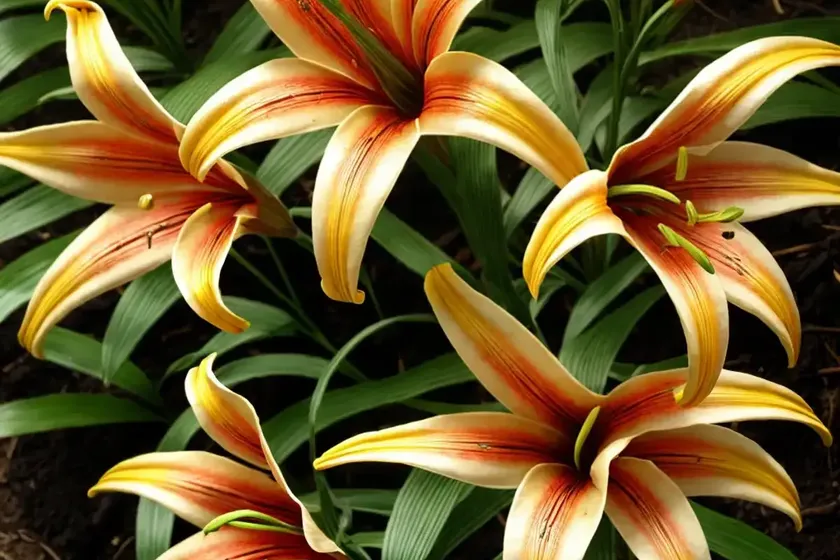
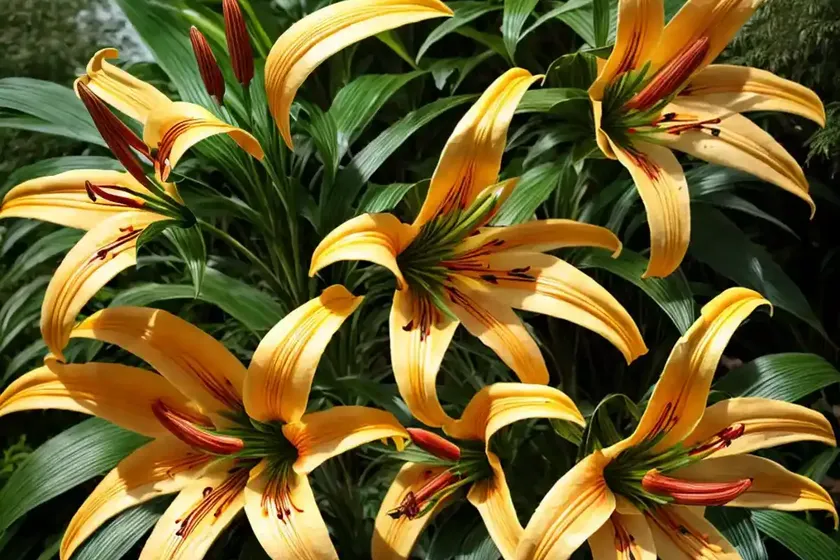
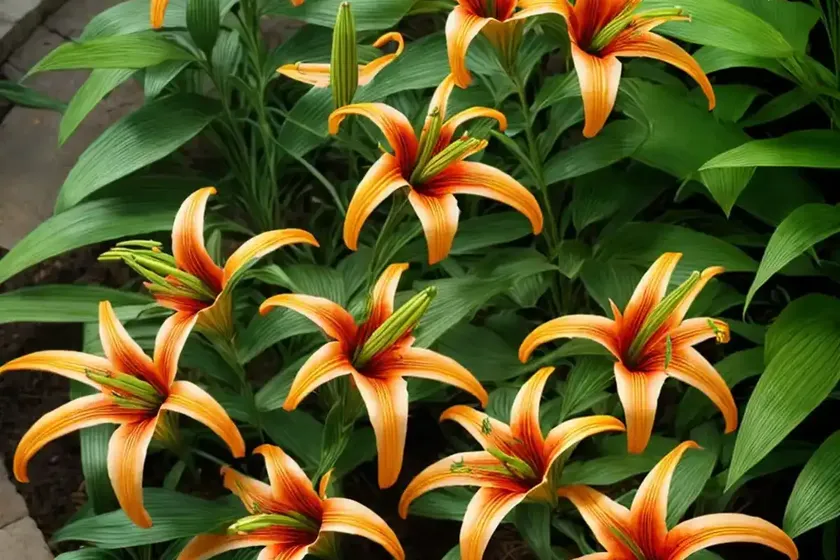
Asiatic lilies, scientifically known as Lilium Auratum, are a breathtaking and popular choice for gardens and landscapes. With their vibrant, showy flowers and relatively easy maintenance, they have become one of the favorite choices for gardeners around the world. In this comprehensive guide, we will delve into the culture, uses, care, propagation, and much more to help you make the most of these stunning plants in your own green spaces.
What is Asiatic Lily (Lilium Auratum)?
Asiatic lilies belong to the Lilium genus and Liliaceae family. They are native to various regions in Asia, particularly Japan, China, and the Korean Peninsula. Asiatic lilies are herbaceous perennial plants that typically grow from bulbs. They are characterized by their strong stems and large, upward-facing flowers that come in a wide array of colors, ranging from vibrant reds and oranges to soft pastels and even bi-color blooms.
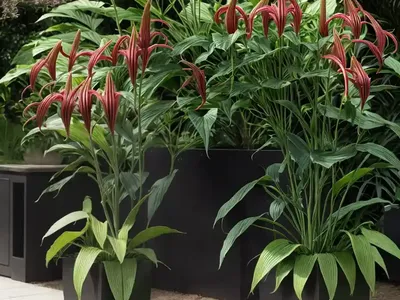
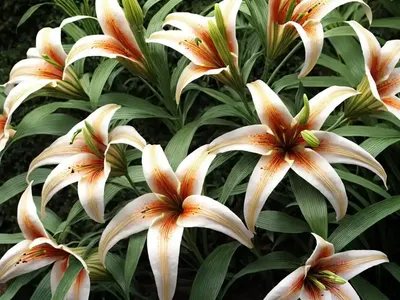
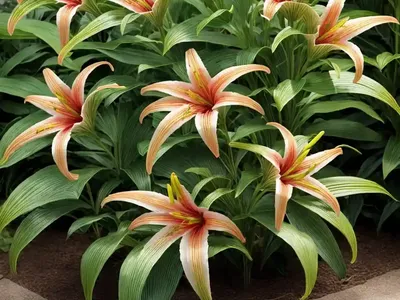
The Lilium Auratum variety, commonly known as the Golden Rayed Lily, is particularly sought after for its striking appearance. This variety features large, white petals adorned with bold yellow markings and a sweet, intoxicating fragrance. Asiatic lilies are not only prized for their beauty in gardens but are also used in floral arrangements and bouquets due to their attractive appearance and long vase life.
Key Takeaways – Asiatic Lily (Lilium Auratum)
Below are the key takeaways relating to the care and cultivation of Asiatic Lilies, particularly the Lilium Auratum variety.
-
Care Guide: Understand the specific needs and requirements to ensure healthy growth and abundant blooms.
-
Growing Tips: Learn how to best nurture Lilium Auratum to maximize its potential in your garden or landscape.
-
Popular Varieties: Explore some of the most sought-after Asiatic lily varieties to broaden your options for planting.
-
Planting Instructions: Detailed guidelines on planting Lilium Auratum to establish a thriving garden display.
-
Flower Meanings: Delve into the symbolic meanings associated with Asiatic lily flowers to add depth to your gardening experience.
-
Blooming Season: Gain insights into the flowering patterns and timelines of the Lilium Auratum variety for effective garden planning.
-
Watering Needs: Understand the essential watering requirements to maintain optimal soil moisture levels for Asiatic lilies.
-
Sunlight Preferences: Explore the sunlight needs of Lilium Auratum to ensure they receive adequate light for vigorous growth.
-
Pruning Techniques: Master the art of pruning Asiatic lilies to promote healthy foliage and prolific blooming.
-
Soil Preferences: Understand the soil requirements and preferences of Lilium Auratum to create a suitable growing environment.
-
Propagation Methods: Learn about the various methods for propagating Asiatic lilies to expand your plant collection.
-
Pest Control: Discover effective measures for controlling pests and diseases that can affect the health of Lilium Auratum.
-
Companion Plants: Explore suitable companion plants to enhance the visual appeal and overall health of Asiatic lilies.
-
Container Gardening: Understand the intricacies of growing Lilium Auratum in containers for versatility in garden design.
-
Disease Prevention: Implement preventive measures to protect Asiatic lilies, particularly Lilium Auratum, from common diseases.
-
Indoor Cultivation: Explore the potential for growing Asiatic lilies indoors for year-round enjoyment.
-
Landscape Design Ideas: Gain inspiration for incorporating Asiatic lilies, especially the Lilium Auratum variety, into your landscape design.
-
Fragrance Characteristics: Delve into the delightful fragrance characteristics of Lilium Auratum to create sensory experiences in your garden.
-
Nutritional Needs: Understand the essential nutrients required for the healthy growth and development of Asiatic lilies.
-
Winter Care: Implement appropriate care techniques to safeguard Lilium Auratum during the winter months.
With these key takeaways in mind, let’s delve deeper into the specific aspects of caring for and cultivating Asiatic lilies, with a primary focus on the enchanting Lilium Auratum variety.
Culture
Understanding the culture of any plant is essential in ensuring its successful growth and development. This includes comprehending its native habitat, growth habits, and the environmental conditions it thrives in. When it comes to Asiatic lilies, particularly the Lilium Auratum variety, the following cultural aspects are crucial to consider.
Uses
-
Garden Display: Asiatic lilies, including Lilium Auratum, are predominantly cultivated for their stunning display of vibrant, large flowers. They are often used as focal points in garden beds, borders, and containers, adding a touch of elegance to outdoor spaces.
-
Cut Flowers: The striking blooms of Asiatic lilies make them a popular choice for floral arrangements and bouquets. Their long vase life and diverse color options make them versatile and sought after by floral designers and enthusiasts.
-
Symbolic Meanings: Asiatic lily flowers, including Lilium Auratum, hold symbolic meanings such as purity, renewal, and prosperity. They are often used in ceremonies, events, and religious rituals to convey specific sentiments and emotions.
Water
Sufficient water is crucial for the growth and flowering of Asiatic lilies, including the Lilium Auratum variety. The following are the watering requirements to ensure these plants thrive.
-
Regular Watering: Asiatic lilies prefer consistently moist soil, especially during the growing season. Water the plants deeply, ensuring the water penetrates the root zone to promote healthy root development.
-
Avoid Waterlogging: While consistent moisture is essential, it is vital to ensure proper drainage to prevent waterlogging, which can lead to root rot and other issues.
-
Adjusting Watering Frequency: During periods of hot, dry weather, increase the frequency of watering to maintain adequate soil moisture levels. Conversely, reduce watering during periods of prolonged rain to prevent waterlogged conditions.
Sunlight
Asiatic lilies, including the Lilium Auratum variety, have specific sunlight requirements to ensure robust growth and prolific flowering. Understanding these requirements is essential for optimal plant performance.
-
Full Sun to Partial Shade: Asiatic lilies thrive in full sun to partial shade. They typically require at least 6 hours of direct sunlight to bloom profusely. However, in hotter regions, providing some shade during the hottest part of the day can benefit the plants.
-
Morning Sun: Morning sun exposure is particularly beneficial for Asiatic lilies as it helps dry dew and moisture from the leaves, reducing the risk of fungal diseases.
-
Protective Shade: In regions with intense summer heat, providing partial shade during the peak afternoon hours can help protect the plants from heat stress and sunburn.
Fertilizer
Proper fertilization is key to the healthy growth and abundant flowering of Asiatic lilies, including the Lilium Auratum variety. Understanding their fertilizer needs and application methods can significantly impact their overall vigor and performance.
-
Balanced Fertilizer: Apply a balanced, slow-release fertilizer in early spring as new growth emerges. Look for a fertilizer formulated specifically for flowering bulbs or perennials to provide the necessary nutrients for optimum bloom production.
-
Avoid Excessive Nitrogen: While Asiatic lilies benefit from fertilization, excessive nitrogen can lead to lush foliage growth at the expense of flower production. Ensure the fertilizer has a balanced nutrient ratio, with a lower nitrogen content.
-
Top Dressing: In addition to granular fertilizers, top dressing the soil with organic matter such as compost or well-rotted manure can provide a steady source of nutrients as it breaks down.
-
Avoid Fertilizing After Mid-Summer: Refrain from applying fertilizer after mid-summer, as this can stimulate late-season growth that may be susceptible to winter damage.
Soil
The right soil conditions are crucial for the overall health and vigor of Asiatic lilies, particularly the Lilium Auratum variety. Understanding their soil preferences and making the necessary amendments can greatly enhance their performance.
-
Well-Draining Soil: Asiatic lilies prefer well-draining, fertile soil that does not become waterlogged. Amending heavy clay soils with organic matter can improve drainage and aeration.
-
pH Requirements: They thrive in slightly acidic to neutral soil with a pH range between 6.0 and 7.0. Conduct a soil test to determine the pH of the planting area and make adjustments as needed.
-
Soil Amendments: Incorporating organic matter such as compost, peat moss, or well-rotted manure into the soil can improve its structure and fertility, providing a favorable growing medium for Asiatic lilies.
-
Mulching: Applying a layer of organic mulch such as shredded bark or straw around the plants can help conserve soil moisture, regulate soil temperature, and suppress weed growth.
Pruning
Pruning plays a significant role in maintaining the health, aesthetics, and vigor of Asiatic lilies, including the Lilium Auratum variety. Employing proper pruning techniques can promote abundant flowering and prevent issues such as pest infestations and diseases.
-
Deadheading: Remove spent flowers promptly to prevent seed formation and encourage the plant to channel its energy into producing additional blooms.
-
Foliage Cleanup: As the growing season progresses and the foliage starts to decline, remove any yellowing or withered leaves to maintain a tidy appearance and prevent disease development.
-
Pruning After Blooming: Once the flowering period is over, cut back the flower stalks to the base of the plant. Leave the foliage in place, as it continues to photosynthesize and replenish the bulb for the following year’s growth.
-
Fall Cleanup: In late fall, after the foliage has completely yellowed and withered, trim it back to ground level. Proper disposal of the debris can help prevent overwintering of pests and diseases.
Propagation
Expanding your collection of Asiatic lilies, particularly the Lilium Auratum variety, can be achieved through various propagation methods. Understanding these methods can allow you to propagate new plants and diversify your garden display.
-
Division: Dividing established clumps of Asiatic lilies is a common and effective method of propagation. Dig up the clumps in early spring or fall, carefully separate the bulblets and replant them in suitable locations.
-
Bulb Scales: Propagating Asiatic lilies from bulb scales involves carefully removing the scales from mature bulbs and planting them in a suitable growing medium to encourage the development of new bulblets.
-
Seeds: While Asiatic lilies can be propagated from seeds, it is a longer and more unpredictable process compared to division or bulb scaling. Collect mature seeds, sow them in seed-starting trays, and provide the necessary conditions for germination and seedling growth.
-
Tissue Culture: For large-scale propagation or to preserve the characteristics of specific cultivars, tissue culture can be employed. This technique involves growing new plants from small tissue samples under controlled laboratory conditions.
Container Popularity
Asiatic lilies, including the Lilium Auratum variety, are highly sought after for container gardening due to their compact growth habit, vibrant blooms, and versatility in garden design. Here are some key points to consider when growing them in containers.
-
Container Selection: Choose large, sturdy containers with adequate drainage holes to accommodate the growth of Asiatic lilies. The containers should provide ample space for the development of the bulbs and their extensive root systems.
-
Well-Draining Potting Mix: Select a high-quality, well-draining potting mix that is formulated for flowering bulbs or perennials. This provides the necessary structure, aeration, and fertility for healthy growth.
-
Watering Management: Containers can dry out more quickly than garden beds, especially during hot weather. Monitor the soil moisture closely and water the plants as needed to maintain consistent moisture levels.
-
Overwintering: In regions with harsh winters, containers can be susceptible to freezing and thawing, which can damage the bulbs. Consider providing insulation or moving the containers to a protected location during the winter months.
Common Diseases
Asiatic lilies, including the Lilium Auratum variety, are susceptible to certain diseases that can affect their overall health and vigor. Understanding these common diseases and their preventive measures is key to maintaining healthy plants.
Disease Diagnosis
-
Botrytis Blight: This fungal disease causes grayish mold to develop on the flowers and leaves, often in cool, wet conditions. Ensure good air circulation, avoid overhead watering, and remove and dispose of affected plant parts to prevent its spread.
-
Fusarium Wilt: Fusarium wilt causes yellowing and browning of the lower leaves, eventually leading to plant collapse. There is no cure for this soil-borne disease, so prevention through good cultural practices and planting in disease-free soil is vital.
-
Viral Diseases: Various viral diseases can affect Asiatic lilies, leading to distorted growth, mottling of leaves, and overall decline. Minimize the risk of viral infections by controlling insect vectors, practicing good sanitation, and promptly removing and disposing of infected plants.
Common Pests
Asiatic lilies, particularly the Lilium Auratum variety, can fall prey to certain pests that can damage the foliage, flowers, and bulbs. Identifying these common pests and implementing control measures is essential for preserving the plants’ health.
-
Aphids: These small, soft-bodied insects can congregate on the undersides of leaves and flower buds, sucking sap and causing distortion and stunting. Use insecticidal soap or neem oil to control aphid infestations while minimizing harm to beneficial insects.
-
Lily Leaf Beetles: Lily leaf beetles are voracious feeders that can skeletonize the foliage and cause extensive damage. Handpick the beetles and their larvae as soon as they are noticed to prevent population build-up, and consider the application of biological controls if the infestation is severe.
-
Slugs and Snails: These nocturnal pests can feed on the foliage and flowers of Asiatic lilies, causing visible damage. Employ physical barriers, such as copper tape, or use pet-safe slug and snail baits to protect the plants from these pests.
Botanist’s Tips
Asiatic lilies, particularly the Lilium Auratum variety, can thrive when provided with the appropriate care and growing conditions. Here are some additional tips to help you cultivate healthy, robust plants and enjoy their stunning blooms to the fullest.
-
Mulching Benefits: Applying a layer of organic mulch around Asiatic lilies can contribute to moisture retention, weed suppression, and soil insulation. It also adds a decorative touch to the garden bed.
-
Good Air Circulation: Proper air circulation is crucial for preventing fungal diseases in Asiatic lilies. When planting or arranging the plants, ensure there is adequate space between them to allow for air movement.
-
Deadheading Frequency: Regular deadheading encourages continuous blooming and prevents the plants from expending energy on seed production. Inspect the plants frequently and remove spent flowers as necessary.
-
Support for Tall Stems: In regions with strong winds or heavy rains, consider staking or providing support for the tall flower stems to prevent breakage and damage to the plants.
-
Winter Protection: In colder climates, apply a layer of mulch over the planting area in late fall to protect the bulbs from freezing temperatures and temperature fluctuations.
-
Good Hygiene Practices: Practicing good garden hygiene, such as removing and disposing of plant debris, disinfecting tools, and maintaining clean, weed-free beds, can reduce the risk of diseases and pest infestations.
Fun Facts
Asiatic lilies, including the captivating Lilium Auratum variety, are not only renowned for their stunning beauty but also harbor some intriguing characteristics and historical significance. Here are a few fun facts about Asiatic lilies to deepen your appreciation for these remarkable plants.
-
Cultural Significance: Asiatic lilies have been associated with various cultural and symbolic meanings throughout history, often representing purity, renewal, and good fortune in different traditions.
-
Medicinal Uses: Certain parts of the Asiatic lily plant have been used in traditional medicine for their purported healing properties. However, it is essential to exercise caution and seek expert advice before using any plant for medicinal purposes.
-
Wildlife Attraction: The vibrant blooms of Asiatic lilies can attract pollinators such as bees and butterflies, contributing to the overall biodiversity and ecological balance in the garden.
-
Historical References: Asiatic lilies have been depicted in art, literature, and historical records, showcasing their enduring appeal and cultural significance across various civilizations.
-
Hybridization Success: The breeding of Asiatic lilies has led to the development of numerous hybrid varieties, expanding the color range, bloom forms, and adaptability of these plants in diverse climates and growing conditions.
Links to External Resources
- Asiatic Lily Care Guide
- Lilium Auratum Growing Tips
- Popular Asiatic Lily Varieties
- How to Plant Lilium Auratum
- Asiatic Lily Flower Meanings
- Lilium Auratum Blooming Season
- Asiatic Lily Watering Requirements
- Lilium Auratum Sunlight Needs
- Pruning Asiatic Lilies
- Lilium Auratum Soil Preferences
- Asiatic Lily Propagation Methods
- Lilium Auratum Pest Control
- Asiatic Lily Companion Plants
- Lilium Auratum Container Gardening
- Asiatic Lily Disease Prevention
- Lilium Auratum Indoor Cultivation
- Asiatic Lily Landscape Design Ideas
- Lilium Auratum Fragrance Characteristics
- Asiatic Lily Nutritional Needs
- [Lilium Auratum Winter Care](https://www.almanac.com/plant