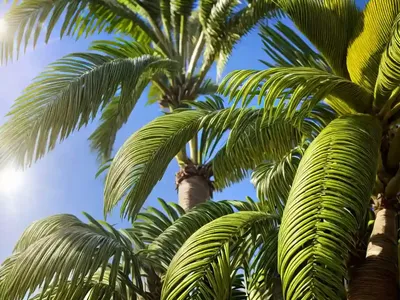
Areca Bambu (Dypsis Lutescens)
Areca Bambu, scientifically known as Dypsis lutescens, is a popular palm plant characterized by its slender and elegant fronds. It is commonly referred to.

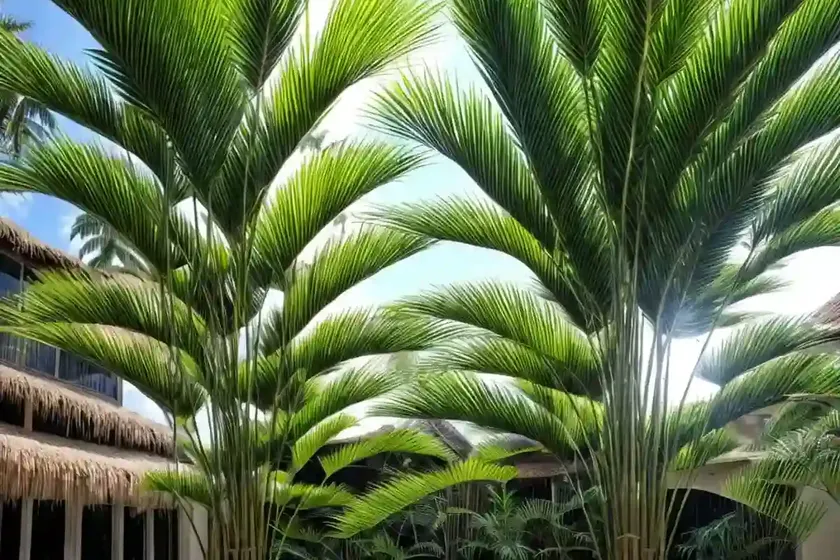
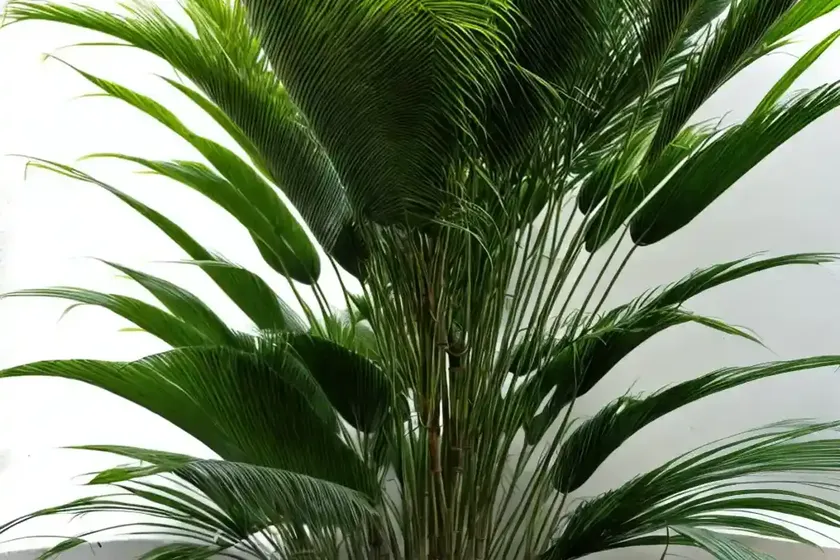
Areca Bambu, scientifically known as Dypsis lutescens, is a popular palm plant characterized by its slender and elegant fronds. It is commonly referred to as the Areca Palm and is native to Madagascar, where it thrives in tropical climates. The Areca Palm is renowned for its decorative appeal, making it a sought-after choice for both indoor and outdoor landscaping. This comprehensive guide will delve into the various aspects of the Areca Bambu, including its culture, uses, care requirements, common diseases, and propagation techniques.
Key Takeaways – Areca Bambu (Dypsis Lutescens)
Before delving into the details of the Areca Bambu, it is essential to highlight the key takeaways associated with this botanical wonder. Here are the fundamental elements that will be explored further in this guide:
- Areca Bambu is scientifically known as Dypsis lutescens.
- The plant features slender and elegant fronds, making it a visually appealing choice for landscaping.
- Areca Bambu is a popular choice for both indoor and outdoor settings.
- The plant requires specific cultural practices, including watering, sunlight, fertilizer application, and pruning, to thrive.
- Common pests and diseases can affect the plant, requiring proactive measures for prevention and management.
Now, let’s delve into the intricate details of the Areca Bambu, exploring its culture, uses, care requirements, and maintenance techniques.
Culture
The culture of the Areca Bambu encompasses various elements that are essential for the plant’s overall well-being. Proper cultural practices ensure that the plant thrives and flourishes, maintaining its aesthetic appeal and vitality. The following aspects contribute to the culture of the Areca Bambu:
Water
Proper watering is crucial for the health of the Areca Bambu. As a tropical plant, it thrives in moist soil conditions but is susceptible to root rot if overwatered. On the other hand, insufficient watering can lead to the browning of its leaf tips. The watering needs of the Areca Bambu can be summarized as follows:
- Regular Watering: The plant should be watered regularly, ensuring that the soil remains consistently moist but not waterlogged.
- Water Quality: It is preferable to use distilled water or allow tap water to stand for 24 hours to allow chemicals such as chlorine to dissipate, as the plant is sensitive to fluoride and chlorine.
- Humidity: Maintaining adequate humidity levels is essential, especially if the plant is kept indoors.
- Leach the Soil: Periodically leaching the soil helps prevent salt buildup and ensures optimal soil conditions for the plant.
Sunlight
Sunlight is another critical element for the Areca Bambu’s growth and development. As a tropical plant, it thrives in bright, indirect sunlight. Direct exposure to intense sunlight can lead to scorching of its delicate fronds. Here are key considerations for providing the right sunlight conditions:
- Indirect Sunlight: Place the plant in a location with ample indirect sunlight, such as near a window with sheer curtains or in a partially shaded outdoor area.
- Avoid Direct Sun: Protect the plant from direct exposure to harsh, midday sunlight, as it can lead to leaf burn and discoloration.
- Rotational Placement: To ensure uniform growth, periodically rotate the plant to expose all sides to indirect sunlight.
Fertilizer
Proper fertilization contributes to the Areca Bambu’s lush and vibrant growth. However, it is essential to administer the right type and amount of fertilizer to prevent nutrient imbalances and potential damage to the plant. The following guidelines pertain to fertilizing the Areca Bambu:
- Balanced Fertilizer: Use a balanced, water-soluble fertilizer formulated for palms or houseplants, following the manufacturer’s recommended dilution and application frequency.
- Seasonal Fertilization: During the growing season, typically in spring and summer, provide the plant with fertilizer every six to eight weeks. Reduce frequency during fall and winter.
Soil
The type of soil used for the Areca Bambu significantly impacts its overall health and growth. Well-draining, nutrient-rich soil is essential for the plant to thrive. Consider the following aspects when addressing the soil requirements of the Areca Bambu:
- Well-Draining Soil: Use a well-draining potting mix, such as a blend of peat moss, perlite, and coarse sand, to ensure optimal drainage and aeration for the plant’s roots.
- Acidic pH: The soil should have a slightly acidic pH ranging from 6.0 to 6.5, providing an ideal environment for nutrient uptake.
Pruning
Pruning is an essential aspect of maintaining the Areca Bambu’s aesthetic appeal and overall health. Regular pruning helps remove dead or yellowing fronds and promotes new growth. Here are key considerations for pruning the Areca Bambu:
- Pruning Frequency: Inspect the plant regularly and trim any discolored or damaged fronds to maintain its visual appeal.
- Pruning Tools: Use clean, sharp pruning shears to make precise cuts, minimizing the risk of introducing infections to the plant.
Propagation
The propagation of the Areca Bambu involves methods to reproduce and multiply the plant, allowing for the expansion of its greenery in different settings. The following propagation techniques can be applied to the Areca Bambu:
- Division: Propagate the plant through division, separating the offsets or suckers from the parent plant and replanting them in suitable growing conditions.
- Offsets: Carefully remove the offsets that develop at the base of the plant and transplant them into individual containers with well-draining soil.
Container Popularity
The Areca Bambu is favored for container gardening, making it a popular choice for indoor and outdoor cultivation. Its elegance and adaptability make it a desired addition to various container settings, contributing to the aesthetic appeal of living spaces and outdoor landscapes. The plant’s popularity in container gardening can be attributed to the following factors:
- Indoor Aesthetics: The Areca Bambu adds a touch of tropical elegance to indoor spaces, serving as a focal point and complementing interior décor.
- Outdoor Landscaping: In outdoor settings, the Areca Bambu thrives as a potted plant on patios, decks, and garden landscapes, enhancing the overall greenery and visual appeal.
Common Diseases
Despite its overall resilience, the Areca Bambu is susceptible to certain diseases that can affect its vitality and appearance. Identifying and addressing common diseases is essential to maintain the plant’s health. The following common diseases may affect the Areca Bambu:
- Fungal Infections: Overly wet or poorly drained soil can lead to root rot and fungal infections, affecting the plant’s overall health.
- Leaf Spot: Leaf spot diseases, characterized by dark or discolored spots on the fronds, can occur due to excessive moisture or poor air circulation.
Disease Diagnosis
Diagnosing diseases in the Areca Bambu is crucial for implementing targeted treatment and management strategies. Common signs and symptoms may indicate the presence of diseases, helping plant enthusiasts and horticulturists identify and address potential issues. The following diagnostic indicators may signal diseases in the Areca Bambu:
- Yellowing Fronds: Yellow or drooping fronds may indicate overwatering, nutrient deficiencies, or root rot.
- Spotted Foliage: Dark spots or discoloration on the fronds may signal the presence of leaf spot diseases or fungal infections.
- Stunted Growth: Lack of new growth and stunted appearance may indicate stress or underlying disease issues.
Common Pests
In addition to diseases, the Areca Bambu is vulnerable to certain pests that can compromise its health and vigor. Vigilance and proactive measures are necessary to prevent and manage pest infestations. The following common pests may affect the Areca Bambu:
- Spider Mites: These tiny pests can infest the plant, causing stippling and webbing on the fronds.
- Scale Insects: Scale insects may attach themselves to the fronds and stems, leading to yellowing and wilting of the plant.
Botanist’s Tips
Botanists and horticultural experts provide valuable insights and tips for cultivating and caring for the Areca Bambu. Leveraging their expertise and knowledge can enhance the success of cultivating this elegant palm plant. Here are essential tips from botanists for Areca Bambu care:
- Adequate Drainage: Ensure proper drainage in the plant’s container or growing area to prevent waterlogging and root rot.
- Optimal Humidity: Maintain adequate humidity levels, especially in indoor settings, to create a favorable environment for the plant.
- Regular Inspection: Routinely inspect the plant for signs of pests, diseases, and nutrient deficiencies, addressing issues promptly to prevent escalation.
Fun Facts
To further appreciate and understand the allure of the Areca Bambu, let’s explore some intriguing and entertaining fun facts about this botanical marvel:
- Air Purification: The Areca Bambu is renowned for its air-purifying properties, effectively removing toxins such as formaldehyde and benzene from indoor spaces.
- Tropical Origin: Originating from Madagascar, the Areca Bambu thrives in tropical climates, contributing to its lush and vibrant foliage.
Links to External Resources
For additional information and resources on the Areca Bambu (Dypsis lutescens), the following links provide valuable insights and guidance for plant enthusiasts and horticultural enthusiasts:
- Areca Palm Care Guide
- Dypsis lutescens – University of Florida Extension
- Houseplant Care: Areca Palm
- Areca Palm Guide – Clemson Cooperative Extension
By tapping into these external resources, plant enthusiasts can gain valuable insights and practical tips for cultivating and caring for the Areca Bambu, enhancing their horticultural knowledge and skills.
In conclusion, the Areca Bambu (Dypsis lutescens) embodies elegance, tropical allure, and resilience, making it a cherished addition to indoor and outdoor landscapes. By understanding and addressing its cultural needs, propagation techniques, and potential challenges, enthusiasts can nurture and showcase the visual splendor and vitality of this exquisite palm plant.
Remember, the key to successful Areca Bambu cultivation lies in attentive care, proper maintenance, and a deep appreciation for the enchanting greenery it brings to our living spaces and environments. Let the Areca Bambu grace your world with its tropical charm and timeless appeal, enriching your botanical journey as a plant enthusiast.