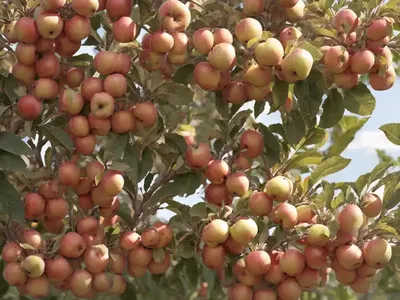
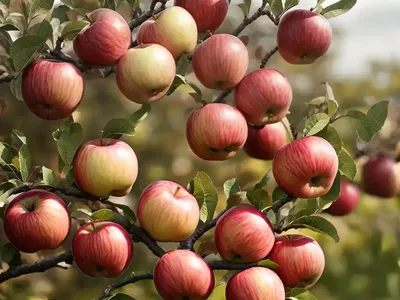
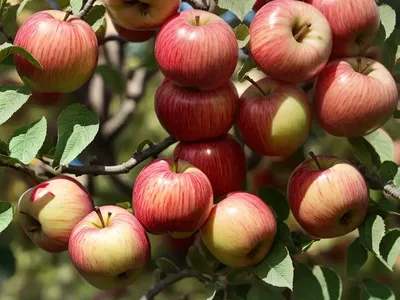
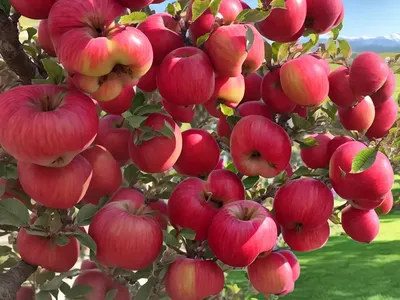
Apple (Malus Domestica)
The apple tree, also known by its scientific name Malus domestica , is a member of the Rose family (Rosaceae) and is one of the most cultivated and.
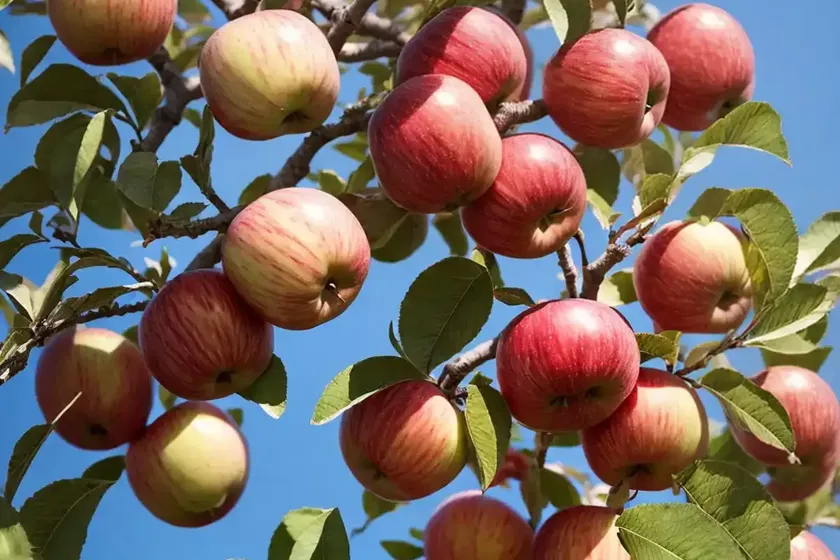
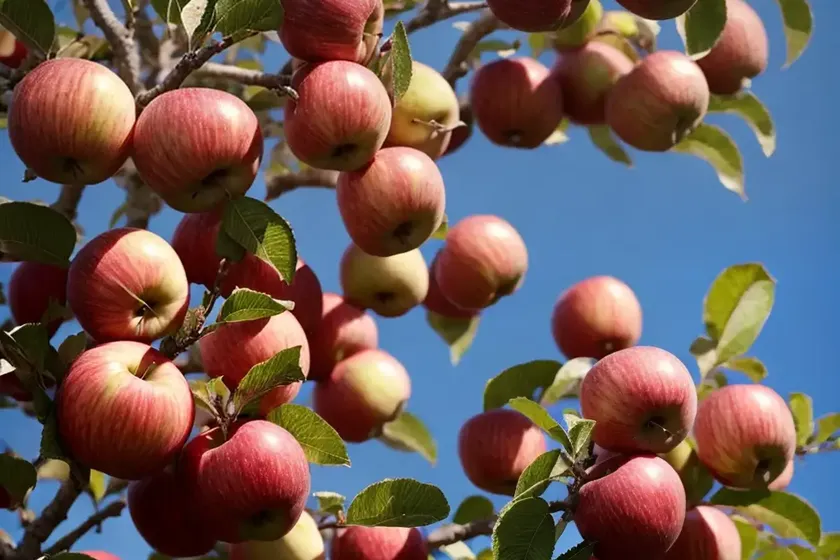
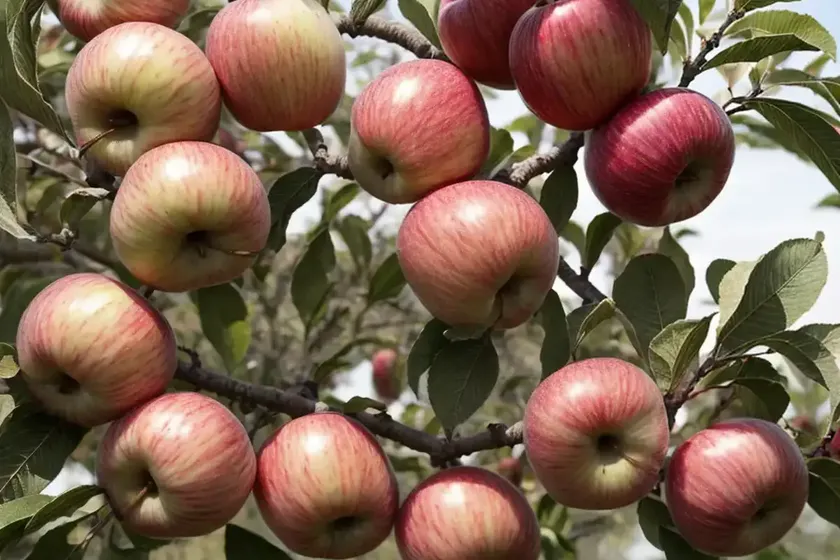
The apple tree, also known by its scientific name Malus domestica, is a member of the Rose family (Rosaceae) and is one of the most cultivated and consumed fruit globally. Believed to have originated in Central Asia, the apple tree has been spread across the world due to its delicious and nutritious fruits.
Key Takeaways – Apple (Malus domestica)
Culture
- The apple tree is a deciduous tree, meaning it sheds its leaves annually.
- It thrives in temperate climates and requires a period of winter chilling to break dormancy in the spring and achieve fruiting.
- While apples can be grown from seed, most commercial varieties are propagated through grafting onto rootstocks to maintain genetic traits and size control.
Uses
- The apple is mainly cultivated for its fruits, which are consumed fresh or processed into various products such as juice, cider, and desserts.
- Apples are also utilized in the production of apple cider vinegar and are a popular ingredient in culinary recipes.
Water
- Adequate watering is crucial, especially during fruit development, to ensure proper fruit size and quality.
- Deep and infrequent watering is preferable to shallow and frequent watering, as it encourages the development of a deep root system.
Sunlight
- Apples trees require full sun, typically defined as a minimum of six hours of direct sunlight per day, for optimal growth and fruit production.
Fertilizer
- Fertilization requirements vary based on the soil nutrient levels and tree age, but a balanced fertilizer with an N-P-K ratio of 10-10-10 is commonly recommended.
- Fertilization is generally applied in early spring before bud break, with additional applications depending on the tree’s response and soil nutrient levels.
Soil
- Well-draining loamy soil with a slightly acidic to slightly alkaline pH (6.0-7.0) is preferred for apple trees.
- Soil should be tested periodically to monitor and maintain optimal nutrient levels for tree health and fruit production.
Pruning
- Pruning is essential for controlling tree size, shaping the canopy, and promoting air circulation within the tree.
- Late winter or early spring, prior to bud break, is the ideal time for pruning to minimize disease transmission and maximize wound healing.
Propagation
- Apples are often propagated vegetatively through grafting and budding to preserve desirable cultivar traits and reproduce trees with identical genetic characteristics.
- Rootstocks play a critical role in managing tree size and vigor, and they are chosen based on the desired tree size and soil conditions.
Container Popularity
- While apple trees are traditionally grown in orchards or larger landscapes, dwarf and semi-dwarf varieties have made container cultivation increasingly popular, particularly in urban or limited space environments.
Container Common Diseases
- Despite the benefits of container cultivation, apple trees in containers are susceptible to unique diseases such as root rot and nutrient deficiencies due to restricted root space.
Disease Diagnosis
- The identification and diagnosis of apple tree diseases require careful observation of symptoms, including leaf discoloration, lesions, cankers, and fruit abnormalities.
- Laboratory tests and professional diagnosis may be necessary to confirm specific diseases and guide effective treatment strategies.
Common Pests
- Apple trees are vulnerable to pests such as aphids, mites, apple maggot, and codling moth, which can cause significant damage to foliage and fruits.
- Integrated pest management (IPM) strategies involving cultural, biological, and chemical control measures are commonly employed to manage pest infestations.
Botanist’s Tips
- Understanding the growth habits and seasonal requirements of apple trees is essential for successful cultivation and fruit production.
- Regular monitoring for pests and diseases, and prompt intervention when necessary, is crucial for maintaining tree health and productivity.
Fun Facts
- The apple is not only a popular fruit but also carries historical and cultural significance in various societies, often symbolizing love, knowledge, and temptation.
- There are thousands of apple varieties with diverse flavors, textures, and uses, contributing to their appeal among consumers and growers.
Links to External Resources
Apple Tree Diseases and Pests Management
Apple Tree Fertilizer Recommendations