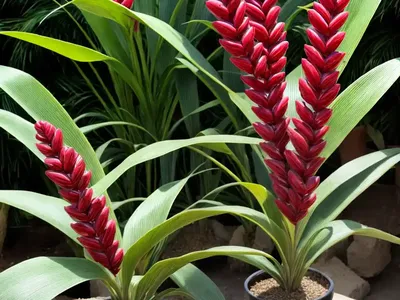
Amydrium (Amydrium Medium)
Plants play a pivotal role in our environment and have an irreplaceable impact on our lives. From providing us with oxygen to uplifting our moods, plants.
Plants play a pivotal role in our environment and have an irreplaceable impact on our lives. From providing us with oxygen to uplifting our moods, plants are an integral part of our ecosystem. One such fascinating plant is the Amydrium (Amydrium Medium), renowned for its aesthetic appeal and ease of care. In this comprehensive guide, we will delve into the world of Amydrium, exploring its characteristics, care requirements, medicinal properties, folklore, and much more.
- Introduction to Amydrium
- Key Takeaways
- Plant Characteristics
- Cultural Requirements
- Water
- Sunlight
- Fertilizer
- Soil
- Pruning
- Propagation
- Container
- Popularity and Common Varieties
- Common Diseases and Pests
- Disease Diagnosis
- Common Pests
- Botanist’s Tips
- Fun Facts
- Links to External Resources
Introduction to Amydrium
Amydrium, a genus within the Araceae family, is a group of stunning, climbing plants native to tropical regions. One of the most well-known species within this genus is Amydrium medium, prized for its lush foliage and unique growth habits. As an indoor plant, Amydrium medium has gained popularity due to its low maintenance requirements and striking appearance, making it a coveted addition to any plant enthusiast’s collection.
Key Takeaways
Before we delve into the intricate details, let’s glance through the key takeaways associated with Amydrium (Amydrium Medium):
- Amydrium species and varieties.
- Amydrium plant care and maintenance tips.
- Suitable cultural requirements for Amydrium, including watering, sunlight, and soil needs.
- Common diseases and pests affecting Amydrium plants.
- Propagation methods for Amydrium.
- Botanist’s tips for successful Amydrium cultivation.
- Fascinating folklore and myths associated with Amydrium plants.
- Links to external resources for further exploration.
With these key takeaways in mind, let’s embark on an immersive journey into the world of Amydrium, uncovering its hidden wonders and practical care guidelines.
Plant Characteristics
Amydrium Medium Plant Features
Amydrium (Amydrium Medium) exhibits an array of captivating features that make it an appealing choice for both amateur and seasoned plant enthusiasts. Let’s look at some of its prominent characteristics:
-
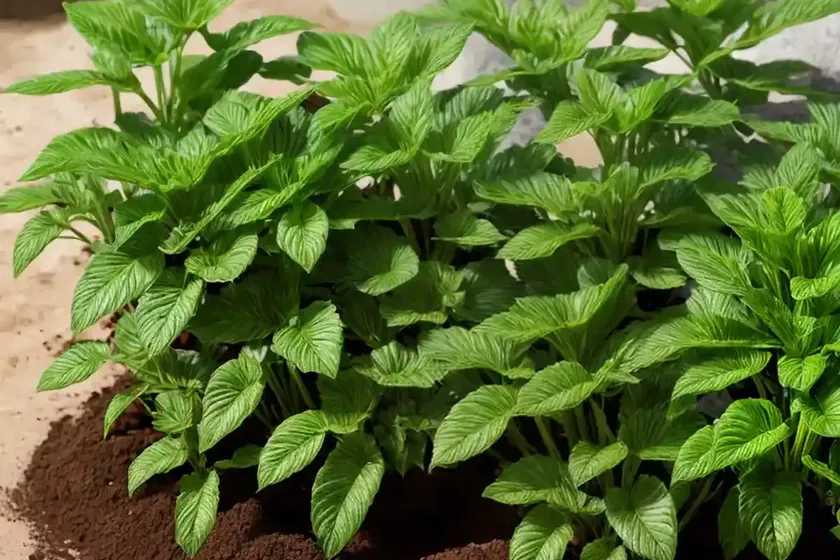
Foliage: The Amydrium Medium is renowned for its lush, heart-shaped leaves that boast a glossy texture, adding a touch of elegance to any indoor space.
-
Growth Habit: As a climbing plant, Amydrium Medium displays vigorous growth, utilizing its aerial roots to adhere to supports and ascend to impressive heights.
-
Size: Mature Amydrium Medium plants can attain substantial dimensions, making them an impactful presence in any indoor setting.
-
Aesthetic Appeal: With its cascading foliage and natural propensity for climbing, Amydrium Medium adds a touch of tropical allure to interiors, transforming spaces into verdant sanctuaries.
-
Foliage Variation: Some Amydrium Medium varieties flaunt distinct foliage patterns, further enhancing their visual appeal and adding diversity to indoor plant collections.
Cultural Requirements
To ensure the thriving health and vitality of Amydrium (Amydrium Medium), it’s imperative to provide optimal cultural conditions. Addressing aspects such as watering, sunlight exposure, soil composition, and other cultural requirements is essential for fostering robust growth and vibrant foliage.
Water
Proper watering is crucial for maintaining the well-being of Amydrium (Amydrium Medium) plants. Over-watering or prolonged drought can have detrimental effects on the plant’s health. Here are some general guidelines for watering Amydrium Medium:
-
Moisture Levels: Amydrium Medium thrives in moderately moist soil. While it’s important to avoid waterlogging, allowing the soil to dry out excessively can lead to stress and leaf damage.
-
Watering Frequency: Aim to water Amydrium Medium when the top layer of soil feels slightly dry to the touch. This helps strike a balance between adequate moisture and preventing waterlogged conditions.
-
Seasonal Variations: During the active growth phase, typically in spring and summer, Amydrium Medium may require more frequent watering. In contrast, reduce watering during the plant’s dormant period in fall and winter.
Sunlight
Adequate sunlight exposure is imperative for Amydrium (Amydrium Medium) to thrive and exhibit its characteristic lush foliage. Here’s a brief overview of the sunlight requirements for Amydrium Medium:
-
Indirect Light: Amydrium Medium flourishes in bright, indirect light. Excessive direct sunlight can lead to leaf scorching, particularly during the intense midday hours.
-
Filtered Light: Position Amydrium Medium in locations with filtered natural light, such as near east or west-facing windows where the plant can benefit from gentle sunshine without being subjected to harsh rays.
-
Low-Light Tolerance: While Amydrium Medium favors bright environments, it also exhibits moderate tolerance to lower light conditions, making it adaptable to a variety of indoor settings.
Fertilizer
Supplying essential nutrients through regular fertilization is vital for promoting vigorous growth and maintaining the visual appeal of Amydrium (Amydrium Medium). By incorporating appropriate fertilization practices, you can ensure that your Amydrium Medium thrives and flourishes.
-
Balanced Fertilizer: Utilize a balanced, water-soluble fertilizer formulated for houseplants. This ensures that Amydrium Medium receives a comprehensive array of nutrients necessary for robust growth and vibrant foliage.
-
Frequency: During the active growing season, generally in spring and summer, fertilize Amydrium Medium monthly to support its increased metabolic activities. Reduce or discontinue fertilization during the plant’s dormant phase in fall and winter.
Soil
Providing a well-suited growing medium is essential for Amydrium (Amydrium Medium) to establish healthy root systems and sustain vigorous growth. Consider the following soil-related considerations for Amydrium Medium:
-
Well-Draining Soil: Opt for a high-quality potting mix with excellent drainage properties. This prevents waterlogging, which can adversely affect the roots and overall health of Amydrium Medium.
-
Organic Matter Content: Incorporate organic components, such as peat moss or well-rotted compost, to enhance the soil’s structure and nutrient-retention capabilities.
-
Aeration and Texture: Ensure that the potting mix is well-aerated and has a light, friable texture, providing an optimal environment for root development and efficient nutrient uptake.
Pruning
Regular pruning is beneficial for maintaining the desired shape of Amydrium (Amydrium Medium), managing its size, and removing any damaged or diseased foliage. Here are some key aspects to consider when pruning Amydrium Medium:
-
Pruning Frequency: Periodically inspect the plant for any overgrown or unhealthy foliage that requires pruning. Aim for a regular schedule, such as monthly or as needed, to maintain the plant’s appearance.
-
Sterilized Tools: Utilize clean, sharp pruning tools to make precise cuts and minimize the risk of introducing pathogens to the plant.
-
Pruning Techniques: Focus on removing spent or yellowing leaves, managing the plant’s size, and promoting the development of new growth points to encourage lush foliage production.
Propagation
Propagating Amydrium (Amydrium Medium) allows you to expand your plant collection and share the beauty of this species with fellow enthusiasts. Explore the following propagation methods suitable for Amydrium Medium:
-
Stem Cuttings: Propagate Amydrium Medium using stem cuttings taken from mature, healthy plants. Ensure that each cutting possesses at least one node, as this is where roots will develop.
-
Water Propagation: Place the stem cuttings in a container of water, ensuring that the nodes are submerged. Monitor the water levels and replace when necessary to maintain optimal conditions for root development.
-
Rooting Hormone (Optional): Consider using a rooting hormone to expedite the root development process and improve the success rate of propagation.
Container
Selecting an appropriate container for Amydrium (Amydrium Medium) is crucial for facilitating healthy growth and accommodating the plant’s unique climbing nature. Here are some container-related considerations for Amydrium Medium:
-
Adequate Drainage: Choose a container with drainage holes to prevent water accumulation at the plant’s root zone, reducing the risk of root rot and other moisture-related issues.
-
Support Structure: Given Amydrium Medium’s climbing habit, incorporate a suitable support structure within the container to facilitate the plant’s natural growth tendencies.
-
Size and Space: Opt for a container that provides ample space for the plant’s root system to develop. Additionally, consider the potential growth height of Amydrium Medium and select a container that accommodates its vertical expansion.
Popularity and Common Varieties
The allure of Amydrium (Amydrium Medium) has contributed to its escalating popularity among plant enthusiasts seeking a visually striking and low-maintenance addition to their indoor plant collections. The following are some common varieties and cultivars of Amydrium Medium that have gained recognition for their unique traits and aesthetic appeal:
| Variety | Features |
|---|---|
| Amydrium Medium ‘Silver’ | Exhibits striking silver-hued foliage, adding a touch of elegance to interior spaces. |
| Amydrium Medium ‘Variegata’ | Showcases variegated leaves with captivating patterns, enhancing visual interest. |
| Amydrium Medium ‘Green | Represents the classic form of Amydrium Medium, characterized by lush, green foliage. |
These popular varieties exemplify the diversity present within the Amydrium Medium species, offering distinct visual elements and growth characteristics that appeal to a broad spectrum of plant enthusiasts.
Common Diseases and Pests
Disease Diagnosis
Effective disease management begins with the accurate diagnosis of any potential ailments affecting Amydrium (Amydrium Medium). By recognizing common diseases and their associated symptoms, you can swiftly implement targeted treatments and preventative measures. Some prevalent diseases that may affect Amydrium Medium include:
-
Root Rot: Manifests as wilting foliage, yellowing leaves, and potential root discoloration. This condition is often attributed to overly moist soil and poor drainage.
-
Leaf Spot: Appears as circular lesions on the foliage, accompanied by browning or yellowing of affected areas. Leaf spot can be caused by fungal or bacterial pathogens.
-
Powdery Mildew: Evident as a white, powdery coating on the leaves, powdery mildew can weaken the plant and diminish its visual appeal. It thrives in humid conditions.
Common Pests
Pest infestations can compromise the health and vigor of Amydrium (Amydrium Medium) if left unchecked. By vigilantly monitoring for signs of common pests, you can address potential issues early and safeguard the well-being of your plant. Some prevalent pests that may affect Amydrium Medium include:
-
Spider Mites: These tiny arachnids can cause stippling on the leaves and produce fine webbing, particularly on the underside of the foliage.
-
Mealybugs: Mealybugs are sap-feeding insects that appear as white, cottony masses on the plant, often associating with leaf axils and stems.
-
Aphids: These small, pear-shaped insects can congregate on the tender shoots and foliage of Amydrium Medium, sapping the plant’s vital juices and potentially causing deformation.
Botanist’s Tips
Cultivating Amydrium (Amydrium Medium) successfully entails embracing a mindful approach that addresses the plant’s unique growth habits and requirements. Here are some valuable tips from botanists and experienced plant enthusiasts:
-
Supportive Structures: Provide adequate support structures for Amydrium Medium to climb and flourish, allowing it to exhibit its natural growth tendencies.
-
Humidity Considerations: Monitor indoor humidity levels, particularly during dry periods, and consider employing humidity-enhancing techniques, such as misting or utilizing a humidifier.
-
Regular Inspection: Periodically inspect Amydrium Medium for signs of pests, diseases, or any environmental stressors that may impact its well-being, allowing for prompt intervention when necessary.
Fun Facts
Uncover the enchanting world of Amydrium (Amydrium Medium) through a collection of captivating and intriguing fun facts:
-
Phytonutrient Production: Amydrium Medium is recognized for its capacity to assimilate and neutralize certain airborne pollutants, contributing to improved air quality within indoor environments.
-
Tropical Origins: Hailing from tropical regions, Amydrium Medium boasts a rich heritage associated with lush, biodiverse ecosystems teeming with an array of plant and animal species.
-
Climbing Adaptations: The aerial roots of Amydrium Medium serve as specialized appendages, aiding in climbing and anchoring the plant to various surfaces, showcasing the ingenuity of nature.
-
Vibrant Growth Patterns: When provided with optimal cultural conditions, Amydrium Medium can undergo rapid growth spurts, unfurling new leaves and extending its vines with remarkable vigor.
Links to External Resources
Embark on a deeper exploration of Amydrium (Amydrium Medium) through the following external resources:
-
The American Phytopathological Society – Access valuable insights into plant diseases, including diverse resources related to disease management and diagnostics.
-
The Royal Horticultural Society – Discover a treasure trove of horticultural information, including helpful guides on plant care, disease and pest management, and propagation techniques.
-
Botanical Society of America – Explore the fascinating world of botany, featuring a wealth of knowledge encompassing plant biology, taxonomic resources, and educational materials.
Through these external resources, you can further enrich your understanding of Amydrium (Amydrium Medium) and broaden your horticultural expertise.
In conclusion, Amydrium (Amydrium Medium) stands as a testament to nature’s splendid artistry and resilience, offering both visual allure and enriching experiences for plant enthusiasts. As you embark on your journey with Amydrium Medium, may this comprehensive guide serve as a roadmap for successful cultivation and a gateway to the captivating realm of tropical plant charm.