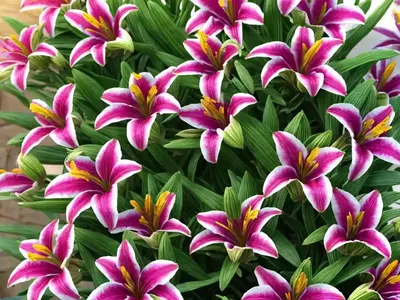
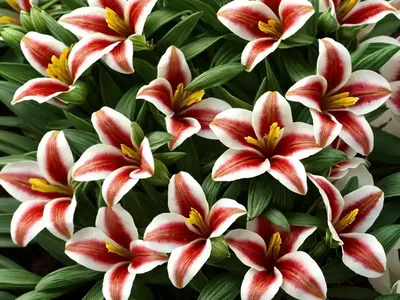
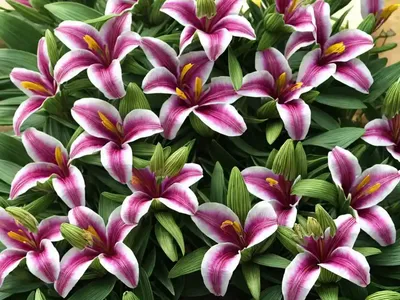
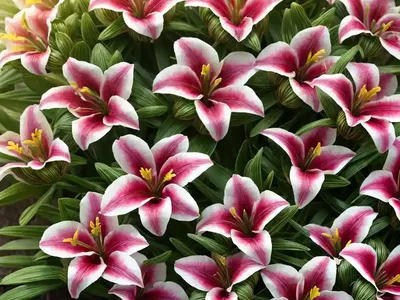
Alstroemeria ‘Princess Diana’ (Peruvian Lily)
Alstroemeria ‘Princess Diana’, also known as the Peruvian Lily, is a captivating plant that has gained popularity for its stunning flowers and easy.
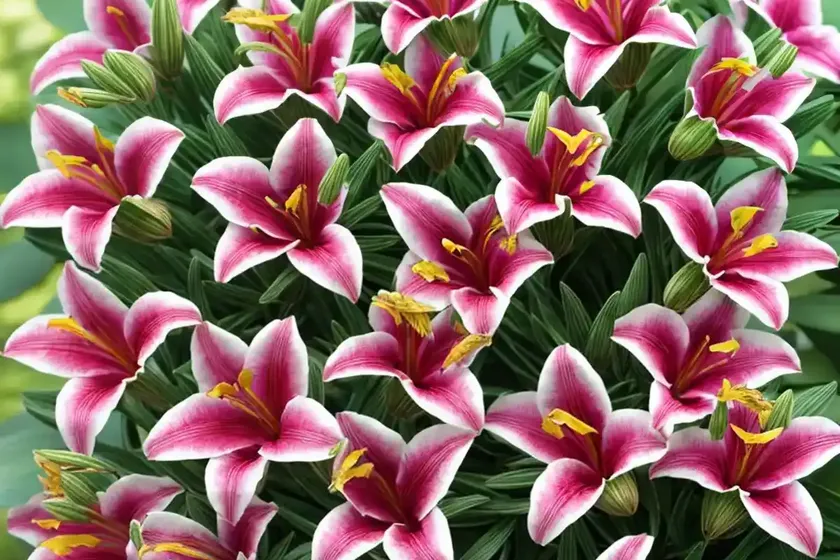
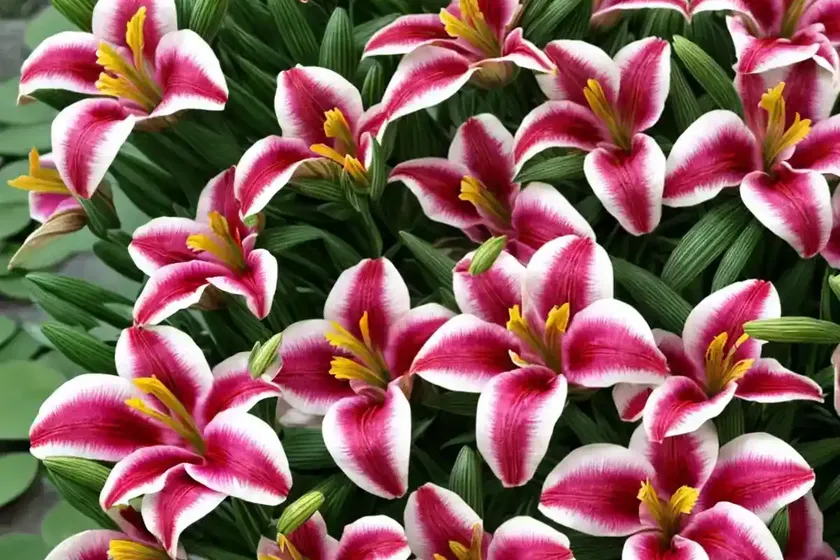
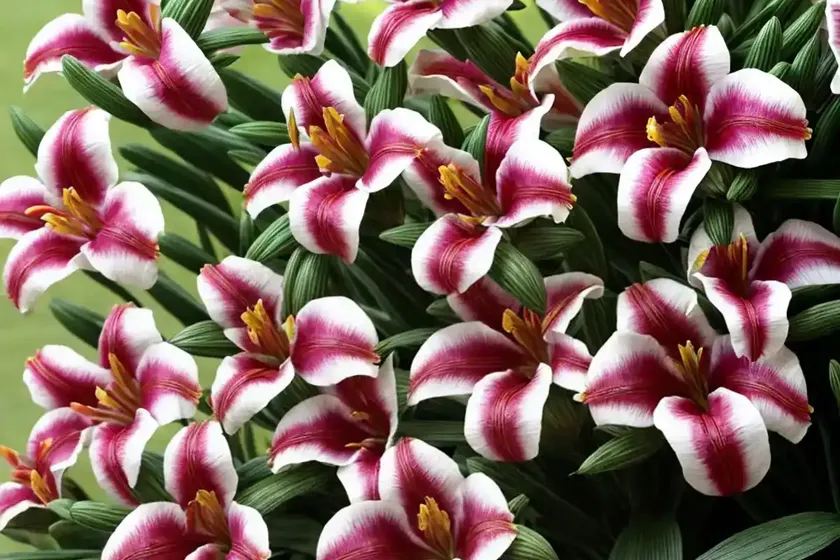
Alstroemeria ‘Princess Diana’, also known as the Peruvian Lily, is a captivating plant that has gained popularity for its stunning flowers and easy culture. In this comprehensive guide, we will explore the key aspects of this beautiful plant, including its culture, uses, care requirements, and much more. Whether you are a beginner or a seasoned gardener, this guide will provide you with valuable insights into growing and caring for Alstroemeria ‘Princess Diana’.
What is Alstroemeria ‘Princess Diana’ (Peruvian Lily)?
Alstroemeria ‘Princess Diana’ is a hybrid cultivar of the Alstroemeria plant species. This perennial plant is prized for its vibrant and long-lasting flowers, which make it a favorite choice for gardeners and florists alike. The ‘Princess Diana’ variety, in particular, is cherished for its striking blooms and elegant presence in the garden.
Key Takeaways – Alstroemeria ‘Princess Diana’ (Peruvian Lily)
Before delving into the specifics of caring for Alstroemeria ‘Princess Diana’, let’s review the key takeaways about this alluring plant:
- Scientific Name: Alstroemeria ‘Princess Diana’
- Common Name: Peruvian Lily
- Growth Habit: Herbaceous perennial
- Flower Colors: Varied, including shades of pink, red, orange, and white
- Blooming Period: Spring to summer
- Uses: Garden beds, containers, cut flowers
- Special Feature: Long-lasting cut flowers
- Hardiness Zone: 7-10
Now, let’s dive deeper into the various aspects of cultivating and enjoying Alstroemeria ‘Princess Diana’ in your garden.
Culture
Alstroemeria ‘Princess Diana’ has a rich cultural significance and a wide array of uses in both horticulture and floristry. Let’s explore the culture and uses of this enchanting plant.
Uses
The Peruvian Lily holds multiple uses, making it a versatile and valued addition to garden spaces and floral arrangements:
- Garden Ornament: Alstroemeria ‘Princess Diana’ adds color and elegance to garden beds, borders, and containers.
- Cut Flowers: The flowers are prized for their longevity, making them ideal for floral arrangements and bouquets.
- Container Gardening: Due to its clumping nature and attractive blooms, Alstroemeria ‘Princess Diana’ thrives in containers, adding charm to patios and balconies.
- Edging Plant: With its compact growth habit, this variety can be used as an edging plant, creating a neat and colorful boundary in garden beds.
Water
Proper watering is crucial for the health and vigor of Alstroemeria ‘Princess Diana’. Here’s what you need to know:
- Water Requirements: Alstroemeria plants prefer consistently moist soil. However, they are susceptible to root rot if the soil remains excessively waterlogged.
- Irrigation Tips: Water deeply when the top inch of soil feels dry to the touch. Avoid overhead watering to minimize the risk of foliar diseases.
Sunlight
Understanding the sunlight requirements of Alstroemeria ‘Princess Diana’ is essential for its successful cultivation. Here’s an overview of its sunlight preferences:
- Sun Exposure: This plant thrives in full sun to partial shade. In warmer climates, providing some afternoon shade can prevent the plant from wilting during the hottest part of the day.
- Optimal Conditions: Aim to provide at least 6 hours of sunlight for robust growth and abundant flowering.
Fertilizer
Applying the right fertilizers at the appropriate times can significantly enhance the growth and blooming potential of Alstroemeria ‘Princess Diana’. Consider the following fertilization guidelines:
- Fertilizer Type: Use a balanced, all-purpose fertilizer formulated for flowering perennials.
- Feeding Schedule: Apply fertilizer in early spring as new growth emerges and again after the first flush of flowers to support continuous blooming.
- Avoid Excess: Refrain from over-fertilizing, as excessive nitrogen can lead to lush foliage at the expense of flower production.
Soil
The choice of soil and its quality play a pivotal role in the overall health and performance of Alstroemeria ‘Princess Diana’. Here’s what to keep in mind regarding soil requirements:
- Well-Draining Soil: Alstroemeria plants thrive in rich, well-draining soil. A loamy or sandy soil texture with good aeration is ideal.
- pH Level: Aim for slightly acidic to neutral soil with a pH range of 6.0-7.0.
- Amendment: Prior to planting, incorporate organic matter such as compost or well-rotted manure to enrich the soil and enhance its moisture-retentive properties.
Pruning
Pruning is an essential aspect of maintaining the health, shape, and flowering vigor of Alstroemeria ‘Princess Diana’. Here are some guidelines for effective pruning:
- Deadheading: Regularly remove spent flowers to encourage continuous blooming throughout the growing season.
- Division: Periodically divide mature clumps every 2-3 years to rejuvenate the plant and prevent overcrowding.
- Winter Pruning: In late fall or early winter, trim back the foliage to ground level after it begins to yellow and die back naturally.
Propagation
Expanding your collection of Alstroemeria ‘Princess Diana’ through propagation is an exciting prospect. Consider the following propagation methods for success:
- Division: Dividing established clumps in early spring or fall is the most reliable method for propagating Alstroemeria. Each division should have several healthy rhizomes and growing points.
- Crown Cuttings: Take crown cuttings in early spring from healthy, actively growing plants. Use a sharp, sterile knife to carefully remove a section of the crown, and plant it in a well-draining rooting medium.
Container Popularity
Alstroemeria ‘Princess Diana’ has gained popularity as a container plant due to its manageable size and impressive floral display. Here are some reasons for its appeal in container gardening:
- Color Variety: The vibrant range of flower colors adds visual interest to containers, making them eye-catching focal points.
- Space Efficiency: The compact growth habit of Alstroemeria ‘Princess Diana’ allows it to thrive in containers without taking up excessive space.
- Portability: Containers offer the flexibility of moving the plants to optimal sunlight or sheltered locations as needed.
Common Diseases
While Alstroemeria ‘Princess Diana’ is relatively resilient, it can be susceptible to certain diseases under unfavorable conditions. Familiarize yourself with the common diseases that may affect this plant:
Disease Diagnosis
- Botrytis Blight: Symptoms include gray mold on flowers and foliage, especially during damp, humid conditions.
- Powdery Mildew: White, powdery patches develop on the leaves, often due to poor air circulation and high humidity.
- Crown Rot: This can occur in waterlogged or poorly drained soils, leading to the decay of the plant’s crown and rhizomes.
Common Pests
Although Alstroemeria ‘Princess Diana’ is generally resistant to most pests, occasional infestations may occur. Look out for these common pests:
- Aphids: These small, soft-bodied insects may cluster on new growth, sucking sap from the plant and causing distorted foliage.
- Spider Mites: In hot, dry conditions, spider mites can infest the plant, leading to stippled, discolored leaves and webbing on the undersides of the foliage.
Botanist’s Tips
As a plant scientist, it’s essential to provide valuable insights and tips for the successful cultivation of Alstroemeria ‘Princess Diana’. Here are some expert recommendations:
- Mulching: Apply a layer of organic mulch around the plants to retain moisture, suppress weeds, and insulate the roots from temperature extremes.
- Staking: In regions with strong winds, staking taller varieties of Alstroemeria ‘Princess Diana’ can prevent the flower stems from bending or breaking.
- Companion Planting: Pair Alstroemeria with ornamental grasses, salvias, or other perennials to create visually appealing and harmonious garden compositions.
Fun Facts
Uncover interesting and lesser-known facts about Alstroemeria ‘Princess Diana’, adding to its allure and appeal:
- Medicinal Properties: Alstroemeria species have been used in traditional herbal medicine for their anti-inflammatory and pain-relieving properties.
- Symbolism: In flower language, Alstroemeria symbolizes friendship, devotion, and mutual support, making it a meaningful gift for loved ones.
- Natural Dye Source: The pigments in Alstroemeria flowers have been historically used as a natural dye for textiles and handicrafts.
Links to External Resources
Further your knowledge and exploration of Alstroemeria ‘Princess Diana’ through trusted external resources:
- American Society for the Prevention of Cruelty to Animals (ASPCA) – List of Toxic and Non-Toxic Plants
- United States Department of Agriculture (USDA) Plant Hardiness Zone Map
- Royal Horticultural Society (RHS) Plant Finder
By incorporating the insights and recommendations outlined in this guide, you can cultivate and appreciate Alstroemeria ‘Princess Diana’ to its fullest potential. Whether adorning your garden or adorning a vase, the Peruvian Lily is sure to captivate with its enduring beauty and charm.