A Complete Guide to Aloe arborescens (Torch Aloe) Care
Aloe arborescens, commonly known as Torch Aloe, is a striking succulent plant that has gained popularity as an ornamental and medicinal plant across the world. Its unique appearance, combined with its low-maintenance requirements, makes it a favorite among gardeners and plant enthusiasts. In this comprehensive guide, we will explore everything you need to know about caring for Aloe arborescens, including its cultural requirements, uses, propagation methods, common pests and diseases, and much more.
What is Aloe arborescens (Torch Aloe)?
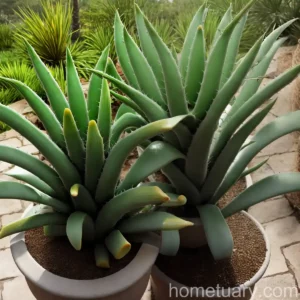
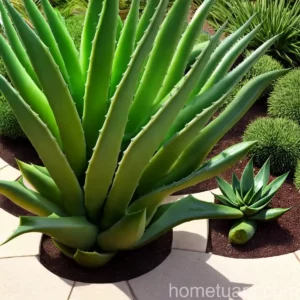
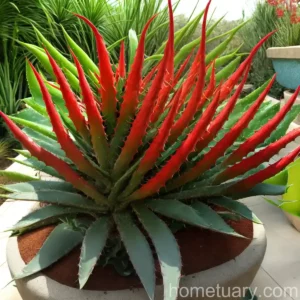
Aloe arborescens is a species of flowering succulent plant in the Aloe genus. It is native to the southern regions of Africa, particularly in countries like South Africa, Mozambique, and Zimbabwe. The plant belongs to the Asphodelaceae family and is known for its striking, torch-like inflorescences, which are characterized by vibrant, tubular red or orange flowers. The plant’s leaves are fleshy, lance-shaped, and arranged in a rosette formation, giving it a distinctive and appealing look.
The Torch Aloe is not only prized for its aesthetic appeal but also for its various medicinal and therapeutic properties. The gel extracted from its leaves has been used for centuries in traditional medicine to treat various skin conditions, burns, and wounds. Additionally, it is often cultivated as an ornamental plant in gardens, landscapes, and indoor settings due to its hardy nature and drought tolerance.
Key Takeaways – Aloe arborescens (Torch Aloe)
Before diving into the specific care requirements for Aloe arborescens, let’s overview some key takeaways that will be covered in detail throughout this guide.
Culture
- Aloe arborescens is a versatile plant that can thrive in various cultural settings, including indoor and outdoor environments.
- It is highly adaptable to different climatic conditions, making it suitable for both arid and subtropical regions.
Uses
- The plant has both ornamental and medicinal uses, making it a valuable addition to gardens and landscapes.
- Its gel has numerous therapeutic properties and is used in skincare and wound healing products.
Water
- Aloe arborescens has moderate water requirements and is well-suited for xeriscaping and drought-tolerant landscapes.
- Overwatering should be avoided to prevent root rot and other moisture-related issues.
Sunlight
- The plant thrives in bright, indirect sunlight and can tolerate full sun conditions, especially in its native habitats.
- Adequate sunlight is crucial for promoting flowering and maintaining the plant’s overall health.
Fertilizer
- Aloe arborescens has minimal fertilizer needs and can thrive in nutrient-poor soils.
- Organic, low-nitrogen fertilizers are recommended for occasional application during the growing season.
Soil
- Well-draining, sandy, or gravelly soils are ideal for Aloe arborescens.
- The plant is adaptable to various soil types, including acidic and alkaline soils, as long as they offer good drainage.
Pruning
- Minimal pruning is required for Torch Aloe, primarily for the removal of dead or damaged leaves and spent flower stalks.
- Regular inspection and maintenance of the plant can help promote its overall appearance and health.
Propagation
- Aloe arborescens can be propagated through offsets, seeds, or stem cuttings.
- Each propagation method has its unique requirements and benefits, allowing growers to expand their Torch Aloe collection.
Aloe arborescens (Torch Aloe) Plant Care
In the following sections, we will delve into the detailed care guidelines for Aloe arborescens, covering various aspects such as its water, sunlight, soil, pruning, propagation, and more. Whether you are a novice gardener or an experienced enthusiast, this comprehensive resource will equip you with the knowledge needed to cultivate and maintain healthy and thriving Torch Aloe plants.
Watering Requirements
Watering is a crucial aspect of Aloe arborescens care, as it directly impacts the plant’s overall health and vitality. Understanding its water requirements and implementing appropriate watering practices are essential for preventing moisture-related issues and promoting optimal growth.
Aloe arborescens Watering Guidelines
Aloe arborescens exhibits moderate water needs and is well-adapted to arid and semi-arid climates. As a succulent plant, it stores water in its fleshy leaves, enabling it to withstand periods of drought and limited water availability. When determining the watering frequency and amount for Torch Aloe, consider the following guidelines:
- Established Outdoor Plants: In outdoor settings, Aloe arborescens should be watered deeply but infrequently, allowing the soil to dry out between waterings. During the active growing season (spring and summer), water the plant approximately every 2-3 weeks, adjusting the frequency based on environmental conditions and soil moisture levels.
- Indoor Container Plants: For potted Aloe arborescens, allow the top 2-3 inches of the soil to dry out between waterings. Water the plant thoroughly, ensuring that excess water drains from the pot’s bottom. Empty the saucer or tray after watering to prevent water accumulation, which can lead to root rot and other issues.
- Winter Dormancy: As winter approaches, reduce the frequency of watering to mimic the plant’s natural dormancy period. Aloe arborescens experiences slower growth during the cold season, requiring less water to avoid waterlogged soil and related complications.
It is essential to monitor the plant’s response to watering and adjust the frequency based on its specific environmental conditions. Factors such as temperature, humidity, and sunlight exposure can influence the plant’s water needs, so observant care and regular inspection are valuable practices for maintaining optimal soil moisture levels.
Sunlight Needs
Proper sunlight exposure is essential for the growth, development, and flowering of Aloe arborescens. As a succulent plant, it thrives in bright, indirect sunlight and can tolerate periods of direct sun exposure, particularly in regions with mild climates. Understanding the specific sunlight needs of Torch Aloe is crucial for providing it with the ideal growing conditions.
Sunlight Requirements for Torch Aloe
- Outdoor Cultivation: In outdoor settings, Aloe arborescens benefits from partial to full sun exposure, depending on the local climate and environmental factors. In regions with intense or prolonged sunlight, providing partial shade during the hottest part of the day can prevent sunburn and excessive heat stress.
- Indoor Gardening: When growing Aloe arborescens indoors, choose a bright location that receives indirect sunlight for most of the day. Place the plant near a south- or west-facing window to ensure adequate light exposure. Supplemental grow lights can be used if natural sunlight is limited in indoor environments.
Soil Preferences
The choice of soil significantly impacts the health and vigor of Aloe arborescens, as it directly influences the plant’s root development, water retention, and nutrient uptake. Providing well-draining, nutrient-rich soil is essential for promoting healthy growth and preventing issues related to waterlogged or compacted soils.
Ideal Soil Conditions for Torch Aloe
- Well-Draining Soil: Aloe arborescens thrives in well-draining soil that allows excess water to flow away from the roots. Sandy or gravelly soil mixes are particularly suitable, as they offer excellent drainage while preventing soil compaction.
- Soil pH: The plant is adaptable to a wide range of soil pH levels, including slightly acidic to mildly alkaline soils. A pH range of 6.0 to 7.0 is generally ideal for promoting nutrient availability and overall plant health.
- Container Mixes: When growing Aloe arborescens in containers, use a specialized succulent or cactus potting mix that provides enhanced drainage and aeration. These mixes are designed to mimic the plant’s natural habitat and can support healthy root growth in confined spaces.
Fertilizer Application
Aloe arborescens has minimal fertilizer requirements and can thrive in nutrient-poor soils, thanks to its natural resilience and ability to store water and nutrients in its leaves. While the plant does not heavily rely on supplementary nutrients, occasional fertilization can support its growth, flowering, and overall vitality.
Fertilizer Guidelines for Torch Aloe
- Frequency: Apply a balanced, low-nitrogen fertilizer to Aloe arborescens once every 3-4 months during the active growing season (spring and summer). Alternatively, opt for a specialized succulent or cactus fertilizer that is specifically formulated to meet the plant’s nutrient needs.
- Application Method: Dilute the fertilizer to half or quarter strength to avoid overfeeding the plant. Apply the fertilizer solution to moist soil, ensuring that it does not come into direct contact with the plant’s leaves to prevent potential damage or burns.
- Organic Options: Consider using organic fertilizers, such as compost tea or seaweed-based fertilizers, to provide a natural source of nutrients to Aloe arborescens. Organic formulations promote soil health and microbial activity, supporting a balanced and sustainable nutrient supply for the plant.
Pruning Tips
Proper pruning can enhance the appearance and longevity of Aloe arborescens, removing dead or damaged leaves and spent flower stalks to promote new growth and prevent disease infestations. Understanding the basic pruning techniques and guidelines for Torch Aloe is essential for maintaining its overall health and aesthetic appeal.
Pruning Guidelines for Aloe arborescens
- Dead Leaf Removal: Regularly inspect the plant for dead or withered leaves and remove them using clean, sharp pruning shears. Cut the leaves close to the base of the plant, ensuring that no stubs or remnants remain, which can attract pests or lead to fungal infections.
- Flower Stalk Trimming: After the flowering period, trim the spent flower stalks to encourage the development of new blooms and prevent the plant from expending unnecessary energy on seed production. Snip the flower stalk at its base, taking care not to damage the surrounding leaves.
- Minimal Intervention: Avoid excessive or unnecessary pruning of Aloe arborescens, as the plant naturally sheds older leaves as it grows. Prune conservatively, focusing on the removal of dead or unsightly foliage while allowing the plant to maintain its natural form and structure.
Propagation Methods
Aloe arborescens can be propagated through various methods, including offsets, seeds, and stem cuttings, offering growers the flexibility to expand their plant collection and share Torch Aloe with others. Each propagation method has its unique requirements and benefits, enabling enthusiasts to experiment with different techniques based on their preferences and resources.
Propagation Techniques for Torch Aloe
- Offsets (Pups): Aloe arborescens produces offsets, or pups, around the base of the parent plant. To propagate using offsets, carefully separate the young shoots from the main plant, ensuring that each offset has its root system. Plant the offsets in a well-draining soil mix and provide them with appropriate care to promote establishment and growth.
- Seed Propagation: Collect mature seeds from the plant’s dried flower heads and sow them in a propagation tray filled with a well-draining seed starting mix. Keep the soil consistently moist and provide warmth and indirect light to encourage germination. Once the seedlings develop, transplant them into individual containers and continue their care as established Aloe arborescens plants.
- Stem Cuttings: Propagating Aloe arborescens from stem cuttings is a common and straightforward method. Select a healthy, mature stem and use sharp, sterile scissors or a knife to cut a section of the stem. Allow the cutting to callus for a few days before planting it in a well-draining potting mix. Keep the soil lightly moist and provide indirect light to support root development.
Common Pests and Diseases
While Aloe arborescens is known for its resilience and disease resistance, it is susceptible to a few pests and diseases that can affect its health and appearance if left unaddressed. Recognizing the signs of common pests and diseases and implementing appropriate control measures are crucial for protecting Torch Aloe from potential threats.
Common Pests
- Aphids: These small, soft-bodied insects can cluster on the undersides of Aloe arborescens leaves, sucking sap and causing yellowing or distortion of the foliage. Use a strong blast of water or insecticidal soap to dislodge and control aphid populations.
- Spider Mites: Spider mites are microscopic pests that feed on plant juices, leading to stippled or discolored leaves. Regularly misting the plant and using insecticidal sprays can help manage and prevent spider mite infestations.
- Scale Insects: Scale insects often appear as small, waxy bumps on the plant’s leaves and stems, causing yellowing and weakening of the affected areas. Remove scale insects manually and treat the plant with horticultural oil or insecticidal sprays as needed.
Disease Diagnosis
- Root Rot: Overwatering and poorly draining soils can lead to root rot in Aloe arborescens, causing the plant’s roots to become mushy and discolored. To prevent root rot, adjust the watering frequency and ensure that the plant is situated in well-draining soil.
- Leaf Spot: Leaf spot diseases can manifest as dark, water-soaked lesions on the plant’s leaves, often caused by fungal pathogens. Improve air circulation and avoid overhead watering to minimize the risk of leaf spot infections.
Botanist’s Tips
As a plant scientist, I would like to share some additional tips and insights for successfully caring for Aloe arborescens based on its natural growth habits and environmental preferences.
Torch Aloe Growing Tips
- Environmental Adaptability: Aloe arborescens has remarkable adaptability to various environmental conditions, making it suitable for both indoor and outdoor cultivation. Leveraging this adaptability, consider experimenting with different growing setups and environments to observe how the plant responds to diverse settings.
- Resilience to Neglect: While providing attentive care is essential, Aloe arborescens can withstand periods of neglect and minimal maintenance, making it a forgiving plant for beginners and busy individuals. Establishing a consistent care routine, including occasional inspection and maintenance, can support the plant’s long-term health and vigor.
Fun Facts
Before we explore more detailed care aspects, let’s highlight some fun and intriguing facts about Aloe arborescens, shedding light on its unique characteristics and historical significance.
Fascinating Aspects of Torch Aloe
- Fire-Resistant Properties: Aloe arborescens has fire-resistant properties, with its fleshy leaves containing high moisture content that reduces the risk of ignition and helps the plant survive in fire-prone habitats.
- Natural Remedy in Folklore: In various cultures and traditions, Aloe arborescens has been revered as a symbol of healing and protection. Its gel and leaf extracts have been used in folklore as a remedy for burns, wounds, and skin ailments, showcasing its historical significance in traditional medicine.
- Wildlife Attraction: The vibrant flowers of Aloe arborescens attract pollinators such as bees, butterflies, and hummingbirds, contributing to the plant’s ecological value and role in supporting local wildlife populations.
Links to External Resources
Explore Further
To further enhance your understanding of Aloe arborescens and its care requirements, consider exploring the following resources:
- Aloe arborescens: Growing and Care Tips
- How to Propagate Aloe arborescens
- Aloe arborescens: Medicinal Uses and Benefits
Conclusion
In conclusion, Aloe arborescens (Torch Aloe) is a captivating succulent plant that offers an array of ornamental, medicinal, and ecological benefits. By understanding and implementing its unique care requirements, enthusiasts can cultivate thriving Torch Aloe specimens in gardens, landscapes, and indoor settings. From water and sunlight needs to propagation methods and pest control, this comprehensive guide provides valuable insights and practical tips for nurturing healthy and vibrant Aloe arborescens plants. As you embark on your journey of caring for Torch Aloe, remember to observe and adapt to the plant’s specific needs, fostering an enduring and rewarding relationship with this remarkable botanical gem.
With its rich history, cultural significance, and remarkable adaptability, Aloe arborescens continues to inspire plant enthusiasts and researchers alike, inviting further exploration into its diverse uses, ecological contributions, and aesthetic allure.