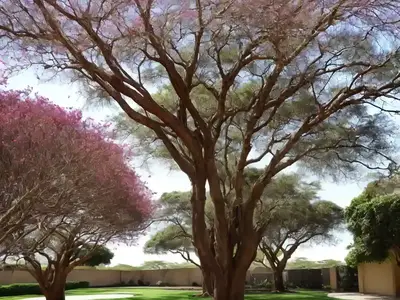
African Tuliptree (Spathodea Campanulata)
Key Takeaways – African Tuliptree (Spathodea campanulata) Before delving into the intricacies of the African tuliptree, let’s summarize the key takeaways.

Key Takeaways – African Tuliptree (Spathodea campanulata)
Before delving into the intricacies of the African tuliptree, let’s summarize the key takeaways associated with this captivating species.
African Tuliptree Facts
- The African tuliptree, scientifically known as Spathodea campanulata, is native to tropical Africa.
- It is prized for its vibrant and showy flowers.
- The tree is cultivated for its ornamental value and shade provision.
- It goes by various common names such as flame of the forest, fountain tree, and pichkari.
Spathodea campanulata Tree
- The Spathodea campanulata tree belongs to the Bignoniaceae family.
- It is a deciduous tree recognized for its large, bell-shaped flowers.
African Tuliptree Care
- The African tuliptree requires well-drained soil and regular watering.
- It thrives in full sunlight, making it essential to plant it in a location with ample light exposure.
- Pruning is necessary to maintain the tree’s shape and remove dead or diseased branches.
African Tuliptree Characteristics
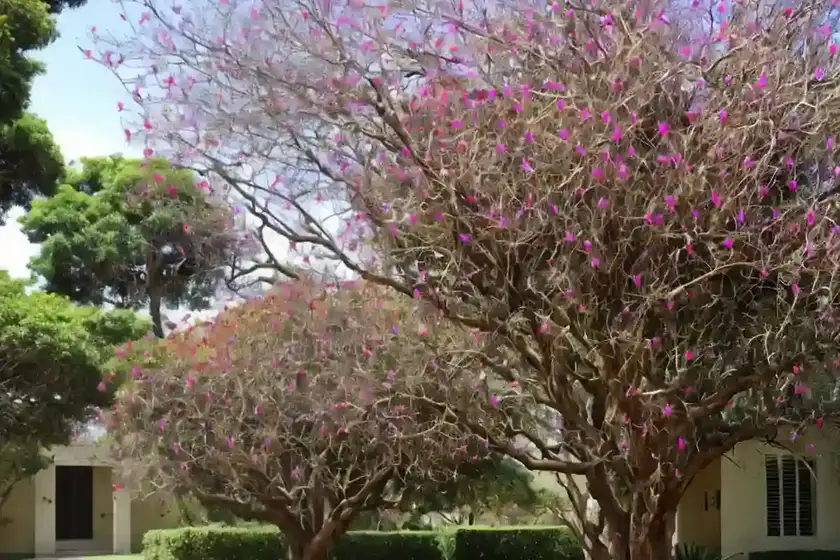
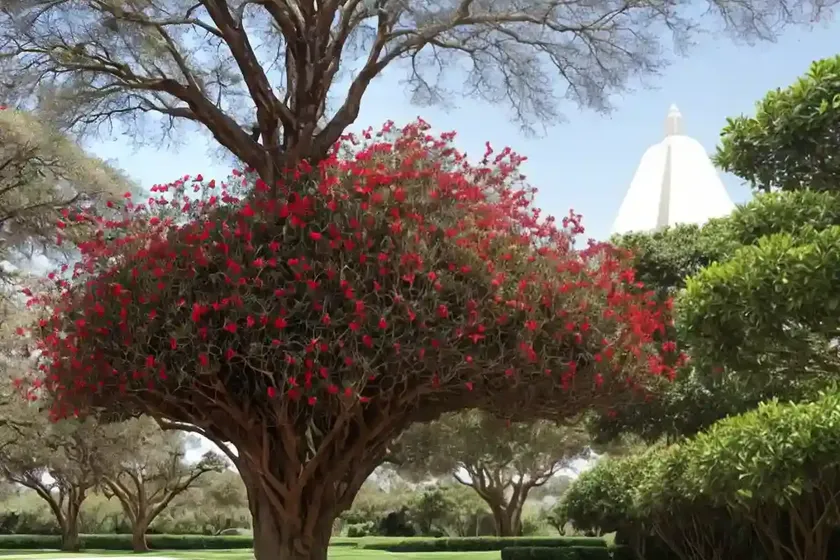
- It is characterized by large, showy flowers that are red, orange, or yellow in color.
- The tree exhibits rapid growth, reaching heights of up to 80 feet.
African Tuliptree Description
- The tree features a wide and spreading canopy.
- The flowers are trumpet-shaped, creating an awe-inspiring display during the flowering season.
African Tuliptree Maintenance
- Regular fertilization and proper soil management are essential for the maintenance of healthy African tuliptrees.
African Tuliptree Species
- Spathodea campanulata is a single species within the Spathodea genus.
- It is renowned for its impressive floral display and stately form.
African Tuliptree Benefits
- Apart from its aesthetic value, the African tuliptree provides shade and contributes to the overall biodiversity of its ecosystem.
- In urban settings, it offers an exquisite natural element that enhances the urban landscape.
Culture
The African tuliptree holds a special place in many cultures and landscapes due to its remarkable attributes. Whether it’s the vibrant blooms that captivate the eye or the unique ecological roles it fulfills, this tree is an enchanting presence wherever it is cultivated.
Uses
Apart from its aesthetic allure, the African tuliptree serves multiple practical purposes. From its role as a shade provider to its applications in traditional medicine, the uses of the Spathodea campanulata are diverse and intriguing.
Water
The African tuliptree, like many trees, requires appropriate watering for optimal growth and health. Adequate water provision is essential, especially during the initial stages of growth and periods of drought. Conversely, excessive water can lead to root rot and other related issues, emphasizing the importance of well-drained soil.
Sunlight
Full sunlight is crucial for the thriving of African tuliptrees. Placing them in locations with direct sunlight exposure ensures robust growth and prolific flowering, enhancing their ornamental value.
Fertilizer
Regular fertilization is beneficial for the African tuliptree’s growth and flowering. The application of a balanced fertilizer, particularly during the growing season, aids in sustaining healthy foliage and promoting abundant blooms.
Soil
The African tuliptree thrives in well-drained, fertile soil. A soil mix that provides good drainage while retaining sufficient moisture is ideal for supporting the vigorous growth and development of the Spathodea campanulata.
Pruning
Regular pruning is essential for managing the size and shape of African tuliptrees. It also facilitates the removal of dead or diseased branches, enhancing the tree’s overall health and appearance.
Propagation
Propagation of the African tuliptree can be achieved through various methods, including seeds, cuttings, and air layering. Each approach has its nuances and considerations, but all are viable means of reproducing the enchanting attributes of the Spathodea campanulata.
Container Popularity
The African tuliptree is also cultivated in containers for ornamental purposes in various settings. Its striking floral display and manageable size make it an enchanting addition to courtyards, patios, and urban landscapes.
Container Common Diseases
While African tuliptrees in containers are generally resilient, they can still be susceptible to certain diseases if proper care is not upheld. Common diseases include fungal infections, root rot, and leaf spot diseases, which can be managed through regular monitoring and appropriate treatment.
Disease Diagnosis
Early diagnosis and treatment of potential diseases are paramount in maintaining the health and vitality of African tuliptrees. By promptly addressing any signs of disease, detrimental impacts on the tree’s growth and floral display can be mitigated.
Common Pests
Pest management is essential in ensuring the well-being of African tuliptrees in containers. Pests such as aphids, scale insects, and caterpillars can pose challenges, necessitating vigilant observation and appropriate intervention measures.
Botanist’s Tips
As a plant scientist, I wholeheartedly recommend the cultivation of African tuliptrees for their remarkable ornamental value and ecological contributions. The following tips aim to guide enthusiasts in successfully nurturing and appreciating the captivating attributes of Spathodea campanulata.
Fun Facts
Uncover captivating insights into the African tuliptree’s unique features, uses, and cultural significance through a collection of intriguing fun facts.
Links to External Resources
Further enrich your understanding of the African tuliptree by exploring resources that offer in-depth insights, care guides, and captivating imagery of this enchanting tree.
In the magnificent world of plants, the African tuliptree stands as a testament to nature’s splendor and the captivating wonders awaiting discovery in our botanical landscape. With its resplendent blooms, practical uses, and ecological significance, the Spathodea campanulata is an enthralling presence that continues to enchant and inspire admirers around the globe.