Aechmea Plant (Aechmea Fasciata)
In the realm of indoor gardening and landscape design, Aechmea fasciata, commonly known as the Aechmea plant or urn plant, is a popular choice among plant.
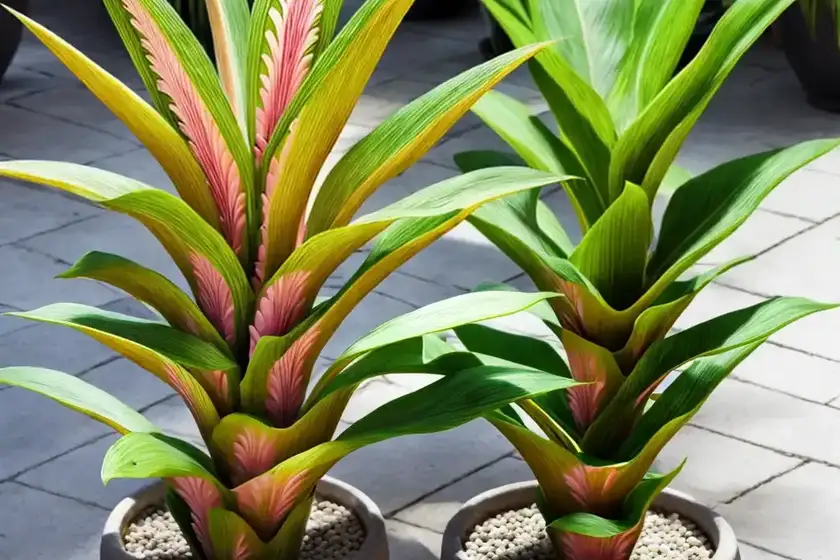
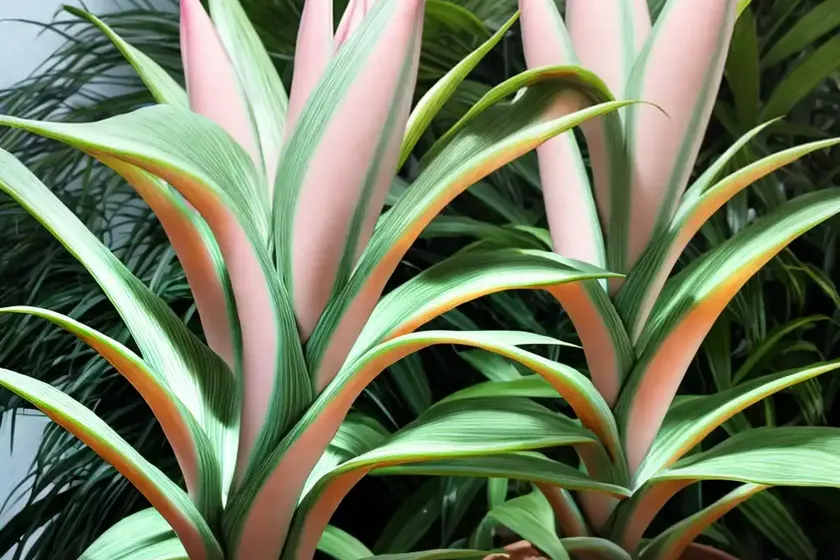
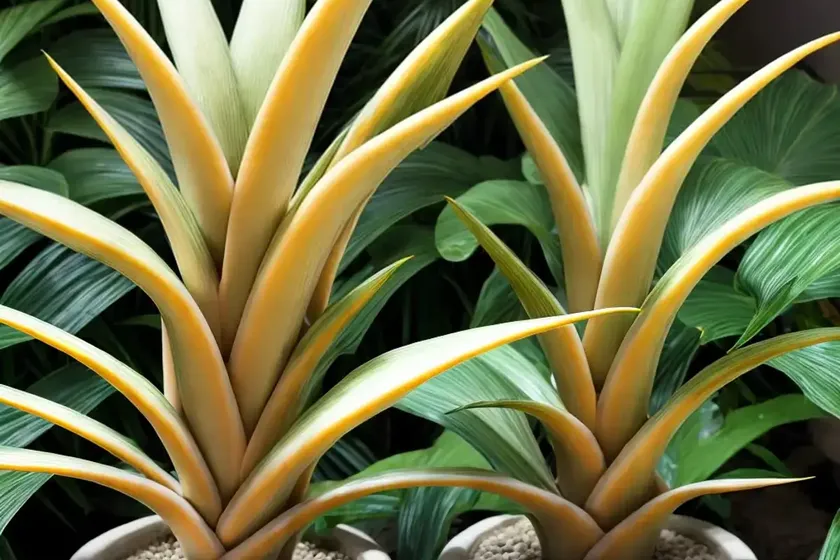
In the realm of indoor gardening and landscape design, Aechmea fasciata, commonly known as the Aechmea plant or urn plant, is a popular choice among plant enthusiasts. Its stunning foliage and unique appearance make it an intriguing addition to any urban oasis or natural landscape. Understanding the intricacies of caring for the Aechmea plant is essential for ensuring its health and vibrancy. In this guide, we will delve into the various aspects of Aechmea plant care, from its cultural requirements to common diseases and pests, providing you with the knowledge you need to foster a thriving Aechmea fasciata.
What is the Aechmea Plant?
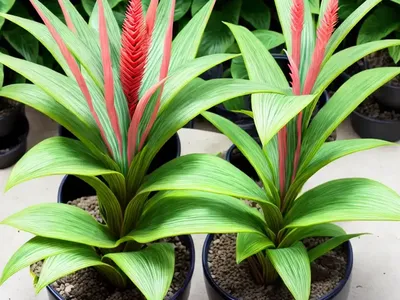
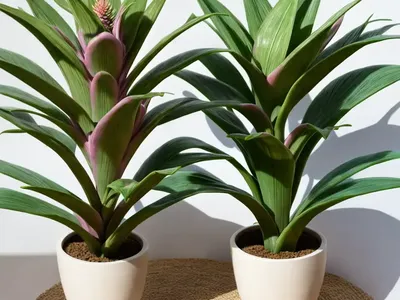
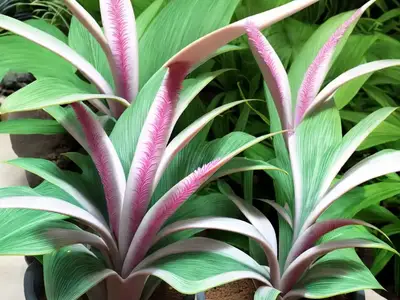
The Aechmea plant, scientifically known as Aechmea fasciata, is a species of flowering plant in the bromeliad family, native to the tropical regions of Brazil. This perennial evergreen plant is renowned for its striking foliage and vibrant inflorescence, making it a prized ornamental addition to indoor and outdoor settings. The Aechmea fasciata is characterized by its rosette of arching, leathery leaves and a central pink or red “urn” in which it produces vibrant, tufted flowers.
A popular choice for interior decorations due to its unique appearance, the Aechmea plant is often utilized in offices, homes, and public spaces to add a touch of natural beauty. Its adaptability to a variety of environments and relative ease of care make it an attractive option for both novice and experienced gardeners.
Key Takeaways
Before delving into the specifics of Aechmea plant care, let’s outline the key takeaways for this remarkable species.
Aechmea Plant (Aechmea fasciata)
- Common Name: Aechmea, Urn Plant
- Scientific Name: Aechmea fasciata
- Family: Bromeliaceae
- Native Habitat: Tropical regions of Brazil
- Characteristics: Rosette of arching, leathery leaves, central pink or red “urn,” vibrant tufted flowers
With these foundational insights in mind, we can now explore the intricacies of properly caring for the Aechmea fasciata, encompassing its culture, uses, and essential care requirements.
Culture
Understanding the cultural preferences of the Aechmea plant is imperative for fostering a healthy and thriving specimen. Let’s explore the various aspects of its cultural requirements, including water, sunlight, fertilizer, soil, and pruning.
Water
Aechmea fasciata has specific water needs that are crucial for its overall health and longevity. As a tropical plant, it thrives in a moist environment, but it is essential to strike a balance to prevent waterlogged conditions. Here are essential tips for watering your Aechmea plant:
-
Watering Frequency: Water the Aechmea plant’s central cup (the urn) regularly to ensure that it has an adequate water supply. Additionally, water the soil when it becomes dry, but avoid water accumulation at the base of the plant, which can lead to root rot.
-
Water Quality: Use filtered, distilled, or rainwater, as the Aechmea plant is sensitive to chemicals and salts present in tap water.
-
Avoid Overwatering: Overwatering can lead to root rot and other water-related issues. Monitor the soil moisture level and adjust the watering frequency accordingly.
-
Misting: In drier environments or during the winter months when indoor air tends to be dry, mist the plant’s leaves to increase humidity and prevent dehydration.
By adhering to these watering guidelines, you can maintain an optimal moisture level for your Aechmea fasciata, promoting its health and well-being.
Sunlight
Proper sunlight exposure is vital for the Aechmea plant’s growth and flowering. Understanding its sunlight requirements is crucial for ensuring its vitality. Consider the following factors when providing sunlight for your Aechmea fasciata:
-
Indoor Placement: Place your Aechmea plant in a location with bright, indirect sunlight. Direct sun exposure can scorch its leaves, while insufficient light may hinder its growth and blooming.
-
Outdoor Cultivation: If cultivating outdoors, provide partial shade, especially during the hottest parts of the day. The Aechmea plant thrives in dappled sunlight and can be strategically placed under the canopy of larger trees or in locations with filtered light.
By accommodating the Aechmea plant’s sunlight requirements, you can facilitate its healthy development and encourage the production of its iconic inflorescence.
Fertilizer
Applying the appropriate fertilizer to your Aechmea plant is essential for supplying it with the necessary nutrients to support robust growth and flowering. Consider the following recommendations when fertilizing your Aechmea fasciata:
-
Fertilizer Type: Use a balanced, water-soluble fertilizer formulated specifically for bromeliads or orchids.
-
Fertilizing Frequency: Apply fertilizer at half-strength every two to four weeks during the growing season, typically from spring to early autumn.
-
Avoid Overfertilization: Refrain from overfertilizing, as this can result in salt accumulation and damage the plant’s roots. Dilute the fertilizer according to the manufacturer’s instructions to prevent nutrient imbalances.
By providing your Aechmea plant with the appropriate fertilizer regimen, you can enhance its overall health and vigor, fostering luscious foliage and vibrant flowering.
Soil
The choice of soil for your Aechmea fasciata is integral to its well-being, as it dictates drainage, aeration, and nutrient availability. When potting or transplanting your Aechmea plant, consider the following soil preferences:
-
Well-Draining Medium: Utilize a well-draining, porous potting mix tailored for epiphytic plants, such as bromeliads, orchids, or aroid mixes.
-
Aeration: Ensure that the soil provides adequate aeration for the plant’s roots, preventing waterlogged conditions and promoting healthy root development.
-
Avoid Compaction: Refrain from using heavy, compacted soils, as they can impede drainage and lead to root suffocation.
By selecting a suitable soil medium and providing adequate drainage, you can establish an optimal growth environment for your Aechmea plant.
Pruning
Pruning is a fundamental aspect of Aechmea plant care, contributing to its aesthetics, health, and vitality. When engaging in pruning activities, consider the following techniques and practices:
-
Removal of Spent Blooms: Trim off spent flower stalks to redirect the plant’s energy towards new growth and flower production.
-
Leaf Maintenance: Remove any discolored or damaged leaves to maintain the plant’s appearance and prevent the spread of diseases.
-
Pup Removal: Propagate the plant by removing and potting the offsets, or “pups,” that develop around the base of mature Aechmea plants.
By implementing prudent pruning practices, you can enhance the overall appearance of your Aechmea fasciata and foster a tidy, flourishing specimen.
Propagation
Propagating the Aechmea fasciata is an exciting endeavor that allows you to expand your plant collection and share the beauty of this species with others. Consider the following propagation tips when multiplying your Aechmea plant:
-
Offset Propagation: Separate the offsets, or “pups,” that develop around the base of mature Aechmea plants. Pot these offsets in a suitable growing medium to establish new plants.
-
Starting from Seed: While less common, Aechmea fasciata can be propagated from seeds. Keep in mind that seed propagation requires time and patience, as the germination process may be slow and variable.
By exploring these propagation methods, you can propagate your Aechmea fasciata successfully, nurturing new generations of these captivating plants.