Acorus gramineus ‘Ogon’ (Golden Variegated Sweet Flag): A Plant with Versatile Uses
Introduction
Plants play a crucial role in our lives, offering beauty, sustenance, and functionality. One particular plant that stands out due to its versatility and aesthetic appeal is Acorus gramineus ‘Ogon’, also known as Golden Variegated Sweet Flag. This plant is cherished for its vibrant foliage and numerous uses in landscaping and gardening. In this comprehensive guide, we will explore the various aspects of Acorus gramineus ‘Ogon’, including its cultural requirements, propagation, common uses, and maintenance tips. Whether you are a seasoned gardener or a plant enthusiast looking to enhance your botanical knowledge, this article will provide valuable insights into the captivating world of Acorus gramineus ‘Ogon’.
What is Acorus gramineus ‘Ogon’?
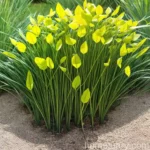
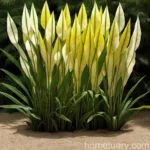
Acorus gramineus ‘Ogon’, commonly referred to as Golden Variegated Sweet Flag, is a herbaceous perennial plant that belongs to the Acoraceae family. This distinctive plant is native to Eastern Asia, including regions such as Japan, China, and Korea. The name “Ogon” translates to “gold” in Japanese, highlighting the plant’s most prominent feature – its stunning golden-yellow foliage.
The Golden Variegated Sweet Flag is known for its ornamental value, primarily due to its striking variegated leaves, which provide a bold contrast in various garden settings. The plant’s graceful, arching foliage adds a touch of elegance to water features, borders, and containers, making it a popular choice for landscaping enthusiasts.
Key Takeaways – Acorus gramineus ‘Ogon’ (Golden Variegated Sweet Flag)
Before delving into the specific care and maintenance requirements for Acorus gramineus ‘Ogon’, let’s summarize the plant’s key characteristics and uses:
-
Characteristics:
- Vibrant golden-yellow variegated foliage
- Herbaceous perennial with an elegant, arching growth habit
- Tolerant of wet conditions, making it suitable for water gardens
- Low-maintenance plant with year-round visual appeal
-
Uses:
- Ornamental plant for landscaping and garden borders
- Suitable for container gardening, adding color and texture to patio settings
- Ideal for enhancing water features and pond margins
- Versatile as a ground cover or accent plant in diverse garden designs
With these essential attributes in mind, let us explore the comprehensive care guidelines and cultural requirements for cultivating and maintaining Acorus gramineus ‘Ogon’ in various settings.
Culture
Cultivating Acorus gramineus ‘Ogon’ successfully involves understanding its specific cultural requirements, including water, sunlight, fertilizer, soil, and pruning needs. By providing the optimal growing conditions, gardeners can ensure that the plant thrives and continues to showcase its captivating golden foliage.
Water
Acorus gramineus ‘Ogon’ is well-suited to moist to wet soil conditions, making it an excellent choice for water gardens and areas prone to occasional flooding. When establishing this plant, it is crucial to ensure consistent soil moisture, particularly during the initial growth stages. However, it is essential to avoid waterlogging, as excessively soggy conditions can lead to root issues and decline in plant health.
Water Needs:
– Regular watering, especially during dry spells, to maintain moist soil
– Adequate drainage to prevent waterlogging
– Mulching to help retain soil moisture and reduce evaporation
Sunlight
The Golden Variegated Sweet Flag thrives in partial to full sun, displaying its most vibrant coloration when provided with ample sunlight. While it can tolerate partial shade, positioning the plant in a location that receives direct sunlight for a significant part of the day promotes the best leaf coloration and overall vigor.
Sunlight Preferences:
– Partial to full sun for optimal growth and color development
– Protection from intense midday sun in hot climates
– Accommodation of partial shade in regions with intense afternoon sunlight
Fertilizer
When it comes to fertilizing Acorus gramineus ‘Ogon’, a balanced approach is essential to support healthy growth and vibrant foliage. Incorporating organic matter into the soil at the time of planting and providing supplemental nutrients during the growing season can contribute to the plant’s overall vigor and visual appeal.
Fertilization Tips:
– Application of a slow-release balanced fertilizer in early spring
– Avoidance of excessive nitrogen, which can lead to overly lush foliage at the expense of color intensity
– Monitoring the plant’s response to fertilizer to adjust the feeding regimen as needed
Soil
The soil requirements for Acorus gramineus ‘Ogon’ center around moisture retention, drainage, and organic content. By creating an environment that promotes adequate moisture without waterlogging, gardeners can support the plant’s growth and enhance the longevity of its vibrant foliage.
Soil Preferences:
– Moist, well-drained soil with a rich organic component
– Incorporation of organic matter such as compost or peat moss at planting time
– Regular assessment of soil moisture levels to ensure a balanced environment for the plant
Pruning
Pruning Acorus gramineus ‘Ogon’ serves multiple purposes, including the removal of spent foliage, maintenance of plant size, and rejuvenation of the overall appearance. By adopting appropriate pruning practices, gardeners can manage the plant’s growth and ensure that it remains visually appealing throughout the growing season.
Pruning Guidelines:
– Removal of dead or yellowing foliage to maintain a tidy appearance
– Trimming back overgrown or straggly stems to promote a more compact growth habit
– Division of congested clumps every few years to rejuvenate the plant and prevent overcrowding
The cultural requirements outlined above lay the foundation for successfully cultivating Acorus gramineus ‘Ogon’ in a variety of garden settings. By understanding and implementing these guidelines, gardeners can establish and maintain thriving specimens of this captivating plant.
Propagation
The propagation of Acorus gramineus ‘Ogon’ allows gardening enthusiasts to expand their plant collection and share this striking species with fellow gardeners. While the plant can be propagated through division and seeds, division remains the most reliable and commonly practiced method for obtaining true-to-type plants.
Division
Dividing established clumps of Acorus gramineus ‘Ogon’ enables gardeners to create new plants while rejuvenating the parent specimen. This process involves carefully separating the rhizomes and ensuring that each division contains sufficient roots and foliage to support its growth.
Division Guidelines:
– Division of clumps in early spring before new growth emerges
– Use of a sharp, clean garden tool to carefully separate the rhizomes
– Planting the divisions in prepared soil and providing adequate moisture and care during the establishment phase
Seeds
While Acorus gramineus ‘Ogon’ can be propagated from seeds, this method is less commonly utilized due to the variability in seed-grown plants. However, for enthusiasts interested in experimenting with seed propagation, collecting and sowing the seeds in a controlled environment can yield new plants with diverse characteristics.
Seed Propagation Tips:
– Collection of ripe seeds from the plant in late summer or early fall
– Sowing the seeds in a well-draining seed-starting mix and maintaining consistent moisture
– Monitoring the seedlings’ growth and selecting promising individuals for further cultivation
By mastering the propagation techniques suited to Acorus gramineus ‘Ogon’, gardeners can multiply their plant stock and contribute to the presence of this captivating species in diverse garden settings.
Container Popularity
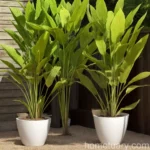
The Golden Variegated Sweet Flag’s versatility extends to its suitability for container gardening, where it excels as a bold and colorful accent plant. By pairing this plant with complementary companions and providing the right growing conditions, gardeners can create captivating container arrangements that enhance outdoor living spaces.
Container Selection
When choosing containers for Acorus gramineus ‘Ogon’, it is essential to prioritize adequate drainage and volume to support the plant’s growth and stability. Selecting containers that align with the plant’s soil and moisture preferences is crucial for maintaining optimal conditions in a contained environment.
Container Considerations:
– Use of large, sturdy containers with drainage holes
– Selection of containers that accommodate the plant’s mature size and root system
– Incorporation of high-quality potting mix with excellent drainage properties
Container Companions
Pairing Acorus gramineus ‘Ogon’ with suitable container companions can elevate the visual impact of the arrangement while providing a conducive environment for the plant’s growth. Combining contrasting foliage textures and colors can result in striking container displays that transition seamlessly through the seasons.
Complementary Plants:
– Incorporation of shade-tolerant flowering species for seasonal interest
– Interspersing foliage plants with varied heights and forms to create dynamic arrangements
– Balancing the composition with foliage colors that complement and enhance the Golden Variegated Sweet Flag’s vibrant yellow tones
By harnessing the plant’s container popularity, gardeners can explore creative possibilities for incorporating Acorus gramineus ‘Ogon’ into their outdoor spaces, whether it be on patios, balconies, or in garden beds.
Common Diseases
While Acorus gramineus ‘Ogon’ is generally resilient and low-maintenance, it can be susceptible to certain diseases and issues that warrant close attention. By familiarizing themselves with these common ailments, gardeners can take preventative measures and address any concerns proactively.
Disease Diagnosis
Diagnosing potential diseases affecting Acorus gramineus ‘Ogon’ involves close observation of the plant’s overall condition and specific symptoms exhibited. By recognizing the signs of common diseases, such as leaf spot or root rot, gardeners can implement appropriate treatments to mitigate the impact on the plant’s health.
Common Diseases:
– Leaf Spot: Characterized by the development of dark spots on the foliage, potentially caused by fungal pathogens
– Root Rot: Arises from excessively wet soil conditions, leading to decay of the plant’s root system and decline in overall vigor
– Rust: Manifests as orange to brown-colored pustules on the leaves, often linked to humid and stagnant conditions
With awareness and vigilance, gardeners can minimize the risk of these common diseases and preserve the health and vitality of their Acorus gramineus ‘Ogon’ specimens.
Common Pests
Acorus gramineus ‘Ogon’ is relatively resistant to pest infestations, yet certain pests may pose occasional challenges to its growth and appearance. By identifying and addressing these common pests, gardeners can safeguard their plants and sustain their ornamental value.
Pest Control
Implementing proactive pest control measures is instrumental in preventing infestations and minimizing the impact of common pests on Acorus gramineus ‘Ogon’. By opting for integrated pest management techniques and promoting a balanced garden ecosystem, gardeners can mitigate pest pressures effectively.
Common Pests:
– Aphids: Small, sap-feeding insects that can cluster on new growth and undersides of leaves, affecting the plant’s vigor
– Snails and Slugs: Nighttime feeders that may target the plant’s tender foliage, resulting in visible damage
– Spider Mites: Minute arachnids that can cause stippling and discoloration of the foliage, particularly in hot and dry conditions
Through vigilant monitoring and judicious intervention, gardeners can maintain a healthy balance and protect their Acorus gramineus ‘Ogon’ plants from common pests.
Botanist’s Tips
To further enhance the cultivation and appreciation of Acorus gramineus ‘Ogon’, botanists and plant enthusiasts can consider the following tips and insights for maximizing the plant’s ornamental value and environmental adaptability.
Fun Facts
- The species name “gramineus” reflects the grass-like appearance of Acorus gramineus, drawing attention to its slender and graceful foliage.
- Acorus gramineus ‘Ogon’ is not only prized for its ornamental qualities but also holds significance in traditional herbal medicine, where certain parts of the plant are utilized for their purported medicinal properties.
- The plant’s variegated foliage can serve as a visually striking backdrop for shorter flowering plants in mixed border arrangements, creating a dynamic interplay of colors and textures.
Botanist’s Insights
- Incorporating Acorus gramineus ‘Ogon’ in wetland restoration projects and riparian zone plantings can contribute to ecological conservation and habitat enhancement for wildlife.
- Selecting and cultivating Acorus gramineus ‘Ogon’ varieties with diverse foliage textures and colors can enrich garden designs and provide dynamic visual impact in diverse settings.
By embracing these botanist’s tips and fun facts, plant enthusiasts can deepen their appreciation for Acorus gramineus ‘Ogon’ and harness its potential in various horticultural and ecological contexts.
Links to External Resources
To further expand their knowledge of Acorus gramineus ‘Ogon’ and explore additional insights from reliable sources, enthusiasts can access the following external resources for comprehensive information and expert recommendations:
- Royal Horticultural Society – Acorus gramineus ‘Ogon’
- Missouri Botanical Garden – Acorus gramineus
- University of Florida IFAS Extension – Variegated Sweet Flag
These external resources provide valuable insights, care guidelines, and botanical information that can enrich the understanding and cultivation of Acorus gramineus ‘Ogon’, supporting enthusiasts in their journey to nurture and appreciate this captivating plant.
In conclusion, Acorus gramineus ‘Ogon’ stands out as a versatile and visually captivating species with diverse applications in landscaping, container gardening, and ecological restoration. By embracing the cultural requirements, propagation techniques, and botanical insights associated with this plant, enthusiasts can cultivate and enjoy its ornamental and functional attributes while contributing to the richness of garden settings and natural habitats.
References:
- Foottit, R.G. and Adler, P.H. (Eds.) (2009). Insect Biodiversity: Science and Society. John Wiley & Sons.
- Goss, M.J. (Ed.) (2015). Biotechnology and Plant Disease Management. CABI.
- Manandhar, N.P. (2002). Plants and People of Nepal. Timber Press.