Achillea Millefolium ‘Strawberry Seduction’ (Yarrow)
Achillea millefolium, commonly known as Yarrow, is a versatile and attractive perennial plant that is valued for its beauty, easy-care nature, and numerous.
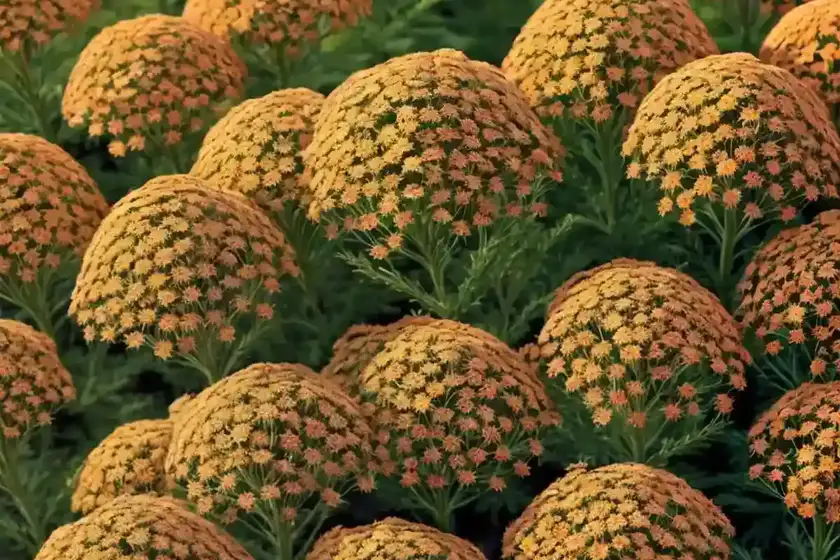
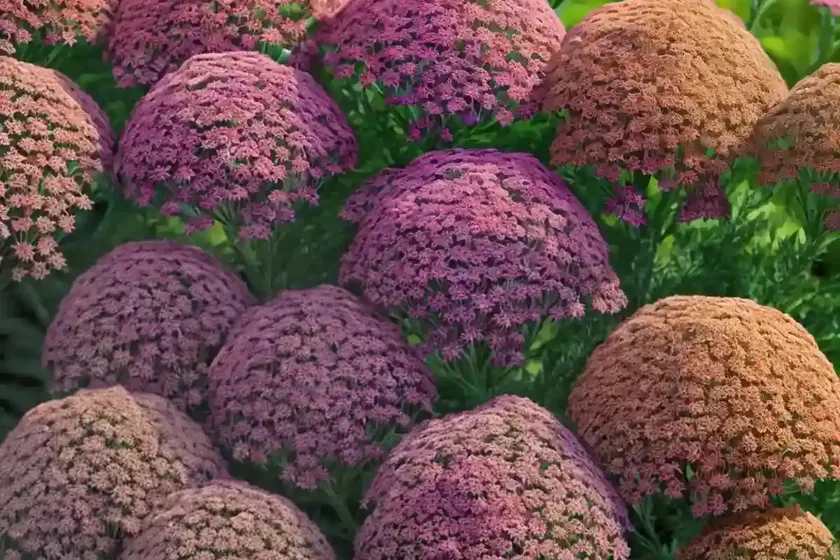
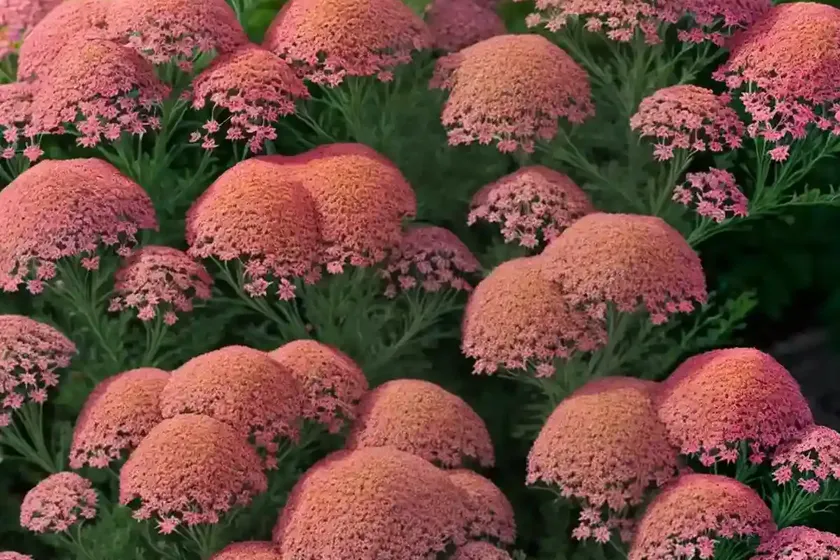
Achillea millefolium, commonly known as Yarrow, is a versatile and attractive perennial plant that is valued for its beauty, easy-care nature, and numerous practical uses. The ‘Strawberry Seduction’ cultivar, in particular, is prized for its vibrant red flowers and fine, fern-like foliage. In this comprehensive guide, we will explore the characteristics, cultivation, uses, and benefits of Achillea millefolium ‘Strawberry Seduction’. From planting tips to pest control and folklore, this article aims to provide in-depth insights into this remarkable plant.
What is Achillea millefolium ‘Strawberry Seduction’ (Yarrow)?
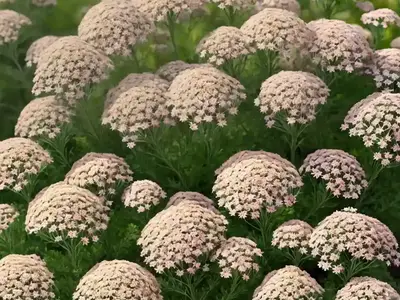
Achillea millefolium ‘Strawberry Seduction’, a cultivar of the Achillea millefolium species, is a herbaceous perennial known for its feathery foliage and flat clusters of flowers in shades of red. This cultivar is prized for its compact growth habit and long-lasting blooms, making it a popular choice for gardens, landscapes, and floral arrangements.
Achillea millefolium ‘Strawberry Seduction’ Characteristics
The ‘Strawberry Seduction’ cultivar shares several characteristics with the Achillea millefolium species:
- Foliage: The plant features aromatic, finely divided, fern-like leaves that give it a delicate and lacy appearance.
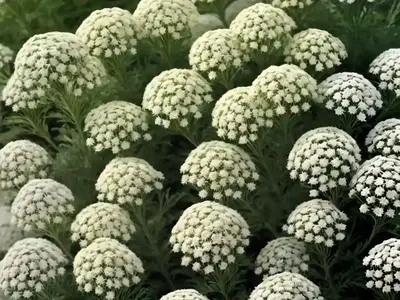
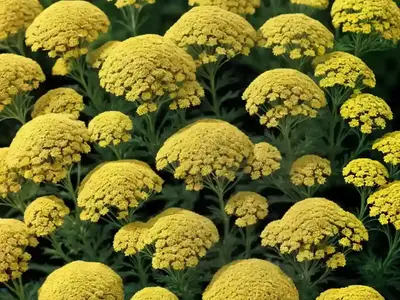
- Flowers: The flowers are small, tightly packed, and form flat clusters (umbels) that can measure up to 4 inches across. ‘Strawberry Seduction’ is distinct for its vibrant red flowerheads.
- Height: Typically, ‘Strawberry Seduction’ grows to a height of 18-24 inches, with a spread of 24-36 inches.
- Hardiness: It is known for its adaptability and is suitable for growing in USDA hardiness zones 4-9.
- Growth Habit: The plant has a compact, clump-forming growth habit, making it ideal for borders, rock gardens, and containers.
Key Takeaways
Culture
- USDA Hardiness Zones: 4-9
- Plant Type: Perennial
- Mature Size: 18-24 inches tall, 24-36 inches wide
- Bloom Time: Late spring to early summer
- Bloom Color: Red
- Preferred Soil pH: Neutral to slightly alkaline (pH 6.0-7.5)
Uses
- Landscape: Borders, rock gardens, pollinator gardens
- Cut Flower: Long-lasting cut flower with vibrant color
- Medicinal: Traditional herbal remedy for various ailments
- Aromatherapy: Utilized in essential oil production
Water
- Watering Needs: Low to moderate water requirements
- Drought Tolerance: Excellent drought tolerance once established
- Irrigation: Allow soil to dry between waterings
Sunlight
- Light Requirements: Full sun to part shade
- Optimal Sun Exposure: At least 6 hours of direct sunlight per day
- Shade Tolerance: Tolerant of light shade, especially in hot climates
Fertilizer
- Fertilization: Minimal fertilization requirements
- Soil Enrichment: Incorporate organic matter during planting
- Top Dressing: Application of balanced fertilizer in spring if needed
Soil
- Soil Type: Well-draining, moderately fertile soil
- Soil Texture: Tolerant of sandy to loamy soil
- Soil Amendments: Incorporate compost or well-rotted manure for improved fertility
Pruning
- Maintenance: Low-maintenance plant
- Deadheading: Regular removal of spent flowers to promote continuous blooming
- Spring Cleanup: Trim back old foliage in early spring
Propagation
- Propagation Methods: Division, seed sowing
- Division: Divide clumps in early spring or fall
- Seed Sowing: Direct sow seeds in fall or early spring
Container
- Container Size: Suitable for medium to large containers
- Drainage: Ensure proper drainage in containers
- Overwintering: Provide winter protection for containers in colder zones
Popularity
- Garden Use: Commonly used in perennial borders and mixed plantings
- Commercial Availability: Widely available at nurseries and garden centers
- Landscaping: Valued for its attractiveness to pollinators
The key takeaways provide a comprehensive overview of the plant’s cultivation requirements, uses, and practical considerations for gardeners and horticulturists.
Cultural Requirements
Soil and Planting Tips
Achillea millefolium ‘Strawberry Seduction’ thrives in well-drained soil with moderate fertility. When planting, it is essential to prepare the soil to provide an optimal growing environment for the plant’s establishment and long-term health. Here are some planting tips:
- Soil Preparation: Amend the soil with organic matter, such as compost or well-rotted manure, to improve its structure and fertility.
- Planting Depth: Set the plants at the same depth as they were in the nursery containers, ensuring the crown is level with the soil surface.
- Spacing: Space the plants 18-24 inches apart to allow for adequate air circulation and future growth.
Watering and Irrigation
Achillea millefolium ‘Strawberry Seduction’ exhibits excellent drought tolerance once established. However, consistent moisture is essential during the initial establishment period. Proper watering practices include:
- Established Plants: Once established, the plant generally requires minimal watering, except during prolonged dry spells.
- Irrigation Frequency: Water deeply but infrequently, allowing the soil to dry slightly between waterings.
- Avoid Overwatering: Ensure the soil has good drainage to prevent waterlogged conditions, which can be detrimental to the plant’s health.
Sunlight Requirements
Yarrow plants, including the ‘Strawberry Seduction’ cultivar, perform best in full sun but can tolerate light shade, particularly in hot climates. Here are some considerations regarding sunlight requirements:
- Full Sun: Provide at least 6 hours of direct sunlight daily for optimal growth and blooming.
- Light Shade: While tolerant of light shade, the plant’s flowering may be reduced in shadier conditions.
- Southern Exposure: In warmer regions, providing some afternoon shade can help prevent stress from intense heat.
Fertilizer and Feeding
Achillea millefolium ‘Strawberry Seduction’ generally has minimal fertilizer requirements. However, providing some nutrients during the growing season can support healthy growth and prolific flowering. Consider the following when fertilizing the plant:
- Balanced Fertilizer: Apply a balanced, all-purpose fertilizer in spring if the soil is deficient in nutrients or if the plant shows signs of slow growth.
- Organic Amendments: Incorporate organic matter, such as compost, into the soil during planting to provide a steady source of nutrients.
- Avoid Excessive Nitrogen: Limit the use of high-nitrogen fertilizers, as they can promote excessive foliage growth at the expense of blooming.
Cultural requirements play a critical role in the successful cultivation of Achillea millefolium ‘Strawberry Seduction’, ensuring that the plant thrives and fulfills its aesthetic and ecological potential.
Pests and Diseases
Common Diseases
While generally resilient, Yarrow plants, including the ‘Strawberry Seduction’ cultivar, can occasionally suffer from fungal diseases and other health issues. Recognizing and addressing common diseases is essential for maintaining the plant’s vigor and appearance. Some prevalent diseases include:
- Powdery Mildew: A fungal disease that presents as a white powdery coating on the leaves, often caused by high humidity and poor air circulation.
- Root Rot: Excessive moisture and poor drainage can lead to root rot, causing the plant’s roots to decay and resulting in wilting and decline.
- Rust: This fungal disease manifests as orange, reddish, or rusty-colored spots on the plant’s leaves and stems, leading to yellowing and premature leaf drop.
Disease Diagnosis
Diagnosing and treating plant diseases early can prevent extensive damage and aid in the plant’s recovery. When observing symptoms of disease, consider the following diagnostic and management approaches:
- Inspecting Foliage: Regularly inspect the plant for any abnormalities, such as discolored or distorted leaves, fungal growth, or unusual spots.
- Cultural Practices: Maintain good cultural practices, including proper watering, adequate spacing, and soil management, to minimize disease susceptibility.
- Fungicidal Treatments: If necessary, apply appropriate fungicides following label instructions to control fungal diseases and prevent their spread.
Common Pests
In addition to diseases, Yarrow plants may attract certain pests that can affect their overall health and appearance. Understanding common pests and their management is essential for preserving the plant’s vitality. Some notable pests include:
- Aphids: Small, soft-bodied insects that feed on the plant’s sap, causing distortion of new growth and the potential for the transmission of viral diseases.
- Spider Mites: These tiny arachnids can infest the plant, causing stippled or bronzed leaves and fine webbing on the foliage.
- Leafhoppers: These small, wedge-shaped insects can cause stippling, discoloration, and distortion of leaves through their feeding activities.
Pest Control
Implementing integrated pest management (IPM) strategies can help mitigate pest issues while minimizing the use of chemical controls. Here are some effective pest control measures for Yarrow plants:
- Natural Predators: Encourage beneficial insects, such as ladybugs and lacewings, which prey on aphids and other pest species.
- Horticultural Oils: Use horticultural oils to manage certain pests, such as spider mites, by suffocating them and disrupting their life cycles.
- Physical Removal: If pest populations are limited, physically removing them from the plant by spraying with a strong stream of water can be effective.
Understanding the common diseases and pests that affect Achillea millefolium ‘Strawberry Seduction’ enables gardeners and horticulturists to implement proactive measures to maintain the plant’s health and vitality.
Botanist’s Tips
Enhancing Pollinator Gardens
Achillea millefolium ‘Strawberry Seduction’ is an excellent choice for pollinator gardens, attracting bees, butterflies, and other beneficial insects with its nectar-rich flowers. To enhance its role in supporting pollinators, consider the following botanist’s tips:
- Companion Planting: Pair Yarrow with other nectar-rich plants, such as Echinacea, Salvia, and Lavandula, to create a diverse and attractive pollinator habitat.
- Successional Blooms: Select companion plants that provide blooms at different times to ensure a continuous nectar and pollen source for pollinators throughout the growing season.
Medicinal and Therapeutic Uses
Beyond its ornamental value, Yarrow has a long history of traditional medicinal and therapeutic uses. Leveraging its beneficial properties can expand the plant’s practical significance. Consider the following tips for utilizing Yarrow:
- Harvesting: Harvest the leaves and flowerheads for drying and use in herbal preparations, such as teas, tinctures, and salves.
- Medicinal Properties: Explore the plant’s astringent, anti-inflammatory, and styptic properties to address various health concerns and promote overall well-being.
Folklore and Symbolism
Yarrow has been surrounded by folklore and symbolism across different cultures and traditions. Embracing its cultural significance can enrich the plant’s narrative and appeal. Delve into the plant’s folklore with the following tips:
- Historical Significance: Research and share the plant’s rich history and significance in traditional remedies, myths, and legends.
- Symbolism: Explore the symbolic meanings associated with Yarrow in literature, art, and folklore, adding depth to its portrayal in garden settings and beyond.
Fun Facts
Achillea millefolium ‘Strawberry Seduction’ has several intriguing and noteworthy attributes that contribute to its allure and appeal in various settings. Consider these fun facts about the plant:
- Etymology: The genus name, Achillea, is a reference to Achilles, the Greek hero, who is said to have used Yarrow to treat wounds during the Trojan War.
- Culinary Use: Yarrow has historically been used as a flavoring agent in alcoholic beverages and as a component of herbal beers.
- Historical Significance: Yarrow has been used for centuries in traditional medicine, folklore, and spiritual practices, attesting to its enduring cultural relevance.
Links to External Resources
For further exploration and comprehensive information on Achillea millefolium ‘Strawberry Seduction’, consider the following external resources:
- Royal Horticultural Society: The Royal Horticultural Society offers valuable insights into the cultivation and care of Yarrow, including the ‘Strawberry Seduction’ cultivar.
- Missouri Botanical Garden: The Missouri Botanical Garden provides a detailed plant profile and growing information for Achillea millefolium ‘Strawberry Seduction’.
- University of Vermont Extension Department of Plant and Soil Science: The University of Vermont Extension offers a comprehensive factsheet on Yarrow cultivation, highlighting its ornamental and ecological attributes.
Conclusion
Achillea millefolium ‘Strawberry Seduction’ is a captivating plant that transcends mere ornamentation, offering practical and ecological benefits along with its aesthetic charm. This comprehensive guide has provided a thorough understanding of the plant’s characteristics, cultivation requirements, uses, and broader significance. Whether incorporated into perennial beds, naturalistic landscapes, or pollinator gardens, ‘Strawberry Seduction’ Yarrow stands as a compelling choice for gardeners seeking beauty, functionality, and cultural depth in their plant selections.
By embracing the diverse aspects of Achillea millefolium ‘Strawberry Seduction’, from its ecological interactions to its historical resonance, horticulturists can deepen their appreciation for this remarkable plant while supporting its enduring presence in garden landscapes and beyond.
Keywords: Achillea millefolium ‘Strawberry Seduction’ characteristics, Growing Yarrow – Achillea millefolium ‘Strawberry Seduction’, Strawberry Seduction Yarrow plant care, Achillea millefolium ‘Strawberry Seduction’ planting tips, Yarrow plant variety – Achillea millefolium ‘Strawberry Seduction’, Yarrow plant uses and benefits, Achillea millefolium ‘Strawberry Seduction’ for landscaping, How to propagate Achillea millefolium ‘Strawberry Seduction’, Yarrow plant diseases and pest control, Achillea millefolium ‘Strawberry Seduction’ pruning guide, Best soil for Achillea millefolium ‘Strawberry Seduction’ growth, Yarrow plant companions and companion planting, Achillea millefolium ‘Strawberry Seduction’ for pollinators, Yarrow medicinal uses and properties, Achillea millefolium ‘Strawberry Seduction’ in herbal medicine, Yarrow plant folklore and symbolism, Achillea millefolium ‘Strawberry Seduction’ in traditional remedies, Yarrow plant varieties for different climates, Achillea millefolium ‘Strawberry Seduction’ maintenance tips, Yarrow plant water requirements and irrigation, Achillea millefolium ‘Strawberry Seduction’ in dry garden designs, Yarrow plant companion flowers and plants, Achillea millefolium ‘Strawberry Seduction’ uses in floral arrangements, Yarrow propagation methods – Achillea millefolium ‘Strawberry Seduction’, Achillea millefolium ‘Strawberry Seduction’ as a cut flower, Yarrow plant color variations and cultivars, Achillea millefolium ‘Strawberry Seduction’ sun and shade preferences, Yarrow plant attracting butterflies and bees, Achillea millefolium ‘Strawberry Seduction’ soil pH requirements, Yarrow plant landscape design ideas, Achillea millefolium ‘Strawberry Seduction’ for erosion control, Yarrow plant container gardening tips, Achillea millefolium ‘Strawberry Seduction’ wildlife habitat benefits, Yarrow plant culinary uses and recipes, Achillea millefolium ‘Strawberry Seduction’ unique features, Yarrow plant drought-tolerant characteristics, Achillea millefolium ‘Strawberry Seduction’ in traditional teas, Yarrow plant edging and border ideas, Achillea millefolium ‘Strawberry Seduction’ long-lasting blooms, Yarrow plant attracting beneficial insects, Achillea millefolium ‘Strawberry Seduction’ fall care tips, Yarrow plant foliage texture and color, Achillea millefolium ‘Strawberry Seduction’ grooming techniques, Yarrow plant deer-resistant qualities, Achillea millefolium ‘Strawberry Seduction’ for xeriscaping, Yarrow plant height and spread dimensions, Achillea millefolium ‘Strawberry Seduction’ hardiness zones, Yarrow plant winter protection measures, Achillea millefolium ‘Strawberry Seduction’ potential companion herbs, Yarrow plant therapeutic uses and aromatherapy