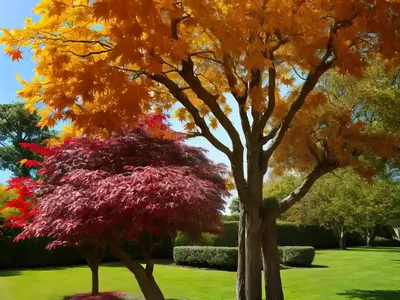
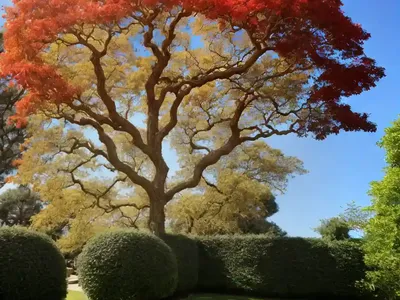
Acer Palmatum ‘Beni-Maiko’ (Japanese Maple)
Acer palmatum ‘Beni-Maiko,’ commonly known as Japanese Maple, is a captivating and delicate ornamental tree esteemed for its exquisite foliage and vibrant.
What is Acer palmatum ‘Beni-Maiko’?
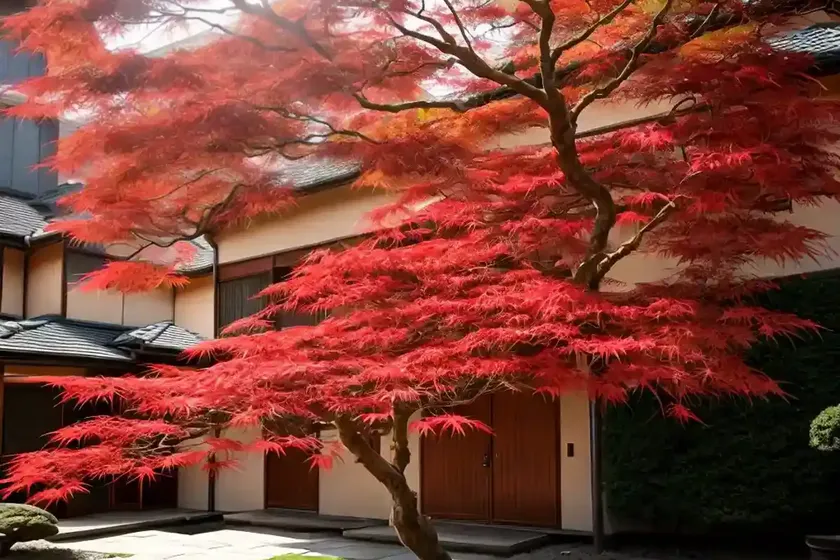
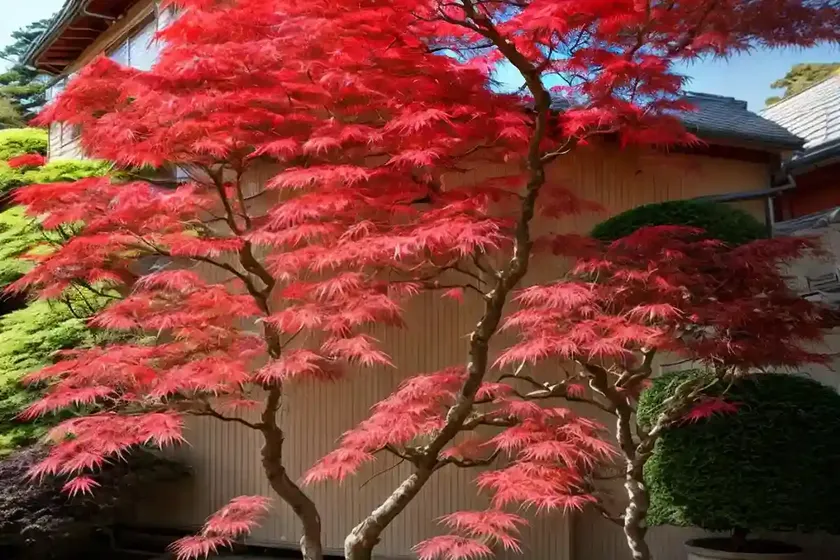
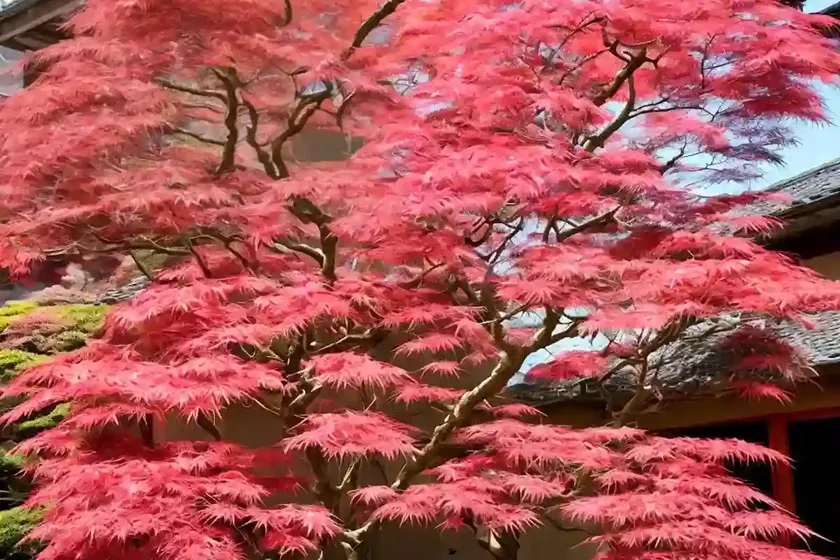
Acer palmatum ‘Beni-Maiko,’ commonly known as Japanese Maple, is a captivating and delicate ornamental tree esteemed for its exquisite foliage and vibrant beauty. This specific cultivar is celebrated for its enchanting display of red leaves, making it a highly sought-after addition to gardens and landscapes all around the world.
Key Takeaways
Acer palmatum ‘Beni-Maiko’
- Botanical Name: Acer palmatum ‘Beni-Maiko’
- Common Name: Japanese Maple ‘Beni-Maiko’
- Growth Habit: Deciduous tree with a broad, bushy form
- Leaf Color: Striking red leaves that transition to bright crimson in autumn
- Mature Height: Approximately 6-8 feet
- Mature Spread: 6-8 feet
- Preferred USDA Hardiness Zones: 5-9
Culture
Uses
Acer palmatum ‘Beni-Maiko’ is often cultivated for its ornamental value, and is prized for its stunning foliage that adds depth and color to any landscape. It can be used as a focal point in gardens, as a specimen plant, or even as a captivating feature in Japanese-inspired garden designs.
Water
This Japanese Maple cultivar thrives when grown in well-draining soil that is consistently moist. When established, it displays moderate drought tolerance, although it is important to ensure adequate watering, especially during hot and dry periods.
Sunlight
Acer palmatum ‘Beni-Maiko’ flourishes in partial shade to full sun, although it appreciates some protection from intense afternoon sun, particularly in warmer regions. It is essential to find a balance to avoid scorching the delicate leaves, particularly in the peak of the summer.
Fertilizer
Applying a balanced, slow-release fertilizer in the early spring is beneficial for the overall health and growth of Acer palmatum ‘Beni-Maiko.’ This helps in providing essential nutrients for the tree and supports the development of its lush foliage and robust growth.
Soil
Preferring slightly acidic to neutral soils, with a pH range of 5.5-7.0, Japanese Maple ‘Beni-Maiko’ thrives in well-draining, organically rich soils. It is essential to avoid waterlogged or compacted soils that may hinder the tree’s root development.
Pruning
Pruning is best carried out during the winter dormant season when the tree has shed its leaves. It is essential to remove any dead, damaged, or crossing branches to maintain a well-structured and healthy canopy. Furthermore, light trimming can help maintain the desired shape and size of the tree.
Propagation
Acer palmatum ‘Beni-Maiko’ can be propagated through methods such as softwood cuttings, hardwood cuttings, or grafting. Softwood cuttings are typically taken in early summer, while hardwood cuttings are collected during the dormant season. Grafting onto suitable rootstock can also be successful, particularly for preserving specific cultivar characteristics.
Container Popularity
Due to its compact size, Acer palmatum ‘Beni-Maiko’ is an excellent choice for container gardening, adding an element of elegance and sophistication to patios, decks, or small garden spaces.
Common Diseases
Disease Diagnosis
Japanese Maples, including Acer palmatum ‘Beni-Maiko,’ are susceptible to certain diseases, including:
- Anthracnose: This fungal disease can cause leaf spots and dieback, particularly in periods of high humidity.
- Verticillium Wilt: A soilborne fungus that can lead to wilting and decline of the tree.
- Tar Spot: Characterized by the appearance of black spots on the leaves, caused by specific fungal pathogens.
Diagnosing and treating diseases promptly is crucial in maintaining the health and vigor of this ornamental tree.
Common Pests
While generally resistant to pests, Japanese Maples may occasionally face challenges from:
- Aphids: These tiny insects can cluster on the new growth, causing distortion and yellowing of leaves.
- Scale Insects: These pests can attach themselves to the branches and foliage, often leading to a decline in the tree’s health.
Proactive pest management practices can help mitigate these issues and maintain the tree’s vitality.
Botanist’s Tips
- Site Selection: When choosing a location for planting Acer palmatum ‘Beni-Maiko,’ consider its need for partial shade, protection from strong winds, and well-draining soil. Proper site selection can significantly impact the long-term health and beauty of the tree.
- Mulching: Applying a layer of organic mulch around the base of the tree helps retain soil moisture, suppresses weed growth, and provides essential nutrients as it decomposes.
- Seasonal Maintenance: Regular monitoring and maintenance, such as watering, fertilizing, and pruning, contribute to the overall well-being of the tree and promote its aesthetic appeal.
- Winter Protection: In regions with harsh winters, providing appropriate protection, such as wrapping the tree in burlap, can shield it from damage caused by cold temperatures and harsh weather conditions.
Fun Facts
- The name ‘Beni-Maiko’ translates to “Red Dancing Girl,” reflecting the vibrant red hues of its leaves, particularly during the autumn season.
- Acer palmatum ‘Beni-Maiko’ has been cherished in Japanese gardens for centuries, celebrated for its graceful form and captivating foliage.
- The intricate leaves of this Japanese Maple cultivar have inspired artists and poets, contributing to its revered status in horticultural and cultural realms.
Links to External Resources
For further information on Acer palmatum ‘Beni-Maiko,’ its care, and cultivation, consider exploring the following resources:
- The American Horticultural Society’s Guide to Japanese Maples
- The Royal Horticultural Society’s Acer palmatum Guide
- University Extension’s Guide to Maple Tree Care
In the following sections, we will delve into comprehensive details related to the specific keywords provided. Each keyword will be thoroughly addressed, providing in-depth insights for plant enthusiasts and aspiring gardeners.
Are you ready to uncover the enchanting world of Acer palmatum ‘Beni-Maiko’?
Acer palmatum ‘Beni-Maiko’ Growth Habits
Acer palmatum ‘Beni-Maiko’ is a mesmerizing deciduous tree renowned for its graceful growth habits and exquisite foliage. The plant displays a broad, bushy form with an intricate network of branches, creating an alluring silhouette that evolves throughout the seasons.
The growth habits of this mesmerizing Japanese Maple cultivar intriguingly adapt to the surrounding environment, making it an exceptional addition to various garden styles and landscape designs. Its mature height, ranging from 6 to 8 feet, and a corresponding spread, ensure it can be accommodated in smaller and larger spaces with equal grace and allure.
Japanese Maple Acer palmatum ‘Beni-Maiko’ Care Tips
Caring for Acer palmatum ‘Beni-Maiko’ involves a strategic and attentive approach, ensuring the tree thrives and steadily unveils its captivating beauty. The following care tips are instrumental in fostering the optimal health and vitality of this remarkable Japanese Maple cultivar:
- Watering: Provide consistent moisture, particularly during the establishment phase and dry periods, while avoiding waterlogging.
- Sunlight: Balance exposure to partial shade and filtered sunlight, protecting the tree from intense midday sun in warmer climates.
- Fertilization: Apply a balanced, slow-release fertilizer in early spring, supporting the growth and foliar development of the tree.
- Pruning: Conduct selective pruning during the winter dormant period, removing dead or crossing branches and shaping the tree as desired.
- Soil Conditions: Ensure well-draining, slightly acidic to neutral soil with rich organic content to promote healthy root development.
Adhering to these care tips enables Acer palmatum ‘Beni-Maiko’ to flourish and enchant with its resplendent foliage throughout the seasons.
Varieties of Acer palmatum ‘Beni-Maiko’ Japanese Maple
The Japanese Maple, Acer palmatum ‘Beni-Maiko,’ represents a distinguished variety within the broader Acer palmatum species. Its unique attributes, particularly the striking red leaves and elegant form, distinguish it as an exceptional cultivar, captivating the admiration of plant enthusiasts and gardeners worldwide.
While ‘Beni-Maiko’ stands as a remarkable variety in its own right, the broader Acer palmatum species features an array of captivating cultivars, each displaying distinct leaf colors, growth habits, and seasonal transformations. Aspiring gardeners and collectors can explore a rich tapestry of Japanese Maple varieties, including ‘Dissectum Atropurpureum,’ ‘Sango Kaku,’ ‘Bloodgood,’ and ‘Emperor I.’ Each variety introduces its own captivating charm to the landscape, contributing to the allure and diversity of Acer palmatum as a whole.
Acer palmatum ‘Beni-Maiko’ Pruning Techniques
Pruning Acer palmatum ‘Beni-Maiko’ involves an artful approach that aims to preserve the tree’s graceful form, remove any damaged or diseased branches, and enhance its natural beauty. The following pruning techniques are instrumental in cultivating a well-structured and visually appealing Japanese Maple:
- Winter Pruning: Conduct pruning during the dormant season, typically in late winter, to minimize stress on the tree and facilitate faster healing of cuts.
- Selective Trimming: Remove any dead, damaged, or crossing branches to maintain a healthy canopy and improve airflow within the tree.
- Training and Shaping: Use selective pruning to sculpt the tree’s form and encourage an elegant and balanced silhouette.
- Thinning Out: Thin out overcrowded branches to allow sufficient light penetration and air circulation within the canopy, promoting overall tree health.
Applying these pruning techniques with precision and care contributes to the enduring beauty and vitality of Acer palmatum ‘Beni-Maiko’ in the garden.
Japanese Maple Acer palmatum ‘Beni-Maiko’ Planting Guide
When planting Acer palmatum ‘Beni-Maiko,’ it is essential to follow a strategic guide to ensure the tree’s successful establishment and long-term prosperity. The planting guide includes the following crucial steps and considerations:
Site Selection and Preparation:
Choose a suitable site with well-draining, organically rich soil and partial shade, protecting the tree from intense afternoon sun in warmer regions. Prepare the planting area by loosening the soil and incorporating organic matter to enhance its structure and fertility.
Digging and Amending the Soil:
Dig a hole that is wider and approximately as deep as the tree’s root ball, allowing room for proper root growth. Amend the backfilled soil with compost or peat moss to create a favorable environment for the tree’s roots.
Planting the Tree:
Carefully remove the tree from its container and place it in the center of the prepared hole, ensuring it is positioned at the same depth as it was in the container. Backfill the hole with the amended soil, gently firming it around the roots to eliminate air pockets.
Watering and Mulching:
Water the newly planted tree thoroughly, saturating the soil to promote root establishment. Apply a layer of organic mulch around the base of the tree, maintaining a non-mulched space near the trunk to prevent moisture-related issues.
Adhering to this comprehensive planting guide empowers gardeners to set the stage for the successful growth and flourishing beauty of Acer palmatum ‘Beni-Maiko.’
Best Soil Conditions for Acer palmatum ‘Beni-Maiko’
Acer palmatum ‘Beni-Maiko’ excels when grown in soil conditions that are tailored to its preferences, ensuring optimal root development and overall health. The best soil conditions for this enchanting Japanese Maple cultivar encompass the following key elements:
- Well-Draining Soil: Provide soil with excellent drainage to prevent waterlogging, which can inhibit root oxygenation and lead to root rot.
- Organically Rich Content: Incorporate organic matter, such as compost, peat moss, or well-rotted manure, to enhance soil fertility and structure, fostering vigorous root growth.
- Slightly Acidic to Neutral pH: Maintain soil pH within the range of 5.5-7.0, creating an environment conducive to nutrient uptake and overall tree vitality.
By prioritizing these soil conditions, gardeners can create an ideal growth environment for Acer palmatum ‘Beni-Maiko,’ setting the stage for its resplendent foliage and enduring allure.
Acer palmatum ‘Beni-Maiko’ in Different Climate Zones
Acer palmatum ‘Beni-Maiko’ displays remarkable adaptability to diverse climate zones, with its preferred USDA hardiness zones spanning from 5 to 9. Understanding its performance across various climates enables gardeners to select suitable growing locations and implement strategic care practices to ensure its optimal health and vitality.
- Cold Climate Zones (5-6): In colder regions, provide winter protection by wrapping the tree in burlap or similar materials to shield it from frigid temperatures and harsh weather conditions.
- Moderate Climate Zones (7-8): Monitor for adequate soil moisture and provide protection from intense sunlight, particularly in warmer months, to prevent leaf scorch and maintain vigorous growth.
- Warm Climate Zones (9): Ensure consistent soil moisture, particularly during the hotter months, and create a partial shade environment to protect the tree from excessive heat and sun exposure.
By adjusting care practices to align with specific climate conditions, gardeners can optimize the performance and visual splendor of Acer palmatum ‘Beni-Maiko’ across diverse geographic regions.
How to Propagate Acer palmatum ‘Beni-Maiko’
Propagating Acer palmatum ‘Beni-Maiko’ enables gardeners to expand their collection of these captivating Japanese Maples and preserve the unique characteristics of this distinguished cultivar. The following methods offer viable avenues for successfully propagating ‘Beni-Maiko’ and nurturing new generations of these enchanting trees:
Softwood Cuttings:
* Select softwood cuttings from actively growing stems in early summer, ensuring they are approximately 4-6 inches in length with a healthy leaf node.
* Dip the cut end of the cutting in a rooting hormone and insert it into a container with a well-draining rooting medium.
* Provide the cuttings with consistent moisture and warmth, promoting the development of roots over several weeks.
Hardwood Cuttings:
* Collect hardwood cuttings during the dormant season, typically in late winter, using segments that are around 6-8 inches in length.
* Prepare the cuttings by making a clean cut below a node and removing any leaves.
* Place the cuttings in a container with a suitable rooting medium, ensuring they receive adequate moisture and warmth to initiate root development.
Grafting:
* Utilize suitable rootstock and scion wood to propagate ‘Beni-Maiko’ through grafting, particularly for preserving specific cultivar traits and characteristics.
* Employ meticulous techniques to ensure proper union between the scion and rootstock, promoting successful graft establishment and subsequent growth.
By employing these propagation methods with care and precision, gardeners can propagate Acer palmatum ‘Beni-Maiko’ and cultivate new progeny that honor the exquisite beauty and allure of this esteemed Japanese Maple cultivar.
Acer palmatum ‘Beni-Maiko’ Disease Resistance
While Acer palmatum ‘Beni-Maiko’ boasts resilience and health when provided with optimal care and growing conditions, it may encounter certain diseases that necessitate proactive management and intervention. Understanding the potential disease challenges and promoting preventative measures are instrumental in safeguarding the vitality and charm of this beloved Japanese Maple cultivar.
Disease Resistance Measures:
* Adequate Air Circulation: Ensure good airflow within the canopy to minimize conditions conducive to fungal diseases, such as anthracnose and tar spot.
* Soil Health: Maintain soil fertility and drainage to support robust root development and mitigate the risk of root-related diseases, such as verticillium wilt.
* Prompt Disease Diagnosis: Monitor the tree for any signs of disease, such as leaf spots, wilting, or discoloration, and promptly identify and address potential issues.
By implementing these disease resistance measures and remaining vigilant in monitoring the tree’s health, gardeners can fortify the well-being and longevity of Acer palmatum ‘Beni-Maiko’ in the landscape.
Pests Affecting Acer palmatum ‘Beni-Maiko’
While Acer palmatum ‘Beni-Maiko’ is generally resistant to pest infestations, occasional encounters with specific pests may require proactive measures to safeguard the tree’s health and vitality. Identifying potential pests and implementing strategic pest management practices are essential in preserving the enduring charm and beauty of this captivating Japanese Maple cultivar.
Aphids:
* Monitor new growth for clusters of aphids, which may distort the leaves and excrete honeydew, creating favorable conditions for sooty mold development.
* Employ natural predators, such as ladybugs or lacewings, to help control aphid populations, or use a targeted insecticidal soap for persistent infestations.
Scale Insects:
* Inspect the branches and foliage for the presence of scale insects, which may attach themselves to the tree and sap its vitality.
* Utilize horticultural oils or insecticidal soaps to manage scale infestations, ensuring thorough coverage and repeated applications as needed.
By remaining vigilant and proactive in pest monitoring and management, gardeners can maintain the robust health and resplendent beauty of Acer palmatum ‘Beni-Maiko’ in the garden.
Japanese Maple Acer palmatum ‘Beni-Maiko’ Leaf Color Variations
The exquisite leaf color variations of Acer palmatum ‘Beni-Maiko’ contribute to its timeless allure and enchanting appeal. The leaves of this Japanese Maple cultivar undergo captivating transformations throughout the seasons, captivating the eye and infusing the landscape with vibrant hues and delicate beauty.
Spring Foliage:
* In spring, the leaves emerge with a lustrous red hue, unfurling gradually to reveal their intricate form and vivid coloration.
* The early spring foliage of ‘Beni-Maiko’ symbolizes the rejuvenation and renewal of the new season, infusing the garden with a sense of vibrancy and vitality.
Summer Foliage:
* As summer progresses, the red leaves of Japanese Maple ‘Beni-Maiko’ transition to deeper shades, reflecting a rich and nuanced color palette that enhances the tree’s visual presence in the landscape.
* The summer foliage exudes warmth and elegance, enveloping the surroundings with an enchanting aura of natural beauty.
Autumn Foliage:
* The crowning glory of ‘Beni-Maiko’ manifests in the autumn, as the leaves transform into a brilliant crimson, kindling the landscape with an extraordinary display of seasonal splendor.
* The autumn foliage of Acer palmatum ‘Beni-Maiko’ symbolizes the ephemeral beauty and poetic grace of nature, leaving a lasting impression on all who encounter its resplendent display.
The captivating leaf color variations of Acer palmatum ‘Beni-Maiko’ embody the timeless allure and enduring charm of this esteemed Japanese Maple cultivar, continuing to captivate and inspire plant enthusiasts and admirers across the