Acer ginnala (Amur Maple): A Complete Guide for Cultivation and Care
Acer ginnala, commonly known as Amur Maple, is a deciduous shrub or small tree that belongs to the Aceraceae family. This plant is native to eastern Asia, particularly in regions such as Siberia, Manchuria, Mongolia, and northern China. It is a versatile and attractive plant that offers various ornamental features and landscaping benefits. In this comprehensive guide, we will delve into the characteristics, cultivation, care, and uses of Acer ginnala, providing valuable insights for plant enthusiasts, gardeners, and landscaping professionals.
What is Acer ginnala (Amur Maple)?
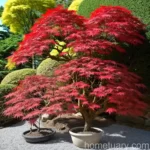
Acer ginnala, or the Amur Maple, is a species of maple that is renowned for its stunning autumn foliage, compact growth habit, and adaptability to diverse growing conditions. This plant typically reaches a height of 15-20 feet and spreads 15-18 feet, presenting a rounded to oval shape. It features trifoliate, glossy green leaves that turn vibrant shades of red, orange, and yellow in the fall, creating a breathtaking display of seasonal colors.
The Amur Maple produces small, inconspicuous yellowish-white flowers in spring, followed by winged samaras that ripen in late summer to early fall. These samaras, also known as maple keys or helicopter seeds, add an aesthetic appeal to the plant and are a valuable food source for wildlife.
Key Characteristics of Acer ginnala (Amur Maple)
When exploring the distinct features of Acer ginnala, the following characteristics stand out:
– Compact growth habit
– Ornamental foliage with vibrant autumn colors
– Small, inconspicuous flowers and winged samaras
– Tolerance to a wide range of soil and environmental conditions
– Attractive to wildlife and pollinators
Now, let’s delve deeper into the various aspects of cultivating and caring for the Amur Maple to ensure optimal growth and performance.
Culture
Uses
Acer ginnala holds several practical and aesthetic uses, including:
– Ornamental tree in landscapes, gardens, and parks
– Hedge planting for borders and property delineation
– Wildlife-friendly plant to attract birds and pollinators
– Erosion control on slopes and embankments
Water
Amur Maples generally prefer well-drained soils and do not thrive in waterlogged conditions. Adequate moisture is crucial for establishing young plants, but once mature, they exhibit good drought tolerance. Regular watering is essential during prolonged dry spells, especially in the initial years of growth.
Sunlight
This species thrives in full sun to partial shade, although it tends to exhibit its best autumn coloration in full sun. It can tolerate a wide range of light conditions, making it suitable for various landscape settings.
Fertilizer
When it comes to fertilization, Amur Maples benefit from a balanced, slow-release fertilizer applied in early spring before the growth season begins. A 10-10-10 NPK (nitrogen, phosphorus, potassium) fertilizer or a formula specifically formulated for trees and shrubs can support healthy growth and development.
Soil
Acer ginnala adapts well to different soil types, including loamy, sandy, or clay soils, as long as they are well-drained. Soil pH preferences range from slightly acidic to neutral, typically between 6.0-7.5. Performing a soil test can help determine any necessary amendments to optimize the growing conditions for Amur Maples.
Pruning
Pruning is essential to maintain the desired shape and size of Amur Maples, remove dead or diseased wood, and encourage dense growth. Early spring, before new growth emerges, is the ideal time for pruning. It is important to use sharp, clean tools to make precise cuts and avoid causing unnecessary stress to the plant.
Propagation
Acer ginnala can be propagated through various methods, including:
1. Seeds: Collect and sow seeds in a well-prepared seedbed in late fall or early spring for natural stratification.
2. Root Cuttings: Propagate by taking root cuttings during the dormant season and planting them in a suitable rooting medium.
3. Softwood Cuttings: Softwood cuttings taken in early summer can be rooted under controlled conditions to propagate new plants.
Container Popularity
Amur Maples are well-suited for container cultivation, particularly smaller cultivars, making them an excellent choice for patios, balconies, and urban gardens. Container-grown specimens can be placed strategically to add ornamental interest and seasonal color to outdoor spaces.
Common Diseases
While Amur Maples are relatively resistant to diseases, some common issues that may affect them include:
– Leaf Spot: Fungal infections can cause dark spots on leaves, leading to defoliation if not managed.
– Powdery Mildew: A white, powdery coating on leaves can indicate powdery mildew infection, particularly in humid conditions.
– Anthracnose: This fungal disease can cause browning and wilting of leaves, affecting the overall health of the plant.
Disease Diagnosis
Early detection and proper diagnosis of diseases are crucial for effective management. Regular monitoring of the plant for any signs of abnormal growth, discoloration, or foliage damage is essential. Contacting a local extension service or a plant health specialist can provide accurate diagnosis and recommended treatments.
Common Pests
Amur Maples may encounter certain pests, including:
– Aphids: These small insects can cluster on new growth and cause distortion of leaves.
– Scale Insects: Scale insects can infest branches and leaves, leading to weakened growth and reduced plant vigor.
– Japanese Beetles: These voracious feeders can chew on foliage, causing significant damage if left unchecked.
Botanist’s Tips
For successful cultivation and maintenance of Acer ginnala, consider the following tips:
– Choose a suitable planting site with well-drained soil and adequate sunlight.
– Monitor soil moisture to prevent drought stress in young plants.
– Prune the plant regularly to shape and promote healthy growth.
– Watch for signs of pests and diseases, and implement timely control measures if needed.
– Appreciate the seasonal beauty of Amur Maple foliage and its wildlife-friendly attributes.
Fun Facts
As you embark on your journey of growing and nurturing the Amur Maple, here are some intriguing facts to enhance your appreciation of this remarkable plant:
– The vibrant autumn colors of Amur Maple foliage make it a sought-after ornamental plant for fall landscapes.
– The winged samaras of Acer ginnala are a valuable food source for various bird species, contributing to the plant’s ecological significance.
– Cultivars such as ‘Flame’ and ‘Embers’ are known for their exceptional fall color displays, adding diversity to landscape designs.
– Amur Maples are well-suited for bonsai cultivation, with their small leaves and compact growth habit lending themselves to this art form.
Links to External Resources
For further information on cultivating and caring for Acer ginnala, explore the following resources:
1. The Morton Arboretum – Acer ginnala
2. University of Florida IFAS Extension – Amur Maple
3. Missouri Botanical Garden – Acer ginnala
4. Royal Horticultural Society – Acer ginnala