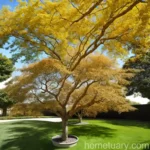
The Wonderful Acer floridanum (Florida Maple)
Acer floridanum, commonly known as the Florida Maple, is a beautiful and culturally significant tree species that holds a special place in the hearts of many. This native North American species displays some fascinating characteristics and has a range of ecosystem services, making it a valuable addition to landscapes and ecosystems. In this comprehensive guide, we’ll delve into all you need to know about this remarkable plant, from its cultural significance to its ecological role and landscape uses.
Acer floridanum Characteristics
Acer floridanum belongs to the Sapindaceae family and is a deciduous tree known for its striking features. It is native to the southeastern United States and is particularly abundant in Florida. The Florida Maple is an attractive medium-sized tree that can reach heights of 20 to 40 feet, with a spread of about 15 to 25 feet. Its growth habit is generally round and compact, forming a pleasing silhouette.
Florida Maple Tree Identification
Florida Maple trees can be identified by their distinct features. The leaves are simple and opposite, with three distinct lobes and serrated margins. In the spring and summer, the foliage is a vibrant green but transforms into stunning shades of yellow, orange, and red in the fall, adding a burst of color to the landscape. The bark is light gray to brown, with a smooth texture when young and becoming rougher and more furrowed as the tree matures.
Acer floridanum Distribution and Native Range
The Florida Maple is primarily distributed in the southeastern United States, with a notable presence in Florida, as indicated by its common name. It can also be found in parts of Georgia, Alabama, and South Carolina, where it thrives in various forest types and habitats.
Florida Maple Habitat and Ecology
Acer floridanum has a preferred habitat in moist, well-drained soils, often found in lowlands, along streams, and in mixed hardwood forests. The tree plays a crucial role in its ecological niche by providing habitat and food for various wildlife species.
Acer floridanum Wildlife Benefits and Seed Dispersal
The Florida Maple offers essential benefits to wildlife, as the seeds are a food source for birds and small mammals. The tree’s dense foliage provides nesting sites for birds, adding to its value in supporting local biodiversity.
Acer floridanum Ecosystem Services
In addition to its role in supporting wildlife, the Florida Maple contributes to the ecosystem by improving air quality, reducing soil erosion, and providing shade and cooling effects in urban and natural landscapes.
Florida Maple Tree Care and Planting
Growing and caring for the Florida Maple requires attention to its specific needs in terms of water, sunlight exposure, soil quality, and maintenance practices. Let’s explore the key considerations for cultivating and nurturing this remarkable tree.
Water
The Florida Maple trees prefer moist, well-drained soil, particularly when young, and benefit from regular watering, especially during dry periods. A layer of mulch around the base of the tree can help retain soil moisture and regulate temperature.
Sunlight
Acer floridanum thrives in partial shade to full sun, making it a versatile choice for landscapes with varying light conditions. While it can tolerate some shade, the tree will exhibit optimal growth and vibrant foliage color in full sunlight.
Fertilizer
When it comes to fertilization, it is advisable to apply a balanced, slow-release fertilizer in early spring to support healthy growth and foliage development. Care should be taken to follow the recommended application rates to avoid over-fertilization, which can adversely impact the tree’s health.
Soil
The Florida Maple prefers well-drained, acidic to neutral soils, and benefits from organic matter amendments to enhance soil structure and fertility. Regular soil testing can provide valuable insights into the tree’s nutritional requirements and any necessary pH adjustments.
Pruning
Proper pruning is essential to maintain the Florida Maple’s shape, remove dead or damaged branches, and encourage structural integrity. Pruning is best performed during the dormant season to minimize stress on the tree and promote vigorous spring growth.
Acer floridanum Propagation and Container Cultivation
Growing the Florida Maple from seeds or propagating it from cuttings can be a rewarding endeavor for plant enthusiasts and conservationists. Additionally, container cultivation offers a practical solution for accommodating this tree in urban and limited-space settings.
Propagation
Acer floridanum can be propagated from seeds or stem cuttings, with each method offering unique benefits and considerations. Obtaining seeds from a reliable source and following proper propagation techniques can yield healthy young trees for planting in suitable locations.
Container Cultivation
Container cultivation of the Florida Maple provides an opportunity to showcase this tree’s ornamental qualities in urban and small-space environments. Selecting a spacious container with adequate drainage and providing regular care and maintenance can support successful growth and development.
Popularity and Landscape Uses
The Florida Maple’s popularity stems from its aesthetic appeal, cultural significance, and ecological contributions. As a versatile and adaptable tree, it is favored for various landscape applications and design concepts.
Landscape Uses
Acer floridanum is well-suited for mixed borders, woodland gardens, and naturalized landscapes, where its seasonal colors and wildlife benefits can be fully appreciated. It also makes an excellent shade tree for parks, residential properties, and urban green spaces.
Urban Forestry and Conservation
In urban forestry initiatives, the Florida Maple contributes to enhancing green infrastructure, supporting biodiversity, and improving the overall aesthetic and environmental quality of urban areas. Conservation efforts aimed at preserving and reintroducing this species contribute to the protection of native flora and fauna.
Florida Maple Tree Diseases and Pest Management
While generally resilient, the Florida Maple is susceptible to certain diseases and pests that can impact its health and vitality. Understanding common issues and implementing effective management strategies is essential for maintaining the tree’s well-being.
Common Diseases
Disease Diagnosis
Common Pests
Botanist’s Tips for Florida Maple Tree Care
Fun Facts about Acer floridanum
Links to External Resources
In conclusion, Acer floridanum, the Florida Maple, is a valuable tree species with a range of benefits and attributes that make it a cherished component of natural and cultivated landscapes. From its striking foliage and wildlife benefits to its cultural significance and conservation value, the Florida Maple stands as a testament to the importance of native trees in our natural and built environments. By understanding and appreciating the unique qualities of this species, we can further advocate for its conservation and sustainable cultivation, ensuring its continued presence and impact for generations to come.
Keywords: Acer floridanum characteristics, Florida Maple tree, Acer floridanum growth habits, Florida Maple foliage, Acer floridanum identification, Acer floridanum distribution, Florida Maple habitat, Acer floridanum leaves, Acer floridanum bark, Florida Maple tree species, Acer floridanum native range, Acer floridanum fall colors, Florida Maple tree care, Acer floridanum seed dispersal, Acer floridanum wildlife benefits, Florida Maple tree planting, Acer floridanum landscape uses, Acer floridanum in gardens, Florida Maple tree diseases, Acer floridanum pests, Acer floridanum hybridization, Florida Maple tree conservation, Acer floridanum ecological role, Acer floridanum ecosystem services, Florida Maple tree benefits, Acer floridanum timber uses, Acer floridanum medicinal properties, Florida Maple tree symbolism, Acer floridanum cultural significance, Acer floridanum folklore, Acer floridanum conservation status, Acer floridanum endangered species, Florida Maple tree facts, Acer floridanum climate requirements, Acer floridanum planting zones, Florida Maple tree planting tips, Acer floridanum landscape design, Acer floridanum urban forestry, Florida Maple tree wood qualities, Acer floridanum winter hardiness, Acer floridanum growth rate, Acer floridanum root system, Florida Maple tree pruning, Acer floridanum propagation, Acer floridanum companion plants, Florida Maple tree autumn colors, Acer floridanum seasonal changes, Acer floridanum landscape maintenance, Acer floridanum mulching techniques, Florida Maple tree recommended varieties