Acanthus Mollis (Bear’s Breech)
Acanthus mollis, commonly known as Bear’s Breech, is a perennial herbaceous plant, belonging to the Acanthaceae family. This stunning plant is native to.
Introduction
Acanthus mollis, commonly known as Bear’s Breech, is a perennial herbaceous plant, belonging to the Acanthaceae family. This stunning plant is native to the Mediterranean region and is renowned for its distinctive foliage and tall flower spikes. Its unique characteristics and versatility make it an attractive choice for gardeners and landscapers around the world.
In this comprehensive guide, we will explore the various facets of Acanthus mollis, from its cultural significance and uses to its growth requirements and maintenance. Let’s unravel the captivating world of Bear’s Breech and discover the wonders it beholds.
What is Acanthus mollis (Bear’s Breech)?
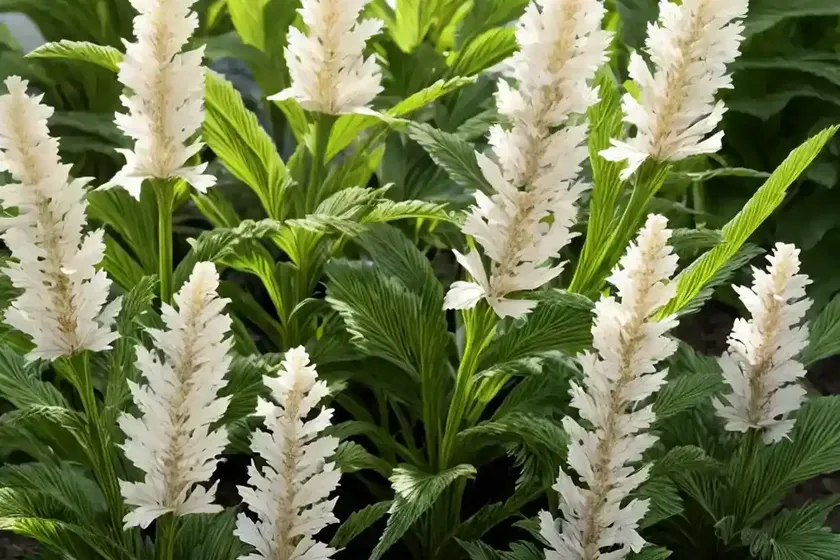
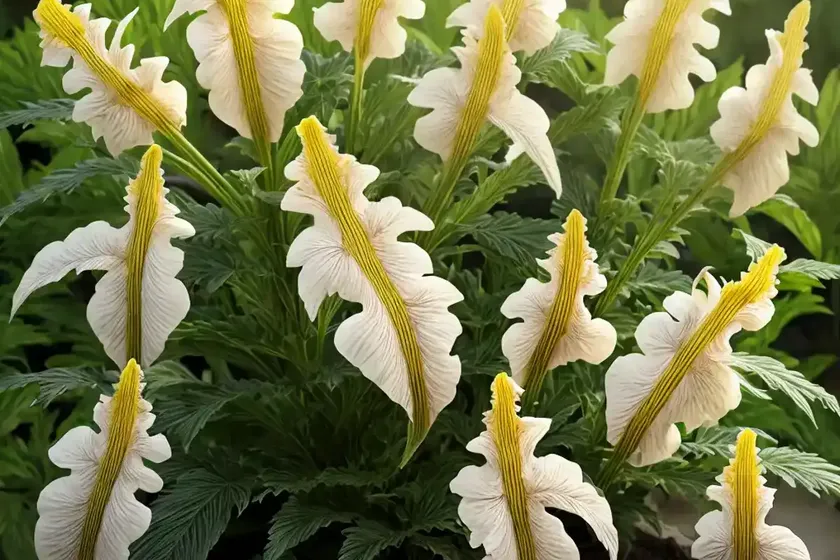
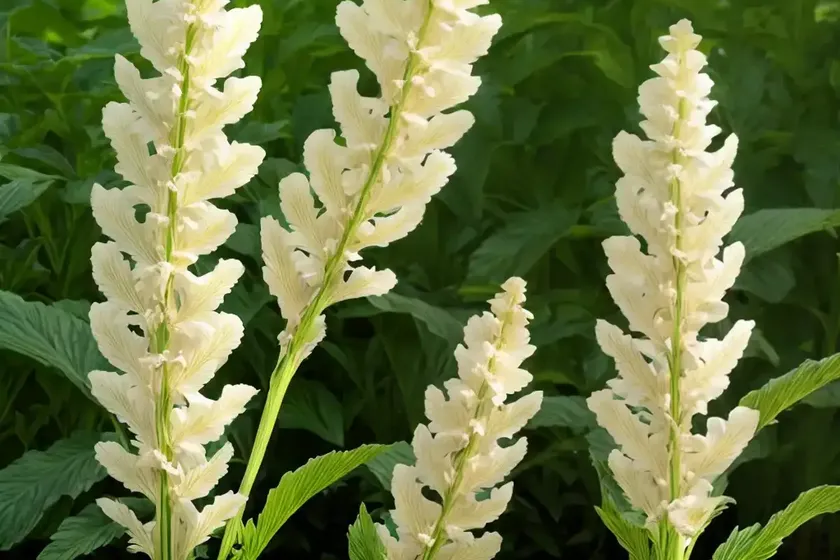
Acanthus mollis, also known as Bear’s Breech, is a herbaceous perennial plant with large, glossy, deeply lobed leaves. It is characterized by its striking flowering spikes, adorned with delicate white, lavender, or pink flowers. The plant can grow to a height of 3-4 feet, creating a dramatic and majestic presence in gardens and landscapes.
Acanthus mollis Description
- Foliage: The leaves of Acanthus mollis are large, deeply lobed, and glossy green. They often have a distinctive spiky appearance, adding texture and visual interest to the plant.
- Flowers: The flowers of Bear’s Breech are arranged in tall spikes, typically in shades of white, lavender, or pink. These elegant blooms attract pollinators and add a touch of grace to the plant.
- Habit: Acanthus mollis forms dense clumps of foliage and has a robust, upright growth habit. It is known for its architectural quality, making it a popular choice for landscape design.
Key Takeaways – Acanthus mollis (Bear’s Breech)
Let’s delve into the key takeaways and essential aspects of Acanthus mollis, understanding its cultural significance, uses, and essential care requirements.
Culture
Acanthus mollis has a rich cultural history, deeply rooted in mythology and symbolism. It has been revered for its architectural and aesthetic value, often depicted in art, architecture, and literature.
Acanthus mollis Symbolic Meaning
- In ancient Greek and Roman civilizations, the Acanthus plant was associated with enduring qualities and was used as a symbol of immortality and longevity.
- The Acanthus motif has been widely used in architectural ornamentation, particularly in the iconic Corinthian order of classical columns.
Uses
The versatile nature of Acanthus mollis lends itself to a wide range of uses, from garden ornamental purposes to medicinal and historical significance.
Bear’s Breech Medicinal Uses
- In traditional medicine, various parts of Acanthus mollis, including the leaves and roots, have been utilized for their potential medicinal properties. The plant is believed to possess anti-inflammatory and astringent qualities, and its extracts have been used in herbal remedies.
Water
Adequate water supply is essential for the healthy growth and vitality of Acanthus mollis. Proper irrigation practices play a crucial role in maintaining the plant’s vigor and blooming potential.
Acanthus mollis Water Requirements
- While Acanthus mollis is relatively drought-tolerant once established, consistent moisture is essential, particularly during the initial stages of growth and in hot, dry conditions.
- When watering Bear’s Breech, aim to keep the soil evenly moist, but not waterlogged. Provide supplementary watering during prolonged dry spells to support optimal growth and flowering.
Sunlight
Understanding the sunlight requirements of Acanthus mollis is pivotal in ensuring its overall health and vigor. Adequate exposure to sunlight is essential for robust growth and prolific flowering.
Bear’s Breech Sun Exposure
- Acanthus mollis thrives in part to full shade, making it an excellent choice for shaded garden areas and woodland settings. It can tolerate varying light conditions but generally prefers dappled shade or filtered sunlight.
- In regions with intense heat, providing some protection from direct afternoon sun can help prevent leaf scorch and maintain the plant’s lush foliage.
Fertilizer
Fertilization plays a vital role in providing Acanthus mollis with essential nutrients for healthy growth and abundant flowering. Understanding the appropriate fertilizer application is crucial in optimizing the plant’s performance.
Acanthus mollis Fertilization Tips
- Apply a balanced, slow-release fertilizer in early spring to promote vigorous growth and robust flowering. A fertilizer with a higher phosphorus content can encourage prolific blooming and enhance the overall ornamental value of the plant.
- Avoid excessive application of nitrogen-rich fertilizers, as this can lead to lush foliage at the expense of flowering. A moderate feeding regimen is ideal for sustaining the plant’s vitality.
Soil
The soil composition and quality significantly influence the growth and development of Acanthus mollis. Understanding the soil requirements and implementing suitable soil practices are essential for ensuring the plant’s well-being.
Bear’s Breech Soil Requirements
- Acanthus mollis thrives in well-drained, fertile soil with a slightly acidic to neutral pH. Amending heavy clay soils with organic matter can improve drainage and create an optimal growing environment for the plant.
- Ensuring adequate soil moisture retention while preventing waterlogging is crucial for preventing root rot and sustaining the plant’s overall health.
Pruning
Pruning is an integral part of Acanthus mollis maintenance, contributing to the plant’s vigor, aesthetics, and longevity. Proper pruning practices help rejuvenate the plant and promote its ornamental appeal.
Acanthus mollis Pruning Tips
- In late winter or early spring, remove any damaged, diseased, or dead foliage to maintain the plant’s overall appearance and health. Trim back the flowering stalks after blooming to encourage new growth.
- Regularly removing spent flower spikes and shaping the plant can enhance its visual appeal and prevent self-seeding in the garden.
Propagation
The ability to propagate Acanthus mollis through various methods allows gardeners to expand their plant collection and share the beauty of Bear’s Breech with others. Understanding the propagation techniques is essential for successful plant multiplication.
Bear’s Breech Propagation Methods
- Acanthus mollis can be propagated through division, seed sowing, or root cuttings. Dividing established clumps in early spring or fall helps rejuvenate the plant and create new specimens for the garden.
- Collecting and sowing mature seeds in a well-prepared seedbed can yield new plants, while root cuttings offer a reliable method for vegetative propagation.
Container Popularity
The adaptability of Acanthus mollis to container cultivation expands its appeal to gardening enthusiasts with limited space or those seeking to showcase its ornamental attributes in a confined setting.
Acanthus mollis Container Gardening
- Bear’s Breech can thrive in large containers, provided they offer ample space for root development and sufficient soil moisture retention. Select a deep, sturdy pot with adequate drainage holes to accommodate the plant’s robust growth habit.
- Incorporating Acanthus mollis in container gardens adds a touch of elegance to patios, balconies, and entrances, showcasing its architectural foliage and captivating blooms.
Common Diseases
Acanthus mollis, while generally resilient, is susceptible to certain diseases and disorders that can impact its overall health and appearance. Recognizing common diseases and their management is essential for preserving the plant’s vitality.
Disease Diagnosis
- Leaf spot diseases, powdery mildew, and root rot are among the common issues that can affect Acanthus mollis. Monitor the plant for signs of foliar blemishes, powdery coatings, or wilting, and take prompt action to address these concerns.
- Maintaining good air circulation, practicing proper sanitation, and using preventive fungicidal treatments can mitigate the risk of disease development and promote a healthy growing environment for Bear’s Breech.
Common Pests
While generally resilient to pest infestations, Acanthus mollis may encounter occasional pest challenges that necessitate vigilant monitoring and appropriate pest control measures.
Bear’s Breech Pest Control
- Aphids, spider mites, and slugs are among the potential pests that may target Acanthus mollis. Regularly inspect the plant for signs of pest activity, such as distorted foliage, stippling, or silvery trails.
- Implementing natural predators, such as ladybugs and parasitic wasps, or using targeted insecticidal treatments can effectively manage pest populations and safeguard the plant from detrimental infestations.
Botanist’s Tips
As plant enthusiasts and botanists, our understanding and appreciation of Acanthus mollis extend beyond its ornamental value. Here are some insightful tips to enrich your experience with Bear’s Breech.
Acanthus mollis Growing Tips
- When selecting a planting site, consider the plant’s growth habit and mature size to provide adequate space for its development. Incorporate Acanthus mollis in borders, woodland gardens, or shaded areas to maximize its visual impact.
- Pair Acanthus mollis with companion plants that complement its foliage color and texture, such as ferns, hostas, and other shade-loving perennials. This creates harmonious plant combinations and enhances the overall garden aesthetic.
Fun Facts
Uncover the captivating and intriguing aspects of Acanthus mollis through these delightful fun facts that highlight its unique attributes and cultural significance.
Acanthus mollis Symbolic Meaning
- The Acanthus motif, inspired by the plant’s distinctive foliage, has been an enduring symbol of artistic inspiration and has adorned various decorative objects, from pottery and furniture to textiles and jewelry.
- Acanthus leaves have been featured in classical art and architecture, weaving a compelling narrative of timeless elegance and enduring legacy.
Links to External Resources
Explore further insights and valuable information on Acanthus mollis through the following external resources:
- The Royal Horticultural Society for in-depth plant profiles and cultivation guidance.
- Missouri Botanical Garden for comprehensive plant care information and botanical resources.
- University Extension Services for region-specific gardening advice and horticultural support.
In conclusion, Acanthus mollis, or Bear’s Breech, captivates gardeners and plant enthusiasts with its remarkable foliage, elegant blooms, and rich cultural heritage. From its historical significance to its horticultural appeal, this Mediterranean treasure continues to inspire and enchant in gardens and landscapes across the globe. Embrace the allure of Acanthus mollis and discover the timeless beauty it brings to our natural world.