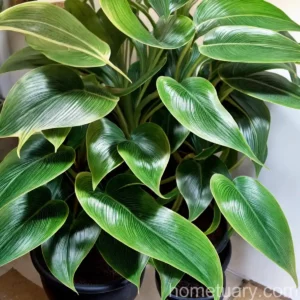
Zantedeschia ‘Captain Chelsea’ (Calla Lily): A Complete Guide
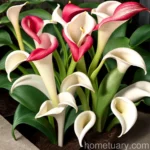
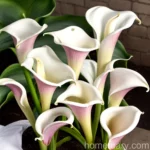
Zantedeschia ‘Captain Chelsea’, commonly known as Calla Lily, is a stunning plant appreciated for its elegant, trumpet-shaped flowers and lush green foliage. This article aims to provide comprehensive insights into the cultivation, care, and various aspects of Zantedeschia ‘Captain Chelsea’ to assist plant enthusiasts and horticulturists in successfully growing and nurturing this beautiful plant. You will find a wealth of information, including the plant’s culture, uses, water requirements, sunlight preferences, soil type, pruning, propagation, common diseases, pests, and much more. Additionally, we will delve into the history, cultivation techniques, and fun facts about Zantedeschia ‘Captain Chelsea’. But before we dig deeper, let’s gain a comprehensive understanding of what Zantedeschia ‘Captain Chelsea’ is.
What is Zantedeschia ‘Captain Chelsea’ (Calla Lily)?
Zantedeschia ‘Captain Chelsea’, belonging to the Araceae family, is a rhizomatous perennial plant native to South Africa. This hybrid variety of Calla Lily is renowned for its captivating blooms and attractive foliage. The Zantedeschia genus comprises approximately eight species, and it has gained significant popularity for its ornamental value. The ‘Captain Chelsea’ variety is particularly cherished for its unique floral attributes and is a coveted choice for gardens, landscapes, and floral arrangements.
Key Takeaways – Zantedeschia ‘Captain Chelsea’ (Calla Lily)
Before delving into the specifics of Zantedeschia ‘Captain Chelsea’, let’s outline the key takeaways to give an overview of what we will be covering in this guide.
- Culture
- Uses
- Water
- Sunlight
- Fertilizer
- Soil
- Pruning
- Propagation
- Container Popularity
- Common Diseases
- Common Pests
- Botanist’s Tips
- Fun Facts
- Links to External Resources
Now, let’s embark on a comprehensive journey to explore the various facets of Zantedeschia ‘Captain Chelsea’, delving into its culture, care, and unique characteristics.
Culture of Zantedeschia ‘Captain Chelsea’
Uses
Zantedeschia ‘Captain Chelsea’ is primarily cultivated for its exquisite ornamental value. Its striking flowers make it a popular choice for cut flower arrangements, bridal bouquets, and various floral decorations. The plant’s attractive foliage further enhances its appeal, making it an exceptional choice for landscaping, adding vibrant colors to gardens, and creating eye-catching ornamental displays.
Water
Watering Requirements:
– Zantedeschia ‘Captain Chelsea’ exhibits moderate water requirements, necessitating consistent moisture to thrive.
– It is essential to maintain evenly moist soil, particularly during the growing season, and ensure the soil does not become waterlogged.
Watering Tips:
– Water the plant when the top inch of the soil feels dry to the touch.
– Avoid overwatering, as this may lead to root rot and other moisture-related issues.
Sunlight
Sunlight Preferences:
– Calla Lilies thrive in partially shaded to full sunlight conditions.
– While they can tolerate some direct sunlight, it is advisable to provide protection from intense midday sun, especially in warmer climates.
Sunlight Tips:
– For optimal growth and flowering, aim to provide the plant with bright, indirect light or dappled shade.
– Adjust the plant’s location based on the seasonal sunlight intensity to ensure it receives adequate light without being exposed to excessive heat.
Fertilizer
Fertilizing Recommendations:
– Zantedeschia ‘Captain Chelsea’ benefits from regular fertilization during the growing season to support healthy growth and prolific flowering.
– Apply a balanced, water-soluble fertilizer formulated for flowering plants at half the recommended strength every 4-6 weeks.
Fertilizer Tips:
– Refrain from overfertilizing, as excessive nutrients can lead to lush foliage growth at the expense of flower production.
– Cease fertilization during the plant’s dormant period to allow for natural rest.
Soil
Soil Type:
– Calla Lilies thrive in rich, well-draining soil with a slightly acidic to neutral pH.
– A fertile, humus-rich soil that retains moisture without becoming waterlogged is optimal for promoting robust growth and flowering.
Soil Preparation:
– Prior to planting, amend the soil with organic matter such as compost or well-rotted manure to enhance its fertility and moisture retention capacity.
– Ensure adequate drainage to prevent waterlogging, which can be detrimental to the plant’s health.
Pruning Zantedeschia ‘Captain Chelsea’
Pruning Techniques:
– Regular deadheading can prolong the flowering period and encourage the development of new blooms.
– Remove spent flowers by cutting the stem just above the foliage or by gently twisting and pulling them off to promote continuous flowering.
Pruning Tips:
– Prune any diseased, damaged, or yellowing foliage to maintain the plant’s vitality and aesthetics.
– Exercise caution when pruning to avoid damaging the rhizomes and emerging shoots.
Propagation of Zantedeschia ‘Captain Chelsea’
Propagation Methods:
– Zantedeschia ‘Captain Chelsea’ can be propagated through division, seeds, or rhizome cuttings.
– Division is the most common and reliable method, typically performed in early spring before the growing season commences.
Propagation Tips:
– Divide established clumps by carefully separating the rhizomes and ensuring each division possesses viable roots and growing points.
– Sow seeds in well-draining soil and maintain a consistently moist environment to support successful germination.
The above sections provide detailed insights into the culture, care, and propagation of Zantedeschia ‘Captain Chelsea’. Now, let’s focus on specific aspects such as container popularity, common diseases, pests, and some intriguing botanist’s tips.
Container Popularity of Zantedeschia ‘Captain Chelsea’
As a versatile and visually stunning plant, Zantedeschia ‘Captain Chelsea’ is well-suited for container cultivation, allowing individuals with limited outdoor space to enjoy its beauty and ornamental appeal. When grown in containers, it is crucial to select an appropriately sized pot, provide suitable growing conditions, and implement proper care practices to ensure the plant’s thriving growth.
Container Selection:
– Choose a spacious container with adequate drainage holes to prevent water accumulation and root rot.
– Opt for a container with a diameter and depth that accommodates the plant’s rhizome and allows for sufficient root development.
Container Care Tips
- Ensure the container receives ample sunlight while providing protection from intense midday sun to prevent overheating of the root system.
- Monitor the soil moisture levels and adjust the watering frequency based on environmental conditions and the plant’s specific requirements.
Now, let’s address the common diseases and pests that may affect Zantedeschia ‘Captain Chelsea’, accompanied by insights into disease diagnosis and effective pest management strategies.
Common Diseases of Zantedeschia ‘Captain Chelsea’
While Zantedeschia ‘Captain Chelsea’ is relatively resilient, it may be susceptible to certain diseases, particularly under unfavorable growing conditions. Being aware of common diseases and prompt diagnosis is essential for implementing timely interventions and preserving the plant’s health and vitality.
Disease Diagnosis
Disease:
– Root Rot (Pythium spp., Phytophthora spp.):
– Symptoms include wilting, yellowing foliage, and decayed, water-soaked roots.
– Diagnose root rot by inspecting the plant’s roots for discoloration, rotting, and a foul odor.
Effective Management:
– Improve soil drainage to mitigate waterlogging and prevent the onset of root rot.
– Refrain from overwatering and adjust the irrigation practices to maintain optimal soil moisture levels.
Now, let’s explore the common pests that may pose a threat to Zantedeschia ‘Captain Chelsea’ and discuss effective pest control methods.
Common Pests Affecting Zantedeschia ‘Captain Chelsea’
Pest Identification and Control Measures
Pest:
– Aphids (Aphidoidea):
– Identify aphids by their small size, pear-shaped bodies, and tendency to cluster on the undersides of leaves.
– Aphids can cause leaf distortion, yellowing, and the secretion of honeydew, leading to fungal issues.
Pest Management:
– Dislodge aphids with a strong spray of water or treat infestations with insecticidal soap, neem oil, or horticultural oil.
– Encourage natural predators such as ladybugs and lacewings to help control aphid populations.
With a focus on the plant’s health and vitality, it’s essential to equip ourselves with the knowledge and strategies to combat potential diseases and pests effectively. Additionally, incorporating expert tips and intriguing fun facts can enhance our understanding and appreciation of Zantedeschia ‘Captain Chelsea’.
Botanist’s Tips for Zantedeschia ‘Captain Chelsea’
It’s always valuable to glean insights from experienced botanists and horticulturists to ensure optimal plant care and cultivation. Here are some expert tips for nurturing Zantedeschia ‘Captain Chelsea’:
- Ample Moisture: Ensure consistent soil moisture without waterlogging to support robust growth and flowering.
- Winter Protection: In regions with frost or freezing temperatures, provide adequate winter protection, such as mulching and sheltering the plant from extreme cold.
These expert tips, based on extensive experience and knowledge, can significantly contribute to the successful cultivation and maintenance of Zantedeschia ‘Captain Chelsea’. Now, let’s delve into some intriguing fun facts about this captivating plant to further enrich our appreciation for its unique qualities.
Fun Facts about Zantedeschia ‘Captain Chelsea’
- Symbolism: Calla Lilies, including the ‘Captain Chelsea’ variety, symbolize purity, beauty, and rebirth, making them popular choices for wedding bouquets and floral arrangements.
- Historical Significance: Calla Lilies have been revered in various cultures throughout history, with references in art, literature, and religious symbolism.
- Breeding Advancements: The development of hybrid varieties, such as Zantedeschia ‘Captain Chelsea’, showcases the ongoing efforts to enhance the plant’s ornamental attributes and adaptability.
Conclusion
Zantedeschia ‘Captain Chelsea’ (Calla Lily) stands as a remarkable plant recognized for its elegance, vibrant blooms, and versatile uses in both indoor and outdoor settings. By understanding and implementing the recommended culture, care, and maintenance practices, individuals can cultivate thriving Calla Lilies and appreciate their aesthetic and ornamental value. As we navigate through the aspects of Zantedeschia ‘Captain Chelsea’, from its cultivation techniques to intriguing fun facts, we hope this comprehensive guide provides valuable insights for plant enthusiasts and horticulture aficionados alike. Remember, the journey of nurturing Zantedeschia ‘Captain Chelsea’ is not just about maintaining a plant; it’s about fostering an appreciation for nature’s beauty and the joy it brings to our lives.
External Resources
For further information and detailed insights into Zantedeschia ‘Captain Chelsea’ and related topics, consider exploring the following resources:
- The American Society for the Prevention of Cruelty to Animals (ASPCA)
- Royal Horticultural Society (RHS)
- University of Minnesota Extension
- Missouri Botanical Garden
Remember to continuously expand your knowledge and passion for plants by tapping into the wealth of resources available from reputable organizations and institutions.
By aligning our efforts with best practices and expert insights, we can nurture and appreciate Zantedeschia ‘Captain Chelsea’ to its fullest potential, creating vibrant, thriving displays and contributing to the beauty of our natural surroundings. Happy gardening!
Now you have a comprehensive guide about Zantedeschia ‘Captain Chelsea’ (Calla Lily) covering its culture, care, uses, and fascinating aspects. This guide is designed to provide valuable insights for plant enthusiasts and horticulture aficionados to nurture and appreciate the elegance and ornamental value of Calla Lilies. Whether you’re exploring container gardening, seeking effective pest management strategies, or simply looking to enhance your knowledge about this captivating plant, this detailed guide has you covered. Happy gardening!
For any further queries or clarifications, feel free to reach out!
Happy Gardening!