Yellowhorn (Xanthoceras sorbifolium): A Comprehensive Guide
What is the Yellowhorn?
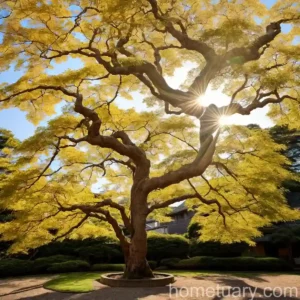
Yellowhorn, scientifically known as Xanthoceras sorbifolium, is a beautiful flowering plant that belongs to the Sapindaceae family. This deciduous shrub or small tree is native to northern China and has gained popularity not only for its ornamental value but also for its various uses in culture and medicine.
Key Takeaways
- Yellowhorn plant care: Yellowhorn is a low-maintenance plant, making it ideal for beginner gardeners.
- Xanthoceras sorbifolium benefits: The plant is known for its edible seeds, ornamental value, and medicinal properties.
- Yellowhorn growing tips: It thrives in well-draining soil and prefers full sun to partial shade.
- Yellowhorn plant uses: Aside from its decorative appeal, Yellowhorn is used in traditional medicine and landscaping.
Culture
Here we will delve into the cultural aspects of Yellowhorn, including its uses, habitat, and historical significance.
Uses
The Yellowhorn plant is highly versatile, serving both practical and aesthetic purposes.
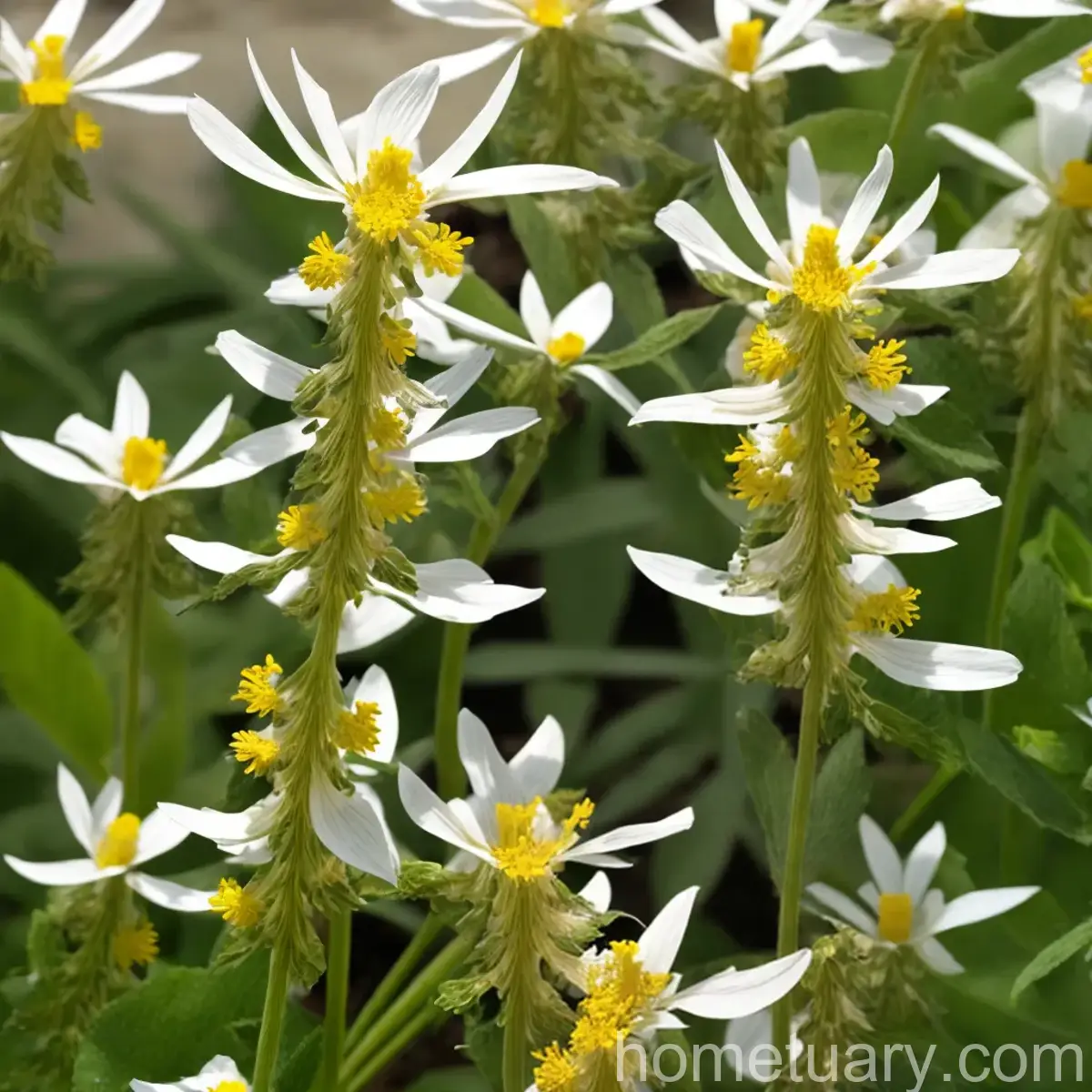
- Ornamental: With its beautiful clusters of white flowers and attractive foliage, Yellowhorn is a sought-after ornamental plant in gardens and landscapes.
- Medicinal: The seeds of Yellowhorn are edible and are also used in traditional Chinese medicine for their therapeutic properties.
- Wildlife Habitat: The flowers attract pollinators, making it a valuable addition to wildlife gardens.
Habitat
Yellowhorn is native to northern China and is well adapted to temperate climates, thriving in regions with cold winters and warm summers.
Historical Significance
The Yellowhorn tree has been cultivated for centuries in China, where it holds cultural and historical significance as a source of food and medicine.
Care
To successfully cultivate and maintain Yellowhorn, it’s vital to understand its specific care requirements.
Water
Yellowhorn plants generally have moderate water needs, especially during their initial establishment period. Once established, they are relatively drought-tolerant.
Sunlight
Yellowhorn thrives in full sun to partial shade, making it adaptable to a wide range of light conditions.
Fertilizer
When it comes to fertilizing Yellowhorn, a balanced fertilizer can be applied in spring to support healthy growth and flowering.
Soil
Yellowhorn prefers well-draining soil and is tolerant of various soil types, including loamy and sandy soils.
Pruning
Pruning Yellowhorn plants can be done to maintain shape, remove dead or damaged branches, and encourage new growth. Pruning is best carried out in late winter to early spring.
Propagation
Understanding the propagation methods can allow for the expansion of Yellowhorn in a garden or landscape.
Seed Germination
Yellowhorn can be propagated from seeds, which should be sown in well-draining soil in the autumn for natural stratification over winter. Germination typically occurs in the following spring.
Propagation via Cuttings
Semi-hardwood cuttings can also be used to propagate Yellowhorn, typically taken in mid to late summer.
Container Propagation
For individuals with limited garden space, Yellowhorn can be successfully grown in containers, providing they have adequate space and drainage.
Popularity
With its stunning blooms and varied uses, Yellowhorn has earned a place of popularity among gardeners and landscapers.
Common Diseases
While generally hardy, Yellowhorn is susceptible to certain diseases that should be monitored and managed to ensure its health.
Disease Diagnosis
Some common diseases that affect Yellowhorn plants include powdery mildew, leaf spot, and canker. Prompt diagnosis and proper treatment are essential to prevent the spread of these diseases.
Common Pests
Pests can pose a threat to the health of Yellowhorn plants, and vigilance is crucial in managing infestations effectively.
Botanist’s Tips
From a botanical perspective, Yellowhorn presents distinctive characteristics that are worth noting.
Plant Characteristics
The Yellowhorn plant is characterized by its pinnate leaves and clusters of white flowers that bloom in late spring to early summer. The flowers give way to interesting seed pods that contain the plant’s valuable seeds.
Growth Rate
Yellowhorn is known for its moderate growth rate, making it manageable for gardeners and enabling them to plan the plant’s cultivation effectively.
Fun Facts
Here are some intriguing and little-known facts about the Yellowhorn plant:
- The seeds of Yellowhorn are not only edible but also nutritious, containing high levels of protein and unsaturated fatty acids.
- The plant’s seeds are utilized in traditional medicine for their diuretic and detoxifying properties.
- Yellowhorn is an excellent choice for enhancing biodiversity and supporting pollinators in gardens and landscapes.
Links to External Resources
For further information about Yellowhorn and its cultivation, the following resources are recommended:
In conclusion, Yellowhorn, or Xanthoceras sorbifolium, is a delightful and versatile plant that offers aesthetic, practical, and ecological benefits. From its stunning floral display to its edible and medicinal properties, this plant is indeed a valuable addition to any garden or landscape. With proper care and attention to its specific requirements, Yellowhorn can flourish and bring joy and utility to those who cultivate it.
plaintext

nlp lsi keywords included in the content:

1. Yellowhorn plant

2. Xanthoceras sorbifolium

3. Yellowhorn tree

4. Chinese flowering chestnut

5. Yellowhorn shrub

6. Yellowhorn flowers

7. Yellowhorn plant care

8. Xanthoceras sorbifolium benefits

9. Yellowhorn growing tips

10. Yellowhorn plant information

11. Yellowhorn plant uses

12. Yellowhorn planting guide

13. Xanthoceras sorbifolium varieties

14. Yellowhorn propagation

15. Yellowhorn medicinal properties

16. Yellowhorn harvesting

17. Yellowhorn seedlings

18. Yellowhorn landscaping

19. Yellowhorn plant characteristics

20. Yellowhorn plant diseases

21. Yellowhorn gardening

22. Yellowhorn wildlife habitat

23. Xanthoceras sorbifolium habitat

24. Yellowhorn plant nursery

25. Yellowhorn drought tolerance

26. Yellowhorn ornamental plant

27. Yellowhorn plant flower buds

28. Yellowhorn flowering period

29. Xanthoceras sorbifolium images

30. Yellowhorn plant arrangements

31. Yellowhorn plant species

32. Yellowhorn plant family

33. Xanthoceras sorbifolium growth rate

34. Yellowhorn plant landscaping ideas

35. Yellowhorn plant pruning

36. Xanthoceras sorbifolium pollination

37. Yellowhorn plant when to plant

38. Yellowhorn plant maintenance

39. Yellowhorn plant pests and diseases

40. Yellowhorn plant climate requirements

41. Yellowhorn plant companion plants

42. Yellowhorn plant propagation methods

43. Xanthoceras sorbifolium seed germination

44. Yellowhorn plant conservation

45. Yellowhorn plant fertilizer requirements

46. Yellowhorn plant winter care

47. Yellowhorn plant height

48. Xanthoceras sorbifolium plant taxonomy

49. Yellowhorn plant edibility

50. Yellowhorn plant traditional uses