Yarrow (Achillea ‘Mondpagode’ MOON PAGODA): A Comprehensive Guide
Yarrow (Achillea ‘Mondpagode’ MOON PAGODA) is a stunning and versatile plant that is a favorite among many gardeners. Its elegant appearance and various uses make it a valuable addition to any garden or landscape. In this comprehensive guide, we will explore everything you need to know about yarrow, including its culture, uses, care requirements, common diseases, pests, and much more.
What is Yarrow (Achillea ‘Mondpagode’ MOON PAGODA)?
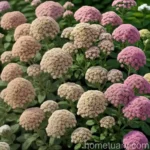
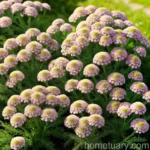
Yarrow, scientifically known as Achillea, is a genus of flowering plants in the family Asteraceae. The plant is native to regions of Asia and Europe, but it has also been naturalized in other parts of the world. Yarrow is known for its feathery foliage and flat-topped flower clusters that bloom in an array of colors, including shades of yellow, pink, red, and white. The ‘Mondpagode’ or MOON PAGODA variety of yarrow is particularly notable for its captivating moonlight-colored flowers and its compact, mounding growth habit.
Key Takeaways – Yarrow (Achillea ‘Mondpagode’ MOON PAGODA)
Before delving into the specifics of yarrow cultivation and care, let’s highlight some key takeaways about this remarkable plant:
- Yarrow (Achillea ‘Mondpagode’ MOON PAGODA) is a perennial herbaceous plant known for its attractive feathery foliage and flat-topped clusters of flowers.
- The Moon Pagoda Yarrow exhibits moonlight-colored blooms and is a cultivar of the Achillea species.
- This yarrow variety is prized for its versatility in landscaping, as well as its medicinal and culinary uses.
- When cultivating yarrow, it is crucial to consider factors such as water requirements, sunlight exposure, soil type, fertilization, and pruning for optimal growth and health.
- Yarrow’s resilience against common diseases and pests, as well as its wildlife-attracting properties, make it an excellent addition to gardens and natural landscapes.
Now, let’s explore the various aspects of yarrow cultivation, care, and utilization.
Culture
Uses
Yarrow (Achillea ‘Mondpagode’ MOON PAGODA) has a wide range of cultural uses, including:
- Landscaping: Its compact growth habit and striking flowers make it an excellent choice for borders, rock gardens, and naturalistic landscapes.
- Medicinal Purposes: Yarrow has been used in traditional medicine for its anti-inflammatory, antiseptic, and astringent properties. It can be used in herbal teas, tinctures, and salves to treat various ailments.
- Culinary Applications: Certain parts of the plant, such as its leaves and flowers, are edible and can be used in salads, soups, and as a flavoring agent in cooking.
- Wildlife Attraction: Yarrow’s nectar-rich flowers attract pollinators such as butterflies and bees, making it a valuable addition to pollinator gardens.
Care
Water
Yarrow is known for its drought tolerance once established, making it well-suited to xeriscaping and water-wise gardens. However, during the initial establishment phase, regular watering is important to help the plant develop a strong root system. Once established, yarrow generally thrives with minimal supplemental watering, particularly in well-draining soils.
Sunlight
Plants of the Moon Pagoda Yarrow variety typically prefer full sun, although they can tolerate some light shade. Adequate sunlight is essential for promoting prolific flowering and maintaining compact growth. When grown in shadier conditions, the plant may become leggy and produce fewer blooms.
Fertilizer
Yarrow is not particularly heavy feeder and generally thrives in average to poor soils. Excessive fertilization can lead to lush foliage at the expense of flower production. A light application of balanced fertilizer in early spring, as new growth emerges, can support healthy growth and flowering.
Soil
Yarrow thrives in well-draining soils and is tolerant of a variety of soil types, including sandy, loamy, and rocky soils. It is important to avoid waterlogged conditions, as this can lead to root rot and other problems. Soil pH in the range of 6.0 to 7.0 is generally suitable for yarrow cultivation.
Pruning
Pruning yarrow can help promote bushier growth and prolong the plant’s blooming period. Deadheading spent flowers can also encourage the production of new blooms. In late fall or early spring, cutting back the plant to a few inches above ground level can help rejuvenate its growth and appearance.
Propagation
Yarrow can be propagated through several methods, including:
- Division: Dividing mature yarrow plants every few years can help rejuvenate them and create new plants. This is typically done in early spring or fall.
- Seed Propagation: Yarrow can be propagated from seeds, which are sown directly in the garden or started indoors. The seeds should be sown on the soil surface and lightly covered, as they require light to germinate.
Container Popularity
The compact growth habit and ornamental appeal of yarrow make it well-suited for container cultivation. When grown in containers, yarrow benefits from well-draining potting mix and adequate sunlight. Regular monitoring of soil moisture is important, as containers can dry out more quickly than garden soil.
Common Diseases
Yarrow is relatively resistant to most common plant diseases. However, it can be susceptible to issues such as powdery mildew, especially in humid conditions or when air circulation is poor. Proper spacing, adequate sunlight, and avoiding overhead watering can help prevent disease problems.
Disease Diagnosis
If yarrow plants exhibit signs of disease, such as white powdery spots on the foliage, it is important to take action promptly. Proper diagnosis of the issue, whether through visual inspection or consultation with a plant health specialist, can guide appropriate treatment measures, such as applying fungicides or adjusting environmental conditions.
Common Pests
Yarrow is generally resistant to most pests, but it may occasionally encounter issues with:
- Aphids: These small, sap-sucking insects can cluster on the tender stems and new growth of yarrow plants. Insecticidal soaps or horticultural oils can be used to manage aphid infestations.
- Spider Mites: Hot, dry conditions can favor spider mite populations, which can cause stippling and webbing on the foliage. Spraying the plants with water or using insecticidal treatments can help control spider mites.
Botanist’s Tips
To ensure the successful cultivation and maintenance of yarrow in the garden, here are some valuable tips from a plant scientist:
- Selecting the Right Location: Choose a planting site with well-draining soil and ample sunlight to promote healthy growth and prolific flowering.
- Maintaining Adequate Air Circulation: Proper spacing and pruning can help improve air circulation around the plants, reducing the risk of disease issues.
- Observing Wildlife Interactions: Pay attention to the types of pollinators and beneficial insects that are attracted to yarrow, as they contribute to the overall ecological balance of the garden.
Fun Facts
Here are some interesting and lesser-known facts about yarrow:
- The genus name “Achillea” is derived from the legend of Achilles, who purportedly used the plant to treat the wounds of his soldiers during the Trojan War.
- Yarrow has a long history of use in traditional herbal medicine, with documented applications dating back to ancient Greece and China.
- In addition to its medicinal and culinary uses, yarrow has been used for purposes such as dyeing fabrics and brewing herbal beers.
Links to External Resources
For further information on yarrow cultivation, landscaping, and its various uses, consider exploring the following resources:
- Royal Horticultural Society: Achillea
- Missouri Botanical Garden: Achillea millefolium
- University of Florida IFAS Extension: Yarrow for Florida Landscapes
In conclusion, yarrow (Achillea ‘Mondpagode’ MOON PAGODA) is a captivating and multifaceted plant that offers a wealth of benefits to gardeners, herbalists, and wildlife enthusiasts. Its attractive appearance, resilience, and diverse uses make it a valuable addition to a wide range of garden settings. Whether incorporated into a formal landscape design, utilized for its medicinal properties, or simply appreciated for its ecological contributions, yarrow is a plant that truly deserves its place in the garden.