Yarrow (Achillea millefolium ‘Pomegranate’): A Multipurpose and Resilient Plant
Yarrow, scientifically known as Achillea millefolium ‘Pomegranate’ is an exceptional plant that has been valued for its ornamental, medicinal, and ecological benefits for centuries. This perennial herb belongs to the Asteraceae family and is native to regions of Asia and Europe. In recent years, its popularity has soared in gardens and landscapes due to its hardiness and versatility. In this comprehensive guide, we will delve into the culture, uses, care, and fascinating characteristics of Achillea millefolium ‘Pomegranate’.
What is Yarrow (Achillea millefolium ‘Pomegranate’)?
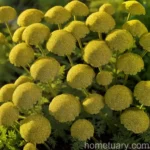
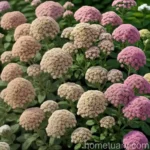
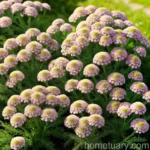
Yarrow, also known as milfoil or nosebleed plant, is a herbaceous perennial that typically grows to a height of 2-3 feet. It is adorned with aromatic, fern-like foliage and bears clusters of vibrant, flat-topped flowers that come in an array of colors, including white, yellow, pink, and red. Achillea millefolium ‘Pomegranate’ specifically features striking red flowers, adding a bold splash of color to landscapes and gardens.
Key Takeaways – Yarrow (Achillea millefolium ‘Pomegranate’)
-
Yarrow plant: Achillea millefolium ‘Pomegranate’ is a resilient herbaceous perennial known for its fern-like foliage and striking red flowers.
-
Yarrow flowers: The plant’s flowers form in dense clusters and can range in color from white and yellow to pink and red.
-
Yarrow uses: Yarrow has versatile applications, including medicinal uses, ornamental display, and ecological benefits.
-
Yarrow medicinal properties: Yarrow is known for its medicinal properties, including wound healing, respiratory health support, and immune boosting.
-
Yarrow benefits: Yarrow exhibits diverse benefits such as attracting beneficial insects, erosion control, and drought tolerance.
-
Yarrow gardening: Yarrow is popular in gardening due to its low maintenance and adaptability to various soil and climate conditions.
-
Yarrow plant care: Proper care involves attention to watering, sunlight, soil, and pruning requirements to ensure optimal growth and flowering.
-
Yarrow plant characteristics: The plant’s characteristics, including its hardiness, herbaceous nature, and ornamental appeal, make it a valuable addition to gardens and landscapes.
Now, let’s explore the specific aspects of culture, uses, and care of Achillea millefolium ‘Pomegranate’.
Culture of Yarrow (Achillea millefolium ‘Pomegranate’)
Understanding the cultural requirements of Achillea millefolium ‘Pomegranate’ is essential for successfully growing and enjoying the benefits of this remarkable plant.
Water
Yarrow is known for its exceptional drought tolerance once established. When establishing the plant, it is important to provide regular watering, especially during the initial growth phase. However, it is crucial to avoid overwatering, as soggy soil can lead to root rot. Once established, yarrow generally thrives in dry to moderately moist conditions, making it an ideal choice for water-wise landscapes and gardens.
Sunlight
Achillea millefolium ‘Pomegranate’ flourishes in full sunlight, displaying enhanced flowering and overall vigor when provided with at least 6-8 hours of direct sunlight per day. In regions where summer temperatures can be scorching, partial shade during the hottest part of the day may benefit the plant.
Fertilizer
Yarrow is relatively unfussy when it comes to fertilization. It generally thrives in average to poor soil conditions, and excessive fertilization can lead to overly lush growth, potentially at the expense of abundant flowering. If necessary, a light application of a balanced, all-purpose fertilizer in the spring can provide ample nutrients for robust growth and flowering.
Soil
One of yarrow’s remarkable traits is its adaptability to various soil types. It excels in well-draining soil and is exceptionally tolerant of poor, sandy, or rocky soils. The plant’s ability to thrive in less fertile soils makes it an excellent candidate for challenging garden and landscape sites where other plants may struggle.
Pruning of Yarrow (Achillea millefolium ‘Pomegranate’)
Pruning can play a significant role in promoting the overall health and appearance of Achillea millefolium ‘Pomegranate’.
-
Deadheading: Removing spent flowers can encourage prolonged blooming and prevent self-seeding, which can be beneficial in controlled garden settings.
-
Winter pruning: In colder climates, cutting back the foliage in late fall or winter can help rejuvenate the plant and promote vigorous growth in the following season.
Propagation of Yarrow (Achillea millefolium ‘Pomegranate’)
Yarrow can be propagated through various methods, including division, seed sowing, and stem cuttings.
-
Division: Dividing mature yarrow clumps every few years can help maintain the plant’s vigor and prevent overcrowding.
-
Seed sowing: Yarrow seeds can be sown directly in the garden or started indoors for later transplantation. The seeds require light for germination and should be sown on the soil surface.
-
Stem cuttings: Stem cuttings can be taken in the spring or early summer from healthy, non-flowering shoots. These cuttings can be rooted in a well-draining medium to produce new plants.
Container Popularity of Yarrow (Achillea millefolium ‘Pomegranate’)
Yarrow’s adaptability and manageable size make it a popular choice for container gardening. When using containers, it is important to select a well-draining potting mix and provide adequate sunlight for optimal growth. Yarrow in containers can be particularly well-suited for smaller urban spaces, balconies, and patios, providing a burst of color and texture in a confined setting.
Common Diseases Affecting Yarrow (Achillea millefolium ‘Pomegranate’)
Yarrow is generally resistant to most diseases and pests, thriving in conditions that may be challenging for other plants. However, some environmental stresses or cultural mismanagement can lead to susceptibility to certain issues.
Disease Diagnosis
-
Powdery mildew: In humid and poorly ventilated conditions, yarrow may be susceptible to powdery mildew, which presents as a white powdery coating on the leaves and flowers. Adequate spacing, proper airflow, and avoiding overhead watering can help prevent this issue.
-
Crown and root rot: Excessive moisture and poor drainage can lead to crown and root rot in yarrow. To mitigate this, ensure that the planting site has well-draining soil and avoid overwatering.
Common Pests Affecting Yarrow (Achillea millefolium ‘Pomegranate’)
Yarrow is relatively resistant to pest infestations, but certain insects may pose occasional challenges.
Botanist’s Tips
-
Aphids: These small, sap-sucking insects may occasionally infest yarrow, especially in crowded or stressed plantings. They can be dislodged with a strong blast of water or controlled with insecticidal soap if necessary.
-
Spider mites: Hot, dry conditions can lead to spider mite infestations, which may cause stippling on the leaves. Increasing humidity and regularly hosing down the foliage can mitigate their presence.
Fun Facts about Yarrow (Achillea millefolium ‘Pomegranate’)
-
Yarrow has a rich history in folklore, being associated with divination, protection, and healing in various cultures throughout history.
-
The genus name “Achillea” is derived from the Greek hero Achilles, who is said to have used yarrow to treat the wounds of his soldiers during the Trojan War.
-
Yarrow’s aromatic foliage has been traditionally used as a natural insect repellent and for crafting herbal teas and infusions.
Now that we have explored the cultural aspects, uses, and characteristics of Achillea millefolium ‘Pomegranate’, let’s delve into its versatile applications and ecological benefits.
Uses of Yarrow (Achillea millefolium ‘Pomegranate’)
Yarrow is renowned for its multifaceted uses, ranging from medicinal applications to ornamental and ecological benefits.
Yarrow in Traditional Medicine
Yarrow has a long history of use in traditional medicine for various purposes:
-
Wound healing: The leaves of yarrow contain compounds that exhibit coagulant and anti-inflammatory properties, making it valuable for treating minor cuts and wounds.
-
Respiratory health: Yarrow has been employed in herbal remedies for respiratory issues, such as coughs and congestion, owing to its expectorant and anti-catarrhal properties.
-
Digestive health: The bitter compounds in yarrow can aid in digestion and have been historically used to alleviate digestive discomfort.
-
Immune support: Yarrow is believed to stimulate and fortify the immune system, offering support during times of illness.
Yarrow in Herbal Remedies and Herbal Medicine
Yarrow has been utilized in various herbal remedies and preparations:
-
Yarrow tea: Infusions of yarrow leaves and flowers have been prepared as a tonic for addressing a range of health concerns, from fever reduction to menstrual cramps.
-
Yarrow essential oil: The essential oil extracted from yarrow contains potent compounds with anti-inflammatory and antimicrobial properties, and it is used in aromatherapy and topical applications.
Yarrow in Landscape Design
Yarrow’s ornamental attributes and ecological contributions make it a valuable addition to landscape design:
-
Companion plant: Yarrow is known for its ability to attract beneficial insects, such as predatory wasps and hoverflies, aiding in natural pest control and biodiversity in the garden.
-
Pollinator attraction: The nectar-rich flowers of yarrow serve as a valuable food source for butterflies, bees, and other pollinators, making it an asset to butterfly gardens and pollinator-friendly landscapes.
-
Erosion control: The dense, fibrous root system of yarrow helps stabilize soil, making it an effective choice for erosion-prone slopes and embankments.
Yarrow in Traditional Crafts
Yarrow has been traditionally utilized in various crafts and artisanal practices:
-
Natural dyes: The flowers of yarrow yield vibrant, natural dyes, prized for their colorfastness and eco-friendly credentials.
-
Potpourri and herbal teas: The aromatic foliage and flowers of yarrow have been incorporated into potpourri mixes and herbal teas, lending their delightful scent and properties to the creations.
-
Insect repellent: Yarrow has been used to ward off insects and pests, whether in the form of sachets, wreaths, or simply scattered in the vicinity.
Yarrow as a Culinary Herb
While not as commonly utilized as other culinary herbs, yarrow has found its way into certain gastronomical applications:
-
Historical use: Yarrow leaves were historically used to impart a bitter flavor to ales and gruits before the widespread adoption of hops as a brewing ingredient.
-
Culinary experimentation: Some modern chefs and herbalists have explored the use of yarrow leaves and flowers as a flavoring agent in teas, salads, and savory dishes, harnessing its unique aroma and subtle bitterness.
Yarrow (Achillea millefolium ‘Pomegranate’) in Alternative Medicine
Yarrow has found a place in alternative medicine practices for its diverse therapeutic potential:
-
Stress relief: Herbalists have recommended yarrow for its potential to alleviate stress and anxiety, attributing its calming effects to certain bioactive compounds.
-
Inflammation management: The anti-inflammatory properties of yarrow have been recognized in alternative medicine, with applications for soothing skin irritations and musculoskeletal discomfort.
Yarrow in Native American Culture
Yarrow holds significance in Native American traditions and folk medicine:
-
Ceremonial uses: Certain Native American tribes valued yarrow for its spiritual and ceremonial significance, incorporating it into rituals and healing practices.
-
Medicinal traditions: Yarrow was used medicinally by various indigenous cultures for addressing a range of health concerns, such as fever, pain, and wounds.
Yarrow (Achillea millefolium ‘Pomegranate’) as a Natural Pesticide and Soil Improver
Yarrow’s ecological contributions extend to its role in sustainable agriculture and gardening:
-
Natural pesticide: Yarrow’s ability to attract beneficial insects and repel pests makes it a valuable ally in integrated pest management strategies. Planted alongside susceptible crops, yarrow can help mitigate pest pressure and reduce the need for synthetic pesticides.
-
Soil improvement: The deep, fibrous roots of yarrow aid in soil aeration and structure, contributing to overall soil health and fertility. Additionally, yarrow’s nutrient-accumulating capabilities make it an asset for enriching the soil.
Yarrow (Achillea millefolium ‘Pomegranate’) – Tolerance and Adaptability
Yarrow’s ability to thrive in various climates and conditions makes it an invaluable addition to diverse landscapes:
-
Drought tolerance: Yarrow is renowned for its ability to withstand dry conditions and is an excellent choice for water-wise gardening and xeriscaping.
-
Adaptation to different climates: From temperate regions to arid landscapes, Achillea millefolium ‘Pomegranate’ showcases remarkable adaptability to a wide range of climates, making it a versatile and resilient plant.
Conclusion
Achillea millefolium ‘Pomegranate’ stands as a testament to the remarkable diversity and utility of yarrow species. This resilient and versatile perennial offers a wealth of uses, from ornamental beauty to medicinal applications, ecological contributions to cultural significance. By understanding its cultural requirements, harnessing its therapeutic potential, and appreciating its ecological benefits, we can fully embrace the myriad virtues of Achillea millefolium ‘Pomegranate’ in gardens, landscapes, and beyond.
Whether admired for its vibrant blooms, cherished for its healing properties, or valued for its ecological contributions, Achillea millefolium ‘Pomegranate’ continues to captivate and enrich our lives, embodying the enduring legacy of this exceptional botanical treasure.
References
[1] Acharya, D., and Bulbul, L. (2013). A Review on the Phytochemical and Pharmacological Profile of Achillea millefolium L. The Pharma Innovation Journal, 2(7), 55-60. [Online]. Available: https://www.researchgate.net/publication/250492168_A_Review_on_the_Phytochemical_and_Pharmacological_Profile_of_Achillea_millefolium_L
[2] Love, K., Flint, L.H., and Johnson, S.R. (2017). A Native Plant’s Utilization of Water under Challenging Conditions [Conference presentation]. Society for Ecological Restoration Annual Meeting, Minneapolis, MN. [Online]. Available: https://www.ser.org/resource-library/ser-conference-proceedings
[3] USDA Plant Database. (n.d.). Achillea millefolium. United States Department of Agriculture. [Online]. Available: https://plants.usda.gov/core/profile?symbol=acmi4