The Magnificent White Oak (Quercus alba): An In-Depth Plant Study
Introduction
The white oak (Quercus alba) is a majestic and grand species that holds significant ecological, cultural, and economic importance. This type of oak is known for its incredible strength, durability, and stately appearance. In this comprehensive guide, we will delve into the characteristics, growth habits, uses, care tips, and much more related to the white oak tree. As a plant scientist, I am excited to share my extensive knowledge and experience with this extraordinary plant species.
What is the white oak (Quercus alba)?
White Oak Tree Characteristics
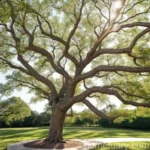
The white oak, scientifically known as Quercus alba, is a large deciduous tree belonging to the Fagaceae family. This species is native to eastern and central North America, including parts of the United States and Canada. White oaks are renowned for their longevity, with some individuals living for several centuries. The species typically grows to a height of 90 to 100 feet, with a broad, rounded crown, making it an iconic feature of many landscapes.
The leaves of the white oak are distinctively lobed with rounded tips and a bright green color. During autumn, the foliage transforms into stunning shades of red, orange, and purple, creating a breathtaking display of fall colors. The bark of the white oak is light gray to a silvery white, with ridges and furrows that add to its visual appeal.
Growth Habit of White Oak
The growth habit of the white oak is best described as slow to moderate, especially during the early years. However, once established, the tree demonstrates an impressive growth rate, gradually reaching its towering and commanding stature. Its wide canopy provides ample shade and habitat for various wildlife species.
Quercus Alba Species Details
Quercus alba, commonly known as the white oak, exhibits exceptional adaptability and resilience. It thrives in diverse environments, including upland regions, moist lowlands, and even urban settings. This adaptability contributes to the widespread distribution of the species across its native range.
White Oak Tree Identification
Identifying the white oak can be accomplished by examining several key features:
- Leaves: The leaves of the white oak are deeply lobed, with rounded tips and a bright green color.
- Bark: The bark is light gray to silvery white, with distinct ridges and furrows.
- Acorns: The tree produces acorns that are oval-shaped and relatively large compared to other oak species.
White Oak Tree: Culture
Cultivating and nurturing white oak trees requires an understanding of their specific cultural requirements. Let’s explore the essential aspects of white oak culture, including its water, sunlight, fertilizer, soil, and pruning needs.
Water
White oaks exhibit moderate drought tolerance once established, but they benefit from consistent moisture during their early years. Adequate watering is particularly crucial during the establishment phase to promote healthy root development. However, it’s important to avoid overwatering, as the species prefers well-draining soil.
Sunlight
As a species that thrives in various habitats, the white oak displays a commendable tolerance for different light conditions. While it prefers full sun for optimal growth and development, it can also thrive in partial shade. However, to ensure the best results, it’s advisable to plant white oaks in locations that receive ample sunlight throughout the day.
Fertilizer
In most cases, white oaks growing in natural forest settings do not require fertilization. However, in urban or landscaped environments, the application of a balanced fertilizer during the early stages of growth can aid in the establishment of young trees. It is important to select a slow-release fertilizer to provide steady nutrient uptake without the risk of overfertilization.
Soil
The white oak thrives in a variety of soil types, ranging from loamy to sandy soils, provided they are well-draining. The species is often found in upland areas with deep, fertile soils as well as in sandy, acidic soils of the coastal plain. When planting white oaks, it’s beneficial to conduct a soil test and amend the soil as needed to ensure an ideal growing environment.
Pruning
Pruning is generally not necessary for white oaks in natural settings. However, in urban or landscaped areas, selective pruning may be conducted to maintain a balanced and healthy canopy. It is vital to utilize proper pruning techniques and tools to prevent damage to the tree and promote its long-term health and vitality.
White Oak Tree: Uses
Ecological Importance
The white oak holds tremendous ecological significance as a keystone species within its native range. Its acorns and foliage provide crucial food and habitat for a myriad of wildlife, including deer, squirrels, and numerous bird species. Additionally, the extensive root system of the white oak stabilizes soil, mitigates erosion, and contributes to the overall health of forest ecosystems.
Wood Properties
White oak wood is highly valued for its exceptional strength, density, and durability. The timber of the white oak is extensively utilized in various woodworking applications, including furniture, cabinetry, flooring, and barrel-making for aging fine spirits. Its resistance to decay also makes it an ideal choice for outdoor applications, such as in the construction of decks and outdoor furniture.
Landscape Design
The majestic stature and picturesque appearance of the white oak make it a sought-after tree for landscape design. Its broad canopy offers ample shade, making it an excellent choice for parks, large yards, and other open spaces. In addition, the vibrant fall foliage of the white oak adds visual interest and seasonal charm to landscapes.
White Oak Tree: Propagation
Seed Propagation
Propagating white oak trees from seeds is a time-consuming yet rewarding process. The following steps outline the basic seed propagation method for white oak:
- Seed Collection: Collect acorns from healthy, mature white oak trees during the autumn season.
- Seed Preparation: Remove the acorn caps and soak the acorns in water for 24 hours to enhance germination.
- Germination: Plant the acorns in well-draining soil in a sheltered outdoor location or in a controlled environment such as a greenhouse.
- Care and Maintenance: Keep the soil consistently moist and protect the young seedlings from excessive heat and direct sunlight.
Container Propagation
White oak trees can also be propagated through container cultivation, which offers greater control over environmental conditions and facilitates the management of young trees. The following steps outline container propagation for white oaks:
- Container Selection: Choose a deep and spacious container with adequate drainage holes to accommodate the vigorous root system of the white oak.
- Potting Mix: Use a well-draining potting mix comprising a blend of peat, perlite, and compost to provide optimal growing conditions for the young tree.
- Transplanting: Carefully transplant young white oak seedlings into larger containers as they outgrow their initial pots to promote healthy root development.
- Watering and Care: Provide regular watering and ensure that the containerized white oak receives sufficient sunlight for robust growth.
Key Takeaways – White Oak (Quercus alba)
After considering the diverse aspects of the white oak (Quercus alba), several key takeaways emerge:
- The white oak is a magnificent and long-lived deciduous tree, known for its stately appearance and exceptional wood properties.
- Cultivating white oaks requires an understanding of their cultural requirements, including water, sunlight, soil, and pruning needs.
- The species holds significant ecological importance, providing food and habitat for numerous wildlife species, and contributes to landscape design and aesthetic appeal.
White Oak Tree: Common Diseases
Disease Diagnosis
White oaks are susceptible to certain diseases that can impact their health and vitality. Understanding and diagnosing these diseases is crucial for implementing effective management strategies. Some common diseases that affect white oak trees include:
- Oak Wilt: This fungal disease can cause rapid wilting and defoliation in white oaks, ultimately leading to tree mortality if left untreated.
- Anthracnose: Anthracnose infections may result in irregular dark spots on the leaves and can cause premature leaf drop, particularly during periods of high humidity.
- Powdery Mildew: Powdery mildew can coat the leaves of white oaks with a white, powdery substance, leading to reduced photosynthetic activity and overall decline in tree health.
Disease Prevention
Implementing proactive measures to prevent disease infestations is critical for maintaining the health and vigor of white oak trees. Some effective disease prevention strategies include:
- Pruning: Prune and remove infected plant parts to prevent the spread of disease within the tree.
- Adequate Air Circulation: Promote airflow and reduce humidity around the tree to minimize favorable conditions for disease development.
- Fungicidal Treatment: In severe cases of disease infestation, consider the application of appropriate fungicides as recommended by certified arborists or plant health experts.
White Oak Tree: Common Pests
Common Pests
White oak trees are also susceptible to infestations by various pests that can compromise their health and vitality. Some common pests that may affect white oaks include:
- Gypsy Moth: The larvae of the gypsy moth can defoliate white oak trees, leading to reduced vigor and potential long-term impacts on tree health.
- Oak Leafminer: The larvae of the oak leafminer can cause unsightly blotches and tunnels on the leaves of white oaks, affecting their aesthetic appeal.
Pest Management
Employing effective pest management strategies is essential for preserving the health and beauty of white oak trees. Consider the following integrated pest management (IPM) practices:
- Beneficial Predators: Encourage the presence of natural predators such as predatory insects and birds that feed on pest species.
- Physical Barriers: Implement physical barriers such as tree banding to prevent crawling pests from ascending the tree trunk and reaching the foliage.
- Horticultural Oils: Utilize horticultural oils to suffocate and deter pest populations while minimizing the impact on beneficial insects.
The white oak (Quercus alba) represents a magnificent and cherished species that contributes to the ecological, cultural, and aesthetic landscapes of its native range. Understanding its growth habits, care requirements, and methods for disease and pest management is essential for the successful cultivation and preservation of this iconic tree species.
Botanist’s Tips
Care Tips for White Oak Trees
Maintaining the health and vigor of white oak trees requires careful attention and adherence to best practices. Consider the following botanist’s tips for the optimal care of white oaks:
- Regular Inspection: Conduct regular visual inspections of the tree to monitor for signs of disease, pest infestations, or structural issues.
- Adequate Watering: Provide consistent and adequate moisture, particularly during the early stages of growth, to support healthy root development.
- Mulching: Apply a layer of organic mulch around the base of the tree to conserve soil moisture, regulate soil temperature, and minimize competition from weeds.
- Professional Consultation: Seek guidance from certified arborists or plant health experts to address any concerns related to the health and care of white oak trees.
White Oak (Quercus alba): Fun Facts
- The white oak is the state tree of Connecticut, Illinois, and Maryland in the United States, reflecting its cultural and symbolic significance.
- The species is also recognized as the national tree of the United States and is emblematic of strength, endurance, and resilience.
- White oak wood is highly sought after for its use in the construction of traditional wine and whiskey barrels due to its unique flavor-enhancing properties.
Links to External Resources
To further enrich your knowledge and understanding of the white oak (Quercus alba) and related topics, consider exploring the following external resources:
In conclusion, the white oak (Quercus alba) stands as a symbol of strength, resilience, and natural majesty, embodying ecological significance and cultural importance. By embracing the insights and recommendations presented in this comprehensive guide, individuals can foster a deeper appreciation for the remarkable attributes of the white oak and contribute to the preservation of this iconic tree species.